In the high-stakes world of oncology, the most profound breakthroughs are rarely the result of singular "eureka" moments. Rather, they are the culmination of years of rigorous investigation, persistent inquiry, and, crucially, stable financial support. Yet, for the brightest minds in cancer immunology and immunotherapy, the path to discovery is currently obstructed by a precarious professional landscape. In October 2025, the Cancer Research Institute (CRI) took decisive action to address this systemic vulnerability by launching the IGNITE Award (Inspiring Growth and Nurturing Independence Through Excellence).
This initiative represents more than just a new grant; it is a strategic intervention designed to fortify the pipeline of scientific talent. By providing a bridge between the postdoctoral phase and independent faculty leadership, the CRI is attempting to reverse a trend that threatens to derail the next generation of cancer-fighting innovations.
The Landscape of Crisis: Why IGNITE Was Born
The modern early-career scientist faces what many in academia describe as "unprecedented headwinds." The transition from a mentored postdoctoral position to an independent principal investigator (PI) is widely considered the most difficult hurdle in an academic research career. Historically, this period relies heavily on federal funding, such as the National Institutes of Health (NIH) grants. However, with tighter institutional budgets, rising costs of laboratory technology, and an increasingly competitive landscape for federal dollars, many promising researchers are being forced to abandon their dreams of academic independence.
The statistics are sobering. As the cost of research escalates, the success rate for first-time grant applicants has plummeted. When talented postdocs find themselves unable to secure funding, the "brain drain" becomes a reality. These individuals often transition into private industry or abandon the field of oncology entirely. The CRI’s IGNITE Award serves as a life raft for these scientists, ensuring that the intellectual capital developed during years of training does not dissipate when it is needed most.
A Five-Year Commitment to Excellence
The structure of the IGNITE Award is uniquely calibrated to the career arc of a scientist. Unlike traditional grants that often target a single, short-term project, IGNITE provides a sustained five-year runway.
The program is bifurcated into two distinct but interconnected phases:
- The Mentored Phase (Years 1–2): During the initial two years, the award provides robust funding for postdoctoral research. This allows the scientist to refine their experimental framework, publish foundational papers, and establish the preliminary data necessary to compete for larger federal grants.
- The Independence Phase (Years 3–5): The subsequent three years provide support for the recipient as they transition into an independent faculty role. This is the period when researchers typically struggle most, as they must build a laboratory from scratch, hire staff, and secure their own equipment. IGNITE provides the financial stability to navigate this transition without the pressure of an immediate funding shortfall.
By offering this five-year horizon, the CRI is not merely funding a project; it is funding a career trajectory.
Chronology of a Vision: From Concept to Inaugural Class
The journey to the IGNITE Award began long before the public announcement in October 2025. It was born out of iterative discussions within the CRI’s Scientific Advisory Council, where leaders began to notice a recurring pattern in the feedback from grant applicants: the "valley of death" between the postdoc and the faculty position was widening.
- Early 2024: Internal reviews at the CRI identified a sharp decline in the number of early-career immunology applicants.
- Late 2024: The CRI Scientific Advisory Council, led by experts like Dr. E. John Wherry and Dr. Lewis Lanier, began drafting the parameters for a new, "transition-focused" funding mechanism.
- Summer 2025: Final vetting of the award criteria. The focus was placed on high-risk, high-reward research projects that push the boundaries of what is possible in immunotherapy.
- October 2025: The official launch of the IGNITE Award.
- 2026: The selection process culminated in the announcement of the inaugural class of eight fellows, each representing a unique institutional background and specialized focus area.
Expert Perspectives: The Architects of IGNITE
The leadership behind the IGNITE Award views the initiative as a moral and scientific imperative.
Dr. E. John Wherry, an associate director of the CRI’s Scientific Advisory Council and co-chair of the selection committee, underscored the urgency of the situation. "If we don’t protect this next generation of researchers, we risk losing the very people who will drive the discoveries of tomorrow," Wherry stated. He emphasizes that the talent pipeline is not just about quantity, but quality; the IGNITE Award is designed to ensure that the "best and brightest" are not deterred by the systemic volatility of the academic market.
Dr. Lewis Lanier, a fellow co-chair of the committee, echoed this sentiment, highlighting the specific mechanism of the grant. "We really needed a new mechanism to give a transition for these very talented postdoctoral scholars who are then looking to go the next step and create their own lab," Lanier noted. "It’s very difficult to get money from the NIH at the moment, and we didn’t want to lose out on the best and brightest young scientists."
The vision is clear: by providing a bridge, the CRI is lowering the barrier to entry for the next generation of innovators, effectively acting as an insurance policy for the future of cancer research.
The Inaugural Class: A Snapshot of Diversity and Innovation
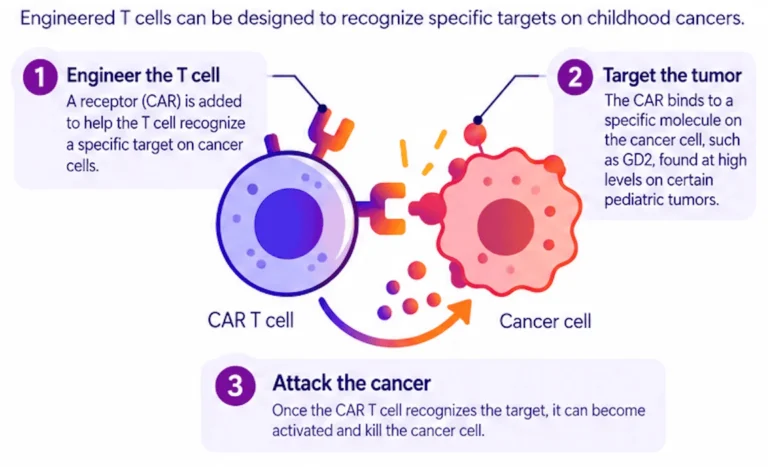
The 2026 inaugural class of IGNITE fellows is a testament to the depth of talent currently entering the field. These eight researchers represent eight distinct institutions and are tackling a wide array of malignancies. Their research spans the gamut of modern immunotherapy, from CAR-T cell engineering to the complex interactions between the tumor microenvironment and the immune system.
By selecting researchers who span seven different cancer types, the CRI is ensuring that the IGNITE program does not become siloed. This diversity of focus allows for cross-pollination of ideas; a breakthrough in how a researcher approaches solid tumors in one field may well provide the roadmap for an entirely different type of cancer. The fellows are not just recipients of funding; they are members of a growing network of CRI-backed innovators, poised to collaborate and lead the next decade of clinical trials.
Implications for the Future of Immunotherapy
The implications of the IGNITE Award extend far beyond the laboratory. By stabilizing the career paths of these researchers, the CRI is effectively accelerating the pace of clinical discovery.
1. Retention of Intellectual Capital
The primary impact is the retention of high-level talent. Every time a brilliant young researcher leaves academia due to funding constraints, the field loses decades of potential inquiry. IGNITE keeps this talent in the research ecosystem, ensuring that the public investment in their education yields a return in the form of patient-facing breakthroughs.
2. De-risking Early-Stage Research
Federal grants are often conservative, favoring projects with high predictability. Private, foundation-led initiatives like IGNITE allow for more "blue-sky" thinking. Because the CRI is invested in the person rather than just the specific outcome of a singular project, researchers are empowered to take the calculated risks that lead to truly transformative treatments.
3. A Model for Other Foundations
The success of the IGNITE model could serve as a blueprint for other medical research organizations. As the gap between postdoctoral training and faculty independence grows, the scientific community may see a shift toward longer-term, career-focused funding models rather than the traditional, project-by-project grant system.
A Legacy of Investment
For decades, the Cancer Research Institute has been at the forefront of the immunotherapy revolution. From funding early studies that paved the way for checkpoint inhibitors to supporting the foundational research behind CAR-T cell therapies, the CRI has consistently bet on people.
"CRI has always invested in people whose discoveries redefine what is possible in cancer treatment," says Alicia Zhou, PhD, CEO of the Cancer Research Institute. "Through IGNITE, we’re ensuring the next generation of scientists can stay in the field and lead the future of immunotherapy."
This initiative is a continuation of that legacy. As the inaugural class begins their work, the scientific community watches with anticipation. The challenges of cancer remain immense, and the fight is far from over. However, by providing the necessary stability for the next generation of leaders, the IGNITE Award ensures that the future of cancer research is not just secure—it is bright.
Looking Ahead: The Road to 2030
As these eight inaugural fellows embark on their five-year journey, the CRI will be monitoring the outcomes of the program with keen interest. The success of the IGNITE Award will be measured not just in publications or grant renewals, but in the eventual translation of these laboratory discoveries into new, life-saving therapies for patients.
The IGNITE Award is a bold declaration that the CRI believes in the resilience and the necessity of the early-career scientist. In an era of uncertainty, this program provides a foundation of certainty. For those researchers who were previously standing on the precipice of leaving the field, the IGNITE Award is not just a grant—it is an invitation to stay, to discover, and to lead the charge in the fight against cancer.
The path forward is clear. By investing in the individuals who will define the next chapter of immunotherapy, the CRI is ensuring that the flame of scientific innovation continues to burn, providing hope for patients worldwide who are waiting for the next breakthrough. The fire has been lit; now, the work begins.