For many individuals living with Ehlers-Danlos syndrome (EDS) and associated dysautonomia, the arrival of summer brings a paradoxical challenge. While the season is often associated with vitality and outdoor recreation, for the chronic illness community, it frequently signals a period of survival. Research indicates that approximately 80% of individuals with hypermobile EDS also experience some form of dysautonomia—a condition where the autonomic nervous system fails to regulate automatic functions such as heart rate, blood pressure, and body temperature.
When the mercury rises, the body’s compensatory mechanisms are pushed to their limit. In a healthy individual, heat causes blood vessels to dilate, allowing blood to circulate near the skin’s surface to release heat. For those with dysautonomia, this process is often erratic, leading to insufficient blood flow to the brain, which manifests as dizziness, tachycardia, brain fog, and profound fatigue. As temperatures climb, these symptoms intensify, often forcing patients to retreat indoors. However, a growing cohort of patients and advocates is turning to a time-tested, simple, yet highly effective intervention: the UV-blocking sun umbrella.
The Physiology of Heat Intolerance in Dysautonomia
Understanding the Mechanism
To understand why the sun umbrella is more than a fashion statement, one must first look at the physiological strain heat places on the autonomic nervous system. Dysautonomia—often characterized by conditions like Postural Orthostatic Tachycardia Syndrome (POTS)—means the body struggles to maintain homeostasis.
In the heat, the demand for increased cardiac output is high. As peripheral vasodilation occurs, blood pools in the extremities, making it increasingly difficult for the heart to pump oxygenated blood to the brain while the person is upright. This results in "orthostatic intolerance." The sun, through direct solar radiation, acts as a thermal stressor that accelerates this process, causing a rapid decline in a patient’s "spoon" count—the colloquial term for limited daily energy reserves.
The Role of UV and Thermal Radiation
It is not merely the ambient air temperature that affects the patient; it is the intensity of solar radiation. Direct sunlight increases the heat load on the skin and causes a rise in core temperature that the dysautonomic body cannot efficiently manage. By blocking this radiation, a sun umbrella reduces the thermal load, effectively creating a microclimate for the user.
A Chronological Perspective: From Japan to Global Advocacy
The Origins of a Summer Survival Strategy
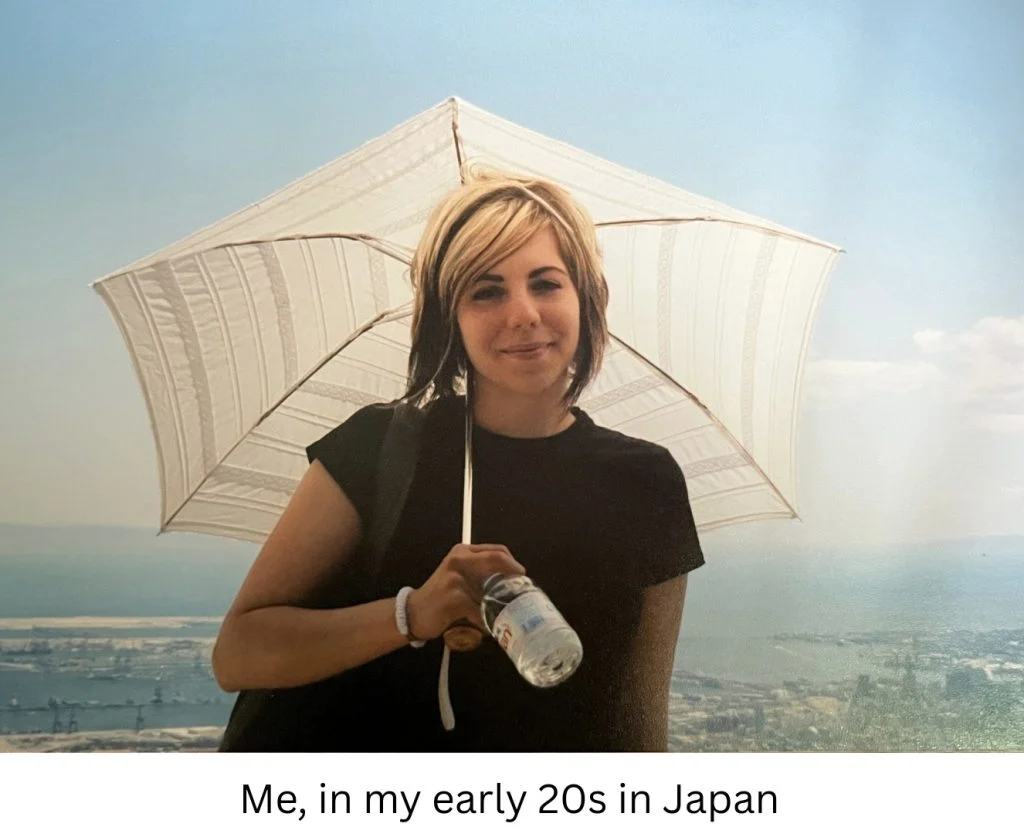
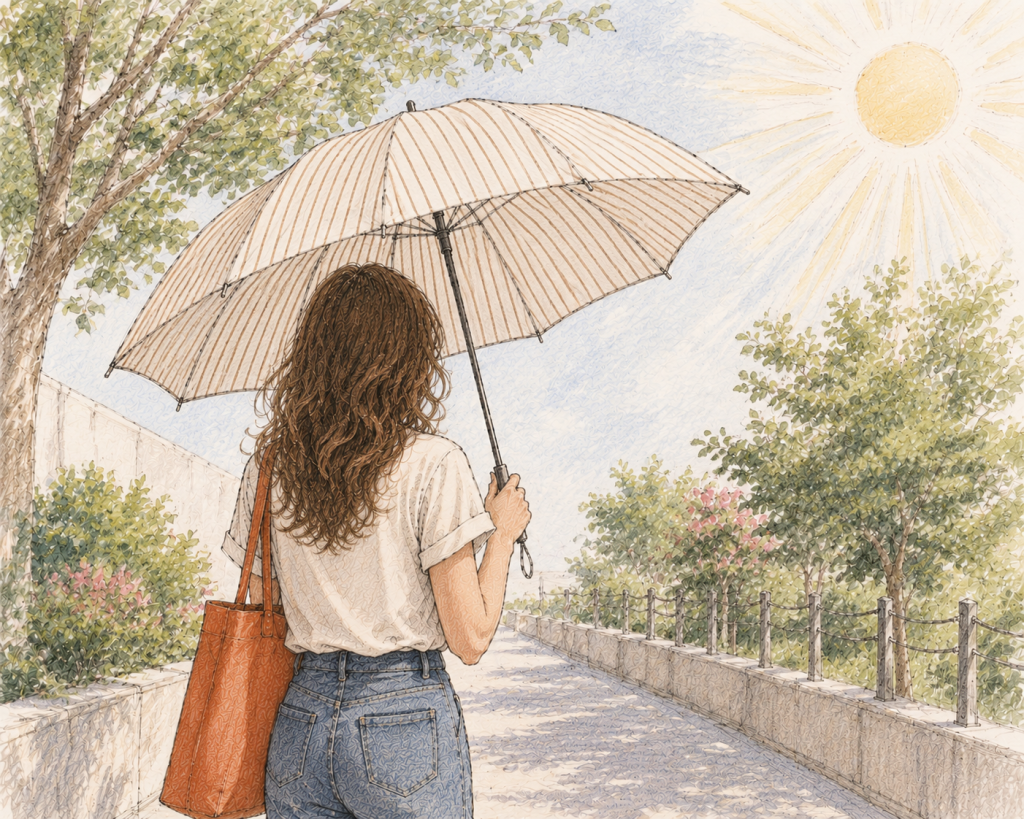
The author’s journey with the sun umbrella began long before the formal diagnosis of dysautonomia. During a period of living in Japan, the reality of the climate—often described as a "hot, wet towel"—made traditional heat management techniques insufficient. Walking became the primary mode of transportation, and the physical toll of navigating high-humidity summers in urban centers was undeniable.
In Japan, the parasol is not an anomaly; it is a cultural staple. With nearly 47.4% of the population utilizing sun umbrellas during the summer months, the country has refined the technology behind them. For the author, the decision to adopt the practice was twofold: it served as an effective cooling mechanism and provided a vital solution for someone suffering from a chemical allergy to traditional sunscreens.
Evolution of the Tool
What began as a localized survival hack in East Asia has since become a cornerstone of the author’s global health strategy. Now residing in Switzerland, the author continues to utilize the sun umbrella, demonstrating that the need for adaptive technology transcends geography. Over the past two decades, the transition from "looking for shade" to "carrying shade" has represented a shift from reactive symptom management to proactive lifestyle modification.
Supporting Data: The Science of Shade
Thermal Reduction and Physiological Impact
Scientific literature supports the efficacy of physical barriers in temperature regulation. Research published in Journal of the Meteorological Society of Japan highlights that UV-blocking umbrellas can lower the perceived temperature by roughly 7°F to 9°F (4°C to 5°C).
For a person with dysautonomia, this temperature delta is critical. A difference of 7 degrees can be the threshold between remaining functional and experiencing a syncope-like event. By significantly reducing the radiant heat absorbed by the body, the parasol decreases the necessity for excessive heart rate elevation, which is the body’s attempt to cool down and maintain blood pressure.
The Statistical Context of Comorbidity
With 80% of EDS patients experiencing dysautonomia, the prevalence of this sensitivity is significant. The healthcare community is increasingly recognizing that "lifestyle modifications" are not just lifestyle choices—they are medical necessities. Data suggests that patients who integrate cooling aids, such as parasols, alongside electrolytes and compression garments, report higher rates of outdoor participation and improved quality of life scores compared to those who rely on medication alone.
Official Perspectives and Expert Recommendations
Rethinking Accessibility
While medical professionals often emphasize hydration and salt intake, there is a growing consensus among patient advocacy groups that "environmental mitigation" is an under-utilized pillar of care. Organizations like Dysautonomia International have long highlighted the importance of cooling, but the specific endorsement of parasols is gaining traction as a low-cost, high-impact intervention.
Integration into the "Dysautonomia Toolkit"
Experts suggest that the most effective management plans are multifaceted. A typical "summer toolkit" should include:
- Physical Barriers: High-quality UV-rated parasols.
- Cooling Agents: Neck cooling wraps, portable misting fans, and phase-change cooling vests.
- Metabolic Support: Increased intake of electrolytes (sodium, potassium, magnesium) to expand blood volume.
- Compression: Medical-grade compression garments to assist venous return and prevent blood pooling.
The inclusion of the sun umbrella is unique because it provides a "passive" cooling effect. Unlike a fan, which requires battery power and constant attention, the umbrella works continuously, requiring minimal physical effort from the user.

Implications: Why the Stigma Must Change
The Social Barrier
One of the most significant hurdles to the widespread adoption of sun umbrellas in the West is the lingering social stigma. In many Western cultures, a parasol is often mistaken for a rain umbrella, leading to confusion or, occasionally, unsolicited comments from strangers.
However, the implications of prioritizing function over aesthetics are profound. If the goal of treatment for chronic illness is to allow patients to participate in life—to sit by the lake with friends, attend an outdoor event, or simply walk through a city—then the social cost of carrying a parasol is negligible. The "look" of the umbrella is a small price to pay for the ability to remain upright and alert.
Empowerment Through Adaptation
The broader implication of this strategy is the shift toward patient-led innovation. Often, the most effective medical accommodations are those that are not found in a pharmacy but in the cultural wisdom of other nations. By adapting the Japanese model of sun protection, the dysautonomia community is reclaiming their ability to engage with the world on their own terms.
Final Thoughts: A Simple Solution for Complex Symptoms
For those living with EDS and dysautonomia, the summer months do not have to be a period of total confinement. While no single tool is a panacea, the sun umbrella represents a powerful, scientifically backed, and highly practical addition to any management plan.
It serves as a reminder that accessibility is not always about expensive medical equipment or pharmaceutical interventions. Sometimes, the most transformative tool is one that simply blocks the sun, allowing the body the breathing room it needs to function. As we continue to navigate the complexities of chronic illness, embracing such simple, portable, and effective solutions is key to ensuring that the warmer months are no longer just a season to "survive," but one to actually experience.
Jacqueline Teti is the Editor-in-Chief and Director of Programs at Chronic Pain Partners, where she advocates for patient-centered care and innovative symptom management strategies.