





As the National Health Service (NHS) accelerates its ambitious transition toward a "digital-by-default" future, the spotlight is turning toward the workforce tasked with turning this vision into reality. With the implementation of the NHS 10-year health plan now one year into its trajectory, the focus has shifted from high-level strategy to the granular, professional development of the digital practitioners who will define the next decade of patient care.
To address this critical evolution, the Digital Health Summer Schools 2026—the UK’s premier learning and networking event for health IT leadership—will convene at the University of Nottingham on 16–17 July. This year’s gathering is set to be a watershed moment for the professionalisation of the digital workforce, providing a platform for the architects of the NHS’s digital transformation to discuss the standards, ethics, and career pathways that will sustain the service for years to come.
The Strategic Imperative: Professionalising the Digital Workforce
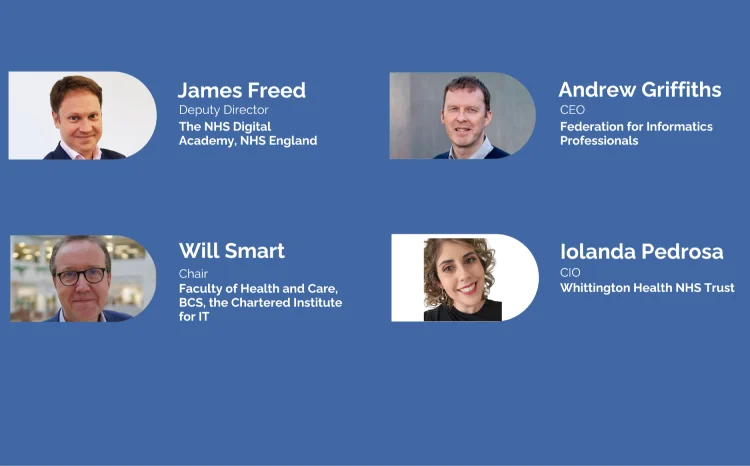
The professionalisation of the NHS digital workforce is no longer a peripheral concern; it is a strategic priority. The upcoming Summer Schools 2026 will feature a high-profile panel dedicated to exploring how the NHS is constructing a recognized, trusted, and professionally accredited digital profession.
As digital tools become the backbone of clinical operations, the demand for a workforce that possesses not only technical proficiency but also leadership acumen, ethical grounding, and clinical insight has never been higher. The panel will dissect how the current 10-year health plan—which mandates a comprehensive digital overhaul—is redefining what it means to work in health technology. Key discussion points will include the formalisation of professional registration, the establishment of national standards, and the cultivation of leadership capabilities that can navigate the complexities of a modern, integrated health system.
Chronology of the Transformation: One Year On
The 2026 event takes place against the backdrop of significant progress. To understand the current climate, one must look at the timeline of the 10-year health plan, which has served as the catalyst for the current wave of reform:
- Mid-2025: The government confirms the "Digital-by-Default" directive, cementing technology at the heart of the long-term health strategy.
- Early 2026: Initial programme outlines for Summer Schools 2026 are published, highlighting a pivot toward practical, interactive knowledge exchange.
- March 2026: Professor Kathrin Cresswell, a renowned authority on digital innovation in health and care, is named as a foundational speaker.
- April 2026: Experts from the National Institute for Health and Care Excellence (NICE), including Marie-Anne Ledingham and Tharni Vasavan, are confirmed to lead sessions on horizon scanning and clinical technology adoption.
- May 2026: Salma Yasmeen, CEO of Sheffield Health Partnership University NHS Foundation Trust, is confirmed to join the keynote panel.
- July 2026 (Upcoming): The Summer Schools event at the University of Nottingham.
The inclusion of leaders like Salma Yasmeen is particularly symbolic. By bringing in trust-level executive leadership, the event aims to bridge the gap between national policy design and the frontline delivery of digital services, ensuring that the 10-year plan’s ambitions are reflected in the reality of clinical environments.
Supporting Data and The Revamped Programme
Summer Schools 2026 marks a departure from traditional conference formats. Recognizing that digital leaders require deeper, more granular insights than generic plenary sessions can provide, the organizers have overhauled the programme structure.
A Focus on Interactive Exchange
The 2026 agenda is characterized by a "doubling down" on small-group and interactive sessions. This format shift is designed to foster genuine knowledge exchange, allowing delegates to move beyond theory and engage with the practical hurdles of digital implementation. Whether it is navigating procurement, managing clinical resistance, or scaling successful pilots, the sessions are designed to provide actionable intelligence.
Key Thematic Pillars
The curriculum for this year’s event is divided into five critical pillars:
- Power, influence, and accountability: A deep dive into the evolving nature of digital leadership in 2026.
- From innovation to impact: A focus on the "scaling problem"—how to move successful local trials into enterprise-wide clinical tools.
- Balancing innovation, safety, and ethics in the AI era: A critical look at the integration of generative AI and machine learning into patient pathways.
- Building effective NHS-supplier relationships: Addressing the procurement and partnership dynamics essential for successful ecosystem development.
- The 10-year health plan: One year on: A retrospective analysis of the progress made since the national mandate was established.
Official Perspectives: Leadership and Vision
The calibre of speakers confirmed for the event underscores the importance of the digital agenda to the broader NHS mission.
Salma Yasmeen, as CEO of Sheffield Health Partnership University NHS Foundation Trust, represents the "boots on the ground" perspective. Her participation will be critical in illustrating how the 10-year plan translates into organizational culture and patient outcomes. Having navigated the complexities of trust management, her insights on leadership development are expected to be among the most anticipated sessions of the conference.
Professor Kathrin Cresswell, from the University of Edinburgh, brings the academic rigour necessary to ensure that digital transformation is evidence-based. Her work in digital innovation provides a theoretical framework for attendees to evaluate the sustainability of their own digital initiatives.
Furthermore, the participation of Marie-Anne Ledingham and Tharni Vasavan from NICE highlights the growing importance of clinical governance in the digital age. Their presence suggests that as the NHS moves forward, the "horizon scanning" for new health technologies must be inextricably linked to clinical evidence and regulatory standards.
Implications: The Future of the Digital Professional
The implications of this movement toward professionalisation are profound. By creating a recognised "digital profession" within the NHS, the organisation is seeking to address the historic issues of recruitment, retention, and career progression for IT professionals.
Professional Identity and Ethics
For decades, health IT was often viewed as a support function. The 10-year plan and the professionalisation agenda seek to transform this into a clinical-adjacent profession. This means that digital leaders will soon be expected to adhere to professional codes of conduct similar to those of clinicians, particularly regarding the ethics of data usage, AI deployment, and algorithmic transparency.
The Role of Industry Partners
The event is supported by a robust list of industry partners, including AWS, Better, CereCore, Dell Technologies, InterSystems, Microsoft, Nervecentre, Optum, and Salesforce. The involvement of these entities reflects the reality that the NHS cannot achieve its digital goals in isolation. The conference serves as a vital nexus where public sector needs and private sector innovation collide, with the goal of creating more effective, sustainable, and secure clinical environments.
Career Pathways
Perhaps the most significant implication for attendees is the development of clearer career pathways. As the digital role in the NHS matures, the conference provides a roadmap for current and aspiring leaders to acquire the competencies required for senior roles. For attendees, the event is not merely an opportunity for networking; it is a mechanism for gaining Continuing Professional Development (CPD) points, which are essential for maintaining the professional standards that the NHS now demands.
Conclusion: A Call to Action for Digital Leaders
As the countdown to the July 16–17 event continues, the message from the organisers is clear: the digital transformation of the NHS is a marathon, not a sprint. The "one year on" mark of the 10-year health plan is not a finish line, but a check-point.
For those currently working within the Digital Health Networks, the Summer Schools 2026 represents the most significant professional development opportunity of the year. With a refreshed, interactive format and a roster of speakers that bridges the gap between national strategy and frontline practice, the event is positioned to set the tone for the next nine years of the NHS digital journey.
Interested parties are encouraged to review the official programme and secure their place early. As the NHS continues its pivot toward a future where digital is the standard of care, the leaders who attend this event will be the ones defining what that future looks like—and ensuring that it is safe, ethical, and profoundly impactful for the millions of patients who rely on the service every day.