










14 July, 2026
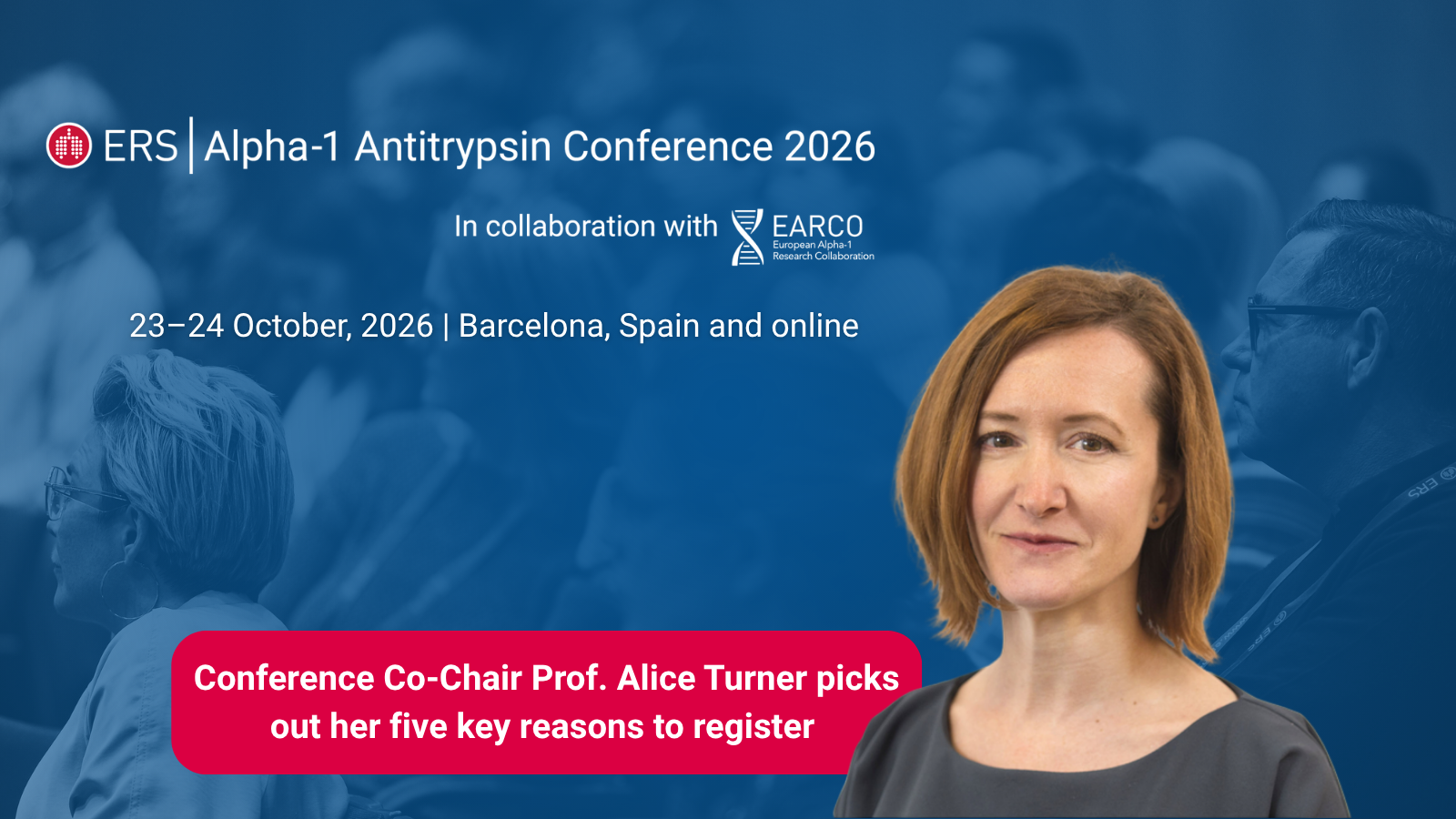
As the landscape of respiratory medicine continues to shift under the weight of genetic breakthroughs and innovative therapeutic approaches, the upcoming ERS Alpha-1 Antitrypsin (AATD) Conference stands as a pivotal moment for the global clinical community. Set to convene experts, researchers, and patient advocates, this two-day summit is more than a mere academic gathering; it is a catalyst for the next generation of patient care and scientific discovery.
For respiratory professionals, from seasoned consultants to early-career researchers, the conference offers a rare opportunity to synthesize complex clinical data into actionable, real-world strategies. As Alpha-1 Antitrypsin Deficiency remains a critical focus of both diagnostic improvement and therapeutic expansion, this event provides the essential infrastructure for those looking to stay at the forefront of the field.
Main Facts: A Convergence of Expertise
The ERS Alpha-1 Antitrypsin Conference is meticulously structured to address the multifaceted nature of AATD. By bringing together the world’s leading research groups, the ERS ensures that the programming is both rigorous and relevant.
The core mission of the conference is to bridge the gap between bench science and bedside practice. Participants can expect a deep dive into the latest developments in AATD science—an area currently experiencing a surge in activity due to emerging therapies and the global expansion of patient registries. Unlike larger, more diffuse congresses, this conference prioritizes a focused, intensive environment where the exchange of ideas is not just encouraged, but central to the experience.
Chronology and Evolution of the Field
To understand the significance of the 2026 gathering, one must look at the recent evolution of AATD management. Over the past decade, the field has transitioned from basic symptom management to targeted, personalized interventions.
- Early 2020s: The establishment and stabilization of the EARCO (European Alpha-1 Research Collaboration) network. This laid the groundwork for standardized data collection across international borders.
- 2024: A period of unprecedented growth in clinical trials, with several novel therapies moving from Phase II to Phase III, forcing a re-evaluation of current treatment guidelines.
- 2025: The shift toward digital health and artificial intelligence in diagnostic screening, identifying "missing" patients who have long gone undiagnosed due to the complexity of the condition.
- July 2026 (The Conference): The current summit serves as the synthesis point for these developments, providing a platform to discuss the long-term outcomes of the strategies implemented in the previous 24 months.
Supporting Data: The Case for Attendance
Prof. Alice Turner, the Conference Co-Chair, has identified five strategic pillars that define the value proposition for attendees. These pillars are supported by the growing need for specialized clinical knowledge in an era of precision medicine.
1. Networking with Global Research Titans
The event serves as a central hub for all major AATD research groups. For the clinician, this provides direct access to the architects of current guidelines and the pioneers of future diagnostic tools. The ability to engage in face-to-face dialogue with these experts is an invaluable asset for those seeking to refine their diagnostic pathways or participate in multicenter studies.
2. Staying Current in a Rapidly Moving Field
The pace of change in AATD is accelerating. With new therapeutic agents on the horizon and the constant refinement of existing registries, the risk of "clinical obsolescence" is real. The conference acts as a filter, distilling the noise of thousands of research papers into a coherent, focused update on the state of the science.
3. Fostering Meaningful, In-Depth Collaboration
The intentional, smaller scale of the meeting is a distinct feature. It facilitates high-quality, long-form discussions that are often lost in larger auditoriums. For early-career professionals, this environment is particularly vital. Through connections with members of the EARCO research committee, attendees can explore tangible opportunities for fellowships, placements in expert centers, and collaborative research ventures that might otherwise be unreachable.
4. Tackling "Hot Topics" and Controversy
Medicine thrives on debate, and AATD is no exception. The conference organizers have opted for interactive formats—such as pro-con debates—to explore contentious issues. A primary highlight this year will be the debate on AATD and bronchiectasis, a topic that has sparked significant disagreement within the respiratory community. By analyzing these controversies in a formal setting, attendees gain a deeper, more nuanced understanding of the evidence-based limitations and possibilities of current care.
5. A Holistic Approach to Stakeholder Engagement
Perhaps the most significant aspect of the conference is its inclusivity. By uniting healthcare providers, charitable organizations, patient advocates, and industry representatives, the conference forces a cross-pollination of perspectives. This is essential for driving systemic change, ensuring that new treatments are not only developed but that they reach the patients who need them through expanded access and better advocacy.
Official Perspectives and Strategic Implications
The implications of this conference extend far beyond the two days of sessions. For the ERS and the wider clinical community, the gathering is a test of the efficacy of global collaboration.
The Clinical Implication
Clinicians attending this conference will return to their respective institutions with a roadmap for managing the most challenging cases of AATD. By integrating the insights gained regarding patient registries and diagnostic best practices, attendees can improve the speed and accuracy of diagnosis, which remains the single biggest challenge in AATD care.
The Research Implication
For those involved in academic research, the event provides a venue for peer review and mentorship. The focus on early-career development is designed to ensure the longevity of the research pipeline. As industry leaders meet with clinical researchers, there is a clear potential for identifying new avenues for drug development that are informed by the day-to-day realities of patient management.
The Patient Advocacy Implication
The inclusion of patient groups and charities ensures that the conference remains tethered to the human element. The discussion on "wider access to care" is not an abstract concept; it is a call to action to address the disparities in treatment availability across different regions. By bringing the stakeholder groups into one room, the conference aims to influence policy-level decisions, advocating for the necessary infrastructure to support life-altering therapies.
Conclusion: A Call to Action
The ERS Alpha-1 Antitrypsin Conference 2026 is an essential waypoint for the respiratory community. It provides the intellectual framework, the professional network, and the collaborative spirit required to advance the field.
For those who have not yet finalized their attendance, the opportunity to shape the future of AATD care is immediate. Through the official registration portal, professionals can secure their place at the table. Furthermore, the full conference programme is now available for review, offering a detailed breakdown of the sessions, debates, and networking opportunities that await.
As the field of AATD continues to evolve, the ability to synthesize, collaborate, and adapt will be the hallmarks of the successful respiratory professional. This conference is the primary venue for developing those very skills. Whether you are an established researcher looking to lead the next international study or a clinician aiming to optimize patient outcomes in your local clinic, the ERS Alpha-1 Antitrypsin Conference offers the tools to make that vision a reality.
The future of AATD care is not found in a single laboratory or a single hospital ward; it is found in the collective wisdom of a global community working in concert. We look forward to seeing the respiratory community unite in July to continue this vital work.