






By Erin O’Neil, LCSW
The holiday season is a period we navigate with a paradoxical blend of anticipation and dread. While we often focus on the festive magic—the twinkling lights, the reunions, and the spirit of generosity—there is an undeniable undercurrent of stress. This time of year acts as a pressure cooker, exacerbating social anxiety, grief, familial friction, and the relentless demands of gift-giving. Yet, there is another, more silent contributor to our collective seasonal malaise: the constant, often inescapable presence of ultra-processed foods (UPFs).
From office cookie platters and charcuterie boards to the surplus of holiday candies, we are bombarded by highly engineered products. While we often debate whether these dietary habits are simply a "holiday indulgence," emerging research in the field of nutritional psychiatry suggests that these ultra-processed items are not merely a caloric concern—they are a significant, often overlooked factor in the deterioration of our mental well-being.
The NOVA Classification: Decoding the Modern Diet
To understand the scope of the problem, we must first define what we are consuming. Developed by Carlos Monteiro, a professor of Nutrition and Public Health at the University of São Paulo, the NOVA food classification system provides a vital framework for understanding the nature of our food. The system divides all food products into four distinct categories:
- Unprocessed or Minimally Processed Foods: These are whole foods—fruits, vegetables, nuts, meats, and grains—that retain their essential vitamins and minerals in their natural, unbroken state.
- Processed Culinary Ingredients: Substances derived directly from nature or the first group, such as oils, butter, salt, and sugar, meant to extend shelf-life and enhance flavor during home cooking.
- Processed Foods: These are the simple marriage of categories one and two, created to increase longevity or make raw ingredients palatable, such as artisanal cheeses, freshly baked breads, or canned legumes.
- Ultra-Processed Foods (UPFs): This category represents industrial formulations. These products typically contain ingredients rarely found in a home kitchen, such as hydrolyzed proteins, modified starches, artificial colors, emulsifiers, and preservatives. These are the items with ingredient lists that are impossible to pronounce or identify as actual food.
The prevalence of these items in the American diet is staggering. A 2019 study published in Nutrients estimated that roughly 70 percent of all packaged foods sold in the United States fall into the ultra-processed category, with approximately 60 percent of the average American’s total caloric intake derived from these products.
The Biological Toll: Beyond Waistlines
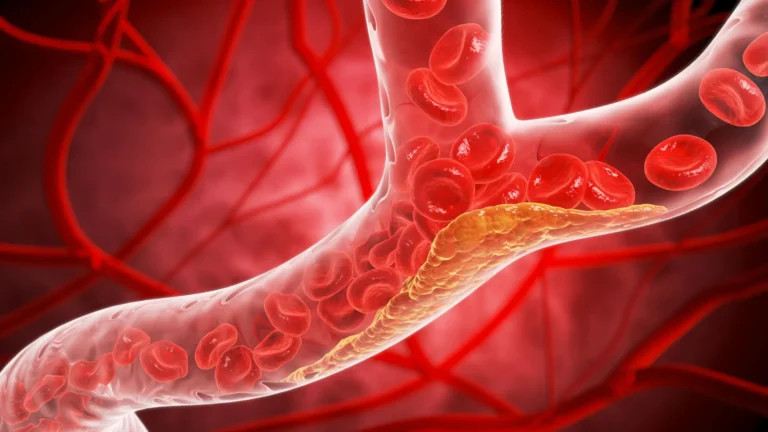
The physical health consequences of a diet heavy in UPFs are well-documented and widely accepted. We know that these diets are linked to an increased risk of obesity, Type 2 Diabetes, and cardiovascular disease. Furthermore, those struggling with gastrointestinal disorders—ranging from Irritable Bowel Syndrome (IBS) to Crohn’s disease—often possess an intimate, painful understanding of how processed additives can trigger physical inflammation and systemic distress.
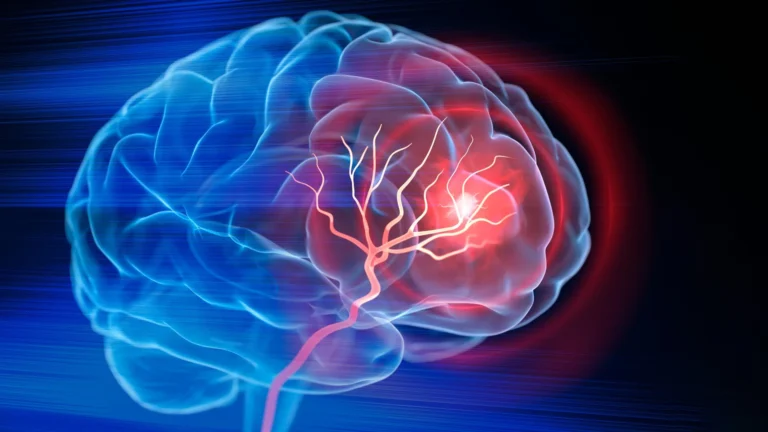
However, the conversation is shifting toward the brain. Recent research has begun to illuminate the potential correlation between UPF consumption and accelerated cognitive decline.
The Hippocampal Connection
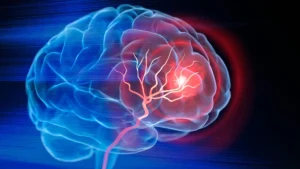
Professor Felice Jacka, a pioneer in the field of nutritional psychiatry and the founder of the Food & Mood Centre at Deakin University, has brought vital attention to how diet impacts the brain’s anatomy. In recent explorations of brain health, Professor Jacka has highlighted the vulnerability of the hippocampus. This region of the brain is crucial for emotional regulation, memory storage, and the regulation of appetite.
Crucially, the hippocampus is one of the few areas of the brain that exhibits plasticity throughout our lives—it can grow and shrink. Emerging evidence suggests that the chemical additives and nutrient deficiencies inherent in an ultra-processed diet may contribute to the shrinking of the hippocampus. The implications are profound: if our emotional command center is physically compromised by our diet, our ability to recall memories and maintain emotional equilibrium is fundamentally impaired.

The Mental Health Crisis and the Dietary Link
In the United States, the statistics surrounding mental health are sobering. Approximately 21 million adults suffer from major depressive disorder each year, and over 40 million adults grapple with anxiety. While it would be reductive to suggest that diet is the sole cause of these complex conditions—which are deeply influenced by trauma history, socioeconomic status, gender identity, and interpersonal relationships—it is increasingly clear that diet acts as a powerful lever that can either exacerbate or mitigate these symptoms.
The Cycle of Dependency
In my clinical work with individuals recovering from substance use, I often observe "cross-addiction" patterns. When patients eliminate alcohol or drugs, they often find themselves gravitating toward energy drinks, refined sugars, and hyper-palatable processed snacks. This transition is frequently followed by renewed struggles with insomnia, fatigue, and fluctuating mood.
While these foods provide a temporary dopamine spike, they are often devoid of the essential micronutrients required for stable mental function. The biological mechanisms are clear:
- Vitamin B12, B9 (Folate), and Zinc: Essential for mood stability; deficiencies are directly linked to irritability, fatigue, and low energy.
- Vitamin D: A key regulator of the genes responsible for producing serotonin and oxytocin, our "feel-good" chemicals. A lack of Vitamin D is a primary driver of low motivation and impaired alertness.
- Vitamin B6: A crucial building block for dopamine and GABA, the latter being the primary neurotransmitter responsible for calming the nervous system during moments of acute anxiety.
- Magnesium and Iron: Vital for mood stabilization and cognitive concentration.
When our bodies are fueled by products that lack these foundational nutrients, we are essentially running a high-performance engine on the wrong fuel. We become more susceptible to the very anxiety and depression we are trying to manage.
Implications for Clinical Practice
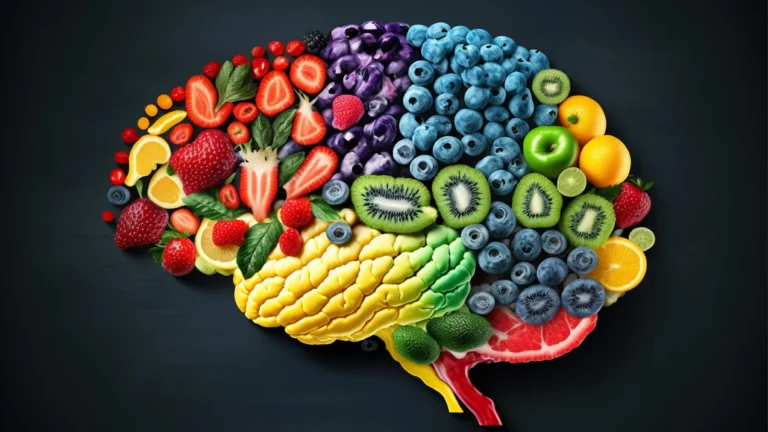
The evidence supporting the "Mediterranean Diet"—rich in whole foods, healthy fats, and fiber—as a protective factor against depression is growing. One landmark study tracking 10,000 university students found that those who strictly adhered to a Mediterranean dietary pattern showed a 40 percent reduced risk of developing depression over a four-year period.
Integrating Nutrition into Holistic Wellness
For mental health practitioners, the challenge lies in moving beyond the "silo" approach to care. We must begin to incorporate nutritional assessment into our standard intake procedures. When we collect a patient’s history, we should treat their dietary habits with the same clinical scrutiny we apply to sleep hygiene, physical exercise, or medication management.
This does not mean mental health professionals should step outside their scope of practice. Rather, it is an invitation to collaborate. By identifying how a client’s intake of refined carbohydrates or high-caffeine energy drinks may be triggering physical symptoms of anxiety (such as racing heart or tremors), we can help them connect the dots between their physical intake and their emotional output.
A Comprehensive Path Forward
When building a wellness plan, we should encourage the following steps:
- Collaborative Care: Refer clients to registered dietitians or nutritionists who specialize in the gut-brain axis.
- Symptom Mapping: Help clients identify how specific food "triggers" correlate with dips in their mood or spikes in their anxiety.
- Holistic Education: Provide resources on the importance of whole-food nutrition as a pillar of self-care, alongside therapy and medication.
Conclusion
As we look toward the future of mental health care, we must adopt a more holistic, systems-based approach. We can no longer afford to treat the mind as separate from the body. By acknowledging the profound impact of ultra-processed foods, we empower our clients to reclaim their agency. Healing is not merely about managing symptoms; it is about providing the body with the resources it needs to thrive. In a world of convenience, choosing the path of whole nutrition is a radical act of self-preservation—and one of the most effective tools we have in the fight for long-term emotional stability.
References and Further Reading
- Baldridge, A. S., et al. (2019). The Healthfulness of the US Packaged Food and Beverage Supply: A Cross-Sectional Study. Nutrients.
- Gomes Gonçalves, N., et al. (2022). Association Between Consumption of Ultraprocessed Foods and Cognitive Decline. JAMA Neurology.
- Hecht, E. M., et al. (2022). Cross-sectional examination of ultra-processed food consumption and adverse mental health symptoms. Public Health Nutrition.
- Marx, W., et al. (2020). Diet and depression: exploring the biological mechanisms of action. Molecular Psychiatry.
- McManus, K. D. (2020). What are ultra-processed foods and are they bad for our health? Harvard Health Blog.
- ZOE Podcast: How Ultra-Processed Foods Damage Your Brain. (2024). Zoe.com.