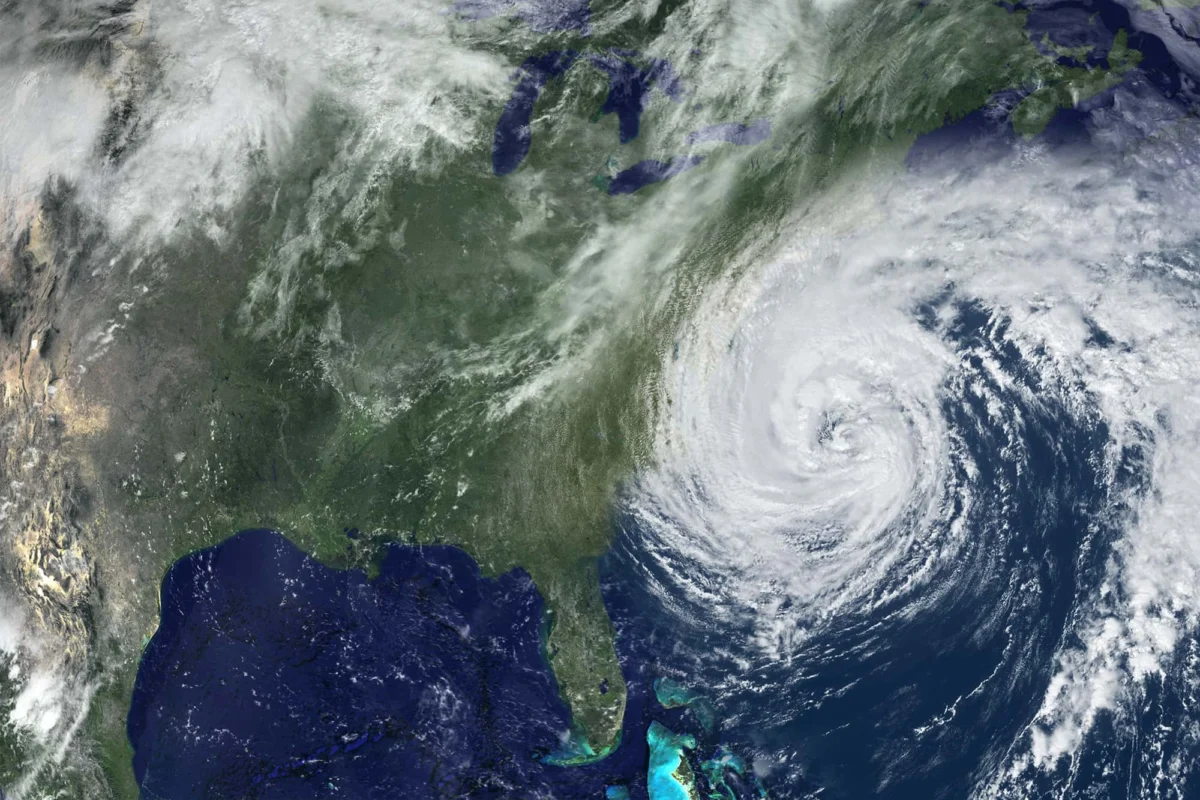
As the immediate devastation of hurricanes—the shredded roofs, downed power lines, and inundated streets—fades from the headlines, a secondary, more insidious crisis often takes hold within the walls of surviving homes. While emergency responders focus on the immediate preservation of life, a long-term threat to respiratory health persists in the shadows, fueled by moisture, decay, and the biological aftermath of floodwaters.
A groundbreaking study published in the Journal of Cleaner Production has finally quantified these invisible threats. By analyzing residential buildings in the wake of Hurricane Ida (2021) and Hurricane Ian (2022), researchers from the FAMU-FSU College of Engineering and Florida State University’s Resilient Infrastructure and Disaster Response Center have identified the specific structural and environmental triggers that turn a sanctuary into a source of chronic illness.
Main Facts: The Anatomy of a Toxic Indoor Environment
The study marks a significant shift in how disaster recovery is approached. Rather than viewing mold as a generic post-flood nuisance, the researchers have created a hierarchy of hazards that dictate the severity of respiratory symptoms among inhabitants.
The Primary Drivers of Respiratory Distress
The data indicates that three factors stand out as the most potent predictors of new-onset respiratory issues:
- Roof Age: Older, degraded roofing systems are far more likely to sustain micro-fissures during high-wind events, leading to sustained water intrusion long after the storm has passed.
- Mold Spore Prevalence: The concentration of indoor mold spores, often exacerbated by trapped moisture in porous building materials, acts as the primary irritant for respiratory pathways.
- Maximum Flood Depth: The physical height of the water intrusion correlates directly with the structural depth of contamination, impacting floorboards, insulation, and lower wall cavities where mold colonies thrive.
Secondary Influencing Factors
Beyond the structure itself, the research highlights how human behavior and home design interact with environmental stressors. Factors such as the efficiency of bathroom exhaust fans, the frequency with which residents manage light and ventilation via window blinds, and the overall airtightness of the building envelope were found to be critical in either mitigating or accelerating the growth of hazardous pathogens.
Chronology: From Landfall to Long-Term Health Surveillance
The methodology behind this research was as rigorous as it was extensive, spanning months of data collection across three distinct geographic regions: Louisiana, the Northeast United States, and Central and Southern Florida.
Phase 1: The Initial Impact (2021–2022)
The study began by selecting buildings impacted by two of the most significant weather events of the early 2020s. Hurricane Ida, which decimated parts of Louisiana before moving through the Northeast, and Hurricane Ian, which caused catastrophic flooding in South Florida, provided a diverse dataset of construction types and climate variables.
Phase 2: Data Synthesis and Environmental Modeling
The researchers employed a multi-faceted approach. They did not rely solely on self-reported symptoms. Instead, they developed a building-scale database that synthesized three distinct data streams:
- Field Surveys: Direct interaction with residents to document health symptoms and occupancy habits.
- Environmental Sampling: Lab-grade analysis of indoor versus outdoor mold spore counts.
- Hydrodynamic Modeling: Sophisticated flood modeling to determine the exact extent of water intrusion for every property surveyed.
Phase 3: The Five-Month Window
Recognizing that mold-related respiratory conditions do not always manifest instantly, the team waited five to seven months post-storm to conduct their health surveys. This window was crucial; it allowed the researchers to capture the "delayed" health impact that often evades initial post-disaster assessments.
Supporting Data: Understanding the Invisible Threat
The research underscores a reality that public health officials have long suspected but rarely quantified: the "indirect" effects of flooding are a public health crisis in their own right. By correlating building properties with biological data, the team demonstrated how specific construction flaws act as catalysts for mold proliferation.
The Role of "Nuisance" Flooding
One of the most profound revelations of the study is that the severity of the storm is not the only indicator of risk. Even "nuisance flooding"—water intrusion that does not cause structural collapse or immediate life-safety hazards—can create the perfect conditions for microbial growth. This suggests that thousands of homes currently categorized as "minimally damaged" may, in fact, be harboring hazardous air quality.
Building Airtightness: A Double-Edged Sword
The study found that building airtightness, a feature often promoted for energy efficiency, can become a liability in a flood-prone environment. In a "tight" home, moisture that enters during a flood event is often trapped behind drywall and insulation, with no path for evaporation. This creates a "culture dish" effect, where mold colonies can grow undetected in the wall cavities, shielded from the very ventilation that might otherwise have inhibited their spread.
Official Responses and Strategic Implications
The researchers behind the study, including Ebrahim Ahmadisharaf and Yassir AbdelRazig, have been clear about the ultimate goal of their work: to transform disaster recovery from a reactive process to a proactive, data-driven intervention strategy.
Rethinking Resource Allocation
"We pay a lot of attention to direct impacts immediately after storms, but hazardous conditions can linger after floodwaters recede," noted Ebrahim Ahmadisharaf in a recent press statement. "The respiratory health impacts are indirect and may emerge gradually. By pinpointing which factors are most harmful, we can tell stakeholders exactly where intervention can do the most good."
This is particularly relevant for insurance companies and emergency management agencies, which often operate with limited budgets. By focusing remediation efforts on the specific structural weaknesses identified in the study—such as prioritizing the repair of older roofs and optimizing ventilation systems—agencies can achieve a greater reduction in public health risk with fewer resources.
Guidelines for Homeowners
For the average resident, the implications are equally practical. The study provides a blueprint for what to look for after a flood:
- Mechanical Intervention: Don’t just dry the floors; ensure exhaust ventilation systems are functioning to pull moisture out of the home.
- Light and Air: Increasing airflow and light exposure (by keeping blinds open) is a simple, low-cost intervention that inhibits mold growth.
- The "Hidden" Damage: Homeowners should not assume that a lack of visible mold equates to safety. The study suggests that air quality testing is an essential, yet frequently overlooked, step in the post-storm recovery process.
Future Directions: Towards a Predictive Model
While this study provides a vital framework, the researchers are already looking toward the next phase of the project. The team envisions expanding their sample size to include a broader array of building types and climate zones, ensuring that their findings can be applied globally.
The "Control Building" Concept
One of the most ambitious proposals from the team is the development of a project utilizing a "control building" without residents. This would allow researchers to track the exact progression of water intrusion and mold development in real-time, undisturbed by human activity. Such a study would provide the "gold standard" for understanding how building materials age and fail under the pressure of repeated moisture exposure.
Implications for Urban Planning
Beyond individual homes, the research has significant implications for urban planners and building code developers. If certain building materials or design choices consistently lead to higher mold prevalence after flooding, then the solution may lie in updated building codes. By mandating materials that are more resistant to moisture, or requiring specific ventilation standards in flood-prone zones, cities could fundamentally change the long-term health trajectory of their populations after a disaster.
In conclusion, the study from the FAMU-FSU College of Engineering serves as a wake-up call. It shifts the narrative of post-flood recovery from one of structural repair to one of health preservation. As climate change continues to increase the frequency and intensity of hurricanes, the ability to identify, mitigate, and prevent the "invisible" respiratory risks within our homes will become a cornerstone of public health policy. The data is clear: the damage from a storm does not end when the sun comes out; it only changes shape, and the time to intervene is before the first cough begins.