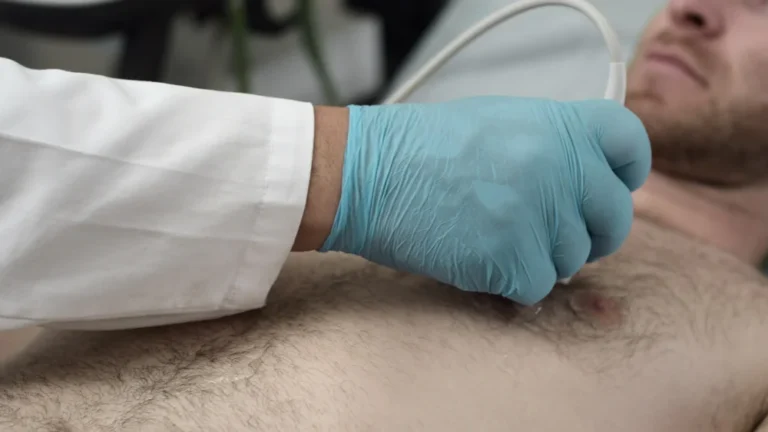












New research suggests that nearly 10% of patients hospitalized with pneumonia in certain regions test positive for Coccidioides, though many cases remain undiagnosed.
In the arid landscapes of the American Southwest, a silent, fungal pathogen is exacting a significant toll on public health. Coccidioides, the microscopic fungus responsible for coccidioidomycosis—commonly known as Valley Fever—has long been recognized as a regional concern. However, recent findings from the Mayo Clinic, published in Open Forum Infectious Diseases, indicate that the burden of this disease is far greater than previously estimated. The study suggests that Coccidioides is the most frequently identified cause of community-acquired pneumonia (CAP) among hospitalized adults in endemic regions, a revelation that challenges current clinical diagnostic protocols and highlights a significant gap in patient care.
The Core Findings: A Paradigm Shift in Pneumonia Diagnostics
The investigation, which analyzed 1,141 patients hospitalized for pneumonia at a tertiary care center in Maricopa County, Arizona, between November 2024 and October 2025, provides a sobering snapshot of the prevalence of fungal respiratory illness. While standard medical practice often focuses on bacterial and viral pathogens as the primary suspects for pneumonia, the Mayo Clinic team discovered that 9.8% of patients tested for Valley Fever returned positive results.
This figure is striking not only for its magnitude but for what it implies about the patients who were not tested. While the study facility maintained a robust testing rate of 75.8%, a significant portion of the patient population remained unexamined for fungal etiology. Based on their findings, researchers estimated that an additional 25 to 30 cases were likely missed within the study cohort alone. If these findings hold true across other healthcare facilities in endemic zones, it suggests that thousands of patients are currently being treated for bacterial pneumonia while harboring an underlying fungal infection that may require different therapeutic approaches.
Chronology of Discovery: From Regional Nuisance to Clinical Priority
The history of Coccidioides research is marked by a transition from observing the disease as a "dust-borne" curiosity to understanding it as a major public health challenge.
- Early 20th Century: Valley Fever was first described in the San Joaquin Valley of California. For decades, it was considered a specialty interest for infectious disease experts in the Southwest.
- Late 20th to Early 21st Century: As populations in Arizona, California, and New Mexico surged, the intersection of human development and soil disruption—where the fungal spores reside—led to an increase in reported cases. The CDC began tracking outbreaks, noting between 10,000 and 20,000 cases annually.
- The 2024–2025 Study Window: The Mayo Clinic’s recent audit captures a critical moment where electronic health record (EHR) integration and increased clinical awareness allowed for a more granular look at the correlation between CAP and Coccidioides.
- Present Day: The medical community is now grappling with the realization that the official incidence counts are likely 10 to 18 times lower than the actual disease burden, primarily due to the diagnostic "blind spot" in standard pneumonia workups.
Supporting Data: Clinical Predictors and Diagnostic Nuance
The Mayo Clinic study did not merely count cases; it parsed the data to determine which clinical markers should trigger a test for Valley Fever. The results offer a clear roadmap for clinicians operating in endemic regions.
The Diagnostic Trigger
Clinicians were significantly more likely to order a Coccidioides test when a patient presented with a classic triad of symptoms: fever, debilitating fatigue, and radiographic findings that deviated from typical bacterial pneumonia presentations. However, the researchers found that these "standard" triggers were not always the most predictive of a positive result.
The "Hidden" Symptoms
Data revealed that patients who specifically reported night sweats, unexplained rashes, or persistent, severe headaches were statistically more likely to test positive for the fungus. Furthermore, the researchers highlighted a vital laboratory marker: elevated median eosinophil counts. When compared to non-coccidioidal pneumonia, those with Valley Fever exhibited higher levels of these specific white blood cells, a subtle clue that is often overlooked in busy emergency departments.
The Challenge of Co-Infection
Perhaps the most complex finding is that Valley Fever does not exist in a vacuum. One-third of the patients who tested positive for Coccidioides were also battling a secondary bacterial or viral pathogen, such as Staphylococcus aureus or SARS-CoV-2. This "co-infection" reality is a dangerous diagnostic trap; when a clinician finds a virus or bacterium, they often feel they have identified the "culprit" and cease further investigation, inadvertently leaving the fungal infection untreated.
Official Responses and Clinical Implications
The public health community has taken note of these findings, with many experts echoing the study’s call for universal testing.
The Efficiency Argument
One of the most compelling arguments for universal testing is not just clinical outcome, but hospital efficiency. The study found that when Coccidioides was identified early, the patient’s length of stay (LOS) was significantly shorter than those who were misdiagnosed or diagnosed late.
"A shorter length of stay could be an institutional incentive to test all patients with CAP for coccidioidal infection," the study authors wrote. By initiating targeted antifungal therapy earlier, hospitals can avoid the prolonged, ineffective use of broad-spectrum antibiotics, thereby reducing the risk of antibiotic resistance and improving patient turnover.
The Call for Universal Screening
In outpatient and urgent care settings, testing rates for Coccidioides have historically been dismal, ranging from as low as 2% to 21.5%. The Mayo Clinic’s 75.8% testing rate, while high, is still viewed as insufficient by the researchers, who argue that the stakes are too high to rely on clinical suspicion alone. Given the high probability of co-infection and the difficulty of clinical diagnosis, universal screening for all pneumonia admissions in endemic areas is now being proposed as the new standard of care.
Limitations and Future Research
Despite the significance of the findings, the researchers were quick to acknowledge the limitations of their work. The study was conducted at a single tertiary care center, which may attract a higher-acuity patient population than the average community hospital. Additionally, the cohort was predominantly White, meaning the findings may not fully capture how the disease manifests or is diagnosed across diverse ethnic and socioeconomic backgrounds.
Because the study was observational, it could not definitively prove that testing caused the reduced length of stay, though the correlation remains strong. Further, randomized controlled trials are needed to determine if universal screening programs are cost-effective when scaled across different hospital systems.
Conclusion: Bridging the Diagnostic Gap
The research from the Mayo Clinic serves as a wake-up call for healthcare systems in the American Southwest. Valley Fever is no longer a peripheral concern to be considered only after other illnesses are ruled out. As the most common cause of hospitalized CAP in these regions, it demands a proactive approach.
The path forward requires a two-pronged strategy: improved education for frontline clinicians regarding the specific markers of Coccidioides—such as elevated eosinophil counts and night sweats—and the implementation of systemic testing protocols that prioritize early identification. By acknowledging that a positive viral or bacterial test does not rule out a fungal infection, the medical community can move closer to treating the "whole" patient.
As climate change and land-use patterns continue to shift, the geographical reach of Coccidioides may expand, making the lessons learned in Maricopa County vital for hospitals far beyond the current endemic borders. Improving diagnostic speed is not just an administrative efficiency goal; it is a clinical necessity that promises to reduce the morbidity and mortality associated with one of the most frequently missed infections in modern medicine.
Reference:
- Mayo Clinic Study on Coccidioidomycosis and Community-Acquired Pneumonia. Published in Open Forum Infectious Diseases, 2025. (Data reflects findings from the 1,141-patient cohort study in Maricopa County).