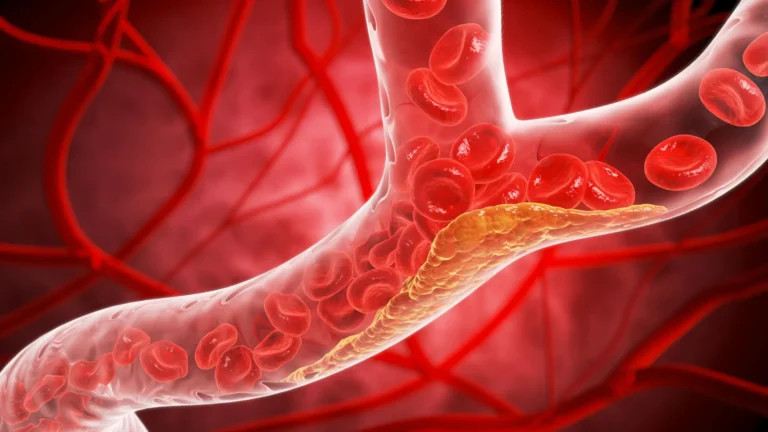












In an era where synthetic polymers have become an inextricable part of the global ecosystem, a troubling new discovery suggests that the plastic we consume may be settling in our arteries with life-altering consequences. A groundbreaking research study led by the University of California, Riverside (UCR), has unveiled that routine exposure to microplastics—microscopic fragments shed by everything from food packaging and synthetic fabrics to common consumer goods—significantly accelerates the progression of atherosclerosis. This artery-narrowing condition is a leading precursor to heart attacks and strokes, and the UCR study marks a critical milestone in our understanding of how these pervasive pollutants interact with human biology.
The findings, published in the journal Environment International, reveal a stark, sex-specific disparity: while male subjects experienced a dramatic surge in arterial plaque formation, female subjects appeared largely shielded from these immediate effects. This divergence provides a new focal point for cardiovascular research, hinting that hormonal or genetic factors may serve as a protective barrier against the silent infiltration of plastic particles.
The Ubiquity of Plastic: A Modern Health Crisis
Microplastics—defined as plastic particles smaller than five millimeters—have infiltrated every corner of the Earth. They have been detected in the highest reaches of the atmosphere, the deepest ocean trenches, and, most alarmingly, within the human body itself. Whether inhaled through the air or ingested via contaminated water and food, these particles are now an unavoidable reality of 21st-century life.
Recent clinical observations have previously identified the presence of microplastics within human atherosclerotic plaques. While these studies established a correlation between the presence of particles and cardiovascular risk, they lacked the causal evidence necessary to confirm that microplastics were the direct culprits behind arterial injury. The UCR study, led by Professor Changcheng Zhou of the UCR School of Medicine, moves beyond mere association, offering some of the most compelling evidence to date that microplastics are not merely bystanders, but active participants in the development of heart disease.
Study Design: Modeling the Cardiovascular Impact
To isolate the effects of microplastic exposure, the research team employed a rigorous experimental model using LDLR-deficient mice—a standard laboratory model for studying atherosclerosis. By utilizing mice that are genetically predisposed to develop plaque, researchers were able to observe how microplastics interact with an already vulnerable cardiovascular system.
The study design was meticulously controlled. Both male and female mice were placed on a low-fat, low-cholesterol diet, mimicking the intake of a health-conscious human. For nine weeks, the subjects were administered a daily dose of 10 milligrams of microplastics per kilogram of body weight. The researchers selected this dosage specifically because it reflects the realistic levels of exposure a human might encounter through contaminated water and food supplies, ensuring that the results were relevant to public health rather than purely theoretical.
The Data: A Dramatic Surge in Arterial Plaque
The results of the study were both striking and unsettling. In male mice, the impact of microplastic exposure was profound. These subjects developed 63% more plaque in the aortic root—the critical segment of the aorta directly connected to the heart—and a staggering 624% more plaque in the brachiocephalic artery, a major vessel that branches from the aorta in the upper chest.
Perhaps most importantly, the researchers confirmed that these arterial changes were not secondary to lifestyle-related factors. The mice did not exhibit weight gain, nor did they show any changes in their lipid profiles or cholesterol levels. Because the subjects remained lean and metabolically stable, the study concludes that traditional risk factors like obesity do not account for the arterial damage. Instead, the microplastics themselves appear to be the primary driver of the increased disease severity.
Cellular Sabotage: How Plastic Damages Arteries
To understand how these plastic particles inflict such damage, the research team utilized single-cell RNA sequencing, a sophisticated technique that allows scientists to analyze gene activity in individual cells. This deep dive into the cellular machinery revealed that microplastics act as a disruptor of the vascular lining.
"We found endothelial cells were the most affected by microplastic exposure," explains Professor Zhou. Endothelial cells serve as the "gatekeepers" of the blood vessels; they regulate inflammation, blood flow, and the integrity of the vessel walls. When these cells are compromised, the body’s natural defense against plaque formation fails, triggering an inflammatory response that leads directly to the development of atherosclerotic lesions.
The researchers identified that fluorescently tagged microplastics had migrated into the arterial walls, concentrating within the endothelial layer. Once there, the particles activated harmful gene pathways—specifically those associated with pro-atherogenic (plaque-promoting) activity. These same pathways were found to be activated in human cells, suggesting that the biological mechanism observed in mice is likely a universal response that spans across species.
The "Sex-Specific" Paradox
One of the most intriguing aspects of the study is the resilience shown by female mice, which exhibited no significant plaque progression despite identical exposure to the microplastics. This finding echoes a broader, well-documented trend in cardiovascular research, where males and females often show vastly different responses to disease-causing agents.
While the exact mechanism behind this protection remains a subject of ongoing investigation, Professor Zhou points to the role of biological sex. "Although the precise mechanism isn’t yet known, factors like sex chromosomes and hormones, particularly the protective effects of estrogen, may play a role," Zhou suggests.
This gender-based gap offers a roadmap for future research. By comparing the cellular responses of male and female subjects, researchers hope to identify specific biological "shielding" mechanisms that could, in the future, inform treatments for both men and women.
Implications and Public Health Strategy
The implications of this study are profound, particularly as global plastic pollution continues to rise. For the general public, the news is a call for increased caution regarding consumption habits. While it is currently impossible to remove microplastics from the human body, Professor Zhou emphasizes that proactive risk management is the most effective current defense.
"The best strategy is to reduce exposure by limiting plastic use in food and water containers, reducing single-use plastics, and avoiding highly-processed foods," Zhou advises. Furthermore, because microplastics exacerbate existing cardiovascular vulnerabilities, maintaining general heart health through a balanced diet, consistent exercise, and the management of traditional risk factors like blood pressure and inflammation remains more essential than ever.
Looking Ahead: The Path Toward Understanding
This research, supported in part by the National Institutes of Health, represents a collaborative effort between the University of California, Riverside, Boston Children’s Hospital, Harvard Medical School, and the University of New Mexico Health Sciences. However, the team stresses that this is only the beginning of a larger investigation.
Future research will focus on several critical questions:
- Size and Type: Do specific types or sizes of microplastics pose a greater threat than others?
- Molecular Mechanisms: What is the precise signaling pathway that causes endothelial dysfunction?
- Human Trials: How do these findings translate to the human cardiovascular system?
As the global community grapples with the environmental crisis of plastic pollution, the work of Professor Zhou and his colleagues provides a necessary wake-up call. By shifting the conversation from the environmental impact of plastic to the direct biological impact on human arteries, this study underscores the urgent need for systemic changes in how we produce, use, and dispose of synthetic materials. As we continue to uncover the hidden costs of our convenience-driven culture, the health of our hearts may depend on our ability to turn the tide on plastic exposure.