









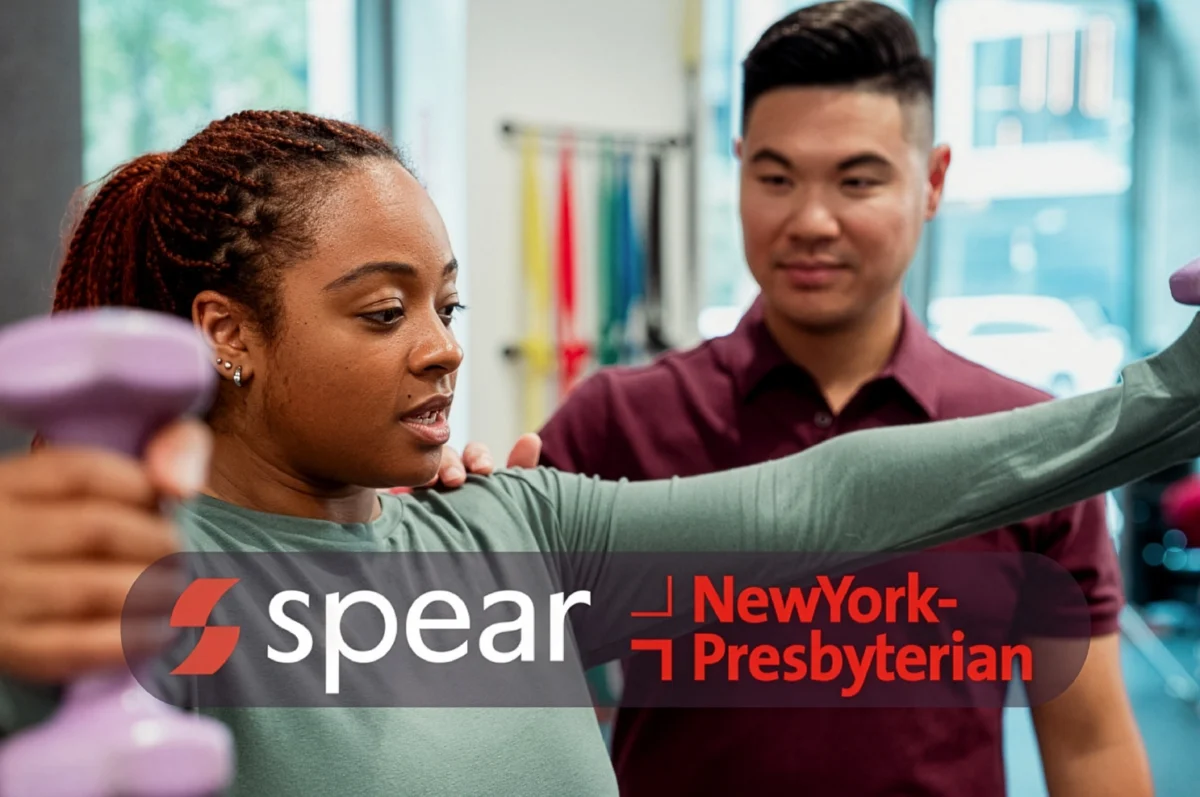
NEW YORK, NY – In a significant move set to redefine access to essential rehabilitation services across the New York metropolitan area, Spear, a leading provider of outpatient physical and occupational therapy, has announced a landmark collaboration with NewYork-Presbyterian, one of the nation’s most comprehensive academic healthcare systems. This strategic partnership is poised to dramatically expand the availability of high-quality outpatient rehabilitation, with plans to open nine new state-of-the-art locations across New York City and Westchester in 2026. The initiative represents a concerted effort to enhance continuity of care, bring specialized expertise closer to patients, and create a more seamless healthcare journey for individuals recovering from injury, surgery, or managing chronic conditions.
The collaboration aims to integrate Spear’s renowned outpatient rehabilitation capabilities with NewYork-Presbyterian’s extensive network of specialty care, drawing upon the clinical leadership and research prowess of its affiliated medical schools, Columbia University Vagelos College of Physicians and Surgeons and Weill Cornell Medicine. This synergistic approach promises a more coordinated and effective model for musculoskeletal care, ultimately improving patient outcomes, efficiency, and overall value in healthcare delivery.
Main Facts: A New Era for Rehabilitation Accessibility
The core of this transformative alliance is the commitment to vastly improve access to outpatient physical and occupational therapy services. Spear, recognized for its patient-centric approach and award-winning expertise in rehabilitation, will join forces with NewYork-Presbyterian, a healthcare titan known for its comprehensive, cutting-edge medical care. The immediate tangible outcome of this partnership will be the establishment of nine new rehabilitation centers strategically located throughout key boroughs of New York City and Westchester County.
Scheduled to commence operations in 2026, these new facilities are designed to address a critical need for accessible, high-quality rehabilitative care closer to where patients reside and work. By situating these centers within communities, the collaboration seeks to minimize geographical barriers, reduce travel burden, and ultimately encourage greater adherence to prescribed therapy regimens – factors proven to significantly impact recovery success.
A cornerstone of this partnership is the explicit goal of enhancing the continuity of care. Patients often face fragmented experiences when transitioning from acute hospital care to outpatient rehabilitation, or when navigating different providers for various stages of recovery. This collaboration seeks to mitigate such challenges by creating a more integrated system. Spear’s specialized outpatient expertise will be harmoniously combined with guidance from NewYork-Presbyterian’s leading clinical experts, fostering a unified approach to patient management from initial diagnosis through long-term recovery. This integrated model promises a cohesive treatment philosophy, streamlined communication between providers, and a consistent standard of excellence for patients navigating complex health journeys.
The specific locations for these nine new centers will span across:
- Queens
- Manhattan
- Brooklyn
- Westchester
While the precise addresses of the new facilities are pending further announcement, their distribution across these key regions underscores a commitment to broad community reach and strategic placement within densely populated areas and growing suburban communities.
A Collaborative Vision for Enhanced Rehabilitation
The partnership between Spear and NewYork-Presbyterian transcends a mere expansion of physical locations; it embodies a shared philosophy centered on patient well-being and clinical excellence. Both organizations bring distinct yet complementary strengths to the table, creating a formidable force in the rehabilitation landscape.
Bridging Gaps in Patient Care
One of the most profound impacts of this collaboration is its potential to bridge existing gaps in patient care, particularly concerning the continuum from acute treatment to sustained recovery. Traditionally, patients discharged from hospitals or referred by specialists often face the challenge of finding appropriate, high-quality outpatient rehabilitation services that are both convenient and integrated with their primary medical care. This can lead to delays in starting therapy, inconsistent treatment approaches, or even patients prematurely abandoning their rehabilitation programs.
By creating a more connected experience, the Spear-NewYork-Presbyterian alliance aims to mitigate these issues. Imagine a patient undergoing orthopedic surgery at a NewYork-Presbyterian facility, then seamlessly transitioning to a Spear rehabilitation center, where their post-operative care plan is already known and integrated into their therapy regimen. This level of coordination, facilitated by shared clinical pathways and potentially integrated electronic health records, ensures that patients receive the "right care at the right time," as articulated by Spear CEO Dan Rootenberg. Such an integrated system can lead to more efficient recovery processes, reduced risk of complications, and improved long-term functional outcomes. The unified approach to musculoskeletal care, a direct benefit of combining Spear’s specialized outpatient focus with NYP’s comprehensive clinical network, promises a significant upgrade in the patient experience.
Strategic Locations for Community Impact
The decision to open nine new locations across specific areas of New York City and Westchester is a deliberate strategy to maximize community impact. New York City, with its vast and diverse population, presents unique challenges and opportunities for healthcare access. By placing facilities in Queens, Manhattan, and Brooklyn, the partnership ensures that densely populated urban neighborhoods gain easier access to specialized rehabilitation. Similarly, expanding into Westchester addresses the needs of a growing suburban population, providing convenience for residents who might otherwise face lengthy commutes to receive care.
The emphasis on proximity to patients’ homes and workplaces is not merely about convenience; it is a critical determinant of adherence to therapy. Patients are more likely to attend regular sessions and complete their full course of treatment if the facility is easily accessible. This strategic geographical expansion, therefore, directly contributes to better patient compliance and, consequently, superior rehabilitation outcomes. While specific addresses are yet to be disclosed, the commitment to these key regions underscores a patient-centric planning approach focused on overcoming practical barriers to care.
The Chronology of Partnership and Planning
The announcement of such a substantial collaboration, with a target launch year of 2026, implies a meticulous and extensive planning phase that has likely been underway for a considerable period. Partnerships of this magnitude typically evolve from initial exploratory discussions, often spurred by shared strategic goals and an identified need within the healthcare landscape.
The timeline suggests that both Spear and NewYork-Presbyterian have engaged in comprehensive due diligence, including market analysis, assessment of existing rehabilitation services, identification of underserved areas, and detailed financial and operational modeling. The two-year lead time until 2026 allows for critical preparatory steps:
- Site Selection and Development: Identifying and securing suitable real estate for nine new facilities, followed by design, construction, and outfitting to meet clinical and patient needs.
- Regulatory Approvals: Navigating the complex web of healthcare regulations, licensing, and certifications required for new medical facilities in New York State.
- Staffing and Training: Recruiting and training a significant number of physical therapists, occupational therapists, administrative staff, and support personnel. This includes developing joint training programs to ensure a consistent standard of care and adherence to shared clinical protocols.
- Clinical Pathway Integration: Developing and standardizing integrated clinical pathways and protocols that effectively merge Spear’s outpatient expertise with NewYork-Presbyterian’s medical guidelines, ensuring seamless transitions and coordinated care.
- Technology and Systems Integration: Planning for potential integration of electronic health records (EHRs) and other IT systems to facilitate information sharing, referrals, and patient management across both organizations.
Such a phased approach underscores the complexity and strategic importance of this alliance, reflecting a commitment to a well-executed launch that maximizes the benefits for patients and communities. This collaboration is not an overnight decision but the culmination of a deliberate effort to align two powerful entities towards a common goal of advancing rehabilitation care.
Supporting Data and Industry Context
The expansion of outpatient rehabilitation services by Spear and NewYork-Presbyterian arrives at a crucial juncture for healthcare, driven by compelling demographic and epidemiological trends that underscore the growing need for such specialized care.
The Growing Need for Rehabilitation Services
The demand for physical and occupational therapy is on a steady upward trajectory, fueled by several interconnected factors:
- Aging Population: As the Baby Boomer generation continues to age, the incidence of age-related conditions such as osteoarthritis, osteoporosis, falls, and neurological disorders (e.g., stroke, Parkinson’s disease) increases, all of which benefit significantly from rehabilitation.
- Rise in Chronic Conditions: The prevalence of chronic diseases like diabetes, heart disease, and obesity often leads to musculoskeletal complications, nerve damage, or reduced mobility, requiring therapeutic intervention.
- Advances in Medical Technology: Improved surgical techniques for conditions like joint replacements, spinal surgeries, and cardiac procedures mean more patients are surviving and requiring post-operative rehabilitation to regain function.
- Sports and Activity-Related Injuries: A population increasingly engaged in sports and fitness activities, regardless of age, contributes to a consistent need for therapy for acute injuries and preventative care.
- Emphasis on Preventative Care and Wellness: There is a growing recognition of the role of physical and occupational therapy in preventing injuries, managing pain non-pharmacologically, and promoting overall wellness, reducing the need for more invasive interventions down the line.
Musculoskeletal conditions alone represent a significant economic burden globally, affecting millions and leading to substantial healthcare costs and lost productivity. Effective, early rehabilitation can dramatically mitigate this burden by improving functional independence, reducing pain, and preventing long-term disability. Furthermore, robust outpatient rehabilitation services are instrumental in reducing hospital readmissions, particularly for conditions like joint replacements or cardiac events, by ensuring patients continue their recovery safely and effectively in a community setting.
Spear’s Established Expertise
Spear has cultivated a strong reputation as an "award-winning outpatient expert" in the New York metropolitan area. Their success is rooted in a patient-centric philosophy that emphasizes individualized treatment plans, evidence-based practices, and a commitment to achieving measurable outcomes. Spear typically offers a comprehensive suite of services, including:
- Physical Therapy: For orthopedic injuries, post-surgical recovery, sports medicine, pain management, and neurological conditions.
- Occupational Therapy: Focused on improving daily living activities, fine motor skills, and adapting environments for individuals with physical or cognitive challenges.
- Hand Therapy: Specialized treatment for conditions affecting the hand, wrist, and elbow.
- Pre- and Post-Operative Rehabilitation: Guiding patients through recovery phases to optimize surgical outcomes.
- Concussion Rehabilitation: Tailored programs for individuals recovering from mild traumatic brain injury.
Dan Rootenberg’s remark about being a "lifelong New Yorker raised in Brooklyn" hints at Spear’s deep roots and understanding of the local community’s healthcare needs. This intrinsic connection to New York City and its residents has likely been a key factor in their ability to deliver localized, effective care and build a strong, trusted brand. Their proven track record in outpatient settings makes them an ideal partner for a large healthcare system looking to extend its reach and enhance specialized services.
NewYork-Presbyterian’s Comprehensive Healthcare Ecosystem
NewYork-Presbyterian stands as one of the nation’s most distinguished academic medical centers, providing a vast spectrum of healthcare services from primary care to highly specialized tertiary and quaternary care. Its extensive network includes multiple hospital campuses, a wide array of outpatient clinics, and a robust research infrastructure. A critical component of its leadership in healthcare is its affiliation with two world-renowned medical schools:
- Columbia University Vagelos College of Physicians and Surgeons: A historic institution known for its groundbreaking research and medical education.
- Weill Cornell Medicine: Another preeminent medical college with a strong tradition of scientific discovery and patient care.
These affiliations are not merely symbolic; they are foundational to NewYork-Presbyterian’s commitment to delivering cutting-edge, evidence-based care. The presence of leading clinicians, researchers, and educators within its ecosystem ensures that patient care is informed by the latest scientific advancements and best practices. For the collaboration with Spear, this academic linkage provides several advantages:
- Clinical Guidance: NYP’s clinical experts can provide invaluable guidance in developing standardized protocols and best practices for the new rehabilitation centers.
- Research Integration: Opportunities for collaborative research into rehabilitation outcomes, new therapeutic techniques, and patient pathways.
- Advanced Training: Potential for shared educational initiatives, residency programs, and continuing professional development for therapists, elevating the standard of care across both organizations.
This comprehensive ecosystem ensures that patients not only receive expert rehabilitation but also have seamless access to any other specialized medical care they may require, truly embodying a holistic approach to health.
Official Responses and Shared Commitment
The leadership of both Spear and NewYork-Presbyterian have articulated a clear, unified vision for this collaboration, emphasizing patient accessibility, coordinated care, and improved outcomes. Their statements highlight a shared commitment to addressing critical healthcare needs in the New York metropolitan area.
Spear’s Vision for Community Integration
Dan Rootenberg, CEO and co-founder of Spear, expressed profound enthusiasm for the partnership, underscoring its potential to profoundly impact New York communities. "By combining Spear’s award-winning outpatient expertise with NewYork-Presbyterian’s leading experts and comprehensive care, we can better align clinical pathways, expand access to exceptional care, and help more New Yorkers get the right care at the right time," Rootenberg stated. This quote encapsulates Spear’s long-standing philosophy: delivering timely, effective care that is precisely tailored to patient needs.
Rootenberg’s personal connection to the city ("As a lifelong New Yorker raised in Brooklyn") adds a layer of genuine commitment to the initiative. This sentiment reflects a deep understanding of the local landscape and a desire to serve the community where he grew up. He emphasized that the collaboration allows Spear to "reach more communities earlier and more conveniently, improving value, efficiency, and outcomes." This speaks to the proactive nature of the partnership – not just expanding services, but optimizing the entire rehabilitation process to deliver tangible benefits in terms of cost-effectiveness, streamlined care, and ultimately, better health results for patients. It reinforces the idea that accessible, well-coordinated outpatient care is not just a convenience, but a crucial driver of overall healthcare value.
NewYork-Presbyterian’s Focus on Accessible and Coordinated Care
Dr. Deepa Kumaraiah, executive vice president and chief operating officer at NewYork-Presbyterian, echoed Rootenberg’s sentiments, highlighting the shared values that underpin the alliance. "NewYork-Presbyterian and Spear share a commitment to delivering exceptional care that is accessible and convenient for patients," Dr. Kumaraiah affirmed. This statement reinforces NYP’s strategic objective to extend its renowned care beyond its hospital walls and into the communities it serves, making high-quality healthcare more attainable for everyone.
Dr. Kumaraiah further emphasized the practical benefits for patients: "By expanding access to physical and occupational therapy across New York City and Westchester, we can help more patients receive coordinated rehabilitation services closer to home and support them throughout their recovery." This reflects a patient-centric view, acknowledging that the physical and emotional journey of recovery is often long and challenging. By providing services closer to home, the partnership aims to reduce logistical burdens, making it easier for patients to commit to and complete their therapy, thereby fostering sustained recovery and long-term well-being. The focus on "coordinated rehabilitation services" is key, indicating a move away from fragmented care towards a more holistic and integrated approach that supports patients every step of the way.
Broader Implications and Future Outlook
The collaboration between Spear and NewYork-Presbyterian carries significant implications, not only for the immediate beneficiaries in New York City and Westchester but also for the broader landscape of integrated healthcare delivery. This partnership could serve as a model for how specialized outpatient providers and large academic medical centers can effectively join forces to enhance patient care.
Impact on Patients and Healthcare Delivery
The most direct and immediate beneficiaries of this alliance will be patients requiring physical and occupational therapy. For them, the implications are profound:
- Reduced Travel Burden: With nine new locations strategically placed, patients will have easier access to therapy, minimizing travel time and associated costs, which can be a significant barrier to adherence.
- Seamless Transitions: The goal of enhanced continuity of care means smoother transitions from hospital discharge to outpatient therapy, with potentially integrated medical records and consistent treatment philosophies. This reduces the stress and confusion often associated with navigating multiple healthcare providers.
- Consistent Quality of Care: The blending of Spear’s expertise with NYP’s clinical guidance promises a consistently high standard of evidence-based care across all locations.
- Improved Outcomes: By making therapy more accessible and coordinated, patients are more likely to complete their full course of treatment, leading to better long-term functional recovery, reduced pain, and improved quality of life.
- Holistic Support: The strengthened connections between outpatient rehabilitation and NewYork-Presbyterian’s extensive network of specialty care ensures that patients’ broader health needs are addressed, creating a truly holistic care journey.
This model has the potential to transform the existing rehabilitation landscape in the region, setting a new benchmark for integrated, patient-centered care.
Opportunities for Clinical Excellence and Education
Beyond direct patient care, the collaboration is explicitly designed to foster "clinical education and professional development initiatives." This aspect holds significant promise for advancing rehabilitation science and practice:
- Joint Training Programs: Developing shared curricula and training opportunities for therapists from both organizations, promoting cross-pollination of best practices and specialized knowledge.
- Research Collaborations: Leveraging the academic affiliations with Columbia and Weill Cornell Medicine, the partnership could facilitate research into innovative rehabilitation techniques, outcome measures, and service delivery models.
- Professional Development: Offering workshops, seminars, and mentorship programs for therapists, ensuring they remain at the forefront of their respective fields.
- Workforce Development: Attracting and retaining top talent in physical and occupational therapy by offering robust professional growth opportunities within a leading academic healthcare system.
These initiatives will not only elevate the skills and knowledge base of the rehabilitation workforce but also contribute to the broader body of knowledge in the field, ultimately benefiting patients through enhanced, evidence-based care.
A Model for Integrated Care
The Spear-NewYork-Presbyterian partnership positions itself as a forward-thinking model for integrated healthcare delivery. In an era where healthcare systems are increasingly seeking to provide value-based care and manage populations health, such collaborations are crucial. By effectively integrating specialized outpatient services into a comprehensive healthcare network, the alliance demonstrates a commitment to:
- Value-Based Care: Delivering high-quality outcomes at an optimized cost by preventing complications, reducing readmissions, and promoting efficient recovery.
- Population Health Management: Proactively addressing the rehabilitation needs of a large population, from preventative care to post-acute recovery.
- Patient-Centered Design: Structuring services around the patient’s convenience and needs, rather than institutional silos.
This strategic alignment could influence other healthcare systems to explore similar partnerships, recognizing the immense benefits of combining specialized expertise with broad healthcare infrastructure. The long-term vision is to create a comprehensive health network that not only treats illness but also actively supports recovery, prevents disability, and promotes overall well-being across the entire continuum of care. This collaboration marks a significant step towards that future, promising a brighter, healthier outlook for New Yorkers.
To learn more about Spear and this innovative collaboration, visit spearcenter.com.