











WASHINGTON — A critical, first-of-its-kind federal initiative designed to map the sources of "forever chemical" pollution has effectively vanished into the machinery of the White House. According to former Environmental Protection Agency (EPA) officials, the Trump administration has stalled a nationwide study that would have provided regulators with the granular data necessary to identify which industries are discharging PFAS (per- and polyfluoroalkyl substances) into the nation’s wastewater treatment infrastructure.
The survey, which was submitted to the White House Office of Management and Budget (OMB) in October 2024, remains in bureaucratic limbo. With the review process now stretching nearly two years past the typical 60-day window for such approvals, public health experts and environmental advocates are raising alarms that the administration is prioritizing industrial interests over the urgent need to address one of the most pervasive public health threats of the 21st century.
The Anatomy of a Regulatory Paradox
The delay has created what experts describe as a “logical paradox” within the current administration’s environmental policy. While the Trump administration has publicly pledged to combat PFAS contamination, it has simultaneously criticized previous EPA efforts to regulate these substances, specifically citing a lack of comprehensive, national-level data.
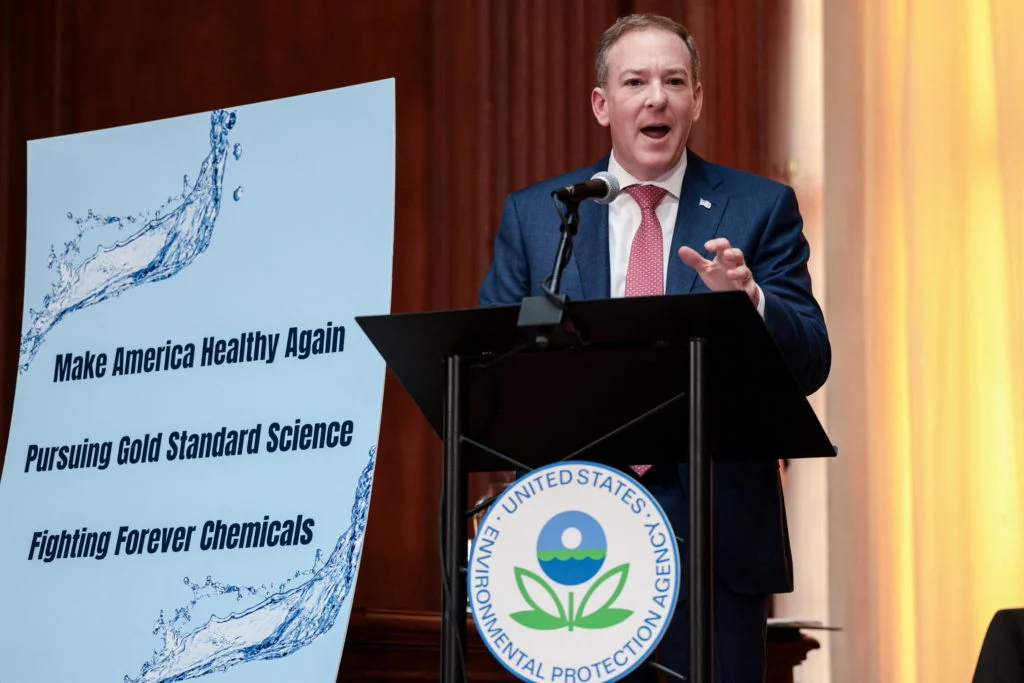
In internal drafts, Trump-appointed officials challenged the scientific rigor of earlier Biden-era reports on the risks associated with PFAS-laden biosolids—the treated solids left over from wastewater processing that are frequently used as fertilizer on American farmland. A primary criticism leveled by the current EPA against those earlier reports was the agency’s failure to conduct a robust national survey of PFAS occurrence. Yet, the very survey that would provide that "gold standard" data is the one currently sitting unapproved at the OMB.
“The biosolids risk assessment was criticized by this administration for not including an EPA-run national occurrence study, and that exact survey has been sitting unapproved at OMB for nearly two years,” said David Andrews, chief science officer at the Environmental Working Group.
Chronology of the Stalled Survey
- Pre-2024: The EPA identifies a critical gap in its regulatory framework: while it knows PFAS is present in wastewater, it lacks the specific industry-by-industry data to implement targeted national discharge limits.
- October 2024: The EPA submits the proposed "Wastewater Treatment Plant Influent PFAS Study" to the White House Office of Management and Budget for the required regulatory review.
- Late 2024 – 2025: The proposal sits in the OMB. Despite the typical 60-day turnaround for such oversight, the survey remains unapproved as the administration shifts its focus toward a more industry-friendly approach to chemical regulation.
- Present: The study remains in limbo, preventing the EPA from identifying the primary industrial sources of PFAS, even as the agency simultaneously suggests that existing data is insufficient to justify broad new regulations.
The Health Implications of ‘Forever’ Contamination
PFAS, often referred to as "forever chemicals" due to their inability to break down naturally in the environment, have become a ubiquitous public health crisis. Researchers have established clear links between PFAS exposure and a range of severe health outcomes, including increased risks of various cancers, developmental delays in children, and compromised immune responses to vaccines.
The logistical challenge of managing these chemicals is immense. Wastewater treatment plants, which serve as the primary processing centers for industrial and residential waste, were never designed to filter out these persistent synthetic compounds. As a result, when industries discharge PFAS into the sewer system, it passes through the plant largely untreated, eventually migrating into local rivers, streams, and the biosolids that are spread across the nation’s agricultural fields.
Robert Wood, who served as the director of the engineering and analysis division in the EPA’s Office of Water until his retirement in 2024, argued that the survey was the essential missing link in a national strategy. “If we can determine the top one, the top two, the top three industries that dump PFAS,” Wood explained, “then we can start work on the detailed studies and the regulation to get after nationwide limits on PFAS for the predominant industrial dischargers.”
Industry Resistance and Alternative Perspectives
Not all stakeholders agree that a new, expensive federal survey is the most efficient path forward. The National Association of Clean Water Agencies (NACWA) has expressed skepticism, arguing that the industry already possesses sufficient data to understand the scope of the problem.
“We would rather EPA look at what data is available already because there is a wealth of PFAS discharge information out there now,” said Cynthia Finley, director of regulatory affairs at NACWA.
However, states like Michigan have demonstrated that targeted, localized action can be effective. Through independent data collection, Michigan regulators identified industrial sources and required them to either pretreat their waste or eliminate PFAS discharges entirely. Anne Tavalire, who oversees PFAS reduction at wastewater plants in Michigan, noted that these efforts have already led to measurable reductions in PFAS contamination within the state’s waterways and biosolids.
For proponents of the federal study, the Michigan model proves that data is the prerequisite for action. Without a national survey, regulators are effectively flying blind, unable to pressure the specific industries responsible for the majority of the contamination.
Official Responses and Political Friction
The administration’s position remains nuanced and, to many critics, contradictory. In an emailed statement, the EPA maintained that its work on PFAS is part of a "comprehensive, lifecycle-based strategy" rooted in "gold standard science." The agency emphasized that much of the groundwork for current PFAS policies began during the first Trump administration and reaffirmed its commitment to protecting the public while adhering to existing law.
However, the agency notably declined to clarify whether it still supports the stalled survey or when, if ever, it might be released from OMB review. Instead, officials stated they are working on separate, narrower rules to reduce PFAS in wastewater from specific manufacturers and are seeking public input on the risks posed by biosolids.
This approach has drawn ire from unlikely quarters, including the "Make America Healthy Again" movement, which has aligned itself with Robert F. Kennedy Jr.’s critique of federal chemical regulation. Kelly Ryerson, an activist focusing on agriculture and health, emphasized that the administration’s stated goals of reducing chronic disease are incompatible with a lack of transparency regarding chemical pollutants.
“The survey is urgently needed data to help decrease toxic exposures,” Ryerson said. “We have no more time to waste in addressing these harmful exposures, especially on behalf of bureaucratic interests.”
Implications for Public Policy
The continued stalling of the survey represents a significant departure from standard regulatory practice. Stuart Shapiro, a former OMB staffer and current dean at the Edward J. Bloustein School of Planning and Public Policy at Rutgers University, noted that the duration of the delay is highly irregular.
“This is sufficiently unusual and a very long period of time that it is worth asking the question: Is OMB just sitting on it?” Shapiro said.
The broader implications of this delay are twofold. First, it effectively pauses the creation of federal, uniform standards for industrial PFAS discharge, leaving states to grapple with a patchwork of regulations. Second, it highlights a deep-seated tension in the current administration between its desire to be seen as a protector of public health and its traditional preference for minimizing regulatory burdens on the chemical manufacturing industry.
As the data remains locked away, the environmental toll continues to accumulate. Whether through the persistent contamination of groundwater or the potential uptake of chemicals into the food supply via biosolids, the public is paying the price for a regulatory system that appears increasingly gridlocked by political maneuvering. For now, the "forever chemicals" remain, and the map needed to stop them remains unwritten.