









In a major shift for preventative cardiology, new research from Mass General Brigham suggests that the paradigm of treating heart disease must move beyond reactive care. A landmark subgroup analysis of the VESALIUS-CV trial has revealed that the cholesterol-lowering medication evolocumab can significantly reduce the risk of a first major cardiovascular event in patients with high-risk diabetes who have not yet developed clinical atherosclerosis.
The findings, presented at the American College of Cardiology’s Annual Scientific Session & Expo and simultaneously published in JAMA, challenge the long-standing medical consensus that intensive cholesterol-lowering therapy should be reserved solely for those who have already suffered a cardiac event or have documented arterial plaque.
Main Facts: Redefining Cardiovascular Prevention
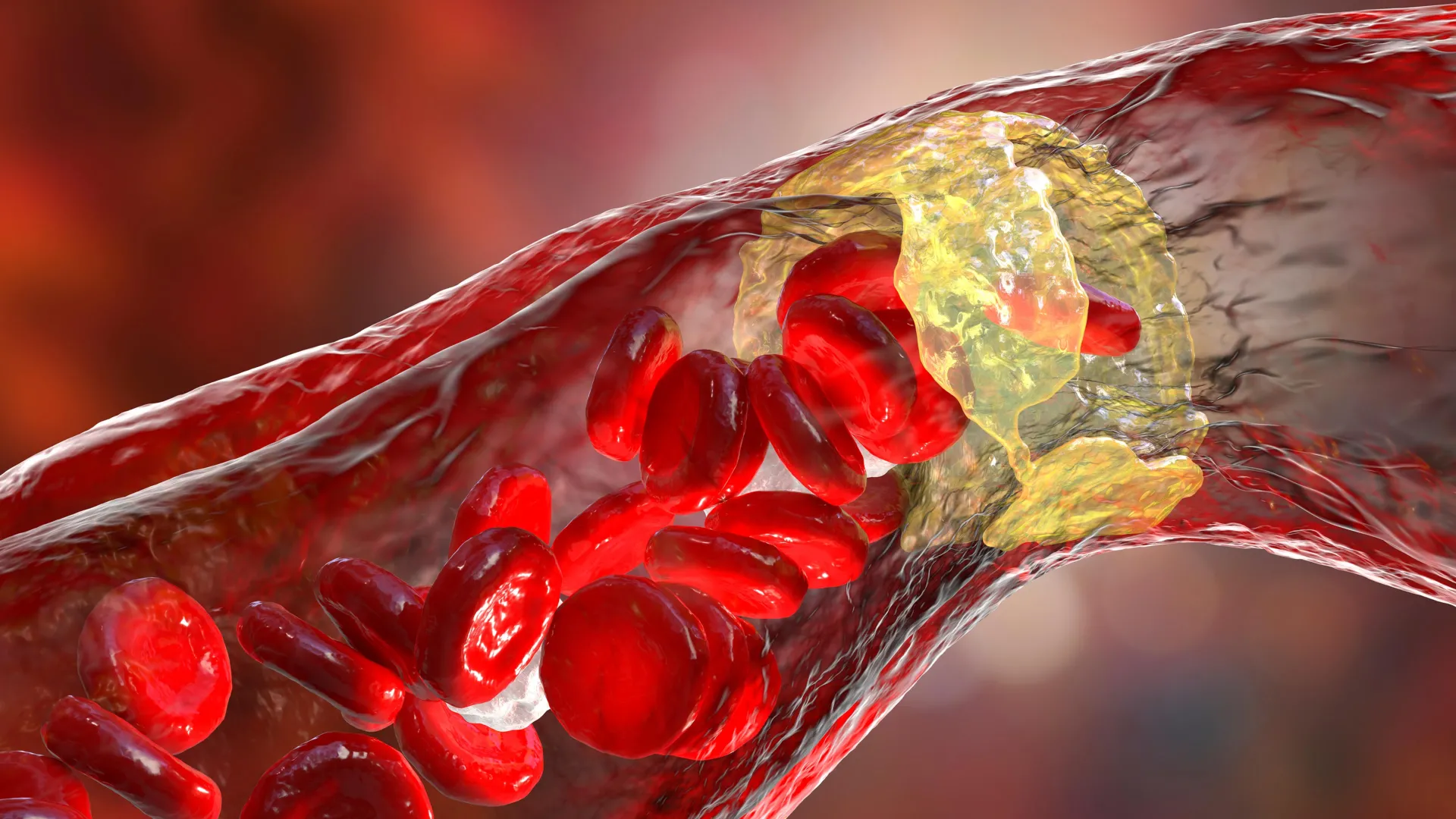
The study focused on a specific, vulnerable population: patients with diabetes who are at high risk for heart disease but show no evidence of advanced atherosclerosis—the build-up of fats and cholesterol that typically triggers heart attacks and strokes.
For these patients, current standard-of-care protocols usually involve statins, which are effective but often insufficient for those with aggressive risk profiles. The research team explored whether adding evolocumab, a PCSK9 inhibitor, to standard treatment regimens could provide a superior layer of protection.
The data indicates that evolocumab—a potent injectable drug that reduces "bad" LDL cholesterol by approximately 60%—is highly effective in this cohort. Over a follow-up period of nearly five years, participants receiving the drug experienced a 31% relative risk reduction in major adverse cardiovascular events (MACE), including death from coronary heart disease, non-fatal heart attacks, and ischemic strokes.
Chronology: The Journey to the VESALIUS-CV Findings
The road to these findings began with the realization that diabetes acts as an "accelerator" for cardiovascular disease, even in the absence of visible plaque.
- Trial Design and Initiation: Recognizing that high-risk diabetes patients—those who have managed the disease for over a decade, those dependent on daily insulin, or those suffering from microvascular complications—remain at high risk despite statin use, researchers designed the VESALIUS-CV trial. The study was structured to evaluate whether earlier intervention with PCSK9 inhibitors could prevent the onset of clinical disease.
- Patient Recruitment: The study enrolled 3,655 participants across international sites. All participants were categorized as having "high-risk diabetes."
- The Intervention Phase: Patients were randomized to receive either evolocumab injections every two weeks or a placebo. Crucially, both groups continued their standard background cholesterol-lowering treatments, such as statins and ezetimibe.
- Monitoring and Evaluation: Over the course of 48 weeks, the researchers monitored LDL-C levels. By the end of this period, the divergence between the two groups was stark, providing a clear biological basis for the subsequent clinical outcomes.
- Data Analysis and Publication: Following nearly five years of patient monitoring, the data was analyzed by the TIMI Study Group and presented at the American College of Cardiology’s annual conference, with concurrent publication in JAMA.
Supporting Data: The Power of LDL-C Reduction
The success of the study is grounded in the dramatic physiological changes observed in the treatment arm. At the 48-week mark, the median LDL-C levels in the evolocumab group plummeted to 52 mg/dL, compared to 111 mg/dL in the placebo group. This represents a 51% reduction in bad cholesterol, a margin that translated directly into clinical benefit.
The primary endpoint—the time to the first occurrence of a major cardiovascular event—was reached by only 5% of patients in the evolocumab group, compared to 7.1% in the placebo group. The consistency of these results across the nearly five-year follow-up period provides strong evidence that the treatment is not merely delaying cardiovascular events but actively preventing them by maintaining lower systemic cholesterol levels.
Safety data remains a point of emphasis for the research team. Throughout the study, the rates of serious side effects were comparable between the evolocumab and placebo groups, suggesting that the intensive cholesterol-lowering regimen is well-tolerated by patients, even when administered over several years.
Official Responses and Clinical Perspectives
Dr. Nicholas A. Marston, MD, MPH, a cardiologist with the Mass General Brigham Heart and Vascular Institute and the study’s corresponding author, believes these results represent a watershed moment for clinical practice.
"For over a decade, intensive cholesterol-lowering therapies have been reserved for patients who already have established cardiovascular disease," Dr. Marston stated. "These results demonstrate the benefit of lowering cholesterol earlier and should change how we think about the prevention of heart attacks, strokes, and heart disease in patients without known significant atherosclerosis."
The medical community has received the findings with cautious optimism. While the study provides a compelling case for early intervention, experts emphasize that individual treatment plans must still be tailored to the patient. The study’s authors, which include a wide coalition of global cardiologists and the TIMI Study Group, acknowledge that while the data is robust, further research is required to determine if these benefits can be generalized to other high-risk demographics who lack established atherosclerosis but possess other significant risk markers.
Implications: A Shift in the Cardiology Paradigm
The implications of this study are far-reaching, potentially affecting millions of patients globally. Heart disease remains the leading cause of death worldwide, and diabetes is a major contributor to this burden. By identifying a safe, effective way to treat these patients before they suffer a "first event," the healthcare system could significantly reduce the long-term morbidity and mortality associated with coronary heart disease.
1. Changing Guidelines
If the results of the VESALIUS-CV trial are adopted into clinical practice guidelines, it would mean that doctors might soon prescribe PCSK9 inhibitors for patients with high-risk diabetes much earlier in their treatment journey. This would represent a departure from the "wait-and-see" approach that often characterizes the management of patients who have not yet exhibited physical signs of plaque build-up.
2. Economic and Health System Impacts
While PCSK9 inhibitors have historically been more expensive than traditional statins, the potential for preventing expensive and debilitating cardiovascular events—such as emergency heart surgeries, stroke rehabilitation, and long-term heart failure care—could provide a strong economic justification for earlier access to these medications.
3. Future Research Directions
The authors noted that while the study was successful, it was a subgroup analysis of a broader trial funded by Amgen Inc. To fully solidify these findings, future studies may need to focus on:
- Diverse Populations: Ensuring that the findings hold true across different ethnic, socioeconomic, and geographic populations.
- Cost-Effectiveness Models: Developing frameworks for health insurance coverage that prioritize high-risk, pre-atherosclerotic patients.
- Long-term Durability: Investigating whether the benefits of the drug continue to accrue after five years or if the risk reduction plateaus.
Conclusion
The Mass General Brigham study offers a hopeful vision for the future of diabetes and heart health. By proving that aggressive cholesterol management can provide a protective shield for high-risk individuals, the research opens a new front in the war against heart disease. As clinicians and policymakers digest these findings, the conversation is likely to shift toward a more proactive, preventative model of care that values the prevention of the first heart attack as the ultimate goal of cardiovascular medicine.
Authors, Disclosures, and Funding
Research contributors include Nicholas A. Marston, Erin A. Bohula, Jeong-Gun Park, Sabina A. Murphy, Ron Blankstein, Robert P. Giugliano, and Marc S. Sabatine (Mass General Brigham), alongside a global team of researchers. The TIMI Study Group reports grant support through Brigham and Women’s Hospital from Amgen and other pharmaceutical companies. Several authors reported personal fees or employment with Amgen, which provided funding for the study. Detailed disclosures are available in the published JAMA report.