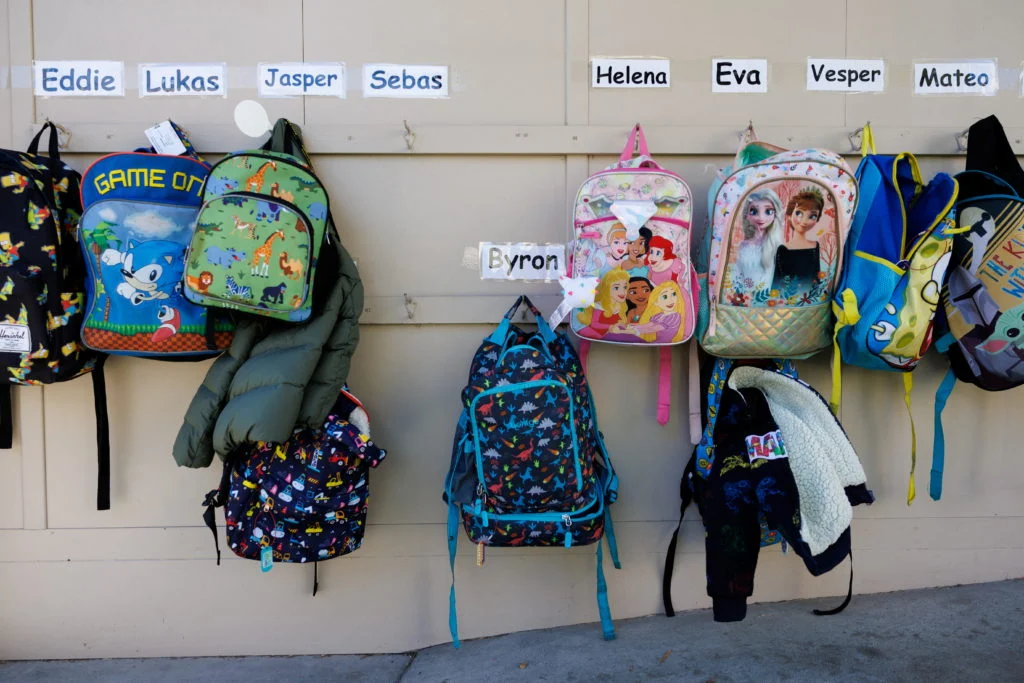
As the back-to-school season descends upon families, the ritual of purchasing supplies is often accompanied by a quiet, physical crisis: the overburdened backpack. While these bags are designed to be both fashionable and functional, they have morphed into mobile storage units that frequently exceed a child’s physical capacity. From digital devices and high-tech chargers to traditional textbooks, gym gear, and personal belongings, the modern student is often lugging a weight that would give a seasoned hiker pause.
As parents and students prepare for the upcoming academic year, it is time to address a growing concern among pediatricians and educators alike: the hidden dangers of the "heavy load" and how to lighten the burden before it leads to long-term health consequences.
Main Facts: The Weight of Modern Education
The transformation of the school backpack over the last decade has been significant. Once reserved for a few notebooks and a pencil case, the bag now serves as a high-tech carryall. With the integration of 1:1 laptop initiatives in schools, students are expected to transport expensive, heavy hardware alongside physical textbooks, water bottles, and sports equipment.
When these items are combined, they create a cumulative weight that can be deceptive. A laptop might weigh three pounds, a textbook four, and a water bottle another two; suddenly, a child is carrying nearly ten pounds of gear before they even pack their lunch.
According to the American Academy of Pediatrics (AAP), the signs of an overloaded backpack are often visible. Students may be seen leaning precariously forward to offset the weight, struggling to maintain their balance, or showing visible indentations on their shoulders where straps have dug into their skin. Experts warn that parents should not wait for their child to complain of back pain or shoulder tension before taking action; by the time a child articulates discomfort, the strain on their musculoskeletal system may have already become a repetitive issue.
Chronology of the Backpack Crisis
The evolution of the backpack as a "mobile locker" did not happen overnight. The timeline of this issue is inextricably linked to the digitalization of the classroom.
- The Early 2000s: Backpacks were primarily used for light paper materials and occasional workbooks. The primary concern was ergonomic design rather than total weight.
- The Mid-2010s: The "tech-heavy" era began. Schools started mandating that students bring laptops or tablets to class. Simultaneously, the push for "blended learning" meant students were required to carry both heavy traditional textbooks and electronic devices.
- The Pandemic Era (2020-2022): Remote learning necessitated that students have all their materials at home, cementing the habit of carrying entire inventories of supplies daily to ensure they were prepared for either classroom or home-based instruction.
- Present Day: Schools are grappling with the fallout of this transition. Some districts are reverting to physical textbooks to reduce screen time, while others maintain a hybrid model, forcing students to carry both physical and digital assets, leading to the current peak in backpack-related physical strain.
Supporting Data: Understanding the Guidelines
For years, a common rule of thumb has been that a student should not carry more than 10% to 15% of their body weight. However, medical experts like Dr. Sadika Kendi, a leading physician in injury prevention, argue that this metric is incomplete.
"There isn’t enough evidence to establish a universal, one-size-fits-all approach," Dr. Kendi notes. Because children grow at vastly different rates and possess varying levels of physical strength and core stability, a fixed percentage can be misleading. A 100-pound middle schooler carrying 15 pounds is under a much different physiological stress than a 150-pound teenager carrying the same amount.
Furthermore, the data suggests that injury risk is often tied to the circumstances of carriage rather than just the static weight. Dr. Kendi emphasizes that the greatest danger arises during falls. A student carrying a heavy, oversized bag who trips on a hallway floor or a flight of stairs is at a much higher risk of sustaining a serious injury, as the momentum of the heavy pack can exacerbate the force of the impact.
Official Responses and Educator Perspectives
Educators, who witness the daily struggle of students navigating hallways, are increasingly speaking out about the necessity of a "less is more" approach. Samantha Ness, a veteran history teacher in Phoenix with over a decade of classroom experience, observes that the contents of a student’s backpack often reflect a lack of organization rather than a necessity for success.
"When considering the things going into their backpacks, parents and students need to ask: ‘How is this going to help them be successful in the classroom?’" Ness says. She notes that many students use their bags as catch-alls for non-essential items—makeup, hair dryers, or large collections of personal items—that turn a functional tool into a cumbersome burden.
In some regions, the response has been structural. In Fairfax County, Virginia, for example, a grassroots movement led by the group Fairfax County Parents for Intentional Technology successfully lobbied for the return of math textbooks to classrooms. While this was a victory for advocates concerned about excessive screen time, it created a new logistical hurdle: how to manage the weight of physical books alongside laptops.
Alix Fetch, a spokesperson for the group, acknowledges that the struggle is real even for younger students. "Kids are still kids," she says. "They’re scrunching up papers, carrying food, and lugging water bottles. Even for a seven-year-old, the physical act of navigating a school building with a loaded bag is a significant challenge."
Implications: The Long-Term Impact on Health and Learning
The implications of carrying a heavy load are not merely about back pain; they extend to a student’s overall readiness to learn. A child who is physically fatigued from hauling a heavy pack between classes is less likely to engage fully in the curriculum. The physical energy expended just moving from point A to point B can result in reduced concentration in the classroom.
Furthermore, the "backpack as a purse" phenomenon among older students suggests a shift in the way backpacks are viewed. As they move into high school, the backpack ceases to be a school supply and becomes a personal storage locker, which often leads to the accumulation of unnecessary weight that serves no academic purpose.
Best Practices for Safe Carriage
To mitigate these risks, experts recommend a multifaceted approach:
- Ergonomic Selection: Choose a backpack with two broad, padded shoulder straps. A padded back panel is essential for comfort, and a waist or chest strap can significantly redistribute the weight, taking the load off the shoulders and placing it on the hips, which are better equipped to handle the force.
- Proper Lifting: Children should be taught to bend at the knees—not the waist—when lifting their bags. This simple biomechanical adjustment reduces the strain on the lower back.
- The "Wheels" Warning: While rolling backpacks may seem like a solution for heavier loads, they are often a hindrance in crowded schools. They create tripping hazards in hallways and are often impossible to use on stairs, forcing children to lift them anyway, which can lead to awkward, uneven strain.
- The Vehicle Safety Rule: Perhaps the most overlooked safety tip is the removal of the backpack while riding in a vehicle. A heavy pack can interfere with the functionality of a seat belt during a collision. It is imperative that children remove their bags and place them on the floor of the vehicle while in transit.
- The Weekly Audit: Parents should encourage a weekly "backpack cleanout." By removing trash, old assignments, and non-essential personal items every Friday, families can ensure the bag stays lean and organized for the following week.
As the school year progresses, the backpack remains a symbol of a student’s preparation. However, by balancing the need for technology and materials with the physical reality of a growing child’s body, families can ensure that the "burden of knowledge" does not become a physical burden that hinders their child’s potential. Through consistent audits, smart packing, and an emphasis on essential supplies, we can help our students carry their load safely and effectively.