By MedTech Insights
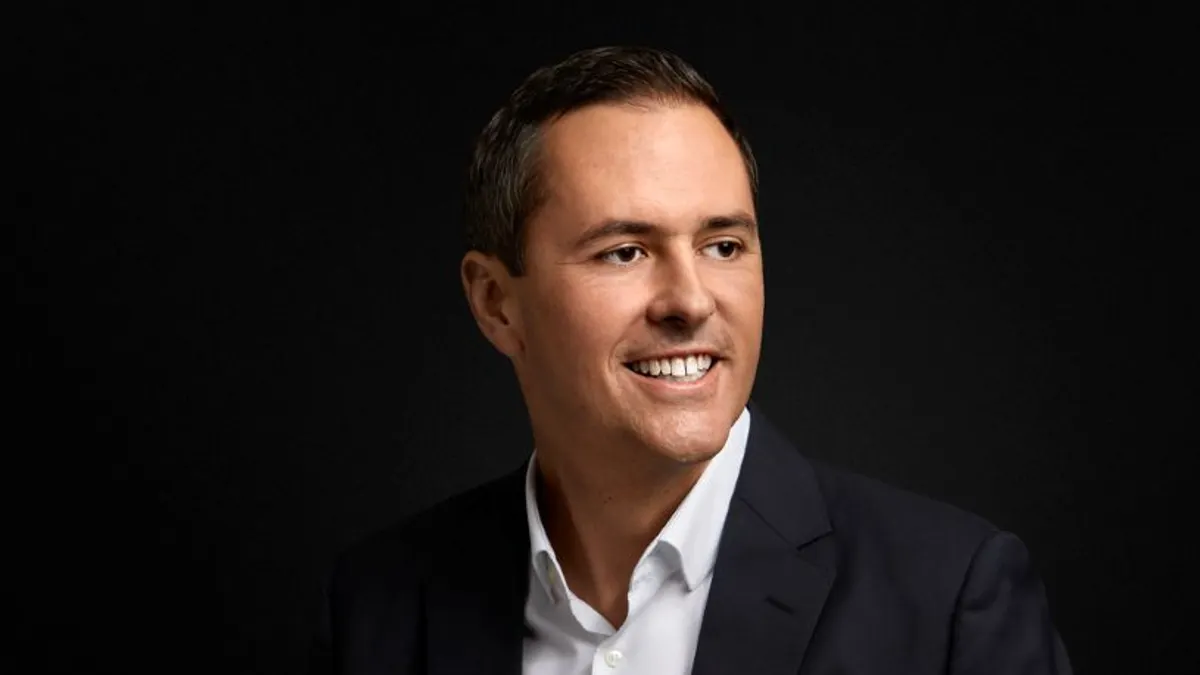
Intuitive, the undisputed pioneer and global leader in robotic-assisted surgery, has announced a significant change to its executive leadership team, signaling a new phase of strategic expansion. Effective July 1, Taylor Patton, a veteran of the organization with nearly two decades of experience, has been elevated to the role of Chief Commercial and Marketing Officer.
This transition comes at a pivotal juncture for the Sunnyvale, California-based company. While Intuitive continues to dominate the market with its flagship da Vinci surgical systems, the landscape of robotic surgery is undergoing a profound transformation. Increased competition from agile market entrants in the United States, Europe, and Asia is forcing established players to rethink their commercial strategies, deepen customer engagement, and accelerate global scaling.
The Core Leadership Transition
Taylor Patton steps into the C-suite following a highly successful tenure as the Global Senior Vice President of Intuitive’s endoluminal business. In that capacity, he was instrumental in the development and commercial rollout of the Ion platform, a robotic system designed to facilitate minimally invasive lung biopsies. His deep involvement in launching new technologies and scaling commercial organizations across diverse geographies has positioned him as a critical asset for the company’s next growth chapter.
Patton succeeds Henry Charlton, who will transition into the newly defined role of Senior Vice President of Global Business Operations. According to the company, Charlton’s new mandate will focus on long-term value creation for patients, surgeons, and healthcare systems, ensuring that Intuitive maintains its high standards for customer support and operational excellence on a global scale.
Chronology of a Career: Taylor Patton’s Path to the C-Suite
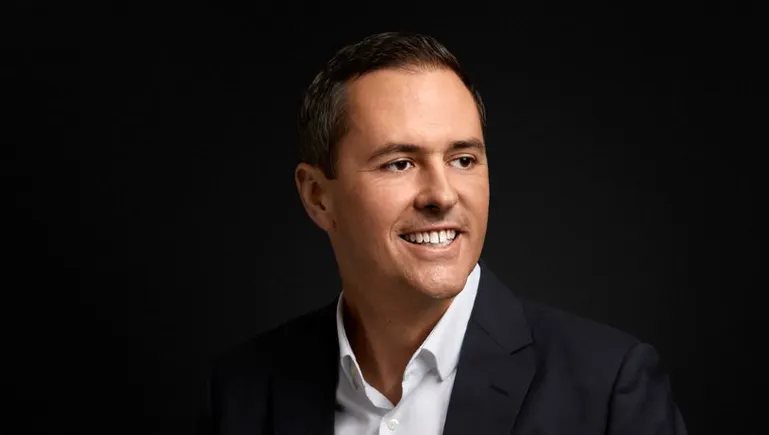
Patton’s trajectory at Intuitive serves as a blueprint for institutional growth and leadership development. His nearly 20-year career within the company has been marked by a cross-functional approach to medtech innovation:
- Early Years (The Foundational Phase): Patton began his journey by immersing himself in the technical and clinical engineering aspects of robotic surgery, gaining a ground-level understanding of how clinicians interact with complex robotic interfaces.
- Expansion Phase: Moving through various marketing and commercial leadership posts, he played a critical role in standardizing Intuitive’s approach to clinical application engineering, bridging the gap between engineering R&D and bedside implementation.
- The Ion Era: As Global SVP of the endoluminal business, Patton led the strategy that brought the Ion robotic system to global prominence. This role required not only technical oversight but also the complex task of establishing new clinical pathways for lung biopsy procedures, a segment that has become a core component of Intuitive’s portfolio.
- Executive Elevation: With his promotion to Chief Commercial and Marketing Officer, Patton is now charged with overseeing the company’s entire commercial footprint, managing the delicate balance of maintaining market share while identifying new opportunities for penetration in underserved markets.
The Competitive Landscape: A Shifting Market
The "Intuitive effect"—the term often used to describe the company’s transformative impact on surgical outcomes—has essentially created the modern market for robotic-assisted surgery. However, the exclusivity of that market is rapidly eroding.
New Entrants and Regional Pressures
Intuitive is currently navigating a competitive landscape that is vastly different from the one it dominated a decade ago.
- The U.S. Market: While the da Vinci system remains the gold standard, domestic competitors are increasingly seeking FDA clearances for specialized robotic platforms that target specific surgical niches, such as orthopedics or soft-tissue surgery.
- The European and Asian Fronts: In Europe, companies like CMR Surgical and others are gaining momentum, often competing on modularity and cost-efficiency. Meanwhile, in China and India, local manufacturers are making significant strides in domestic robotic production, supported by government initiatives that favor local medtech, thereby challenging Intuitive’s pricing and adoption models in those massive, high-growth regions.
Global Growth Requirements
Intuitive has explicitly stated that it is expanding its commercial operations to meet the anticipated growth in the coming years. This suggests a shift toward a more localized commercial strategy, where marketing and sales support are tailored more specifically to the unique regulatory and healthcare financing models of specific international territories.
Supporting Data: Understanding the Market Metrics
Intuitive’s financial health remains robust, yet recent earnings calls have highlighted the nuances of a maturing market.
Procedure Growth and Economic Realities
During the company’s April earnings call, CEO Dave Rosa provided a transparent look at the firm’s performance. While the growth rate of da Vinci procedures outside the United States had moderated compared to previous quarters, this was largely viewed as a function of the law of large numbers—the company is growing from an increasingly massive base.
Crucially, the rise in general surgery utilization—such as hernia repairs and colorectal procedures—has served as a powerful engine for revenue. This trend was strong enough to convince the company to raise its 2026 worldwide da Vinci procedure growth outlook. The message to shareholders was clear: the demand for robotic precision is not waning; rather, it is evolving into new, high-volume surgical specialties that provide a predictable recurring revenue stream through instrumentation and service contracts.

Official Responses and Strategic Outlook
The appointment of Patton was framed by CEO Dave Rosa as a natural evolution of the leadership team. "Taylor has spent nearly two decades with Intuitive, building and scaling teams across multiple business units and geographies," Rosa stated. "He is uniquely positioned to lead at this moment in Intuitive’s journey—having demonstrated the ability to launch new technologies, build new commercial organizations, and earn trust with customers around the world."
The sentiment from the company is one of controlled confidence. By moving Henry Charlton into an operational role focused on "world-class support," Intuitive is signaling that as competition intensifies, it intends to win not just through hardware innovation, but through service superiority. In the world of complex capital equipment, the "stickiness" of a brand—the ability to keep a hospital system loyal through training, maintenance, and clinical support—is often the ultimate barrier to entry for competitors.
Implications: What This Means for the MedTech Sector
The promotion of Patton and the realignment of the executive team have broader implications for the robotic surgery industry:
- Increased Focus on Clinical Integration: Patton’s background suggests that Intuitive will move away from a "product-first" sales pitch to a "clinical-solution" model. Future marketing efforts will likely emphasize how robots integrate into the hospital ecosystem to improve throughput and patient outcomes, rather than just highlighting the robot’s technical specifications.
- Defensive Moats: By strengthening its commercial operations, Intuitive is building a "defensive moat." As new, lower-cost robots enter the market, Intuitive will likely leverage its massive installed base and established surgical training infrastructure to keep existing hospital clients from switching to competitors.
- Global Localization: Expect to see a more decentralized commercial structure. To compete in China, Europe, and Latin America, Intuitive must prove that it can adapt to the local healthcare infrastructure, rather than expecting every hospital to adapt to the "Intuitive way" of doing things.
- The Next Wave of Innovation: With Patton at the helm of the commercial side, the company is poised to launch its next generation of platforms (such as the da Vinci 5) with a more aggressive, data-driven approach to market adoption.
As Intuitive moves into the latter half of the 2020s, the battle for the operating room will shift from being a contest of "who has a robot" to "who can deliver the most efficient, data-backed surgical ecosystem." With Taylor Patton leading the commercial and marketing charge, the company is signaling that it is prepared to aggressively defend its throne, ensuring that the Intuitive brand remains synonymous with the future of surgery.