
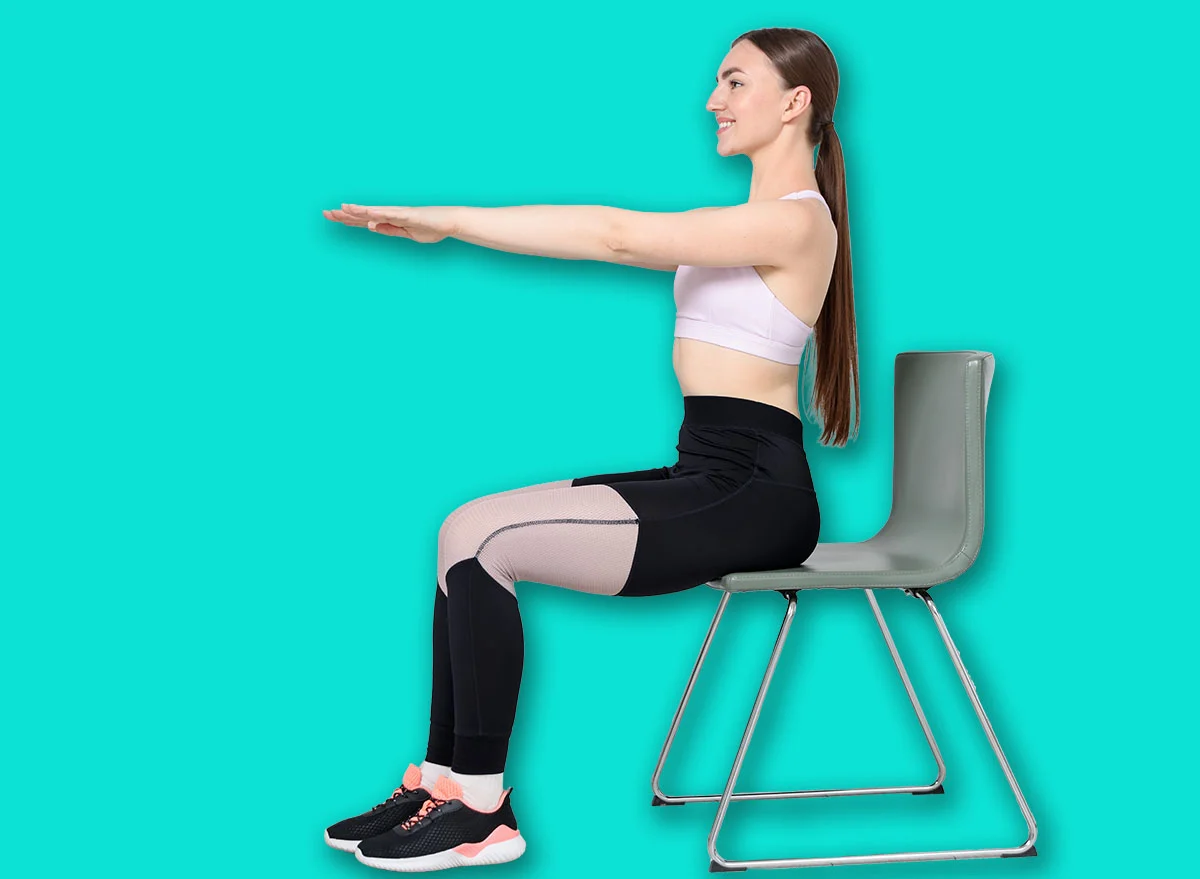
For many, the quest for a flatter, firmer midsection after the age of 60 often leads to the same old solution: the crunch. It is a staple of gym culture and home workouts alike, touted for decades as the ultimate remedy for stubborn belly fat. However, according to modern physical therapy standards, the traditional crunch may be an inefficient, and potentially outdated, tool for those navigating their sixth decade and beyond.
To truly address the lower abdomen, one must look past surface-level muscle fatigue and toward the complex mechanics of the deep core. Expert physical therapists now argue that true core health—and the visual "firmness" that accompanies it—is built through stability, intentional breathing, and consistent movement, not repetitive spinal flexion.
The Reality of Lower Belly Fat After 60
The prevailing myth that spot-reduction—the ability to burn fat from one specific area—is possible has been thoroughly debunked by exercise physiology. When the body sheds adipose tissue, it does so globally, influenced by genetics, nutrition, and metabolic health.
"Many people believe that crunches are an effective way to burn stubborn belly fat," says Dr. Andrew Gorecki, PT, DPT, FAFS, owner of Superior Physical Therapy in Traverse City, MI. "While this classic ab exercise can be a solid addition to a well-rounded workout, it isn’t the best way to address this area of the body."
Instead, achieving a tighter midsection requires a tripartite approach: establishing a sustainable calorie deficit, cultivating healthy lifestyle habits, and performing exercises that prioritize the transverse abdominis (TA)—the body’s natural "corset" muscle.
The Science of the "Corset Muscle"
The lower belly is not primarily controlled by the "six-pack" muscles (the rectus abdominis), which are the muscles engaged during a traditional crunch. Instead, it is governed by the transverse abdominis. This deep, stabilizing layer of muscle wraps around the torso, acting as an internal girdle that supports the spine and pulls the abdominal wall inward.
Dr. Gorecki emphasizes that the goal for adults over 60 should shift from "aesthetic burn" to functional stability. "What chair exercises can do, and what matters far more after 60, is rebuild deep core control, lumbopelvic stability, and the kind of trunk function that protects the low back, improves posture, and reduces fall risk," he explains. "The ‘firmer-looking’ midsection people see is usually the result of better postural control and deep core activation, not fat loss."
Why Chair Exercises Are a Game-Changer
For many, the prospect of getting down on a floor mat—and more importantly, getting back up—presents a significant barrier to daily consistency. This physical hurdle is exactly where the "Chair-Based Fitness" movement shines.
"After 60, the best core exercise is the one you’ll actually do every day," Dr. Gorecki notes. "A chair-based routine you can do during a TV commercial beats a perfect floor program you’ll skip." By removing the logistical burden of floor-based training, chair exercises allow for greater frequency, which is the most critical factor in developing muscle memory and long-term core strength.
A Chronology of Core Stability: The 5-Move Protocol
To assist in building this foundational strength, Dr. Gorecki outlines five specific exercises designed for stability and deep activation. These moves focus on the lumbopelvic region—the area connecting the spine to the pelvis.
1. Seated Marches: Establishing the Foundation
Seated marches are the gateway to core engagement. By alternating knee lifts while maintaining a perfectly vertical posture, you force the TA to stabilize the torso against the shifting weight of your legs. This movement targets the hip flexors and the lower core simultaneously, creating the foundation for pelvic control.
2. Seated Heel Slides: Stabilizing the Pelvis
Heel slides involve extending one leg out while keeping the heel in contact with the floor. The challenge here is not the movement of the leg, but the lack of movement in the spine. By training the lower abdominals to stabilize the pelvis while a limb moves, you are replicating the precise biomechanical patterns required to protect the lower back during daily tasks, such as walking or stepping over obstacles.
3. Seated Knee-to-Chest with Exhale: The Power of Breath
The "Knee-to-Chest" move is deceptively simple. The true efficacy of this exercise lies in the breath. Dr. Gorecki stresses that a full, forced exhale during the exertion phase is what engages the pelvic floor and the deep transverse abdominis. Holding one’s breath creates intra-abdominal pressure that can be counterproductive; exhaling allows the core to "draw in" and tighten.
4. Seated Trunk Rotations with Reach: Activating the Obliques
The waistline is shaped by the obliques, the muscles responsible for twisting and rotation. As we age, these muscles often become underutilized, leading to a stiffening of the midsection. By adding a reach to a seated rotation, you lengthen the muscle fibers while they are under tension, improving functional range of motion and defining the waist.
5. Seated Pelvic Tilts: Restoring Rhythm
The pelvic tilt is a subtle movement that involves rocking the pelvis forward and backward to mobilize the lumbar spine. This movement restores the "lumbopelvic rhythm," a complex coordination that is frequently lost by the seventh decade of life. It is the subtle, internal engine that prevents the "slumping" posture often associated with aging.
Supporting Data: The Clinical Perspective
Research into geriatric fitness consistently shows that core stability is the strongest predictor of fall prevention. A study published in the Journal of Aging and Physical Activity highlights that adults over 60 who engage in regular, low-impact core stabilization training show a 30% reduction in back pain and a 20% improvement in balance-related metrics compared to those who focus solely on cardiovascular activity or traditional gym-style resistance training.
Furthermore, the integration of "remote therapeutic monitoring"—a technology championed by platforms like MovementRx—has shown that patients are significantly more likely to adhere to a physical therapy regimen when it is broken down into "micro-doses" of exercise that can be performed at home without specialized equipment.
Official Guidelines and Implications
The consensus among geriatric health experts is clear: the focus after 60 should be on the "internal architecture" of the body.
- Posture as a Proxy for Fitness: A tall, aligned spine is the hallmark of a strong core. When the deep abdominals are firing correctly, they naturally pull the belly inward, providing a flatter appearance without the need for high-intensity, high-impact crunches.
- The Sustainability Factor: Consistency is the primary variable in fitness. A daily 10-minute chair routine provides more cumulative benefit than a 60-minute "boot camp" session that results in injury or burnout.
- Safety First: Because these exercises are performed in a seated position, they are inherently safer for those with joint issues, vertigo, or reduced mobility.
Conclusion: Reframing the Goal
It is time to retire the obsession with the "six-pack" as a benchmark for health. After 60, the focus should shift toward internal resilience. By utilizing a sturdy chair and focusing on the transverse abdominis, older adults can reclaim their core strength, improve their posture, and protect their spines from the stresses of daily life.
As Dr. Gorecki aptly summarizes, "The goal is to move better, feel better, and stay independent. If your midsection looks firmer as a result of that deep, functional stability, that is simply a welcome side effect." By prioritizing movement patterns that emphasize the corset muscle, you aren’t just working on your belly—you are investing in your long-term mobility and vitality.
Disclaimer: Before starting any new exercise program, especially if you have pre-existing health conditions or mobility concerns, it is recommended that you consult with a physician or a licensed physical therapist. Always listen to your body and avoid movements that cause sharp pain.