











As we traverse the decades of our lives, the human body undergoes a silent, physiological transformation. While many focus on cardiovascular health or dietary changes to manage their well-being, one of the most critical components of longevity—muscle mass—often goes overlooked until its loss becomes impossible to ignore. After the age of 30, adults can lose between 3% and 8% of their muscle mass every decade, a process that accelerates significantly as we cross the 50-year threshold.
This decline, clinically known as sarcopenia, is more than just a matter of aesthetics. It is a fundamental threat to mobility, metabolic health, and the very independence that defines our quality of life in our later years. However, the prevailing narrative that muscle preservation requires grueling hours in a weight room with heavy iron is a misconception that keeps many from taking action.
To demystify the process of building strength in your 50s and beyond, we spoke with Jacob Siwicki, founder of Siwicki Fitness. A veteran of the fitness industry, former Dartmouth football player, and recognized expert on FOX 5 DC, Siwicki provides a roadmap for those looking to reclaim their strength through accessible, efficient, and science-backed training.
The Reality of Muscle Loss: Why It Matters
The Physiological Clock
The human body is an adaptive machine. When we are young, the body is primed for muscle protein synthesis. However, as hormonal profiles shift and activity levels often fluctuate with the demands of career and family, the body begins to prioritize energy conservation over muscle maintenance.
The consequences of this 3% to 8% loss per decade are cumulative. Muscle tissue is metabolically active; it is the engine that drives your metabolism. When that engine shrinks, the body’s ability to regulate blood sugar, maintain bone density, and facilitate daily movement diminishes. By the age of 55, the risk of falls, joint instability, and chronic fatigue increases. Rebuilding that foundation is not just about "staying fit"—it is about preserving your autonomy.
Breaking the "Heavy Weight" Myth
One of the most persistent barriers to fitness for the 55+ demographic is the fear of injury associated with traditional heavy powerlifting. Siwicki is quick to dispel this notion. "You do not need a heavy barbell or a room full of machines to see significant results," he explains. "The most effective workout is the one you can perform consistently. A simple chair, a pair of dumbbells, or even household items like water jugs are all you need to initiate the adaptive response in your muscles."
Expert Insights: The Four Pillars of Strength
According to Siwicki, the secret to longevity-focused strength training lies in compound movements. These are exercises that involve multiple muscle groups and joints, mimicking the functional patterns of daily life—sitting down, standing up, lifting objects, and pushing doors.
1. The Squat: Foundation of Mobility
The squat is the ultimate functional movement. It trains the quadriceps, hamstrings, glutes, and core. More importantly, it reinforces the mechanics required to get out of a chair or climb stairs without assistance.
- The Technique: Start with a standard chair. Sit back slowly, keeping your weight in your heels, and stand back up with control. As you progress, hold a dumbbell at your chest (a "goblet squat") to increase the stimulus.
- Why it works: By focusing on the eccentric (lowering) phase, you build stabilizer muscles in the hips and ankles, which are essential for balance.
2. The Deadlift: Protecting the Posterior Chain
Often feared due to misinformation, the deadlift is actually the most important movement for spinal health and lower back strength. It strengthens the entire posterior chain—the muscles along the back of the body.
- The Technique: Using dumbbells or even a light kettlebell, hinge at the hips while keeping your back flat. Lower the weight toward your shins and return to a standing position, squeezing your glutes at the top.
- Why it works: Strengthening the hamstrings and erector spinae muscles helps correct the "slump" often associated with aging, leading to better posture and reduced chronic back pain.
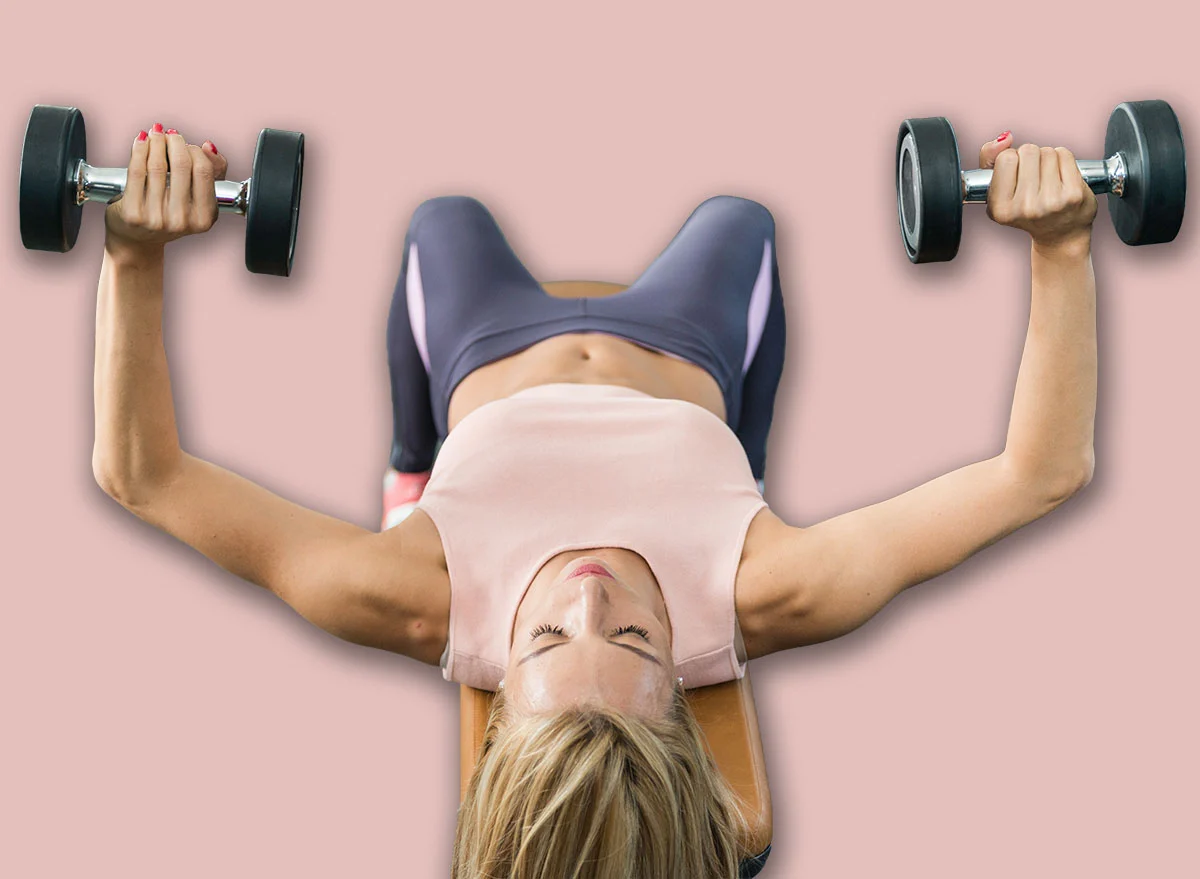
3. The Chest Press: Upper Body Independence
Pushing movements are essential for maintaining the ability to reach, lift, and perform household tasks. The chest press targets the pectorals, shoulders, and triceps.
- The Technique: Lying on a bench or the floor, press the weights upward until your arms are extended. Slowly lower them back down. If you don’t have a bench, floor presses are an excellent way to limit the range of motion and protect the shoulders.
- Why it works: This movement directly combats the forward-rounded shoulder posture that occurs with age, keeping the chest open and the upper body strong.
4. The Row: The Antidote to Sitting
In our modern, desk-bound culture, the back muscles are often underutilized and overstretched. The row is the corrective exercise that pulls the shoulders back and creates a balanced physique.
- The Technique: Using a chair for support, hinge forward and pull a weight toward your hip. Focus on driving the elbow back rather than pulling with the hand.
- Why it works: Rows counteract the effects of "tech neck" and sedentary posture, providing essential support for the thoracic spine.
Implications for Longevity and Lifestyle
The implications of integrating these four exercises into a weekly routine extend far beyond the gym. Research consistently shows that resistance training improves bone mineral density, which is critical for preventing fractures in the 60s, 70s, and beyond. Furthermore, the mental health benefits of exercise—specifically the release of endorphins and the sense of accomplishment—cannot be overstated.
Consistency Over Intensity
The "Siwicki Method" prioritizes sustainable habits. By focusing on four fundamental movements, you reduce the complexity of your fitness plan. You don’t need to spend two hours in the gym. A 30-minute session, three times a week, is sufficient to signal the body to stop catabolizing (breaking down) muscle and start building it.
Nutritional Considerations
Exercise is the spark, but nutrition is the fuel. To see the benefits of these exercises, protein intake must be optimized. As we age, the body becomes less efficient at processing protein. Aiming for high-quality protein sources—lean meats, legumes, dairy, or plant-based alternatives—at every meal ensures the body has the amino acids necessary to repair the muscle tissues stressed during your training sessions.
Final Thoughts: It’s Never Too Late
The narrative that "the best time to start was 20 years ago" is often followed by the "the second best time is now." Whether you are 55, 65, or 75, your muscles retain the ability to adapt, grow, and strengthen.
Jacob Siwicki’s approach serves as a reminder that fitness is not a luxury or a competitive sport; it is an act of self-preservation. By moving away from the obsession with heavy iron and toward functional, consistent, and smart training, you are investing in a future where your body remains as capable and active as your spirit.
Start small, stay consistent, and remember: you are not just lifting weights—you are lifting your quality of life.
Disclaimer: Before beginning any new exercise program, especially if you have pre-existing health conditions or concerns, it is highly recommended to consult with a physician or a certified fitness professional.