Published August 24, 2026
In an era defined by sedentary desk work, prolonged screen time, and the chronic physical tension that follows, the need for accessible, restorative movement has never been more pressing. While high-intensity interval training (HIIT) and heavy weightlifting often dominate the fitness landscape, a quieter revolution is taking hold: the 15-minute daily flexibility practice.
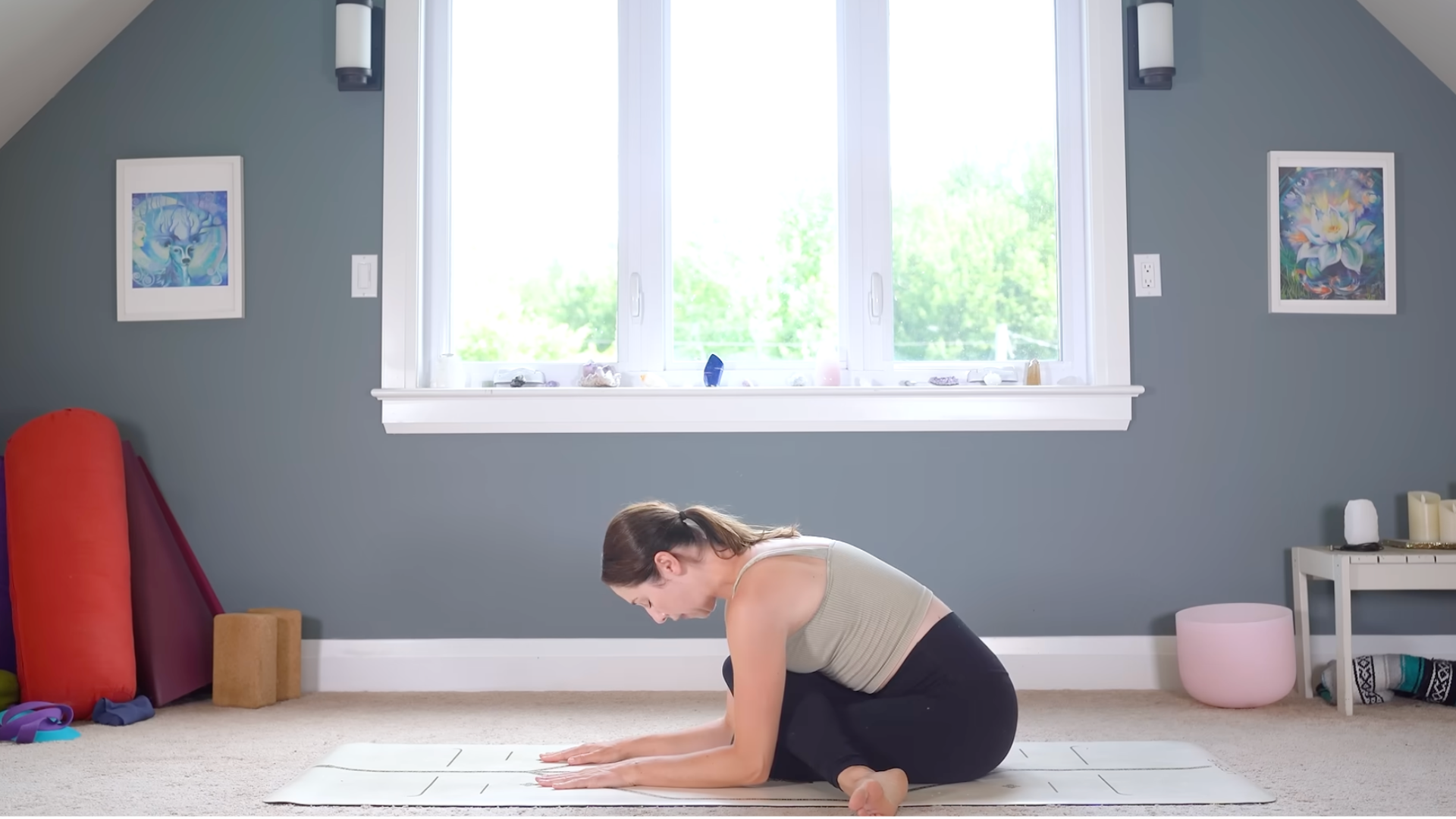
This low-impact, high-reward routine—perfectly exemplified by the latest guided flow from Yoga With Kassandra—is not merely a morning ritual. It is a strategic intervention designed to undo the accumulated stiffness of a long workday, serving as both a morning energizer and a necessary evening decompression tool.
The Core Philosophy: Accessibility Meets Efficacy
The fundamental appeal of a 15-minute full-body stretch lies in its inclusivity. Unlike specialized athletic training that requires specific equipment or high levels of preexisting mobility, this routine is an "all-levels flow." It serves as a bridge for beginners who may find the prospect of a 60-minute studio class intimidating, yet it provides enough depth for experienced practitioners to maintain structural integrity.
The sequence masterfully navigates a range of planes—moving from the floor in seated and reclined positions to standing poses—ensuring that no major muscle group is left behind. While the primary focus is on the hips and back, the physiological impact is systemic. By targeting the posterior chain and the thoracic spine, practitioners often report a profound sense of "lightness" as they shed the physical weight of stress that naturally migrates to the neck, shoulders, and lower back.
A Chronological Guide to the 15-Minute Flow
To maximize the benefits of this sequence, it is essential to move with intention rather than speed. Below is the step-by-step breakdown of the routine designed to reset the body’s baseline.
Phase 1: Prone Foundation and Spinal Awakening
The practice begins on the mat, focusing on grounding and gentle extension.
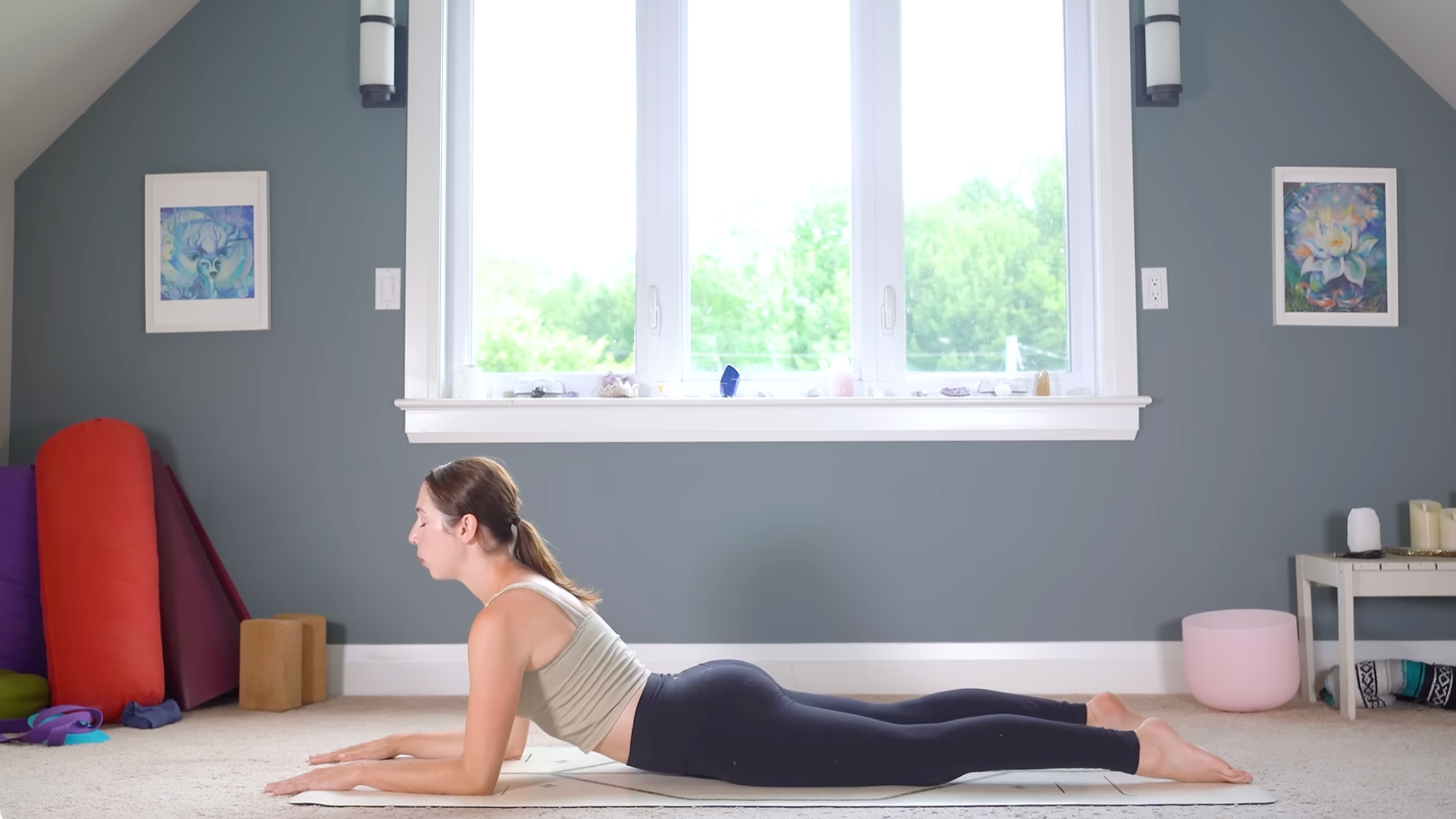
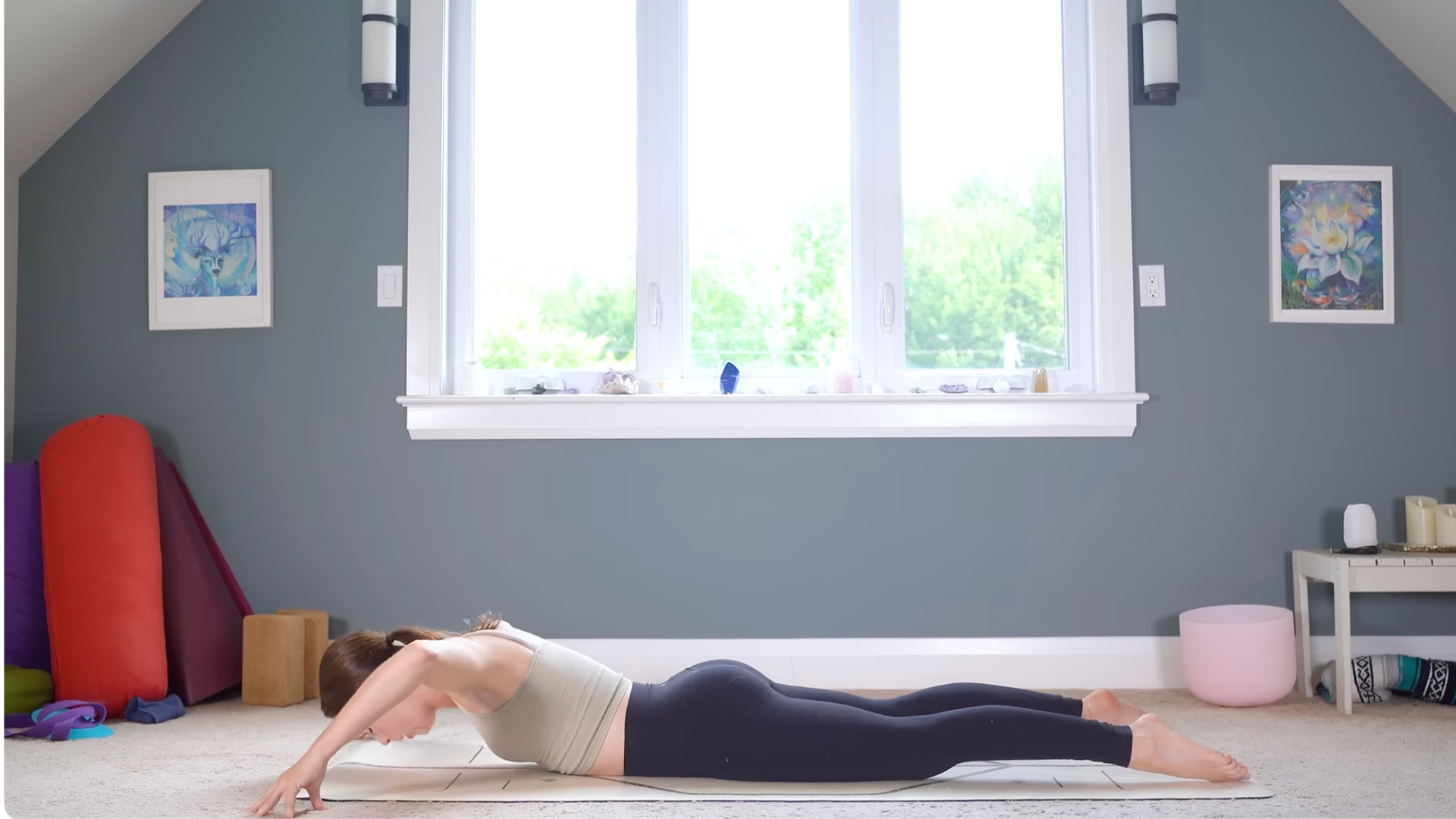
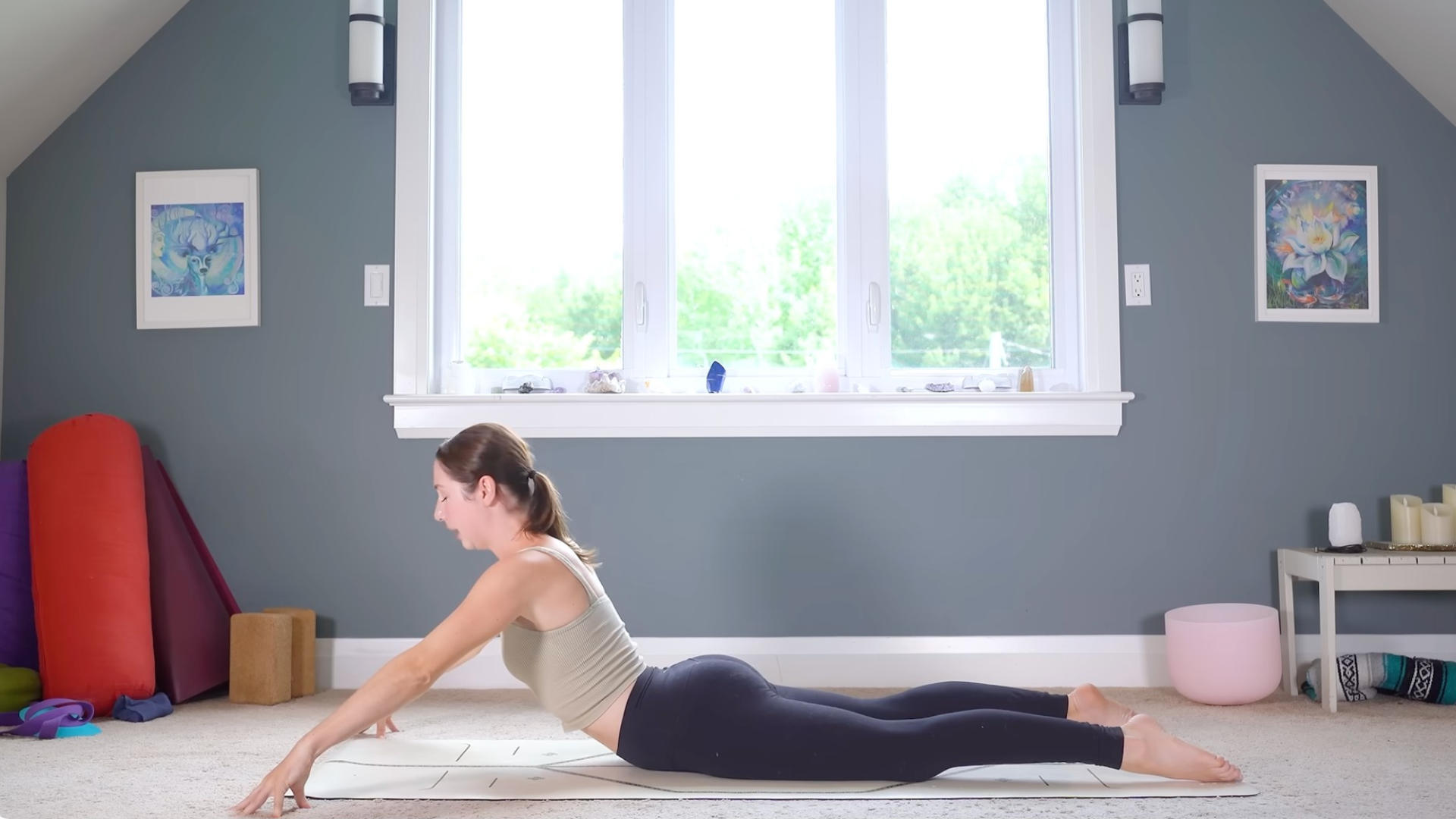
- Sphinx Pose: By propping the body on the forearms with elbows slightly ahead of the shoulders, the practitioner creates a gentle backbend. The key here is not to collapse into the lower lumbar spine, but to actively pull the heart forward and roll the shoulders back. This creates an opening in the chest that counteracts the "hunch" associated with keyboard work.
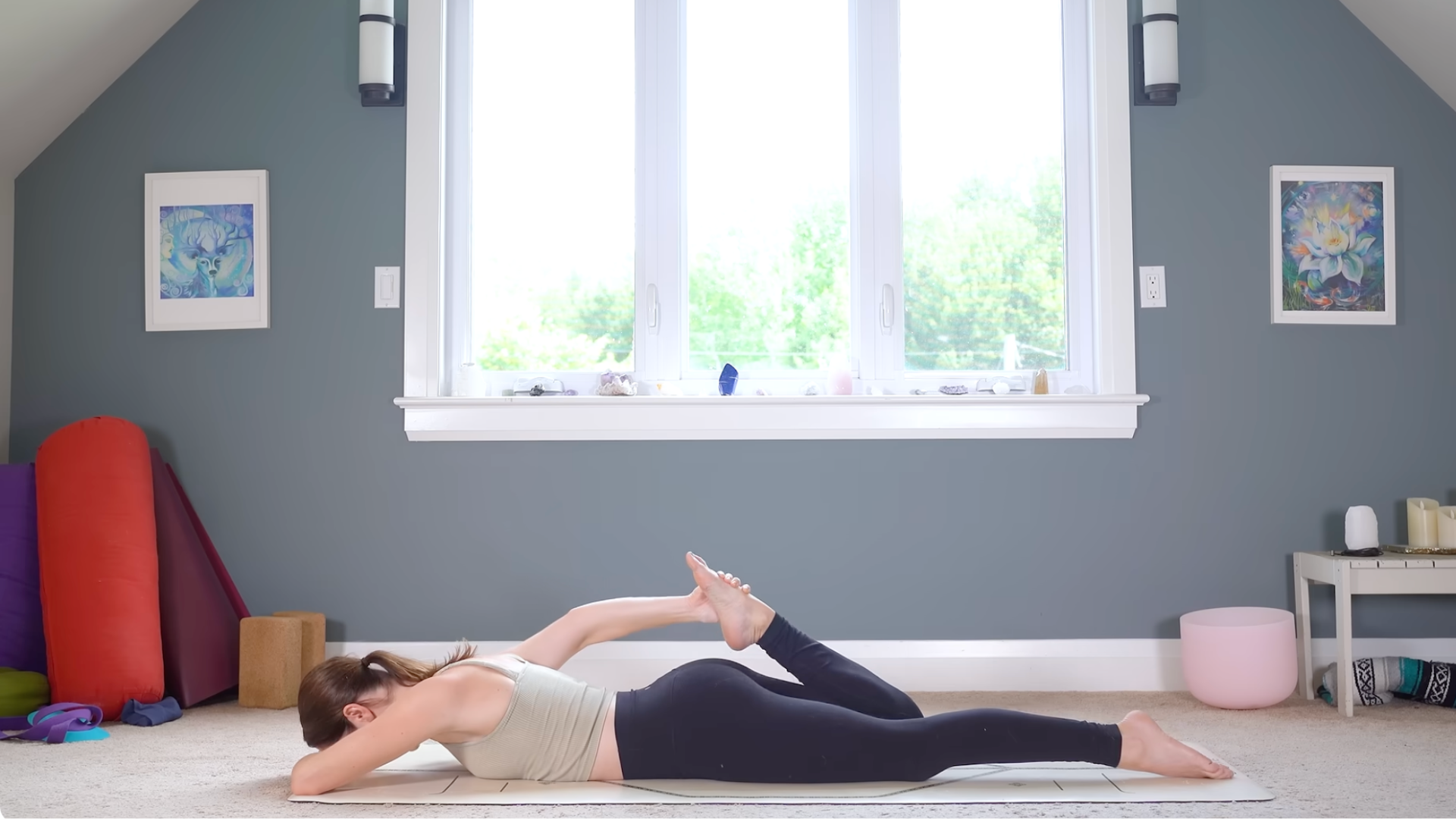
- Quad Stretch: Transitioning from the prone position, this stretch targets the often-neglected hip flexors and quads. By drawing the heel toward the glute, the practitioner facilitates a deep opening that releases tension built up from hours of sitting.
- Dynamic Cobra: This movement adds a kinetic element. By utilizing the fingertips like "spiders," the practitioner ripples the spine upward on the inhale and melts down on the exhale, effectively lubricating the vertebral column.
Phase 2: Mobility and Stability
Once the spine is warm, the practice moves into deeper, more targeted stretches.
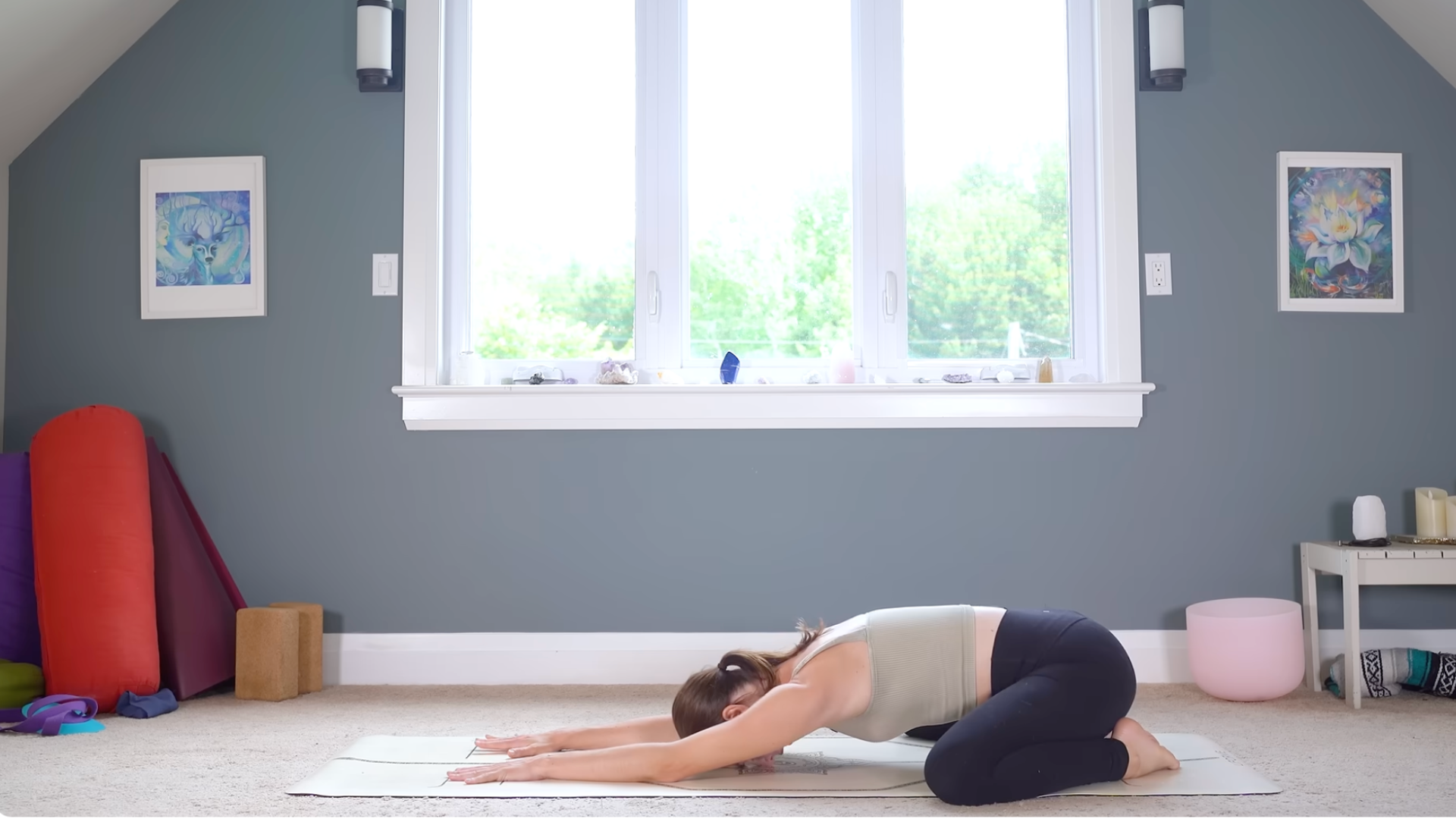
- Child’s Pose: A quintessential resting posture, the wide-kneed variation allows for an intense release in the inner thighs and a deep stretch through the latissimus dorsi and upper back.
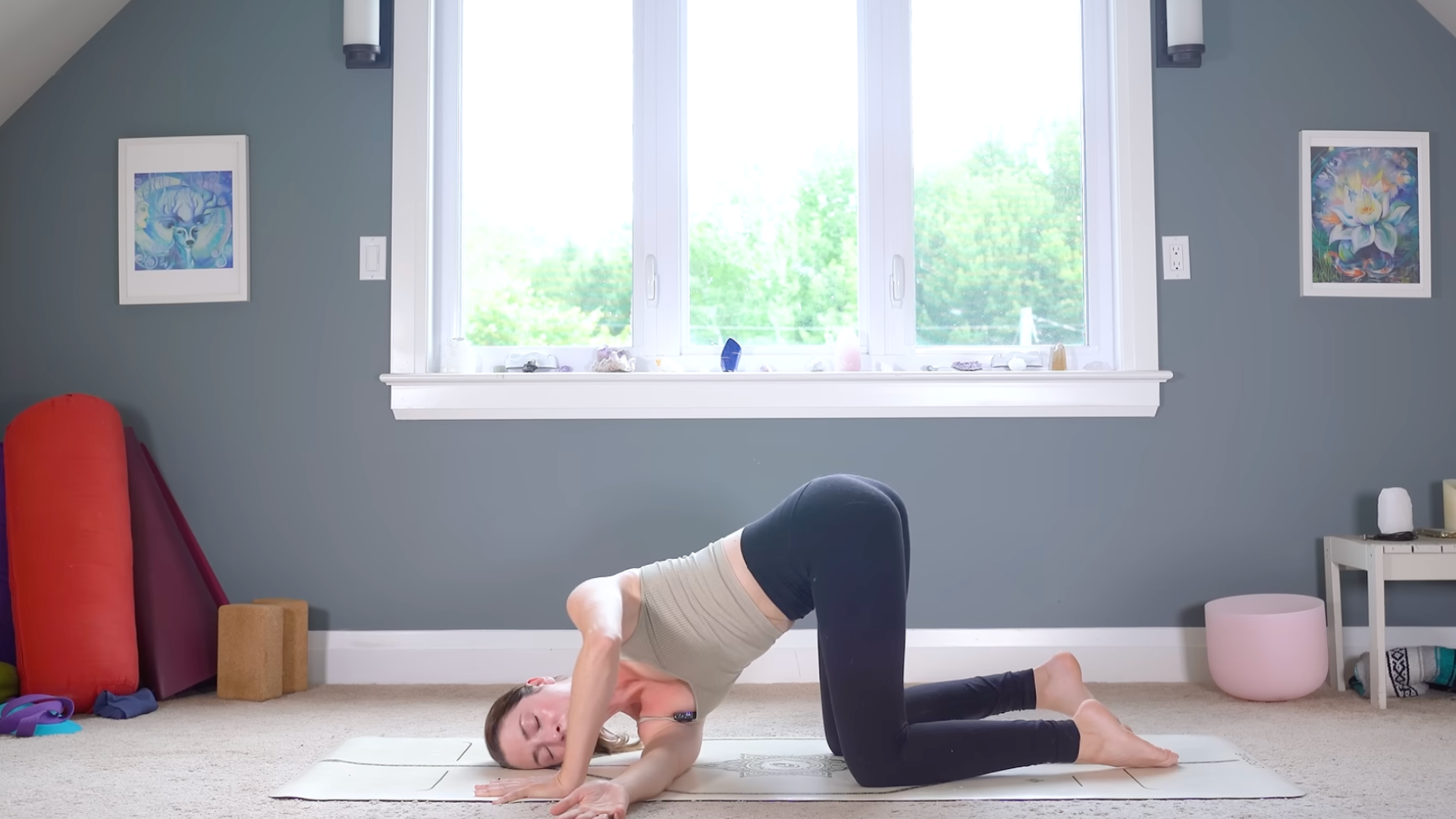
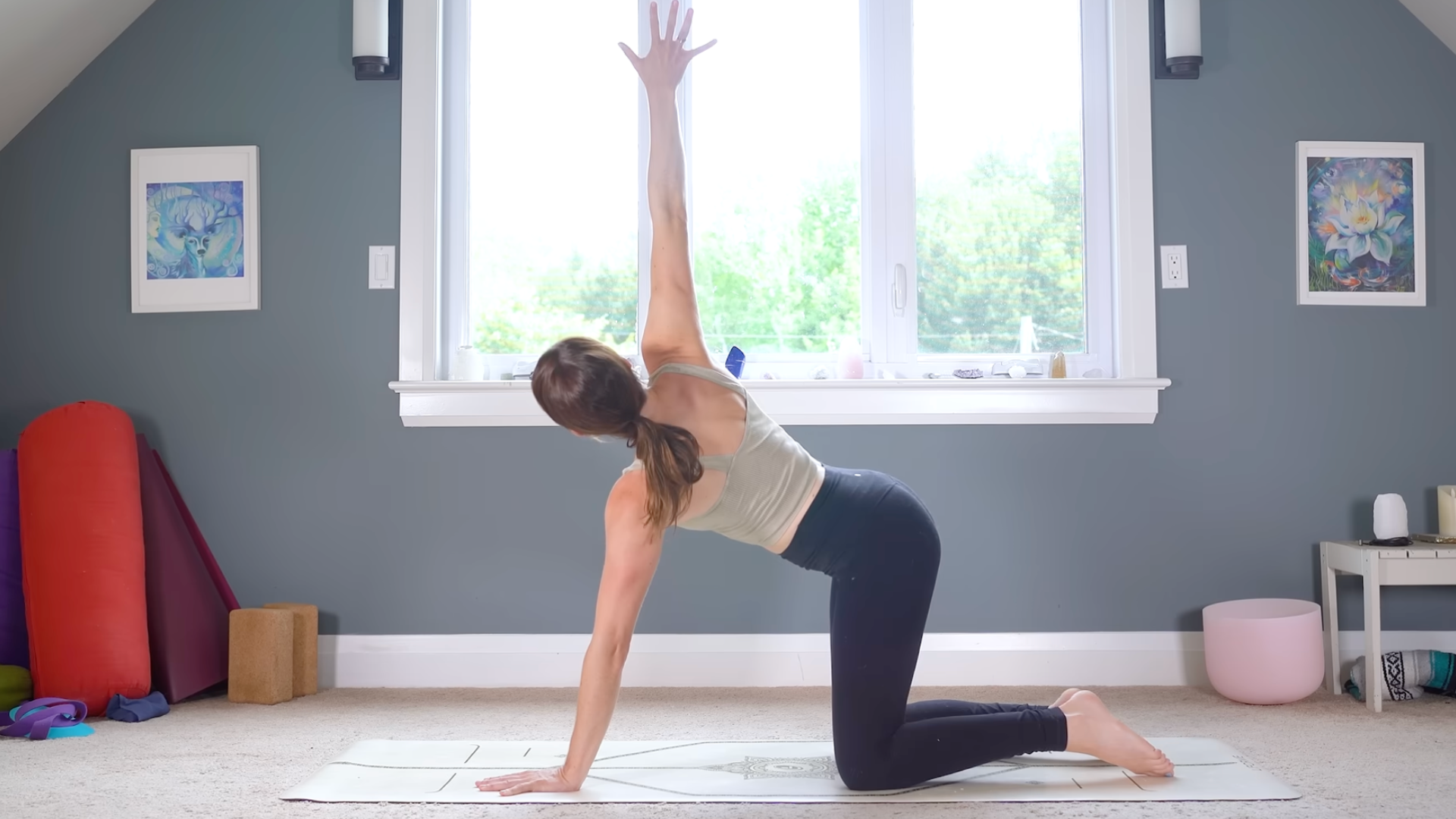
- Thread the Needle: This pose is critical for addressing mid-back tension. By reaching the arm underneath the chest, the practitioner creates a lateral stretch that targets the rhomboids and the space between the shoulder blades.
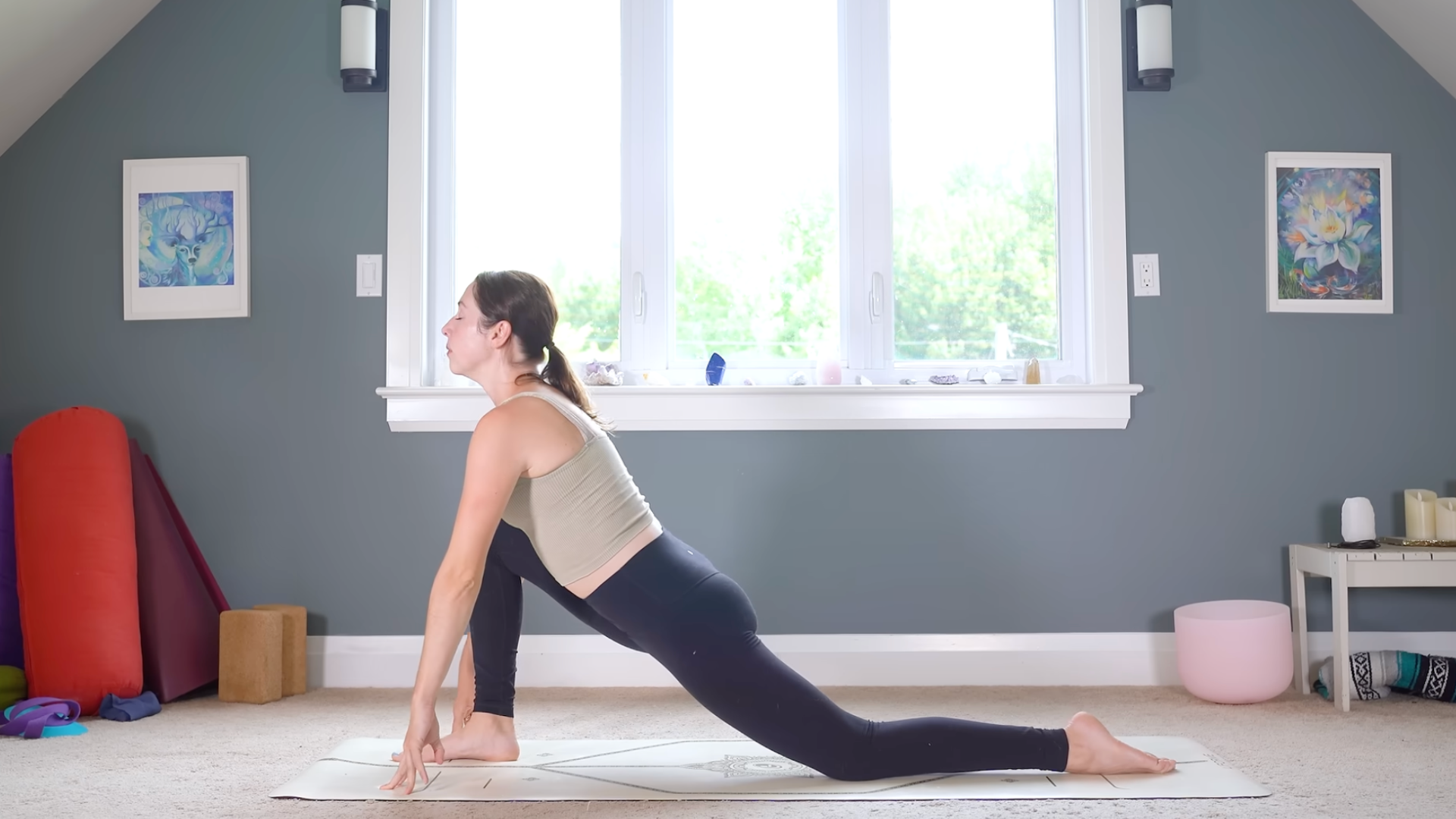
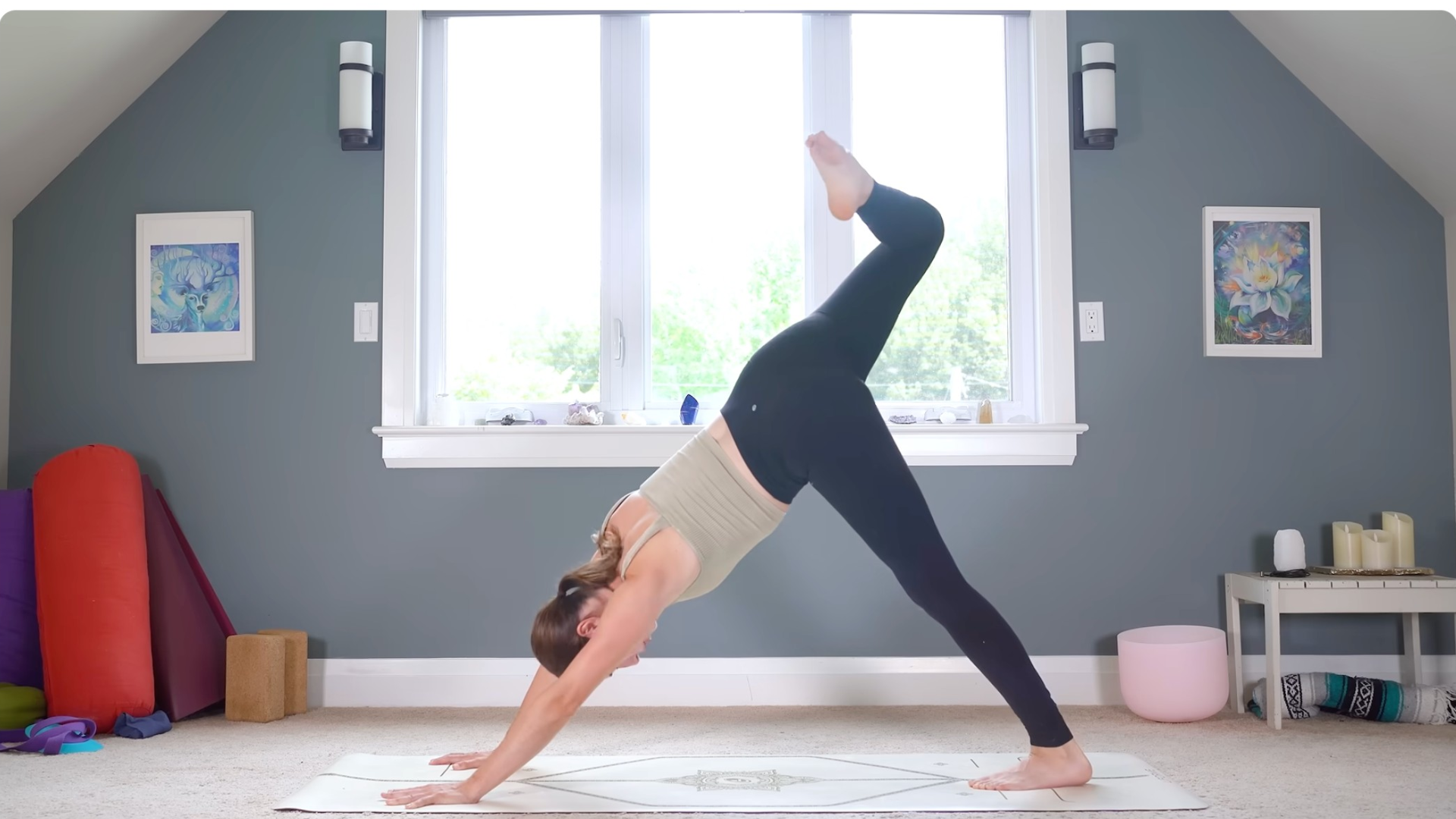
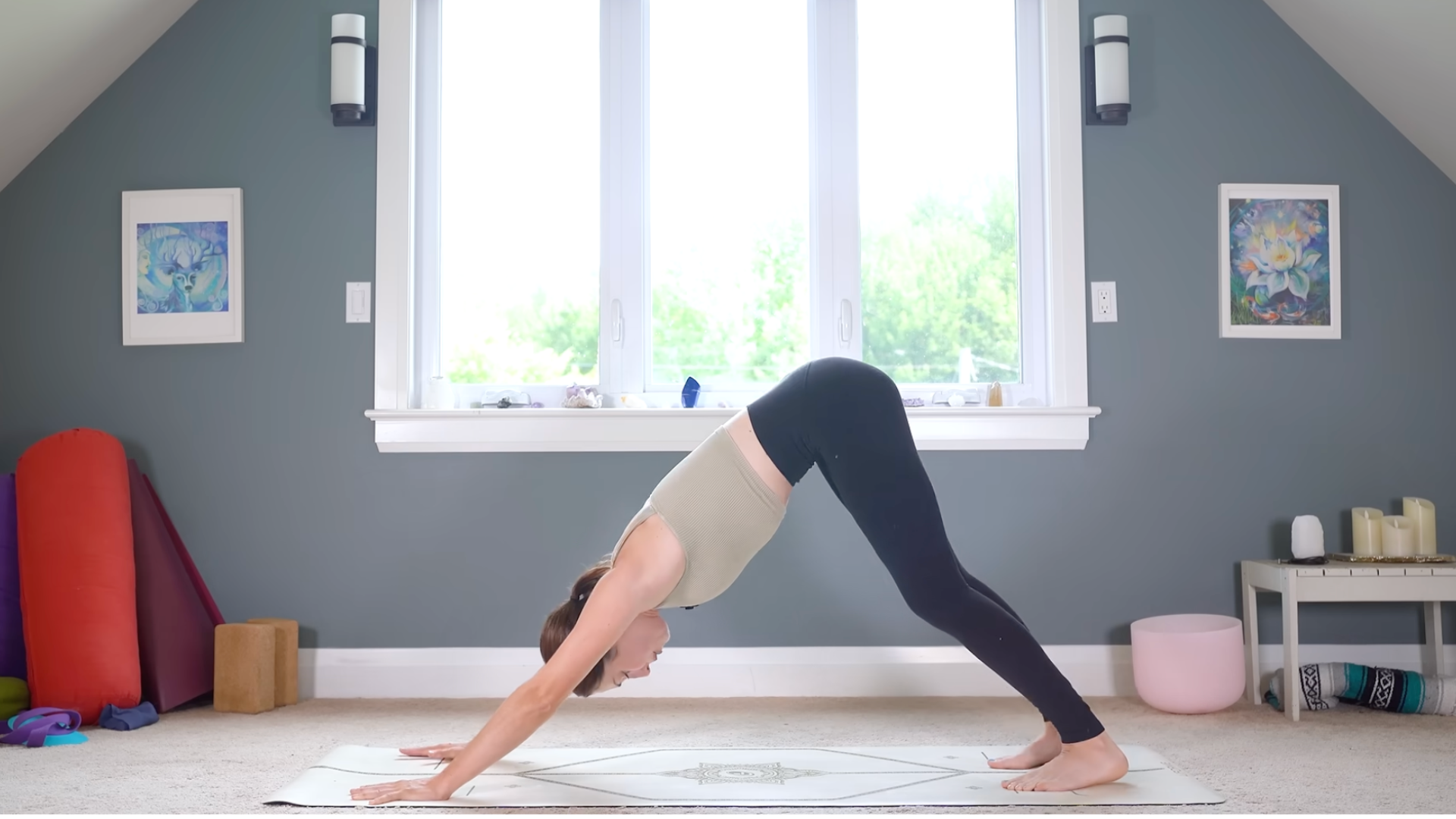
- Low Lunge to Three-Legged Dog: This transition shifts the focus to the lower body, engaging the hamstrings and glutes while continuing to open the hip flexors.
Phase 3: The Standing Series
The flow incorporates standing postures to build functional strength and balance.
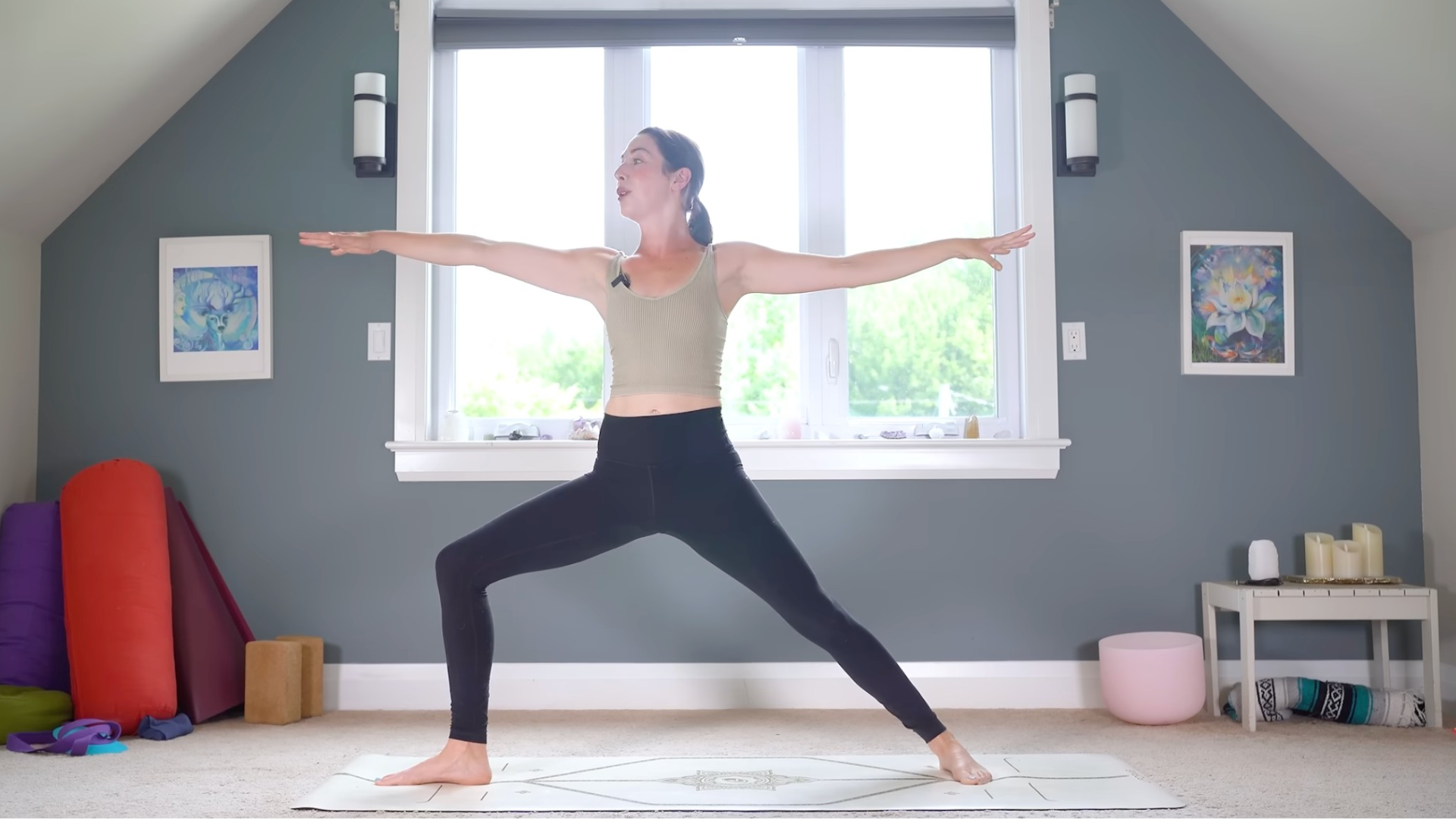
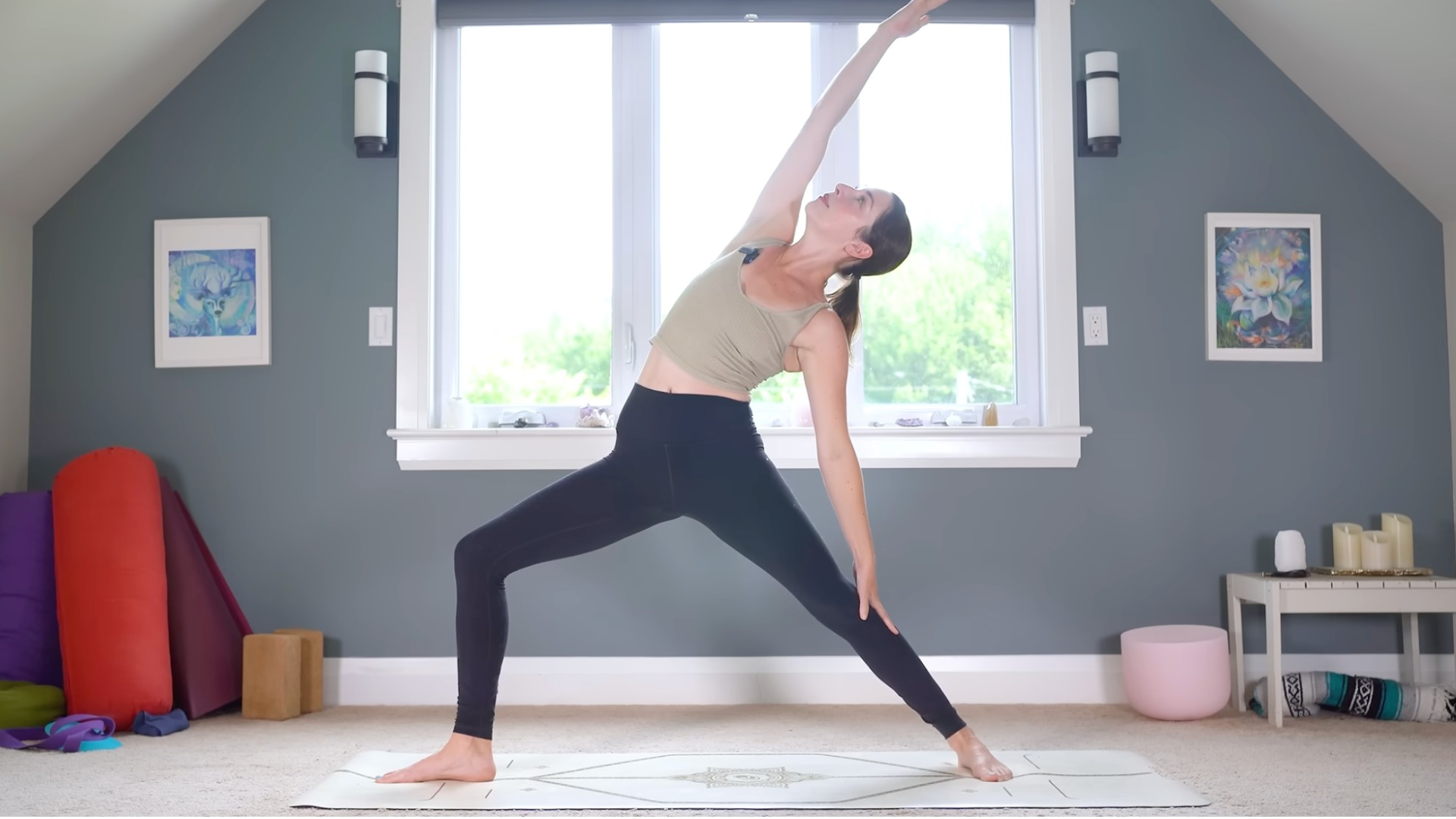
- Warrior 2 & Reverse Warrior: These foundational poses build endurance in the legs while stretching the side body.
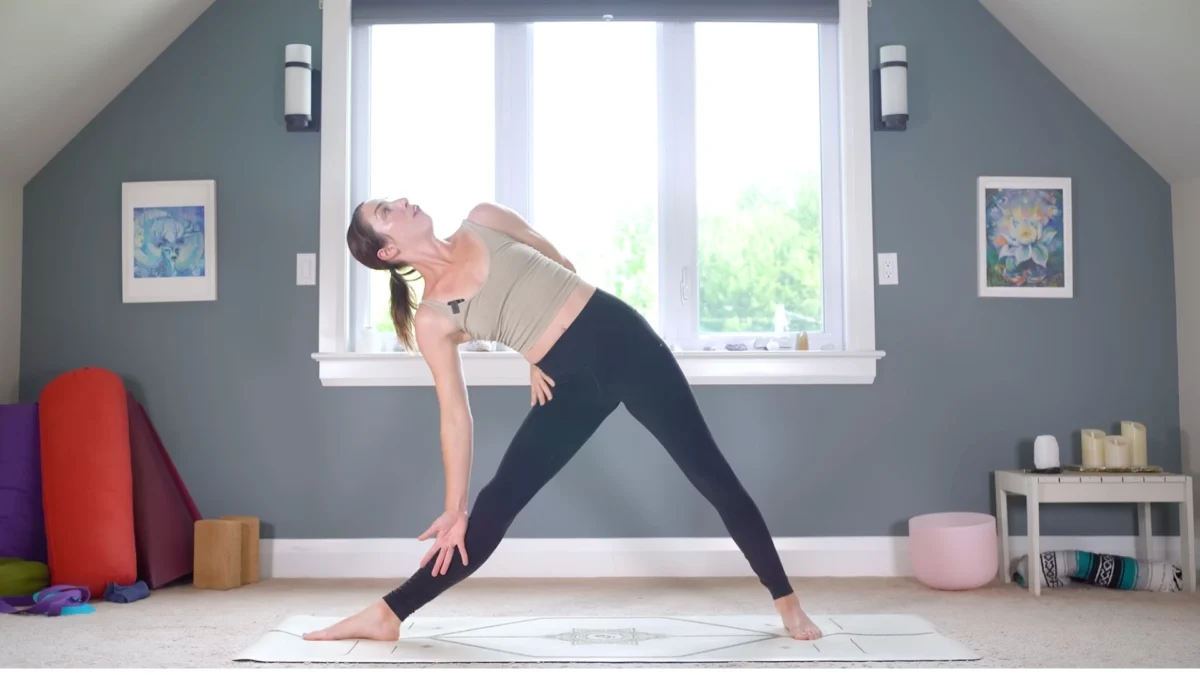
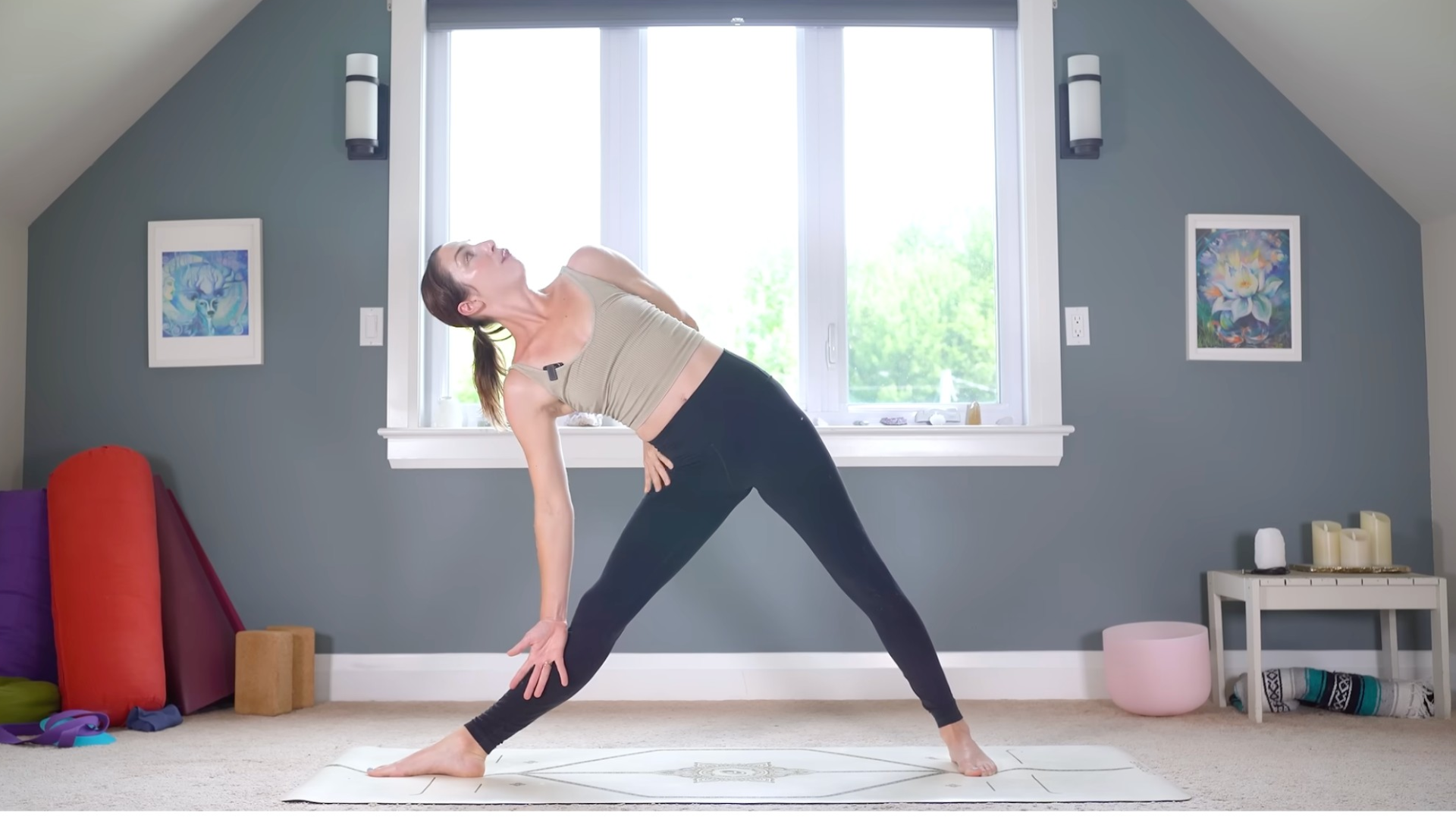
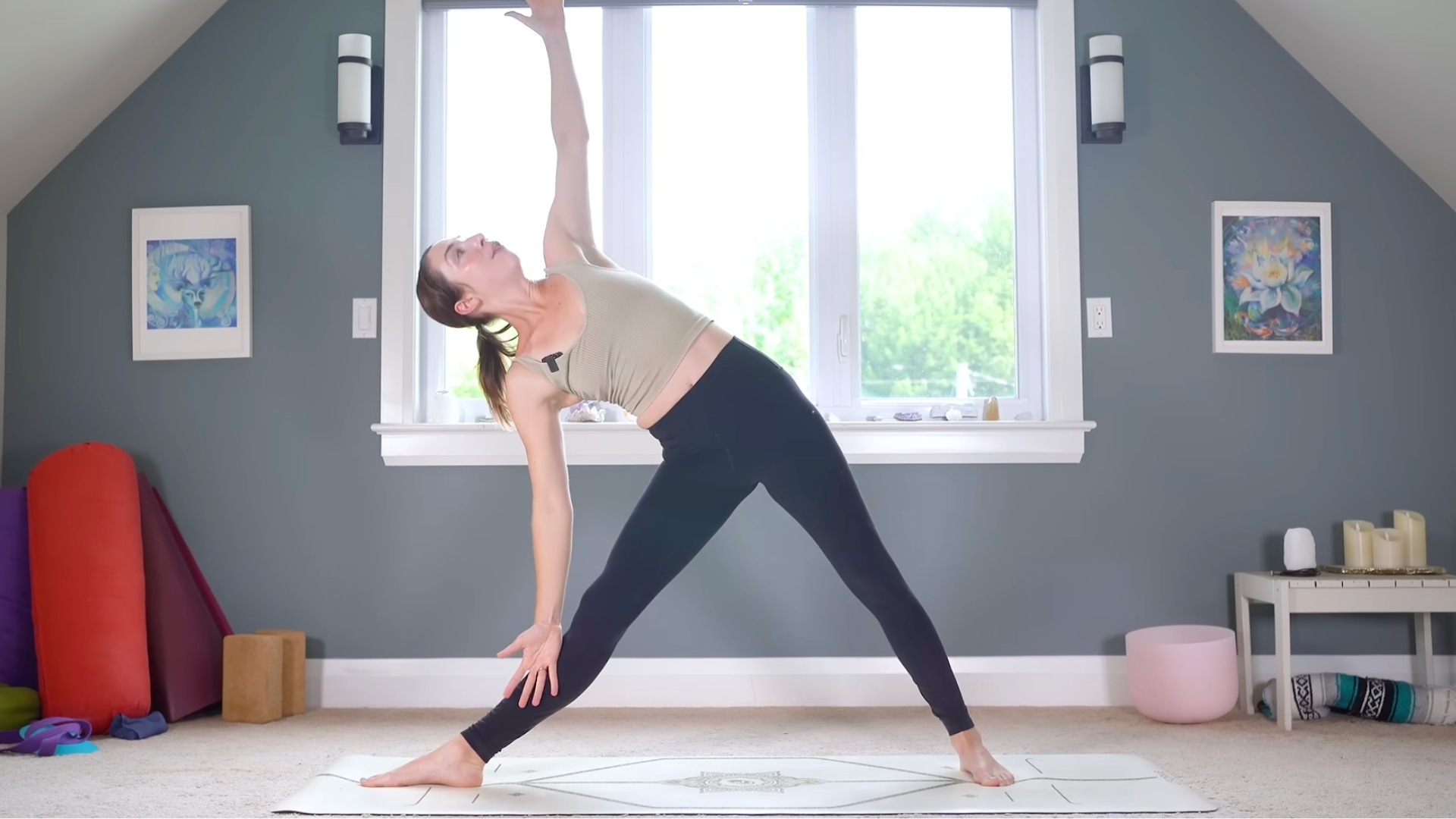
- Triangle Pose: This posture serves as a deeper hamstring and spinal lengthener. The optional "half bind" offers a challenge for those looking to open the chest further, though it remains an elective addition to keep the practice accessible.
Phase 4: Seated Restoration and Savasana
The final segment of the routine prioritizes recovery.
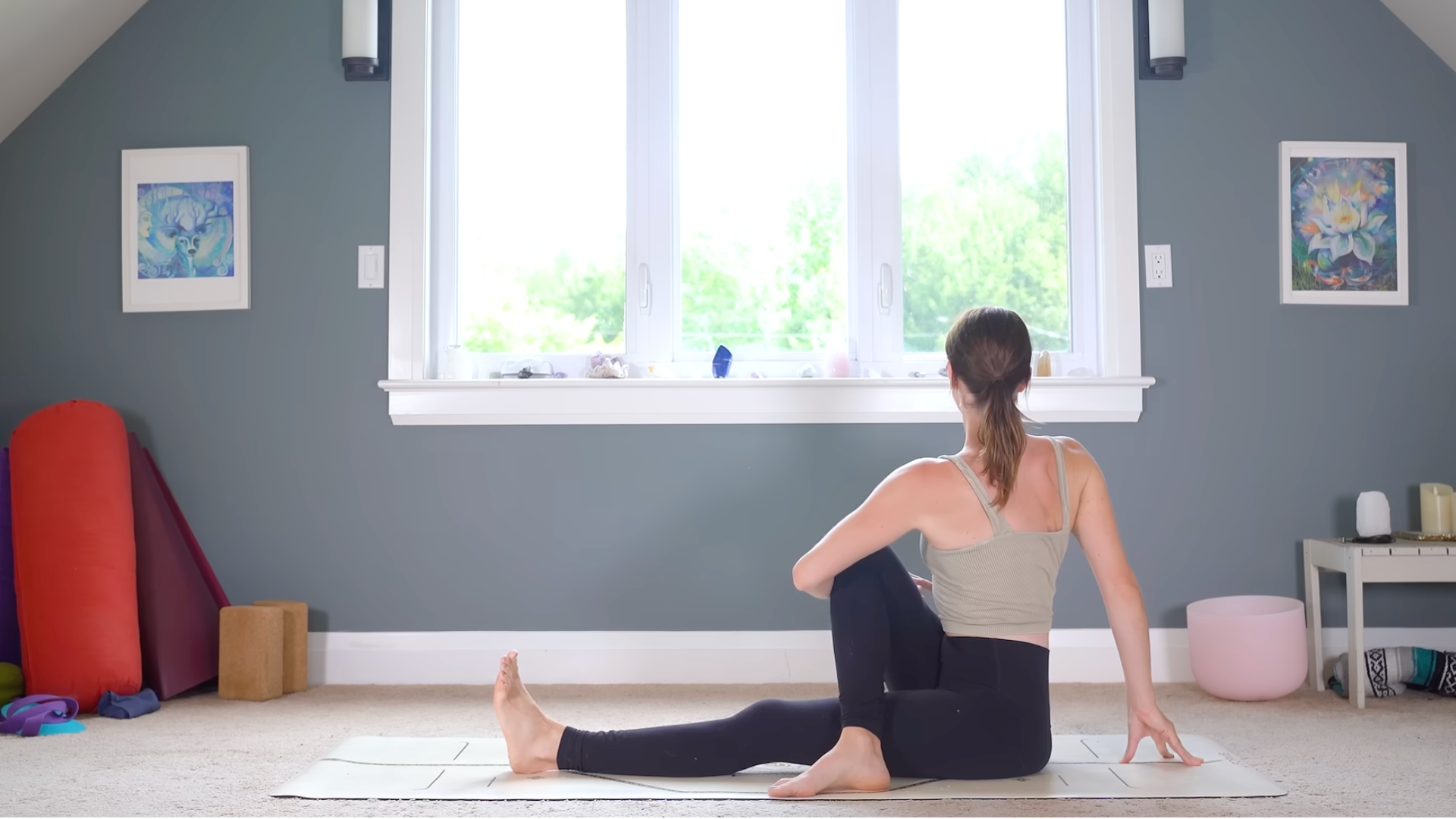
- Seated Twist & Cow-Face Pose: These postures address the hips and rotational mobility of the spine. The Cow-Face fold, in particular, is highly effective at decompressing the outer hips.
- Happy Baby: By grabbing the shins or feet and pressing the tailbone into the mat, the practitioner provides the lower back with a much-needed release.
- Savasana: The practice concludes with three minutes of stillness. In the context of a 15-minute routine, this is not "filler"—it is the integration phase where the nervous system shifts from sympathetic (fight or flight) to parasympathetic (rest and digest).
Supporting Data: The Science of Short-Duration Stretching
Current physiological research supports the efficacy of short, frequent bouts of stretching. Studies in The Journal of Strength and Conditioning Research have noted that even brief periods of static and dynamic stretching can significantly improve range of motion (ROM) and reduce the "myofascial adhesions" that develop from prolonged sitting.
Furthermore, the emphasis on slow, deep breathing throughout this routine is backed by clinical data. Controlled, rhythmic breathing during stretching has been shown to downregulate the hypothalamic-pituitary-adrenal (HPA) axis, effectively lowering cortisol levels. When a person holds a stretch for 30 to 60 seconds while breathing deeply, they trigger the Golgi tendon organ—a sensory receptor that sends a signal to the muscle to relax, allowing for a deeper, safer stretch.
Expert Perspectives and Professional Commentary
Physical therapists and yoga educators alike emphasize that the "everyday" nature of this routine is its greatest strength. Dr. Elena Vance, a specialist in musculoskeletal rehabilitation, notes: "The mistake most people make is ‘weekend warring’—trying to do an hour of intense stretching once a week. The body craves consistency. A 15-minute daily practice creates a ‘maintenance loop’ that prevents the kind of acute stiffness that leads to chronic injury."
The absence of props in this specific sequence also removes the friction of "preparation time." By keeping the barrier to entry low, the practitioner is statistically more likely to maintain the habit over a long period. As noted in the instructions, while blocks and straps are useful, they are not mandatory, making this routine portable and adaptable for hotel rooms, offices, or living rooms.
Implications for Long-Term Health
The implications of adopting a 15-minute daily mobility habit are significant. Beyond the immediate relief of muscle tension, the cumulative benefits include:
- Improved Postural Awareness: Consistent stretching trains the brain to recognize when the body is slouching or holding tension, allowing for real-time corrections throughout the day.
- Injury Prevention: By keeping the muscles and tendons supple, the risk of strains and sprains during daily activities is substantially reduced.
- Psychological Clarity: The integration of breathwork with movement provides a "mental reset." This is not just a physical practice; it is a mindfulness exercise that allows the practitioner to disconnect from digital stressors and reconnect with their physical form.
Conclusion
In a world that demands constant speed and productivity, the 15-minute full-body stretch is an act of defiance. It is a recognition that the body is not a machine to be driven into the ground, but a vessel that requires maintenance to function optimally.
Whether you are a professional athlete looking for recovery, or a remote worker struggling with the aches of a home office, this routine offers a path to physical comfort. By dedicating just 1% of your day to this flow, you are not just stretching muscles; you are investing in the longevity of your most important asset: your health. As the saying goes, "the body is a reflection of how we treat it." Through this simple, gentle, and effective practice, that reflection becomes one of comfort, ease, and resilience.