










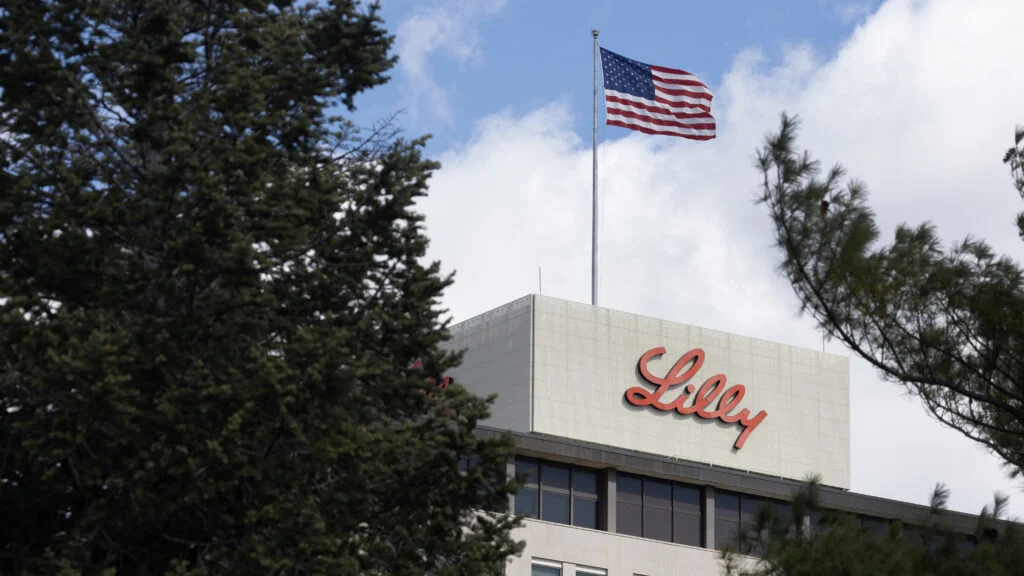
In a high-stakes escalation of a long-simmering dispute between the pharmaceutical industry and the American hospital system, Eli Lilly has begun stripping mandated drug price discounts from dozens of hospitals. The move, which marks a significant tightening of the company’s enforcement of the federal 340B Drug Pricing Program, targets health systems that have refused to submit granular claims data to the manufacturer.
For years, the 340B program—designed to allow safety-net hospitals to purchase outpatient drugs at a discount to stretch scarce federal resources—has been a battleground for policy debates. Now, the conflict has moved from legislative halls to the direct financial operations of healthcare providers.
The Core Conflict: Transparency vs. Privacy
At the heart of the dispute is Eli Lilly’s January policy, which mandates that participating 340B hospitals provide the company with comprehensive claims data. Lilly argues that this data is essential to verify that the hospitals are not "double-dipping"—a practice known as duplicate discounting, where a manufacturer pays a 340B discount and then, through the Medicaid Drug Rebate Program, is charged a second rebate for the same drug.
"Our goal is to ensure that the 340B program functions as intended, without the systemic inefficiencies that lead to duplicate discounts," a representative for the company indicated in earlier communications.
Hospital trade groups and advocates, however, view the mandate as an overreach. They argue that the 340B statute does not grant manufacturers the authority to demand patient-level data or to unilaterally cut off access to discounted pricing based on compliance with private data-sharing requests. For these hospitals, the data submission requirement represents an administrative burden and a potential breach of patient privacy protocols.
Chronology of the Escalation
The friction between Lilly and the hospital sector did not emerge overnight. It is the result of a multi-year campaign by pharmaceutical companies to curb the expansion of the 340B program.

- January 2024: Eli Lilly formally announced its new policy requiring hospitals to submit 340B claims data to maintain eligibility for discounted pricing on certain products.
- February 1, 2024: The policy officially went into effect. While the company allowed a grace period for implementation, the warning signs for non-compliant hospitals were clear.
- Early June 2024: Following a period of outreach, Lilly issued a firm ultimatum to approximately 1,000 hospitals that had yet to comply with the new reporting requirements.
- Mid-June 2024: After failing to receive the requested data, Lilly began the process of terminating access to the discounted pricing tier for a select group of several dozen large, non-compliant hospital systems.
This timeline reflects a strategic shift from industry-wide advocacy to aggressive, firm-specific enforcement. By targeting specific large systems, Lilly is signaling its willingness to weather potential litigation in order to set a precedent for the rest of the industry.
Supporting Data and the Scale of Impact
The 340B program is a massive component of the U.S. healthcare economy. According to recent estimates, 340B drug purchases account for nearly 15% of all outpatient drug spending in the United States.
Lilly has maintained that approximately 2,300 hospitals complied with their initial demands. However, the holdouts represent some of the most prominent health systems in the country. The focus on roughly 50 "larger hospitals" suggests that Lilly is prioritizing high-volume purchasers where the financial impact of duplicate discounts is most significant.
For a large hospital system, the loss of 340B discounts on a single major drug product can result in millions of dollars in increased operational costs annually. These costs, hospital advocates argue, are eventually passed on to patients, undermining the very purpose of the 340B program, which was meant to subsidize care for the uninsured and the underserved.
Official Responses and Industry Polarization
The reaction from the hospital sector has been swift and condemnatory. Major hospital associations, including the American Hospital Association (AHA), have repeatedly urged the federal government to intervene.
"Eli Lilly’s decision to unilaterally impose conditions on a federal program that they do not own or administer is a direct challenge to the authority of the Health Resources and Services Administration (HRSA)," said a spokesperson for a leading hospital advocacy group. "This is an unlawful move that will limit patient access to care and punish hospitals that are simply following the law as it is written."

Conversely, the pharmaceutical industry maintains that the status quo is untenable. PhRMA (Pharmaceutical Research and Manufacturers of America) has consistently argued that the lack of transparency in the 340B program has allowed it to balloon into a profit-generating tool for large hospital chains rather than a safety net for the poor.
"The lack of oversight in the 340B program has created a black box," said a policy analyst familiar with the industry’s stance. "Manufacturers are being forced to pay billions in discounts without any ability to audit the legitimacy of those claims. Lilly is simply demanding the basic accountability that should have been there from the start."
Implications for the Future of 340B
The implications of this standoff extend far beyond the balance sheets of the parties involved.
1. Legal Precedents
The courts are increasingly being asked to define the limits of manufacturer power within federal programs. If Lilly’s policy is allowed to stand, it is likely that other major pharmaceutical companies will follow suit, creating a fragmented landscape where hospitals must navigate dozens of different, and potentially conflicting, data reporting requirements.
2. Congressional Intervention
There is growing pressure on Congress to settle the matter through legislation. However, the legislative path is fraught with difficulty. The pharmaceutical lobby is powerful, and the hospital lobby is equally entrenched. A "legislative fix" would likely require a compromise that neither side is currently willing to entertain—namely, increased oversight for hospitals in exchange for a formalized, standardized data-sharing process.
3. Impact on Patient Care
The most critical question remains: How will this affect the patient? If hospitals lose their 340B savings, they face a choice: absorb the cost, reduce the scope of their charity care, or raise prices for other services. In an environment where hospitals are already operating on razor-thin margins, the most likely outcome is a reduction in the "wraparound" services—such as patient navigation, transportation, and specialized clinics—that 340B savings often fund.

4. The Role of HRSA
The Health Resources and Services Administration, the federal agency tasked with overseeing the 340B program, finds itself in a difficult position. Historically, HRSA has been criticized for being too passive. As these disputes move into the courtroom, the agency’s ability to act as the final arbiter of 340B policy is being severely tested.
Conclusion
The decision by Eli Lilly to cut off discounts for non-compliant hospitals is a watershed moment for the 340B program. It represents the end of an era of passive compliance and the beginning of a more litigious, enforcement-heavy phase.
As the dispute intensifies, both the hospital systems and the pharmaceutical giants remain locked in a zero-sum game. Without federal intervention, the result will likely be years of litigation, increased administrative overhead, and, ultimately, a less efficient healthcare system for the patients who rely on it most.
For now, the roughly 50 hospitals targeted by Lilly are forced to make a difficult choice: capitulate to the company’s data demands and risk setting a precedent that may erode their autonomy, or hold their ground and absorb the significant financial blow of losing critical drug discounts. The outcome of this stand-off will likely define the contours of pharmaceutical pricing and hospital revenue for the next decade.