











In the rapidly evolving world of athletic recovery, few modalities have sparked as much intrigue—and debate—as red light therapy (RLT). Once relegated to the sterile, quiet corners of clinical rehabilitation centers and dermatology clinics, the technology has undergone a high-speed migration into the mainstream. Today, it is a staple in boutique fitness studios, high-performance training centers, and the home routines of wellness-conscious consumers.
Positioned by marketers as a "biohack" to accelerate muscle repair, stifle inflammation, and skyrocket performance, RLT promises a physiological edge with minimal physical input. However, for the fitness professional, the challenge lies in distinguishing between evidence-backed science and the high-gloss marketing of an industry currently riding a wave of optimization-fueled trends.
1. The Science of Photobiomodulation: The Mechanism
At its core, red light therapy is known in academic circles as photobiomodulation (PBM). The technology utilizes specific wavelengths of light—predominantly in the red (600–700 nm) and near-infrared (700–1,100 nm) spectrums—to induce biological changes within the body’s tissues.
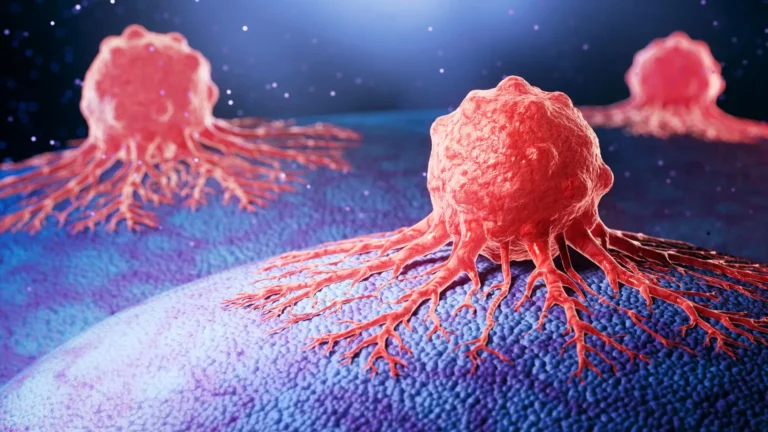
The proposed mechanism is elegant in its simplicity. When these light wavelengths penetrate the dermal layers, they are absorbed by chromophores within the mitochondria, specifically the enzyme cytochrome c oxidase. This interaction is thought to "supercharge" the mitochondria, the cell’s energy-producing powerhouse, by enhancing adenosine triphosphate (ATP) production. By increasing the energy available to the cell, the theory suggests that RLT can theoretically accelerate tissue repair, downregulate inflammation, and mitigate the oxidative stress caused by strenuous physical activity.
The Chronology of Adoption
- 1960s–1980s (The Clinical Foundation): Initial research began in medical settings, focusing on laser-based wound healing and chronic pain management. These studies were highly controlled, using specific laser outputs rather than the LED arrays seen today.
- 2000s–2015 (The Research Expansion): Studies began to explore PBM’s application in sports medicine, specifically regarding muscle soreness and oxidative stress markers, though the sample sizes remained small.
- 2018–Present (The Commercial Explosion): A shift toward consumer-grade LEDs allowed the technology to bypass clinical requirements. Suddenly, "recovery pods" and home-use panels moved from niche health circles into the mainstream fitness market, largely driven by social media influencers and wellness brands.
2. Evidence vs. Extrapolation: Supporting Data
While the cellular potential of PBM is well-documented in laboratory environments, the translation to the gym floor is where the narrative becomes nuanced.
Muscle Recovery and Soreness
Several studies, including work by Baroni et al. (2010) and De Marchi et al. (2012), have observed that applying PBM prior to eccentric exercise can reduce markers of muscle damage and the subjective experience of Delayed Onset Muscle Soreness (DOMS). While these results are promising, they are often modest. The therapy appears to be a "helper" rather than a "cure," working best when applied in specific, controlled windows.
Strength and Performance
The claims that red light therapy can directly enhance explosive power or strength are, at best, inconsistent. While some controlled trials show improved performance metrics, these findings are rarely replicated across diverse populations. Factors such as the intensity of the light, the duration of exposure, and the timing relative to the workout create a "protocol gap" that makes universal recommendations difficult.
The Problem of Variables
The primary hurdle for evidence-based practitioners is the lack of standardization. In a clinical study, researchers control the exact joules per square centimeter, the wavelength, and the pulse frequency. In a commercial gym, a client might spend five minutes in front of a panel of varying quality, with no regard for the depth of penetration required to reach the target muscle group. Without standard protocols, the "dose-response" relationship remains a mystery to most consumers.
3. The Hierarchy of Recovery: Contextualizing the Tool
To understand where RLT fits, fitness professionals must view it through the lens of the "Recovery Hierarchy." In the pyramid of athletic progress, RLT sits at the very peak—the marginal gains phase.
The Primary Levers of Recovery:
- Sleep: The non-negotiable bedrock. Without 7–9 hours of quality sleep, no amount of light therapy can compensate for hormonal imbalances or central nervous system fatigue.
- Nutrition and Hydration: Fueling the body to manage inflammation and provide the raw materials for tissue synthesis.
- Training Load Management: The most significant factor in preventing overtraining.
- Psychological Decompression: Stress management, which dictates the body’s systemic inflammatory response.
Red light therapy is an adjunct, not a foundation. A client who is overtraining and sleeping four hours a night will see zero "meaningful" benefit from an RLT panel. Conversely, an elite athlete who has already optimized their sleep, diet, and training volume might find that RLT provides the 1% edge needed to recover slightly faster between double-session training days.
4. Practical Implications for Professionals
For fitness coaches and personal trainers, the goal is to manage client expectations. Marketing often suggests that these devices are "set it and forget it" solutions for fitness growth. Reality dictates otherwise.
When RLT Has Value:
- Injury Rehab Support: In conjunction with a physiotherapist, PBM may assist in managing pain and inflammation during the recovery process for minor soft tissue injuries.
- Psychological Comfort: For many, the "ritual" of recovery is as important as the physiology. Providing a dedicated space for quiet, non-invasive recovery can improve a client’s adherence to their overall program.
- Localized Inflammation: For clients dealing with chronic, low-grade joint pain (as supported by Bjordal et al., 2003), localized light therapy can provide a non-pharmacological pain management strategy.
When RLT is Irrelevant:
- The "Band-Aid" Approach: If a client is using RLT to "fix" the damage caused by a poorly structured, excessively high-volume training program, the therapy is being used as a crutch rather than a tool.
- Budget-Constrained Clients: If a client’s budget is limited, investment in high-quality protein, magnesium, or a better mattress will yield exponentially higher returns than a monthly subscription to a recovery studio.
5. Navigating the Industry: The Professional Stance
The fitness industry is currently in a state of flux regarding RLT. Because consumer-grade devices vary wildly in power output—some offering little more than a "placebo glow" while others are powerful enough to trigger thermal effects—fitness professionals must act as filters for their clients.
Recommended Communication Strategy:
- Acknowledge the Science, Not the Hype: Validate the cellular mechanisms of PBM while being transparent about the modest magnitude of effect in human trials.
- Prioritize the Fundamentals: Always redirect the conversation to the "Big Four": Sleep, Nutrition, Training, and Stress.
- Financial Transparency: Encourage clients to perform a cost-benefit analysis. Is this $50/month membership actually improving your training, or could that money be better spent on professional programming or high-quality nutrition?
- Monitor Individual Response: Treat RLT as an experiment. If a client finds that it helps them feel better and stay consistent, that is a success—even if the physiological mechanism is only partially responsible.
Final Perspective
Red light therapy is a technology with genuine scientific roots, yet it remains a "luxury" addition to a well-built training program. Its ability to influence cellular activity is a testament to the sophistication of modern recovery tools, but it does not supersede the fundamental laws of human biology.
As research matures and protocols become more standardized, we may see a more defined role for RLT in athletic performance. For now, fitness professionals should view it as an optional supplement—a potential contributor to the margins of recovery, but never a replacement for the consistent, foundational work that drives long-term adaptation. In the pursuit of health and performance, the simplest, most consistent habits remain the most powerful.
References
- Baroni, B. M., et al. (2010). Low level laser therapy before eccentric exercise reduces muscle damage markers in humans. European Journal of Applied Physiology.
- Bjordal, J. M., et al. (2003). A systematic review of low level laser therapy with location-specific doses for pain from chronic joint disorders. Australian Journal of Physiotherapy.
- De Marchi, T., et al. (2012). Low-level laser therapy (LLLT) before exercise reduces oxidative stress and muscle damage induced by eccentric exercise in humans. Lasers in Medical Science.
- Ferraresi, C., et al. (2015). Low-level laser (light) therapy increases mitochondrial membrane potential and ATP synthesis in C2C12 myotubes. Photochemistry and Photobiology.