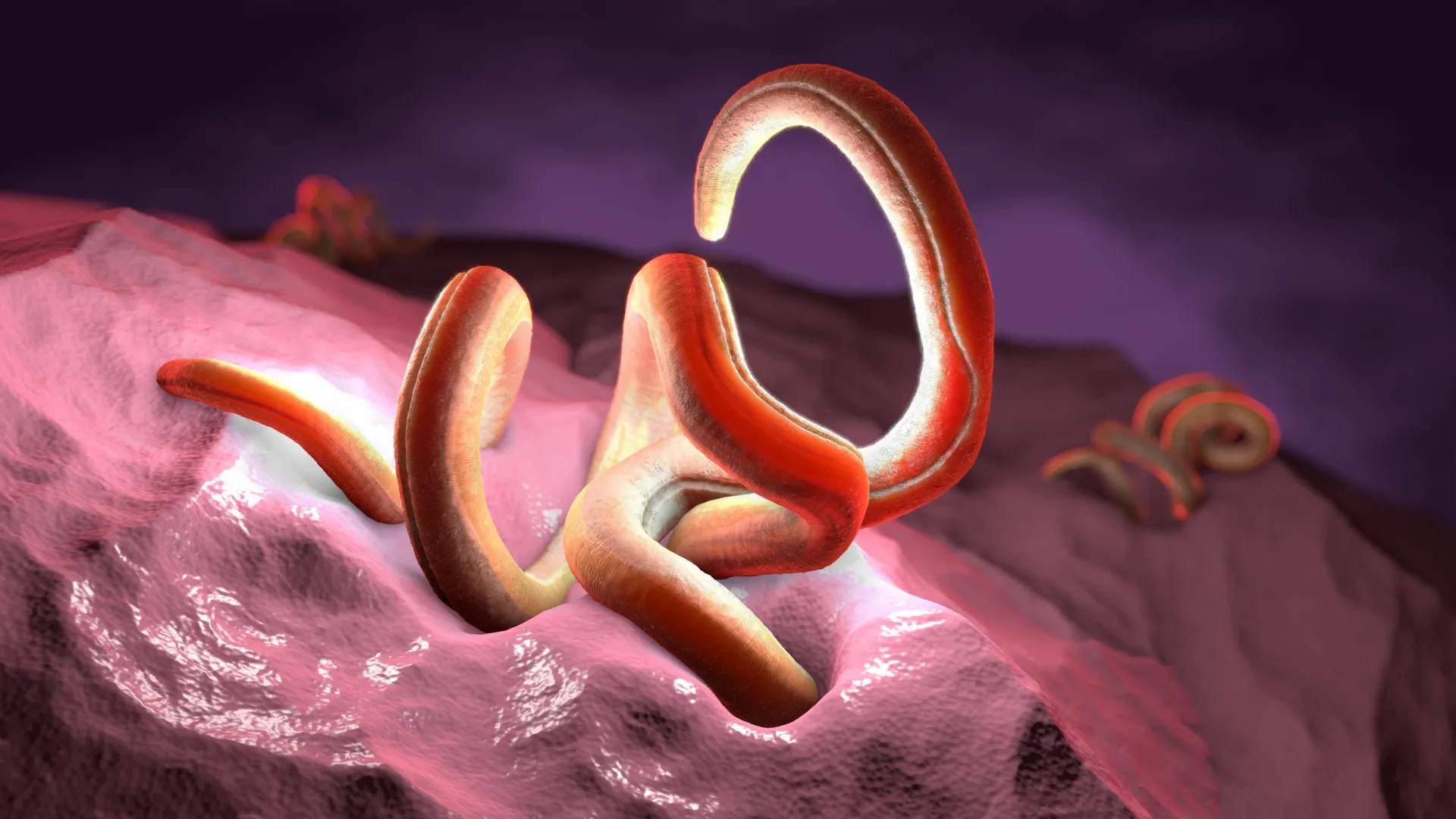
For most of human evolutionary history, the human gut was a bustling ecosystem teeming with a diverse array of organisms, including intestinal worms. However, the advent of modern sanitation, advanced hygiene, and pharmaceutical interventions in industrialized nations has effectively scrubbed these parasites from our internal landscape. While this shift has undoubtedly protected humanity from parasitic diseases, it has coincided with a perplexing, precipitous rise in autoimmune disorders and chronic inflammatory conditions.
Now, a groundbreaking study published in Nature Communications by parasitologists at the Biology Centre of the Czech Academy of Sciences (BC CAS) offers a new perspective on this medical mystery. The researchers have discovered that intestinal worms are not inherently anti-inflammatory; rather, their ability to modulate our immune system is entirely dependent on the host’s dietary fiber intake. When starved of fiber, these organisms enter a state of metabolic hibernation, rendering them useless as potential medical tools.
The "Old Friends" Hypothesis and the Promise of Helminth Therapy
The Evolution of the Immune System
The "Old Friends" hypothesis suggests that the human immune system co-evolved alongside various microorganisms and helminths (parasitic worms). These organisms, having lived within our ancestors for millennia, helped "train" the immune system to distinguish between harmless foreign objects and genuine threats. In the absence of this training, the modern immune system has become hyper-reactive, often turning its sights on the body’s own tissues, leading to the explosion of inflammatory bowel diseases (IBD), asthma, and allergies seen in the West.
The Rise of Helminth Therapy
Two decades ago, this theory prompted scientists to explore "helminth therapy"—the intentional introduction of specific, non-pathogenic parasitic worms to treat autoimmune conditions. The rationale was simple: if these worms were once part of our internal ecosystem, perhaps reintroducing them could "reset" an overactive immune system.
However, clinical results have been notoriously inconsistent. In some patients, symptoms of Crohn’s disease or ulcerative colitis improved dramatically; in others, the treatment failed to produce any discernible change. This inconsistency has long frustrated the medical community, turning helminth therapy from a promising frontier into a controversial and stalled medical experiment.
Chronology: Unraveling the Fiber Connection
To solve the puzzle of why helminth therapy works for some and not others, the team at the Institute of Parasitology at the Biology Centre CAS, led by Kateřina Jirků, began a controlled study to isolate the variables influencing parasitic behavior.
Phase 1: Identifying the Variable
The researchers hypothesized that the host’s nutritional landscape was the missing link. Using the rat tapeworm Hymenolepis diminuta—a model organism known for its safety and its historical success in laboratory studies regarding immune modulation—the team monitored how the worms responded to varying levels of structural fiber in the host’s diet.
Phase 2: The Fiber-Poor Environment
When the test subjects were fed a low-fiber diet—mimicking the typical low-fiber, high-fat Western diet—the tapeworms showed immediate signs of distress. They remained significantly smaller, failed to reach sexual maturity, and were unable to produce eggs. Genetic sequencing revealed that the worms had triggered a massive "down-regulation" of their metabolic and reproductive genes. They had entered a state of energy-saving hibernation, effectively "shutting down" their biological interaction with the host.
Phase 3: The Fiber-Rich Environment
Conversely, when the hosts were placed on a diet rich in structural fiber, the results were transformative. The worms flourished, reaching their full developmental potential. More importantly, the researchers observed a corresponding, robust anti-inflammatory response in the host’s immune system. The worms were no longer dormant; they were actively interacting with the host’s biological pathways to quell inflammation.
Supporting Data: The Biological Mechanism
The research highlights a sophisticated tripartite relationship between the diet, the gut microbiome, and the parasitic inhabitants.
Worm Development and Gene Expression
The genetic analysis of H. diminuta provided the "smoking gun." In fiber-poor conditions, the worms exhibited shifts in gene expression that effectively signaled a starvation response. Without the breakdown products of dietary fiber—such as short-chain fatty acids (SCFAs)—the worms lacked the chemical cues required to trigger their immune-modulating functions.
Reshaping the Microbiome
The impact of fiber was not limited to the worms. Fiber-rich diets fundamentally altered the host’s microbiome, promoting the proliferation of commensal bacteria associated with a healthy intestinal lining. In contrast, the low-fiber diet induced a state of dysbiosis, where beneficial bacteria were crowded out by pro-inflammatory strains. This suggests that the worms are just one part of a complex, fiber-dependent machinery. When the microbiome is healthy and the worms are active, they work in concert to suppress inflammation; when the fiber is gone, the entire system collapses into an inflammatory state.
Official Responses and Expert Analysis
"We found that when the diet contains a high proportion of structural fiber, the tapeworm is not only in excellent condition but is also able to induce an anti-inflammatory response in the host," explains Dr. Kateřina Jirků. "When fiber is lacking, the worm enters an energy-saving state resembling hibernation in mammals, and its anti-inflammatory effect disappears."
The implications of this finding are profound for the field of parasitology and gastroenterology. Experts not involved in the study have noted that this research shifts the focus from the parasite itself to the "ecological context" of the host. It explains why clinical trials for helminth therapy have been so erratic: if the participants were consuming Western-style, low-fiber diets, the therapeutic worms were likely entering hibernation, rendering the therapy ineffective.
Implications: A New Era for Digestive Health
The findings from the Biology Centre of the Czech Academy of Sciences extend far beyond the niche field of helminth therapy. They serve as a stark reminder of the fundamental importance of fiber in human health.
The "Fiber Gap" Crisis
Health organizations recommend that adults consume between 25 and 30 grams of fiber daily. However, the average intake in many Western nations remains well below this threshold. For context, traditional populations who maintain a diet of whole plants, tubers, and grains often consume between 80 and 120 grams of fiber daily—up to four times the current Western average.
Broader Health Consequences
The study underscores that the gut is not just a tube for processing food; it is an immune organ. A fiber-deficient diet does more than just starve the gut microbiome; it weakens the entire protective barrier of the body.
- Mental Health: There is a well-documented "gut-brain axis." A compromised microbiome, caused by lack of fiber, is increasingly linked to anxiety, depression, and neurodegenerative conditions like Alzheimer’s disease.
- Immune Regulation: The loss of microbial and parasitic diversity leads to an immune system that is "bored" and prone to attacking the body, increasing the risk of autoimmune flare-ups.
Future Therapeutic Directions
This research opens the door to a more nuanced approach to treating inflammatory diseases. Rather than simply introducing parasites into a patient, future treatments may require a "pre-treatment" phase where the patient’s microbiome is restored through high-fiber interventions. This would ensure that when the therapeutic agents are introduced, the environment is optimized for their survival and activity.
Furthermore, it invites researchers to investigate whether the anti-inflammatory effects of these worms can be replicated through the targeted use of specific microbial metabolites produced by fiber digestion. If we can identify the specific compounds the worms use to signal the immune system, we might be able to create "worm-inspired" therapies that provide the benefits of helminth therapy without the need for the living organisms themselves.
Conclusion
The study by the Czech Academy of Sciences serves as a profound biological lesson: we are not isolated individuals, but rather the centers of complex, interdependent ecosystems. Our health is intrinsically linked to the health of the trillions of microbes—and potentially the parasites—that reside within us.
By prioritizing fiber, we do more than aid digestion; we maintain the delicate, ancient balance of our internal biology. As we continue to unravel the complexities of the gut, it becomes increasingly clear that the path to curing modern inflammatory diseases may not lie in further isolating ourselves from nature, but in fostering the biological relationships that sustained our ancestors for millions of years. The "hibernating worm" is a warning: when we starve our internal ecosystem, we starve our own immune defenses.