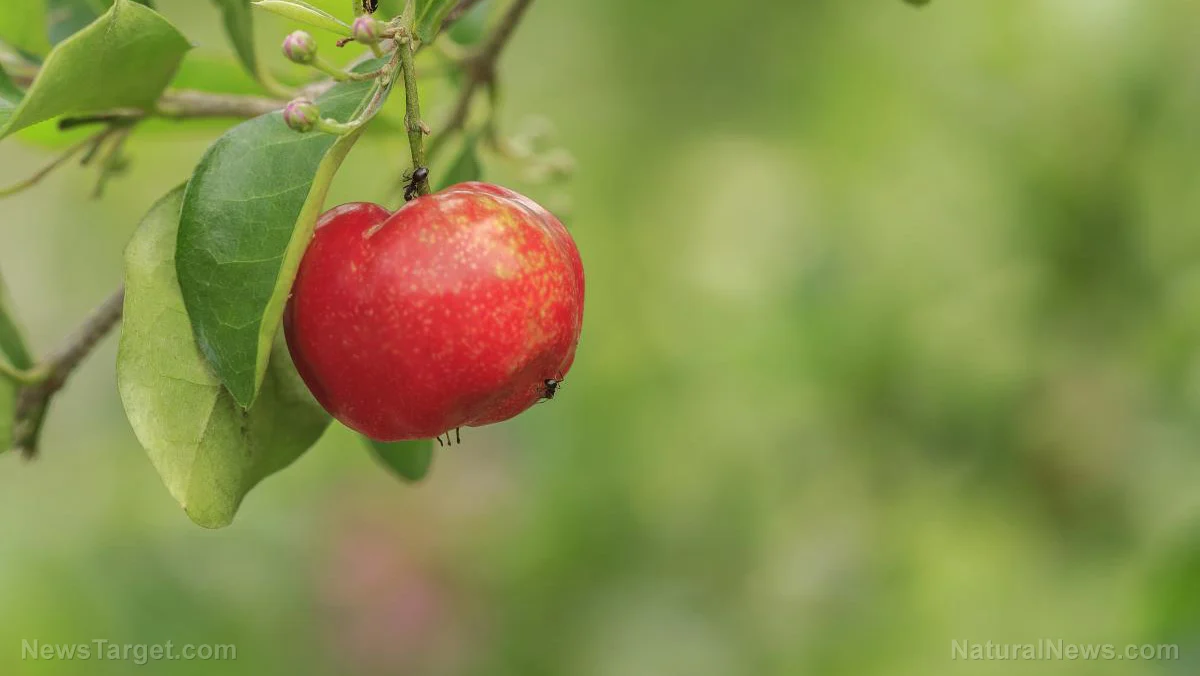
In the quest for optimal health, the modern consumer is increasingly turning away from synthetic, lab-isolated vitamins toward whole-food solutions. Standing at the forefront of this nutritional shift is the acerola cherry (Malpighia emarginata). Often overshadowed by more common citrus fruits, this small, vibrant red berry from the tropical regions of the Caribbean, Central, and South America is rapidly gaining recognition as one of the most potent natural sources of vitamin C on the planet.
With a concentration of vitamin C that dwarfs that of oranges and lemons by a factor of 50 to 100, the acerola cherry—also known as the Barbados cherry or West Indian cherry—is more than just a fruit; it is a bioavailable powerhouse of antioxidants, polyphenols, and flavonoids. As scientific interest in "functional foods" grows, the acerola cherry is emerging as a cornerstone of preventive wellness.
Main Facts: Unveiling the "Barbados Cherry"
Despite its common name, the acerola cherry is not a true cherry. It belongs to the Malpighiaceae family, a distinct botanical classification that explains its unique chemical composition. While a standard orange provides a baseline for vitamin C intake, a 100-gram serving of fresh acerola cherries delivers an astonishing 1,680 milligrams of vitamin C.
The primary distinction between acerola and synthetic supplements lies in its "food matrix." When we ingest vitamin C in an isolated, synthetic form (ascorbic acid), the body often struggles with absorption. Acerola, however, provides a complex ecosystem of nutrients—including anthocyanins, carotenoids, and polyphenols—that act synergistically. These compounds facilitate the absorption of vitamin C, ensuring that the body utilizes the nutrient more efficiently than it would from a lab-made pill.
A Chronological Perspective: From Ancient Medicine to Modern Superfood
The history of the acerola cherry is rooted in the traditional medicinal practices of indigenous cultures across the Americas. For centuries, healers in the Caribbean and tropical South America utilized the fruit to combat a variety of ailments. It was the "go-to" remedy for the common cold, persistent coughs, and, perhaps most notably, liver disorders.
- Pre-Columbian Era: The fruit was a staple in the diet of indigenous peoples, prized not only for its tart, refreshing flavor but for its perceived ability to revitalize the body during times of illness.
- The Mid-20th Century: Scientific scrutiny began in earnest during the 1940s and 50s, when researchers in Puerto Rico and Brazil identified the fruit’s extreme vitamin C levels, prompting international interest.
- The 21st Century: With the rise of the "clean label" movement, consumer demand for natural, whole-food-based supplements has catapulted acerola from a regional curiosity to a global health commodity. It is now a key ingredient in premium skincare lines and high-end immune-support formulas.
Supporting Data: The Nutritional Profile
The nutritional density of the acerola cherry is what sets it apart in the crowded landscape of health supplements. Beyond its headline-grabbing vitamin C content, the fruit provides a robust profile of essential micronutrients per 100-gram serving:
- Vitamin A: Essential for vision health, immune function, and cellular communication.
- Potassium: A critical electrolyte that aids in heart function and fluid balance.
- Magnesium: Involved in over 300 biochemical reactions in the body, including muscle and nerve function.
- B-Vitamins (Thiamine, Riboflavin, Niacin): Necessary for energy production and metabolic health.
- Fiber: Promotes gastrointestinal regularity and gut microbiome health.
Organically grown acerola cherries have been shown in multiple comparative studies to contain a higher concentration of antioxidants compared to conventionally grown counterparts. The absence of synthetic pesticides allows the plant to focus its energy on producing protective secondary metabolites, which the human body then benefits from upon consumption.
Clinical Implications: Science-Backed Health Benefits
The efficacy of the acerola cherry is not merely anecdotal. Modern research has begun to codify the traditional uses of the fruit into verifiable clinical outcomes.
The Immune System Powerhouse
The primary mechanism behind acerola’s immune-boosting properties is the stimulation of white blood cell production. By saturating the body with natural vitamin C, acerola helps to reduce the duration of common respiratory infections and provides a defensive barrier against environmental pathogens.
Anti-Aging and Dermatological Excellence
In the realm of skincare, collagen is king. Vitamin C is a mandatory cofactor for collagen synthesis; without it, the skin loses elasticity, leading to fine lines and sagging. Acerola’s high antioxidant profile (including vitamin A and flavonoids) protects the skin from UV-induced oxidative stress and pollution, effectively acting as an "internal sunscreen" that complements topical treatments.
Cardiovascular Protection
The polyphenols found in acerola have shown potential in modulating blood pressure and improving vascular endothelial function. By assisting in the reduction of LDL ("bad") cholesterol and preventing the oxidation that leads to atherosclerosis, regular consumption of acerola can be a significant dietary intervention for heart health.
Iron Absorption: The Vegetarian’s Secret Weapon
For vegans and vegetarians, iron-deficiency anemia is a common hurdle. Plant-based iron (non-heme iron) is notoriously difficult for the body to absorb. However, the presence of vitamin C significantly enhances the bioavailability of non-heme iron. Pairing acerola with iron-rich foods like spinach, lentils, or beans can double or even triple the amount of iron the body successfully absorbs.
Potential Anticancer Properties
While still in the preliminary stages, research into the phytochemicals of the acerola cherry suggests a role in cancer prevention. Flavonoids and carotenoids found in the fruit have demonstrated in vitro potential to inhibit the proliferation of certain cancer cells, particularly those associated with the stomach and esophagus.
Practical Application: How to Integrate Acerola into Your Life
Due to its high sugar content and rapid oxidation, fresh acerola cherries have a very short shelf life—often less than 48 hours after picking. For this reason, the global market relies on processed formats:
- Powders: Ideal for smoothies, yogurt, or oatmeal. These are typically freeze-dried to retain maximum nutrient potency.
- Juice Concentrates: A convenient way to get a concentrated dose, though consumers should be wary of added sugars in commercial blends.
- Encapsulated Supplements: Best for those looking for precise, therapeutic dosing without the tart flavor of the fruit.
Recommended Daily Intake
While there is no strict "upper limit" for whole food, general wellness guidelines suggest:
- For General Health: 500mg to 1,000mg of vitamin C equivalent per day.
- For Immune Support during illness: Up to 2,000mg, spread throughout the day to ensure maximum absorption.
Official Responses and Safety Considerations
While acerola is a natural food source, moderation remains a medical imperative. Excess vitamin C can lead to gastrointestinal distress, including diarrhea, nausea, and stomach cramps. Furthermore, individuals with specific health conditions must exercise caution:
- Kidney Health: High doses of vitamin C can increase the risk of oxalate kidney stones in susceptible individuals.
- Medication Interactions: Vitamin C can interact with chemotherapy drugs, blood thinners (like Warfarin), and hormone replacement therapy.
- Iron Overload: Those with hemochromatosis (a condition of iron overload) should avoid high-dose vitamin C supplementation, as it significantly increases iron absorption.
Always consult with a primary healthcare provider before making radical dietary changes, particularly if you are managing chronic health conditions or are currently under a prescription medication regimen.
Conclusion: A Superfood for the Modern Era
The acerola cherry represents a bridge between ancient ancestral wisdom and modern nutritional science. By providing a dense, bioavailable, and synergistic package of essential nutrients, it offers a compelling alternative to the "isolated vitamin" approach. Whether you are looking to bolster your immune defenses, improve your skin’s radiance, or protect your cardiovascular health, the acerola cherry stands as a potent, natural ally.
As we move toward a future where "food is medicine" becomes more than a slogan, incorporating the acerola cherry into your daily routine is a simple, effective step toward reclaiming your long-term vitality.
Disclaimer: This article is for informational purposes only and does not constitute medical advice. Always seek the counsel of a physician regarding your specific health needs.