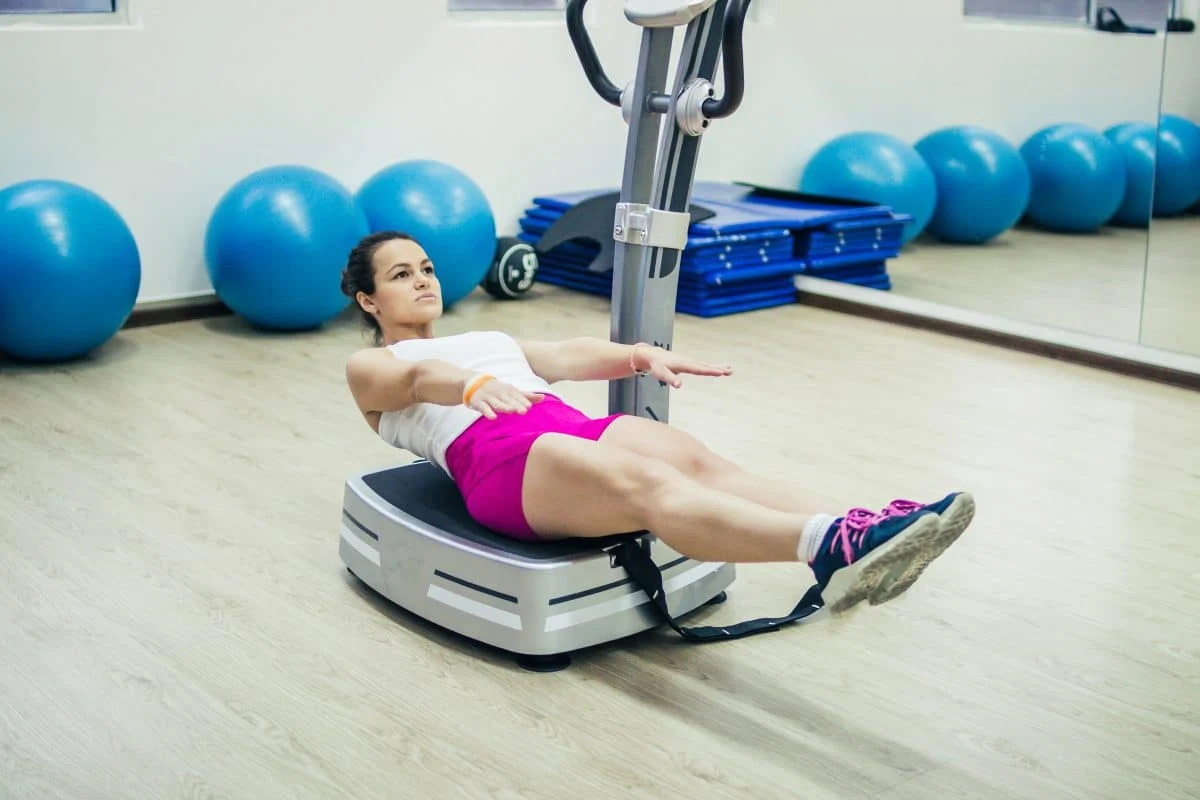
The landscape of human performance is undergoing a profound paradigm shift. For the past decade, the fitness and wellness industry has been dominated by the "quantified self"—a movement defined by wearables, heart-rate variability (HRV) monitors, and sleep-tracking rings that provided users with a digital mirror of their physiological state. However, a new wave of recovery technology is emerging, moving beyond the passive observation of data toward proactive, mechanical, and biological intervention.
From pneumatic compression boots and infrared light therapy to cryotherapy chambers and AI-driven muscle stimulation, recovery is no longer being treated as the absence of training. Instead, it is being positioned as a high-tech, active component of the training cycle itself. As these devices flood the consumer market, they bring with them a complex set of questions: Are we witnessing a genuine breakthrough in human performance, or are we simply paying for sophisticated sensory experiences that offer little in the way of long-term physiological adaptation?
The Evolution of Recovery: From Passive Rest to Proactive Tech
The Chronology of Recovery
To understand where we are, we must look at how the approach to recovery has evolved over the last thirty years:
- The Era of "Passive Rest" (1990s – Early 2000s): Recovery was defined by the absence of work. The prevailing wisdom was that if you trained hard, you simply needed to sleep, eat, and avoid the gym for 48 hours.
- The Metric-Driven Awakening (2010 – 2018): The rise of consumer wearables changed the conversation. Athletes began monitoring resting heart rate and HRV. Recovery became a data-driven process, where "readiness scores" dictated the intensity of the day’s workout.
- The Active Intervention Phase (2019 – Present): We have entered the era of the "Recovery Stack." Hardware now influences the body directly. Through external stimuli—heat, light, pressure, and electrical currents—devices aim to accelerate the clearance of metabolic waste, modulate the nervous system, and mitigate the inflammatory response.
The New Frontier: Compression, Light, and Heat
Modern recovery tools operate on the principle that the body’s natural recovery processes can be "hacked" or accelerated.
Pneumatic Compression
Devices that utilize sequential pulsing air pressure are designed to mimic the muscle pump of the lower extremities. By mechanically encouraging venous return, these systems attempt to reduce edema and perceived soreness. While their efficacy in clinical settings for lymphedema is well-documented, the fitness industry has scaled this to the amateur level, promising faster "turnaround times" for those training multiple times a day.
Photobiomodulation (PBM)
Infrared and red light therapy units have migrated from clinical dermatology and physical therapy clinics into home gyms. By exposing tissues to specific wavelengths, proponents suggest that PBM can increase mitochondrial activity and accelerate cellular repair. The allure is high: a non-invasive, painless way to ostensibly "recharge" cells at the microscopic level.
Thermal Modulation
The integration of heat and cold—often delivered via sophisticated water-circulating garments—is designed to manipulate local blood flow. While heat is used to increase circulation and tissue elasticity, cold therapy remains the gold standard for immediate inflammation management, despite emerging research suggesting that blunting the inflammatory response may actually inhibit muscle hypertrophy over the long term.
Supporting Data: The Science of Perceived vs. Physiological Recovery
The primary challenge for consumers and professionals alike is distinguishing between "perceived recovery" and "physiological adaptation."
Data from recent studies in sports science suggest that many of these interventions are highly effective at reducing Delayed Onset Muscle Soreness (DOMS). For example, athletes using compression garments frequently report lower levels of perceived pain. However, there is a divergence between subjective feeling and performance metrics.
| Intervention | Impact on Perceived Soreness | Impact on Muscle Adaptation (Hypertrophy) |
|---|---|---|
| Pneumatic Compression | High | Neutral |
| Red Light Therapy | Moderate | Potential for mild benefit |
| Cryotherapy | Very High | Negative (if used immediately post-lift) |
| Massage/Percussion | High | Neutral |
The data implies a critical trade-off. If an athlete uses an intervention that blunts the body’s inflammatory response—the very signal required for muscle growth—they may feel better, but they may be inadvertently "de-training" their long-term gains. This creates a scenario where the recovery tool serves the user’s immediate comfort at the expense of their ultimate athletic goal.
Official Responses: The Industry Divide
The professional community—comprised of strength and conditioning coaches, physical therapists, and sports scientists—remains deeply divided on the integration of these technologies.
Dr. Aris Thorne, a researcher in sports physiology, notes: "The risk is that we are prioritizing the experience of recovery over the process of adaptation. If we remove every ounce of stress from the body, we may also be removing the signal for the body to become stronger. We have to ask: are we recovering from the training, or are we recovering from the recovery tools?"
Conversely, practitioners in professional sports environments, such as the NBA and NFL, argue that the goal is simply availability. "If an athlete is in the middle of a 82-game season, the goal isn’t to build maximum muscle mass," says a lead athletic trainer for a major professional team. "The goal is to reduce systemic fatigue so they can perform at 95% capacity the next day. In that context, these tools are invaluable. They aren’t meant to build the athlete; they are meant to sustain them."
Implications for the Future: The Need for Intentionality
As the market for recovery technology continues to expand, the average consumer faces a "choice overload" dilemma. Without a clear understanding of the problem they are trying to solve, users risk falling into the trap of "recovery maximalism"—using every gadget available without understanding the physiological cost.
Moving Toward "Recovery Literacy"
To integrate these tools effectively, fitness professionals recommend a three-step framework:
- Identify the Limiter: Is the recovery need related to local muscle soreness, systemic nervous system fatigue, or psychological stress? A percussion gun solves a different problem than a cold-plunge.
- Define the Goal: Are you in a "building phase" where inflammation is necessary for growth, or a "maintenance/competition phase" where minimizing downtime is the priority?
- Prioritize the Fundamentals: No amount of infrared light or pneumatic pressure can replace the "Big Three": sleep hygiene, caloric intake, and periodized training. Technology should be the final 5% of a program, not the foundation.
The Risk of Experience-Based Recovery
The current trend suggests a shift toward the "experience economy." Marketing often prioritizes the feeling of recovery—the sensation of warmth, the massage of air bladders, the luxury of the technology—rather than the measurable performance output. If consumers treat recovery technology as a form of wellness entertainment, it remains harmless but expensive. However, if they mistake this sensory experience for biological optimization, they may be ignoring the very signs of overtraining that the technology is supposed to help manage.
Conclusion: A Tool, Not a Panacea
The evolution of recovery technology represents a massive leap in how we manage the human machine. We have moved from observing our fatigue to actively manipulating it. Yet, as with all performance-enhancing technologies, the danger lies in the assumption that more is always better.
The future of recovery lies in "precision recovery"—using these tools as scalpel-like interventions for specific issues rather than broad-spectrum solutions for general soreness. For the fitness professional and the enthusiast alike, the key is to remain skeptical of the marketing and focused on the biology. Technology should serve the training, not dictate it. As we move forward, the most advanced tool in the gym will remain what it has always been: the informed, disciplined human mind that knows exactly when to push and exactly when to stop.
By grounding these interventions in science rather than sensation, we can ensure that the next generation of recovery technology truly elevates human performance rather than simply masking the costs of a poorly designed training program. The active recovery revolution is here, but its true value will be measured not by the amount of time spent in a compression suit, but by the longevity and quality of the athletic career that follows.