
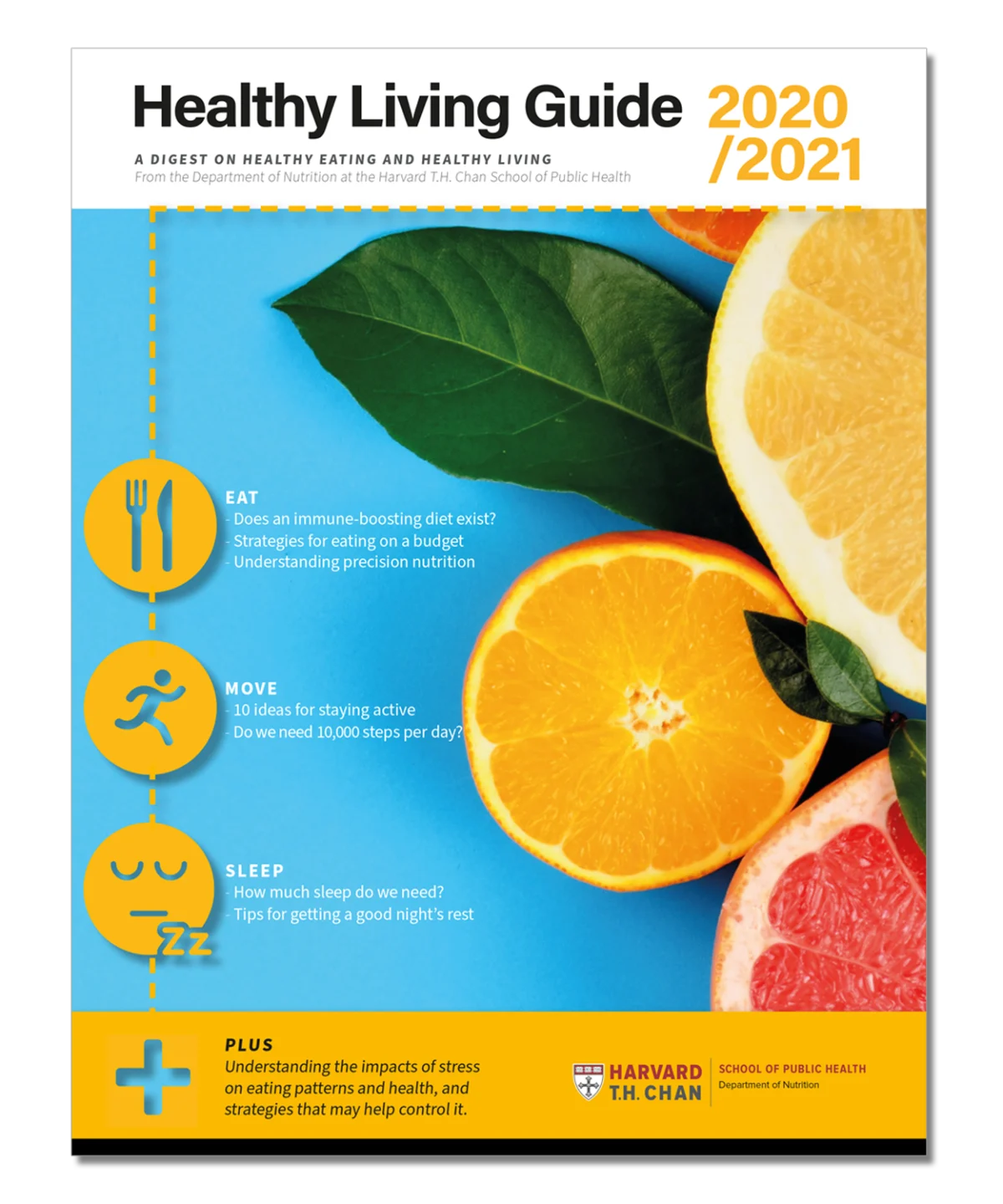
As the global community navigates the lingering effects of the COVID-19 pandemic—a period defined by profound shifts in daily routines, economic stability, and mental well-being—the imperative to prioritize personal health has never been more acute. While the world continues to grapple with the complexities of public health crises, the fundamental pillars of human longevity remain rooted in consistent, manageable, and science-backed lifestyle choices. To assist in this pursuit, experts have synthesized decades of research into a comprehensive roadmap for healthy living, emphasizing that small, incremental changes can yield significant long-term dividends.
Main Facts: The Pillars of Longevity
The core philosophy behind modern nutritional and lifestyle guidance is simple yet profound: health is not merely the absence of disease, but a state of proactive vitality. Research consistently identifies five fundamental habits that serve as the bedrock for a longer, more vibrant life:
- Nutrient-Dense Nutrition: Prioritizing whole foods, including vegetables, fruits, whole grains, and lean proteins, while minimizing processed sugars and trans fats.
- Regular Physical Activity: Engaging in consistent movement that challenges the cardiovascular system and maintains musculoskeletal strength.
- Weight Management: Maintaining a healthy body mass index (BMI) through a combination of diet and activity to reduce systemic inflammation.
- Responsible Alcohol Consumption: Limiting intake to moderate levels, or abstaining entirely, to protect liver function and reduce cancer risk.
- Tobacco Cessation: Eliminating smoking in all forms, which remains the single most effective intervention for preventing premature mortality.
Evidence suggests that individuals who adhere to these five habits can extend their lifespan by more than a decade compared to those who do not. Moreover, this is not merely about "adding years to life," but "adding life to years."
Chronology of the Health Shift: From 2020 to the Present
The transition from 2020 into 2021 served as a global wake-up call regarding the fragility of human health systems.
- Early 2020: The sudden onset of the COVID-19 pandemic forced a global lockdown, leading to an immediate disruption in food supply chains and exercise routines. Many individuals faced "lockdown fatigue," characterized by sedentary behaviors and stress-induced dietary choices.
- Mid-2020: As the pandemic persisted, public health officials began noting a rise in chronic stress, which directly impacts immune function. Discussions shifted from acute infection management to the importance of "lifestyle as medicine."
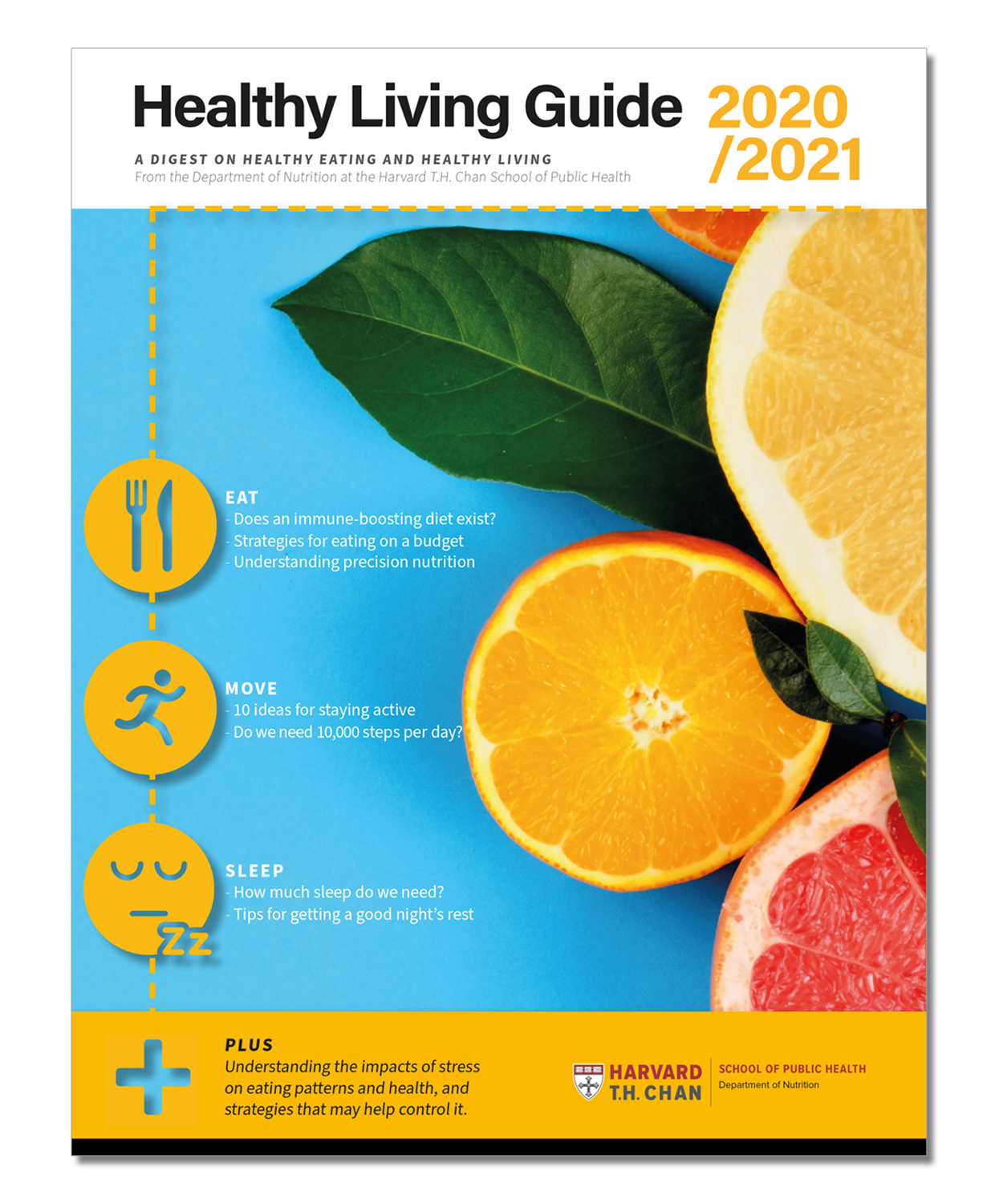
- Late 2020 – Early 2021: Researchers at institutions such as the Harvard T.H. Chan School of Public Health observed that while specific diets could not "cure" COVID-19, a strong immune system—bolstered by healthy habits—was essential for resilience. This period saw the creation of the Healthy Living Guide, a resource designed to provide actionable strategies for people facing unprecedented uncertainty.
- Present Day: We are now in a phase of long-term integration. The focus has moved from emergency response to the sustainable implementation of healthy habits as a defense mechanism against future public health stressors and chronic diseases.
Supporting Data: The Science of Prevention
The scientific community has provided compelling data regarding the efficacy of these lifestyle interventions. According to longitudinal studies, middle-aged adults who adopt these five habits see a dramatic reduction in the incidence of "big three" chronic illnesses: cardiovascular disease, type 2 diabetes, and cancer.
The Impact on Chronic Disease
Data indicate that individuals who maintain a healthy lifestyle at mid-life gain significantly more years free of chronic illness. For instance, the risk reduction for cardiovascular disease is approximately 80% for those adhering to all five habits. When we look at type 2 diabetes, the numbers are even more striking, with lifestyle factors serving as the primary gatekeeper for insulin sensitivity and glucose metabolism.
Immune System Function
While the immune system is highly complex, it relies on the same biological infrastructure as the rest of the body. Chronic inflammation—often exacerbated by high-sugar diets and inactivity—can "tire out" the immune system. By keeping body weight in a healthy range and consuming anti-inflammatory nutrients, individuals effectively reduce the "background noise" of systemic inflammation, allowing the immune system to respond more efficiently to external pathogens.
Official Responses and Expert Recommendations
Health authorities and nutritional scientists have emphasized that "perfection is the enemy of progress." During periods of crisis, the pressure to maintain an immaculate diet or a high-intensity exercise routine can be counterproductive, leading to burnout.
Expert Guidelines
Public health experts recommend the following strategies for navigating lifestyle changes:
- Small Wins: Instead of overhaul-style dieting, focus on adding one serving of vegetables per day or taking a 20-minute walk.
- The "Bingo" Approach: Gamification, such as the Healthy Living Bingo Challenge, has been utilized to encourage habit formation. By turning health goals into a checklist, individuals can experience the psychological reward of completing tasks, which reinforces the habit loop.
- Mental Health Integration: Experts emphasize that health is holistic. Engaging in hobbies, mindfulness, and maintaining social connections—even virtually—is as vital as nutritional intake.
Implications for Future Public Health
The long-term implications of these findings are clear: public health is a personal responsibility that requires systemic support. As we look toward the future, the integration of these habits into daily life acts as a form of "personal health insurance."
Policy and Individual Action
While the individual is responsible for their choices, policymakers are increasingly recognizing that creating environments—such as accessible parks, affordable healthy food options, and workplace wellness programs—is essential. The shift toward digital health resources, such as downloadable, printable guides, represents a new frontier in public health outreach. By making information accessible, portable, and easy to understand, organizations are empowering citizens to take control of their health trajectories.
The Psychological Component
Perhaps the most significant implication is the psychological benefit of taking action. In a time where many factors (like the economy or global health policy) feel outside of our control, focusing on daily habits provides a sense of agency. This agency is a potent antidote to the emotional distress caused by the pandemic. When an individual chooses to cook a nutritious meal or engage in physical exercise, they are engaging in a form of self-care that builds resilience, not just physically, but mentally.
Conclusion: A Path Forward
The journey toward a healthier life is not a linear path but a collection of daily decisions. As the Healthy Living Guide suggests, we must be kind to ourselves during uncertain times. The objective is not to attain a state of superhuman health, but to build a foundation that supports us through life’s challenges. By focusing on the five pillars—nutrition, exercise, weight management, moderate alcohol intake, and smoking cessation—we can ensure that we are not just surviving, but thriving.
For those looking to begin, the first step is often the simplest: download the resources, review the tip sheets, and start with a single, achievable goal. Whether it is a new recipe, a consistent walk, or a new hobby, the path to long-term health is paved with the small, deliberate actions we take every day. In the wake of the pandemic, the most profound takeaway is that our health remains our most valuable asset—and it is one that we have the power to cultivate, protect, and improve, one day at a time.