









The landscape of neurodevelopmental health is currently undergoing a profound transformation. What was once primarily viewed as a childhood behavioral disorder defined by hyperactivity and impulsivity has evolved into a central pillar of adult self-identity. However, this shift has brought with it a wave of controversy, as medical professionals, researchers, and public health officials grapple with a surge in diagnostic requests that do not always align with traditional clinical outcomes.
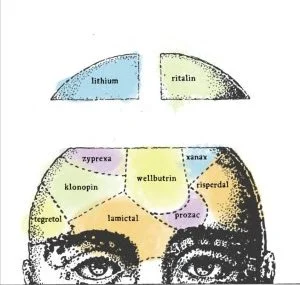
At the heart of this debate is a growing trend: individuals seeking an official diagnosis of Attention Deficit Hyperactivity Disorder (ADHD) while explicitly declining pharmacological treatment. This phenomenon has prompted experts to question whether the medical community is witnessing a "de-medicalization" of the condition, where the label itself serves as a tool for self-understanding rather than a precursor to clinical intervention.
Main Facts: A Paradigm Shift in Diagnosis and Perception
Recent observations from leading psychiatrists in the United Kingdom suggest a fundamental change in why people seek ADHD assessments. Traditionally, a diagnosis was the "key" to unlocking medication or specialized therapy. Today, for a significant portion of the population, the diagnosis is an end in itself.
The Rise of ADHD as Identity
Dr. Marios Adamou, a consultant psychiatrist and founder of the UK Adult ADHD Network (UKAAN), has highlighted a growing cohort of patients who regard ADHD as an "identity rather than a disorder." In this framework, the diagnosis provides a narrative for lifelong struggles with executive function, emotional regulation, and focus. Rather than viewing themselves as "broken" or "lazy," the label allows individuals to view their brains as "differently wired."
However, this shift is not without risks. Dr. Adamou warns that the demand for these labels has fueled a boom in private healthcare providers. Some of these clinics have been criticized for "poor quality" assessments that may prioritize speed and profit over clinical rigor. This has led to concerns that many individuals are being told they have a medical condition requiring treatment when their symptoms might be better explained by other factors, such as environmental stress, trauma, or the demands of modern digital life.
The "Social Construct" Argument
Parallel to this is the emergence of a more radical critique of the ADHD diagnosis. Dr. Max Pemberton, an NHS psychiatrist and prominent medical journalist, has ignited a firestorm of debate by suggesting that ADHD may be a "social construct" rather than a discrete biological disease.
In his recent work, including the Channel 4 documentary The Great ADHD Myth?, Pemberton argues that society has narrow expectations for how children and adults should behave, particularly in educational and corporate environments. He suggests that by labeling those who do not fit these expectations as having a "disorder," we are pathologizing human diversity to avoid the more difficult work of reforming our institutions.
Chronology: From Clinical Rarity to Cultural Phenomenon
The journey of ADHD from a niche pediatric diagnosis to a mainstream cultural touchstone has been rapid, spanning roughly three decades of shifting clinical criteria and public awareness.
1980s – 1990s: The Pediatric Era
During this period, ADHD (and its predecessor, ADD) was largely confined to the schoolroom. Diagnosis rates were relatively low, and the "typical" patient was almost exclusively a hyperactive young boy. The focus was on behavioral management within the classroom, often through the use of stimulants like Ritalin.
2000s – 2010s: Expanding the Criteria
The publication of the DSM-5 in 2013 marked a significant turning point. It adjusted the criteria for ADHD to better reflect how symptoms manifest in adults and girls, who often present with "inattentive" rather than "hyperactive" symptoms. This led to a steady increase in adult diagnoses as people began to recognize their own childhood struggles in the new diagnostic descriptions.
2020 – 2023: The Pandemic and the Social Media Explosion
The COVID-19 pandemic acted as a massive catalyst for the current ADHD "boom." The removal of structured office environments and the shift to remote work/schooling stripped away the coping mechanisms many people had used to manage their symptoms. Simultaneously, platforms like TikTok and Instagram saw an explosion of content related to "ADHD traits," many of which were highly relatable (e.g., forgetting where you put your keys or struggling with "doom scrolling").
2024: The Critical Re-evaluation
By late 2023 and early 2024, the medical community began to push back. High-profile investigations, such as the BBC Panorama documentary ADHD Caught Out, exposed the ease with which private clinics were handing out diagnoses after brief online consultations. This led to the current moment: a period of intense scrutiny over the validity of the "ADHD epidemic" and the airing of The Great ADHD Myth? on August 18, 2024.
Supporting Data: The Numbers Behind the Surge
The scale of the ADHD diagnostic surge is reflected in both public health data and the commercial growth of the "neurodiversity industry."
NHS Waiting Lists and Prescription Rates
In the UK, the demand for adult ADHD assessments has reached unprecedented levels. In some regions, wait times for an NHS assessment have stretched to five years or more. According to data from the NHS Business Services Authority, the number of patients receiving prescriptions for ADHD medication in England increased by approximately 20% in just one year (2022/23), with over 200,000 people now being medicated for the condition.
The Private Provider Boom
Because the NHS cannot meet demand, thousands of patients have turned to private providers, often paying between £600 and £1,500 for an assessment. This "Right to Choose" pathway in the UK has funneled millions of pounds of taxpayer money into private hands, leading to questions about the financial incentives for these companies to provide positive diagnoses.
Diagnostic Disparities
Research indicates a significant "gender catch-up" in ADHD statistics. While boys were historically diagnosed at a rate of 3:1 compared to girls, the gap is narrowing rapidly among adults. This suggests that the "identity" aspect of ADHD is particularly resonant among women who felt overlooked by the medical system in their youth.
Official Responses: Voices from the Medical Establishment
The debate has divided the psychiatric community into several camps, ranging from those who advocate for easier access to those who call for a complete overhaul of the diagnostic framework.
Dr. Marios Adamou (UK Adult ADHD Network)
Dr. Adamou’s position represents a pragmatic middle ground. While he acknowledges the validity of ADHD as a neurodevelopmental condition, he is deeply concerned by the "commodification" of the diagnosis. He argues that if people are seeking a diagnosis merely for "identity," the medical system is being misused. "We need more research to understand why people want the label but not the treatment," Adamou stated. He suggests that if the goal is self-understanding, clinical resources might be better spent elsewhere.
Dr. Max Pemberton (NHS Psychiatrist)
Dr. Pemberton’s stance is more radical. He argues that the medicalization of ADHD is a "sticking plaster" for a society that refuses to accommodate different ways of thinking. In his view, the "ADHD Myth" is not that people aren’t struggling, but that their struggle is a medical "brain disorder." He advocates for schools and workplaces to adapt to a "wider range of children" rather than medicating them to fit a "restrictive norm."
Professor Dinesh Bhugra (Former President of the Royal College of Psychiatrists)
Joining Pemberton in his skepticism is Professor Dinesh Bhugra. Bhugra has long warned against the "medicalization of unhappiness" and the tendency of Western medicine to turn social problems into psychiatric ones. He suggests that the current ADHD surge is partly a result of a society that is increasingly intolerant of "normal" human variations in attention and activity.
Implications: The Future of Neurodiversity and Public Health
The shift in how we perceive ADHD has profound implications for the future of education, employment, and the healthcare system.
1. The Burden on the Healthcare System
If ADHD continues to be sought as an identity, the NHS faces a permanent crisis of demand. Providing lifelong care for a condition that is being diagnosed at such high rates is financially and logistically unsustainable under the current medical model. There is a growing call for a "tiered" approach, where only those with severe functional impairment receive medical diagnosis, while others are supported through coaching or workplace adjustments without a formal clinical label.
2. Educational Reform vs. Medication
The "social construct" argument puts the onus on the education system. If Dr. Pemberton is correct, the rise in ADHD diagnoses is a symptom of an education system that has become too rigid. This implies that instead of hiring more psychiatrists, the government should be investing in smaller class sizes, more physical activity, and diverse teaching methods that don’t penalize children who cannot sit still for six hours a day.
3. The Risk of De-stigmatization vs. Over-diagnosis
The "identity" movement has successfully de-stigmatized ADHD, allowing millions to feel less shame about their struggles. However, the risk of "over-diagnosis" is that the label becomes so broad it loses its clinical meaning. If "everyone has a little bit of ADHD," those with the most severe forms of the disorder—who genuinely need life-saving medication and intensive support—may find their struggles trivialized.
4. The Workplace of the Future
As more adults obtain diagnoses to seek "reasonable adjustments" under the Equality Act, corporations are being forced to rethink their productivity models. This could lead to a more inclusive workforce that values different cognitive styles, or it could lead to friction between employees and employers over the validity of these accommodations.
Conclusion
The debate surrounding the "Great ADHD Myth" is not merely a medical one; it is a reflection of a society in flux. Whether ADHD is a biological reality, a social construct, or a blend of both, the current surge in diagnoses signals a deep-seated desire for people to understand their place in an increasingly complex and demanding world. As the medical community moves forward, the challenge will be to provide support for those who truly need it while ensuring that the "identity" of ADHD does not become a substitute for meaningful social and environmental change.