











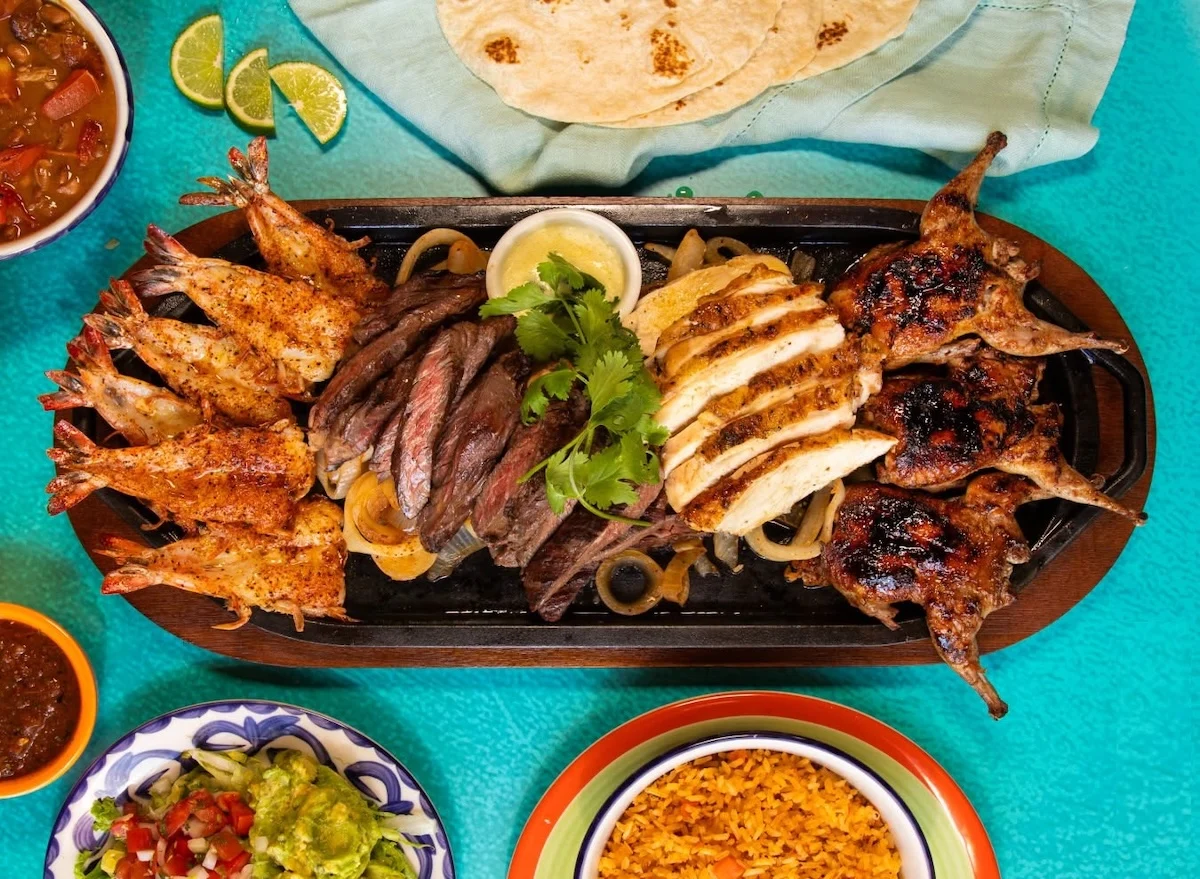
There is a singular sensory experience that defines the modern Tex-Mex dining room: the sound of a heavy, cast-iron skillet hissing as it emerges from the kitchen, trailing a fragrant plume of smoke. For millions of Americans, the arrival of sizzling fajitas—an artful marriage of marinated, fire-grilled protein, caramelized vegetables, and warm, pillowy tortillas—is the ultimate signal that a meal has truly begun.
While the origins of the fajita are humble, rooted in the ranching culture of South and West Texas, the dish has evolved into a centerpiece of the nation’s culinary landscape. Today, the competition among major restaurant chains to serve the most tender, flavorful, and authentic version of this staple is fiercer than ever. From mesquite-fired grills to secret marinade recipes, here is a comprehensive examination of the four chains that have mastered the art of the sizzle.
1. The Anatomy of a Perfect Fajita: Main Facts and Fundamentals
Before analyzing the top-tier providers, it is essential to understand what makes a fajita truly "great." At its core, the dish is an exercise in restraint and quality. The protein—traditionally skirt steak—must be marinated to ensure tenderness, then subjected to high-heat searing.
The accompanying vegetables, usually bell peppers and onions, serve as the aromatic backbone, providing sweetness and crunch that contrast with the savory, charred exterior of the meat. Finally, the delivery system—the tortilla—must be fresh, supple, and capable of holding the payload without disintegrating. When these elements align, they create a dish that transcends its simple ingredients, offering a balanced profile of acid, smoke, salt, and fat.
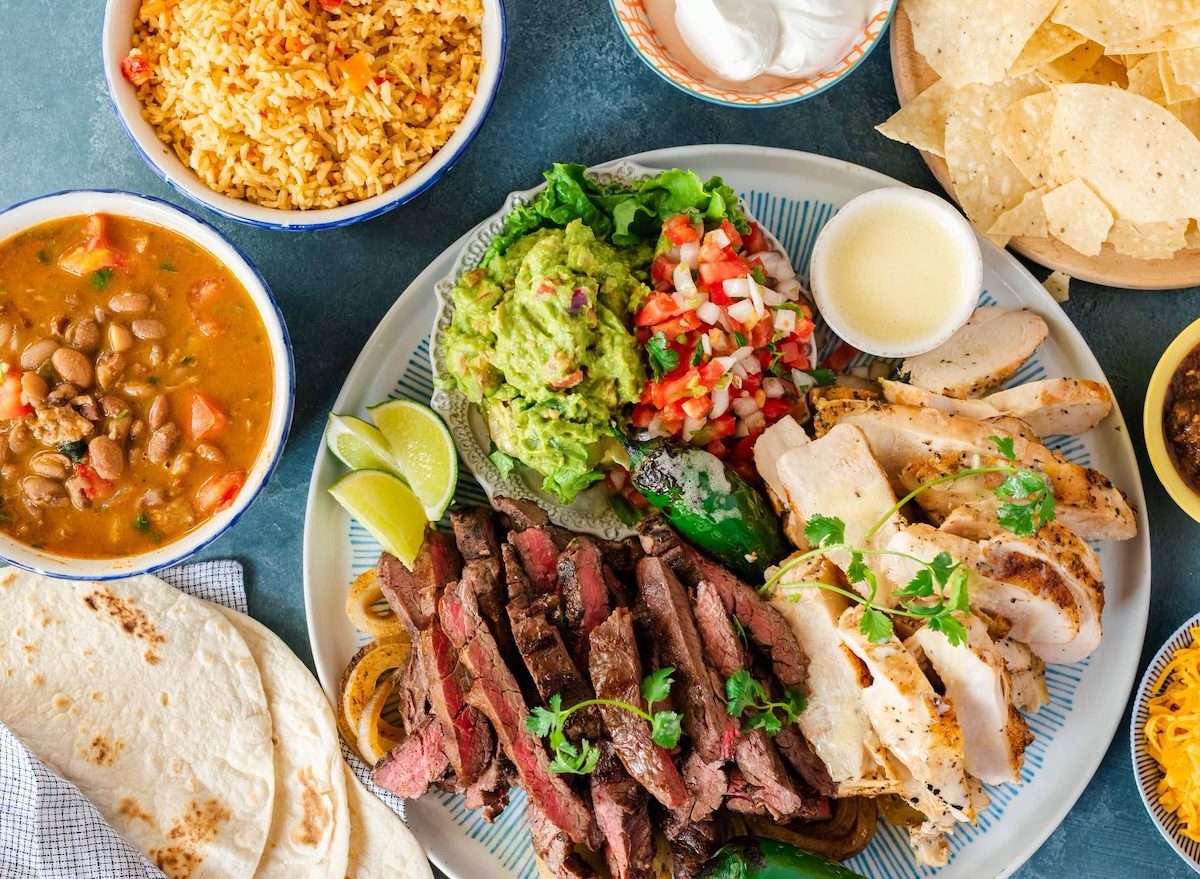
2. Chronology of the Fajita: From Ranch Hand Meal to National Icon
To appreciate the current dominance of chains like Pappasito’s or Uncle Julio’s, one must look back at the dish’s trajectory.
- The 1930s–1940s (The Origin): In the ranch lands of the Rio Grande Valley, Mexican vaqueros were often paid in parts of the cow that were considered less desirable, such as the faja (skirt steak). These cuts were tough and required meticulous trimming and long, slow cooking or rapid, high-heat searing.
- The 1960s–1970s (The Commercialization): The dish moved from campfires to the public stage when Sonny Falcon began serving fajitas at a festival in Kyle, Texas, in 1969. By the 1980s, the "sizzling platter" concept—pioneered by restaurateurs looking to create theatrical dining experiences—catapulted the dish into the mainstream.
- The 1990s–Present (The Chain Era): As the dish became a national favorite, major chains standardized the process. Through cold-chain logistics and rigorous training, restaurants were able to replicate the "hissing skillet" experience across thousands of miles, ensuring that a diner in California could enjoy the same quality as one in Texas.
3. The Titans of Tex-Mex: A Comparative Analysis
Pappasito’s Cantina: The Gold Standard of Mesquite
Pappasito’s Cantina has long held the title of a "Tex-Mex institution." The chain differentiates itself through its uncompromising commitment to the mesquite grill. Unlike gas-fired alternatives, the wood-fire method imparts a distinct, earthy smoke profile that penetrates the meat deeply.
Supporting Data:
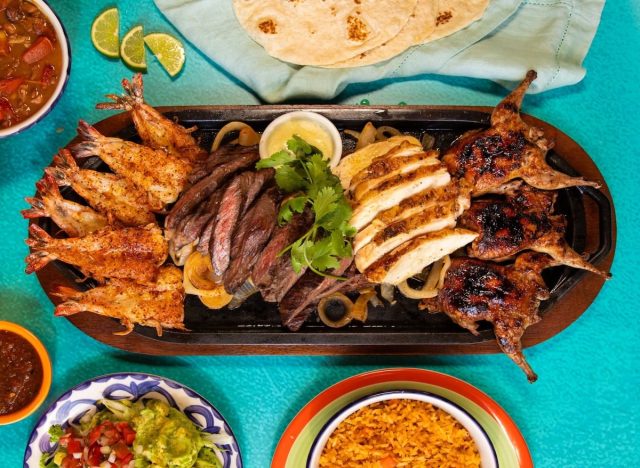
Diner feedback consistently highlights the structural integrity of their beef. In surveys, patrons frequently point to the "combo plate"—a trifecta of beef, quail, and shrimp—as a testament to their versatility. The inclusion of frijoles a la charra (charro beans) cooked with bacon and spices provides a depth of flavor that is often missing in mass-market Tex-Mex.
El Torito: The California Pioneer
While many associate fajitas with Texas, El Torito has played a pivotal role in popularizing the dish on the West Coast. Their approach is characterized by a "balanced" profile, focusing on the harmony between the meat and the accompaniments.
Supporting Data:
Customer reviews emphasize the reliability of the "sizzling arrival." El Torito’s service model focuses on the timing of the kitchen-to-table transit, ensuring the meat remains juicy. The inclusion of the "sweet corn cake"—a staple of the brand—adds a textural and flavor contrast (sweet vs. savory) that elevates the overall meal beyond the standard tortilla-and-meat routine.
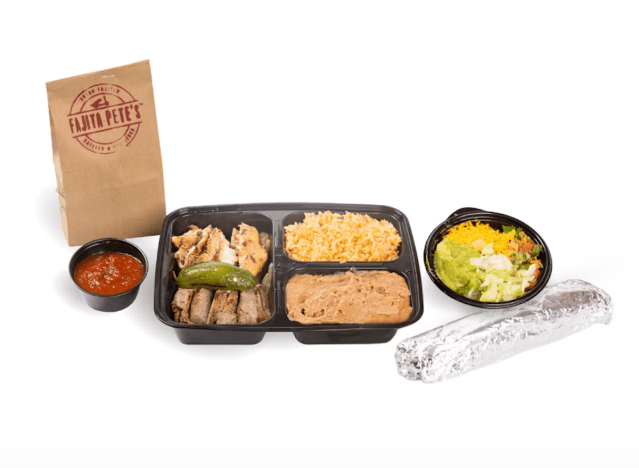
Fajita Pete’s: The Off-Premise Master
Fajita Pete’s represents the modern evolution of the genre. Recognizing that the "sizzle" is no longer confined to the dining room, they have perfected the logistics of the to-go fajita meal.
Supporting Data:
The chain has mastered the "heat-retention" challenge. By utilizing specialized packaging that maintains the temperature of the protein while keeping the tortillas soft, they have captured the delivery market. Fans particularly laud their queso, which acts as a crucial "binder" for the fajita components, providing a rich, creamy mouthfeel that contrasts with the charred, lean meat.
Uncle Julio’s: The Craft-Focused Contender
Uncle Julio’s is frequently cited by culinary critics for their attention to "authentic preparation." They lean heavily into the scratch-made aspect of their kitchens, ensuring that every batch of salsa and every hand-pressed tortilla meets a specific standard.
Supporting Data:
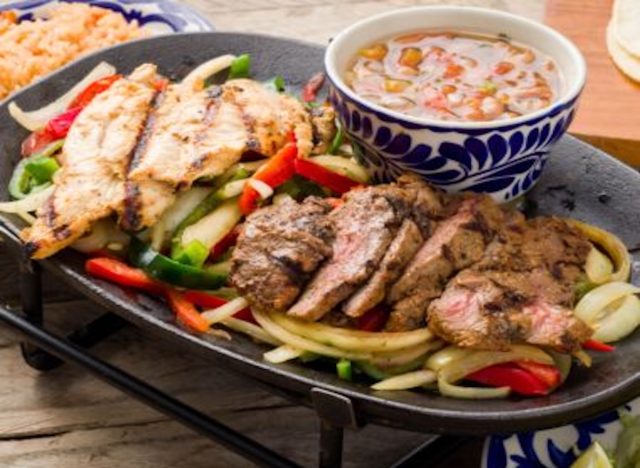
Their steak, often described as "perfectly seasoned," is the primary driver of their popularity. The chain’s focus on high-quality sourcing—often emphasizing USDA choice or higher beef—results in a more consistent product. Diners note that the aroma, which hits the table before the plate, is the hallmark of their experience.
4. Official Responses and Industry Standards
In conversations with industry representatives, the consensus is clear: the "sizzle" is not just a gimmick; it is a vital part of the dining experience that triggers a psychological response. "The sound of the skillet is an audible promise of quality," says one industry analyst.
Most major chains have implemented strict protocols to ensure that the skillet reaches a temperature of at least 450 degrees Fahrenheit before leaving the kitchen. This thermal shock is what creates the Maillard reaction—the chemical process that gives the meat and vegetables their deep, complex flavor and dark, appetizing color.
5. Implications: Why Fajitas Continue to Reign Supreme
The enduring popularity of the fajita in an era of diverse global cuisine is a testament to its adaptability. The dish is inherently democratic—it allows the diner to customize every bite, from the ratio of pico de gallo to the amount of guacamole used.
The Economic Factor:
From a business perspective, fajitas are highly efficient. They utilize high-demand proteins and staple vegetables, allowing restaurants to maintain healthy margins while providing guests with a "premium" experience.
The Cultural Shift:
As we look to the future, the trend is moving toward "ingredient transparency." Customers are increasingly asking about the source of the beef and the freshness of the tortillas. Chains that fail to prioritize these aspects are finding themselves losing ground to those that emphasize the farm-to-table narrative, even within the casual-dining segment.
Conclusion
Whether you are a purist who believes that only skirt steak and mesquite charcoal will suffice, or a casual diner who appreciates the convenience and flavor of a well-prepared meal, the four chains listed above represent the best of the industry. Through a combination of rigorous preparation, superior sourcing, and an unwavering commitment to the "sizzle," Pappasito’s, El Torito, Fajita Pete’s, and Uncle Julio’s have ensured that the fajita remains not just a meal, but a centerpiece of American dining culture for years to come.
When you next find yourself at the table, listening for that familiar hiss, remember: it is the result of decades of refinement, a deep respect for Texas tradition, and a constant drive to deliver the perfect bite.