

By Health Policy Correspondent
November 2, 2026
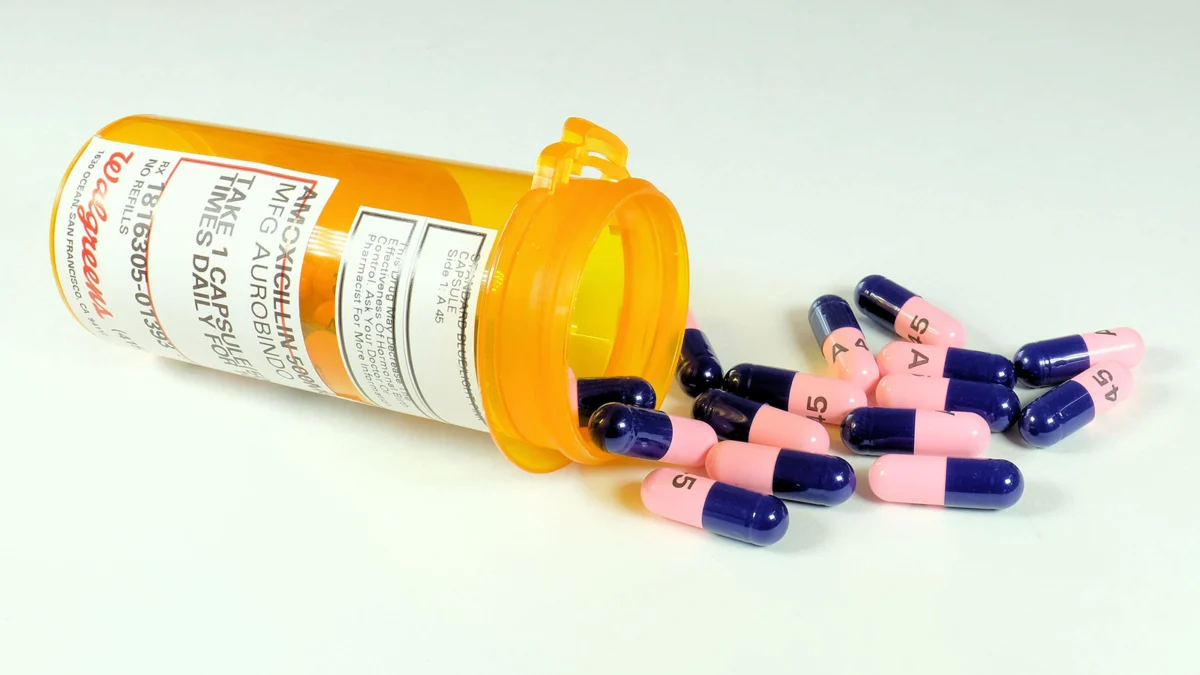
In the modern landscape of primary care, the doctor-patient relationship is built on a foundation of mutual trust and diagnostic accuracy. However, a startling new study published in JAMA Network Open reveals that this foundation is cracking under the weight of a growing trend: patients are systematically lying to their clinicians to secure antibiotics for conditions that do not require them.
The research, led by Dr. Alistair Thorpe of the University of Utah, highlights a disturbing behavioral pattern that not only complicates clinical decision-making but also accelerates the global crisis of antimicrobial resistance (AMR). According to the study, more than one in four adults—and a significant percentage of caregivers—have misrepresented symptoms to manipulate medical professionals into prescribing unnecessary medication.
The Scope of the Deception: Key Findings
The study, which surveyed 959 adults across the United States in early 2026, provides a sobering look at how far patients are willing to go to obtain drugs like amoxicillin or azithromycin.
The data reveals that 27.9% of adult respondents admitted to misrepresenting their symptoms to obtain antibiotics for themselves. The methods of deception were varied: 26% of these individuals admitted to exaggerating existing symptoms, while 16.7% fabricated symptoms that were entirely non-existent. Perhaps most alarming is the rate of success for these deceptions. Among those who admitted to the behavior, 76.9% reported that they successfully walked away with a prescription.
The issue extends into pediatric care as well. Among the 236 caregivers surveyed, 26.7% reported lying to a clinician about their child’s health. Of this group, 24.2% exaggerated symptoms, 23.6% invented symptoms, and 19.1% admitted to doing both. The success rate for caregivers was even higher than that of adults seeking treatment for themselves, with 87.3% reporting they received the antibiotics they requested.
The "Why": Drivers of Symptom Misrepresentation
To understand why a patient would risk their health—or their child’s health—for an unnecessary antibiotic, the research team looked at the psychological and social drivers behind the behavior.
1. The Erosion of Trust
A recurring theme among those who admitted to lying was a pervasive feeling that clinicians were not taking them seriously. For many, the misrepresentation was a defensive measure; they felt that if they presented the "truth," they would be sent home empty-handed. This feeling was particularly strong among caregivers, 63.5% of whom cited a lack of professional validation as their primary motivation for inflating their child’s condition.
2. Misinformation and Health Literacy
The survey identified a strong correlation between health literacy and the tendency to deceive. Participants who struggled to read or understand basic health materials were significantly more likely to misrepresent symptoms. Furthermore, those who held "conspiracy-like" beliefs—specifically the notion that antimicrobial resistance is a hoax—were nearly twice as likely to lie to secure medication.
3. The "Acceptability" of Lying
The study utilized "lying acceptability scores" to gauge a participant’s moral stance on deception. Unsurprisingly, those with higher scores—individuals who deemed it socially or personally acceptable to lie to achieve a goal—were statistically more prone to manipulating their physicians.
Conversely, those with higher levels of antibiotic knowledge were less likely to lie. This suggests that public health education—explaining why antibiotics are ineffective against viruses like the common cold or the flu—remains one of the most effective tools in curbing this behavior.
The Clinician’s Dilemma: A Two-Way Street
While the study casts a harsh light on patient behavior, it also raises difficult questions about the role of the healthcare provider. In an accompanying commentary in JAMA Network Open, Dr. Jeffrey Linder of the Northwestern University Feinberg School of Medicine argues that the blame cannot rest solely on the patient.
"It does not track that approximately 80% of respondents who reported misrepresenting their symptoms obtained a prescription unless prescribers were being willfully deceived or, more likely, just getting worn down with what they perceive as patient demand," Dr. Linder wrote.
Linder characterizes the current climate as a "patient-clinician dynamic" characterized by exhaustion. When a patient insists on an antibiotic for a cold or a minor viral infection, a physician may feel pressure to capitulate simply to satisfy the patient, avoid negative reviews, or end a difficult consultation. Linder warns that this is a dangerous path.
"Prescribing antibiotics is medically incorrect and could itself be considered a form of dishonesty or lying mainly to assuage the patient," Linder noted. "The more concerning negative externality of inappropriate antibiotic prescribing is, like lying, an erosion of trust."
The Public Health Implications
The implications of this phenomenon are not merely administrative; they are a public health catastrophe.
Antimicrobial Resistance (AMR)
Every unnecessary dose of antibiotics contributes to the development of resistant bacteria. When antibiotics are overused, bacteria adapt, rendering life-saving treatments ineffective. The World Health Organization has long labeled AMR one of the top ten global public health threats. By fabricating symptoms to gain access to these drugs, patients are inadvertently fueling a process that could make common infections untreatable in the future.
Adverse Effects
Antibiotics are not without risk. They carry the potential for allergic reactions, digestive issues, and the disruption of the microbiome. Prescribing these drugs for non-bacterial infections exposes patients to unnecessary harm. As the study notes, even among those who admitted to the behavior, few expressed regret—and those who did focused on the medication’s ineffectiveness or side effects rather than the ethical breach of lying to their doctor.
The Erosion of Professional Integrity
Dr. Linder’s commentary emphasizes a critical ethical point: a clinician’s primary duty is to the patient’s long-term health, not their immediate satisfaction. When a doctor prescribes a drug they know will not help—or may even hurt—the patient, they violate the core tenets of medical ethics. This "accommodation" strategy, while aimed at patient satisfaction, ultimately undermines the integrity of the entire medical profession.
Chronology of the Crisis
The findings from the 2026 survey provide a snapshot of a long-standing issue that has intensified in the digital age.
- Early 2000s: Public health experts begin noting a rise in "patient-demand" prescribing, driven by the rise of direct-to-consumer advertising for pharmaceuticals and the growth of online medical forums.
- 2015-2020: Antimicrobial stewardship programs gain traction, with hospital systems implementing strict protocols for antibiotic prescriptions. Despite this, community-level prescribing remains high.
- Early 2026: The University of Utah study is conducted to quantify the extent of patient-led deception in the outpatient setting.
- November 2026: The findings are published, confirming that "symptom inflation" is a significant, measurable driver of inappropriate antibiotic use in the U.S.
Moving Forward: Restoring the Relationship
The researchers conclude that the results "signal a significant issue for health professionals making antibiotic prescribing decisions and for the fields of antimicrobial stewardship and public health."
To address this, experts suggest a multi-faceted approach:
- Enhanced Communication Training: Clinicians must be trained in "de-escalation" and "assertive communication" to handle patient demands for inappropriate medication without resorting to "assuaging" the patient through unnecessary prescriptions.
- Public Awareness Campaigns: Campaigns must move beyond just telling people "antibiotics don’t work for colds" and instead address the psychological drivers of the behavior, including the fear that symptoms are being ignored.
- Structural Changes in Care: High patient volumes often leave clinicians with only minutes to assess a patient, making it difficult to distinguish between legitimate distress and fabrication. Reducing the burden on primary care providers could allow for more comprehensive, trust-based evaluations.
- Reframing the "Success": The fact that 87% of caregivers successfully obtained antibiotics after lying indicates a systemic failure in clinical gatekeeping. Clinicians must be empowered to deny requests for antibiotics, even in the face of patient pushback, and be supported by their institutions when doing so.
As Dr. Linder concluded, "Clinicians’ obligation is to act in patients’ best interest, even if patients are hoping we do something different, even if patients do not like it, or even if patients lie about their symptoms."
The "antibiotic deception" is a mirror reflecting a broken trust in the healthcare system. Repairing it will require both a change in patient behavior and a return to the rigorous, evidence-based clinical standards that protect us all from the looming shadow of antibiotic resistance.