In the tactical landscape of modern football, the "deep-lying playmaker"—often referred to by the Italian term regista—stands as the vital engine room of a team. More than just a simple passer, these players function as on-field strategists, orchestrating the rhythm of the game from just in front of the defensive line. By controlling the tempo, dissecting opponent structures, and launching precise transitions, they turn defense into attack in the blink of an eye. This article explores the evolution, technical demands, and strategic significance of one of the most intellectually taxing positions in world football.
The Definition of a Deep-Lying Playmaker
The deep-lying playmaker is a specialized midfield role characterized by high intelligence, vision, and technical proficiency. Unlike a traditional "number 10" who operates in the final third, or a defensive midfielder whose primary task is to destroy opposition attacks, the deep-lying playmaker acts as the bridge between the backline and the creative attackers.
Defining the Role
The regista (Italian for "director") is a player who sits deep in the team’s formation, usually shielding the center-backs. Their importance lies not in physical dominance, but in their ability to dictate the flow of the game. They are the "conductors" of the team, responsible for ensuring that the transition from defense to offense is fluid, purposeful, and efficient.

In modern tactical analysis, this position is often considered a distinct "player profile." While traditional midfielders might prioritize ball-winning or box-to-box movement, the deep-lying playmaker focuses on space management and passing distribution, acting as the primary hub through which all meaningful possession must travel.
Origins and Etymology
The term regista originated in Italian football, specifically during the era of the catenaccio and the subsequent evolution of tactical play in Serie A. It implies a role similar to a film director—the person behind the scenes who manages the entire production.
Over time, this concept was internationalized, evolving into the "deep-lying playmaker" moniker common in the English-speaking world. Despite the shift in terminology, the essence remains the same: a player with an elite understanding of spatial awareness and tempo, capable of manipulating the game’s energy to suit their team’s tactical requirements.
Detailed Analysis: The Strategic Role of the Regista
In the modern structural approach to football, every position is specialized to serve a broader tactical objective. The deep-lying playmaker is perhaps the most critical component of this structure, as they directly influence how a team builds up play and retains control over the match.
Orchestrating Match Tempo
The deep-lying playmaker is typically the player who touches the ball most frequently during a match, often averaging between 80 and 100 passes per game. Their primary responsibility is to control the "heartbeat" of the team.
By deciding when to slow the game down to preserve a lead or when to accelerate play to catch an opponent off-guard, they ensure the team remains composed. Statistics show that elite players in this position maintain a passing accuracy of over 90%. When the team needs to stabilize, they recycle possession with short, safe passes; when the team needs to push forward, they can release long, pinpoint balls that break defensive lines instantly.
Distribution from the Defensive Line
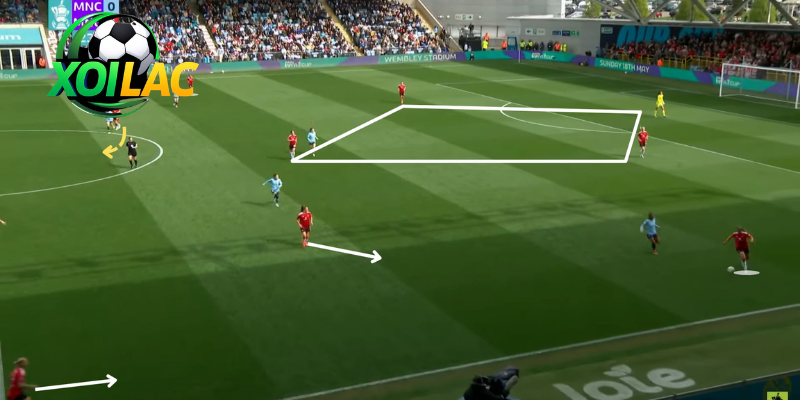
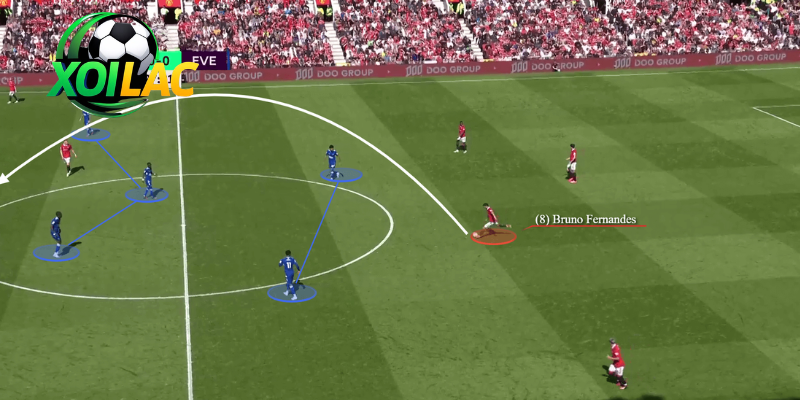
Deep-lying playmakers often drop between the center-backs to receive the ball from the goalkeeper or defenders. Acting as the starting point for offensive maneuvers, they are capable of launching accurate long balls across 30 to 50 meters.
This ability is essential for bypassing high-pressing opponents. By stretching the field, these players create gaps in the opposition’s defensive block. Coaches rely on these players to complete 8–12 long-ball passes per match with high success rates, effectively turning a defensive situation into a clear goal-scoring opportunity in seconds.
Connecting Defense to Attack
The regista serves as the vital link that ensures the team does not become disjointed. By moving fluidly to create passing angles, they provide an escape route for defenders under pressure. In many systems, this player will drop deep to form a back-three, which increases defensive stability while simultaneously allowing the player to scan the entire pitch for attacking openings.
Core Characteristics of the Elite Regista
What separates a standard holding midfielder from an elite deep-lying playmaker? The answer lies in mental processing speed, positioning, and tactical awareness.
Spatial Awareness and Positioning
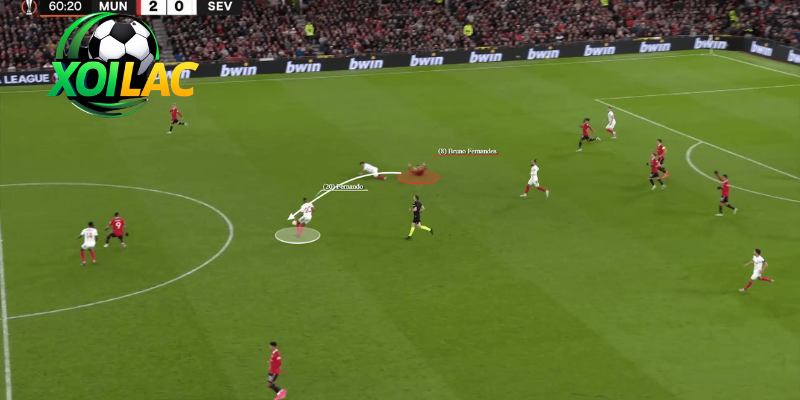
An elite playmaker is never static. They constantly scan their surroundings to identify "pockets of space" where they can receive the ball without being immediately crowded by opponents. They maintain a perfect distance from their teammates to ensure that they are always an available option. This proactive movement is what allows them to evade the opposition’s press effectively. Because they position themselves intelligently, they are rarely caught in long duels, as they have already offloaded the ball or found a new space before the defender arrives.
Tactical Intelligence
The ability to read the game is the most valuable asset for this role. An elite playmaker predicts the opponent’s defensive shifts before they happen. They can "see" the pass before the space even opens. On average, a world-class regista creates 2–4 high-quality chances per match solely through their decision-making. Their tactical intelligence allows them to anticipate defensive traps and navigate the game with a level of control that minimizes unnecessary errors.
Assessing the Advantages and Limitations
While the presence of a deep-lying playmaker can elevate a team’s performance, the role comes with inherent trade-offs that must be managed by the coaching staff.
Advantages: Stability and Tactical Fluidity
- Consistency: By being the primary recipient of the ball from the defense, they provide a consistent outlet that keeps the team’s play stable under pressure.
- Tactical Flexibility: A regista allows a team to switch from defense to attack in a single move, preventing the team from being hemmed into their own half by aggressive pressing teams.
- Space Creation: Through their ability to switch the point of attack, they force the opposition defense to shift, often creating gaps on the flanks that wingers can exploit.
Limitations: The Defensive Trade-off
The most significant challenge for a team employing a regista is their defensive output. Because these players are focused on playmaking, they are often less proficient at physical tackling or aggressive ball-winning.
- Defensive Vulnerability: If the regista is caught out of position or loses the ball, the team is highly susceptible to counter-attacks. This often requires the presence of a more physically imposing midfielder to cover the space left behind.
- Reliance on System: The role is highly dependent on team movement. If the teammates do not move intelligently to provide passing options, the regista becomes isolated and their influence on the game diminishes significantly.
Implications for Modern Tactical Setups
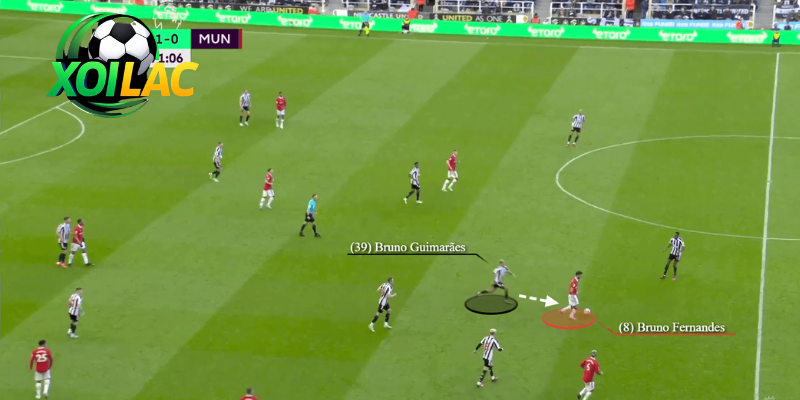
The role of the deep-lying playmaker has undergone a renaissance in the modern era. As teams have become more adept at "high pressing," the need for a player who can remain calm and distribute accurately under pressure has become paramount.
The Shift in Coaching Philosophies
Modern managers, particularly those who favor possession-based football, now prioritize the regista as the foundation of their entire tactical identity. We have moved away from the "destroyer" midfield archetypes toward a system where the midfield is valued for its technical output. The implication is that recruitment in football has shifted; clubs are now willing to pay premiums for midfielders who possess "high football IQ" over those who rely on raw athleticism.
The Future of the Position
As football continues to evolve, the regista is becoming more "multi-dimensional." The modern deep-lying playmaker is now expected to have better defensive recovery skills, adding a layer of work rate to their technical brilliance. The future of this role lies in the intersection of extreme technical skill and elite physical stamina, as the modern game demands that the director of the play also participate in the defensive work of the team.
In conclusion, the deep-lying playmaker is the heartbeat of a successful team. They are the architects of the pitch, turning the chaos of 90 minutes into a structured, purposeful display of attacking football. For any team aspiring to dominate possession and control the tempo, finding and nurturing a player who can master this role is the most important step in the tactical process.