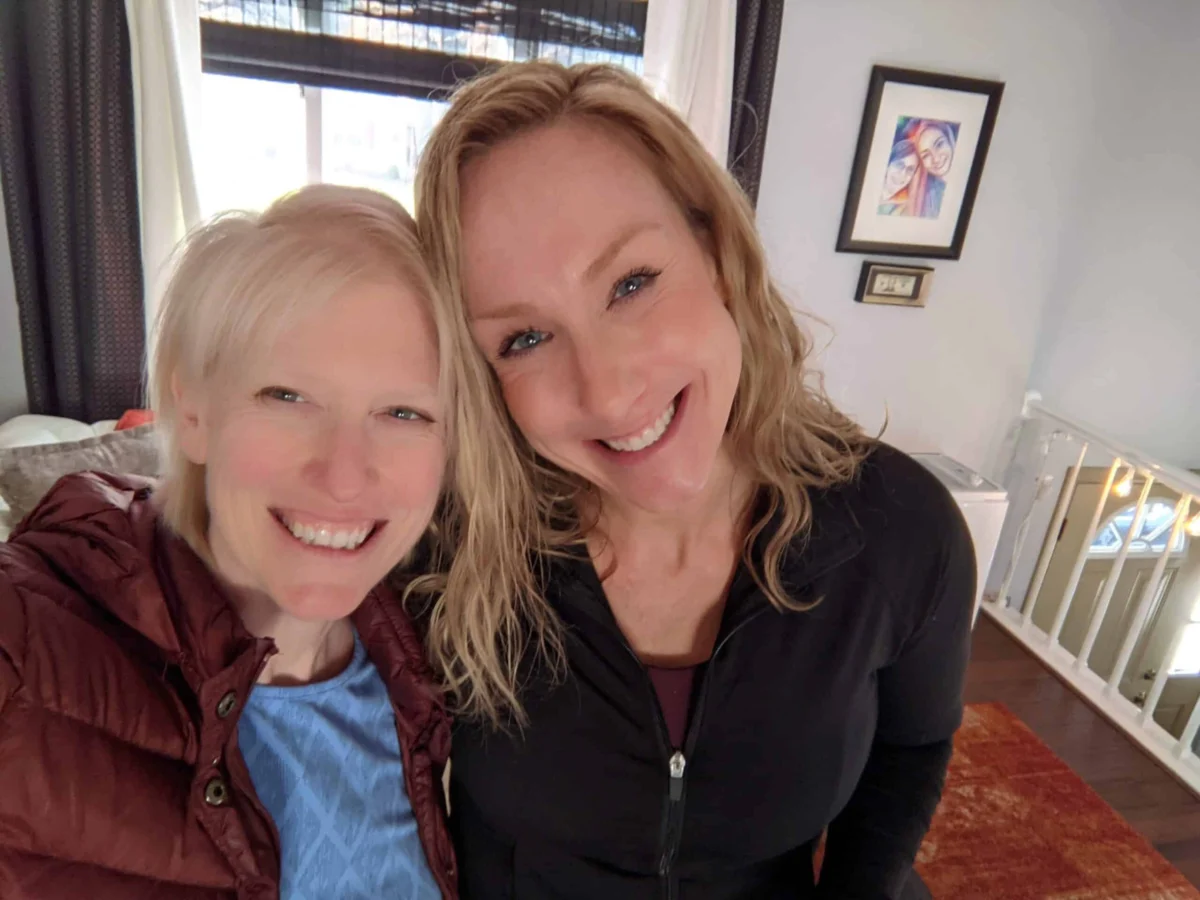
Picking up the kids. Grocery shopping. Navigating the morning commute. For most, these are the monotonous rhythms of a life taken for granted. But for Sharon Belvin and Jenney Bitner, these mundane tasks represent a hard-won victory—the quiet, triumphant return to an "ordinary" life that was nearly stolen by stage 4 melanoma.
Their stories are more than individual accounts of survival; they are the living, breathing evidence of a paradigm shift in oncology. Through the lens of immunotherapy, these two women, separated by decades and geography, have become bound by a shared experience that transcends medical statistics.
The Weight of the Diagnosis: A Collision with Reality
The phrase "You have cancer" is a linguistic event horizon. Once spoken, there is no returning to the person you were before. For Sharon Belvin, that moment arrived in 2004 when she was just 22 years old. At an age defined by the pursuit of career and identity, Belvin was handed a stage 4 melanoma diagnosis—a prognosis that, at the time, offered little more than a bleak, truncated timeline.
Decades later, in the height of the 2020 global pandemic, Jenney Bitner faced a similar abyss. Her journey began with persistent, unexplained headaches that quickly escalated into a terrifying discovery: a brain tumor. Compounding the physical trauma was the logistical nightmare of fighting for her life while pregnant, creating a volatile intersection of hope for a new life and the potential loss of her own.
For both women, the diagnosis did not just interrupt their daily schedules; it threatened to erase the futures they had painstakingly imagined. They were forced to confront the unbearable uncertainty of whether their lives would be defined by the disease or by the treatment.
Chronology of a Medical Breakthrough
The timeline of their survival tracks the evolution of immunotherapy, a field of medicine that has fundamentally altered the trajectory of cancer care.
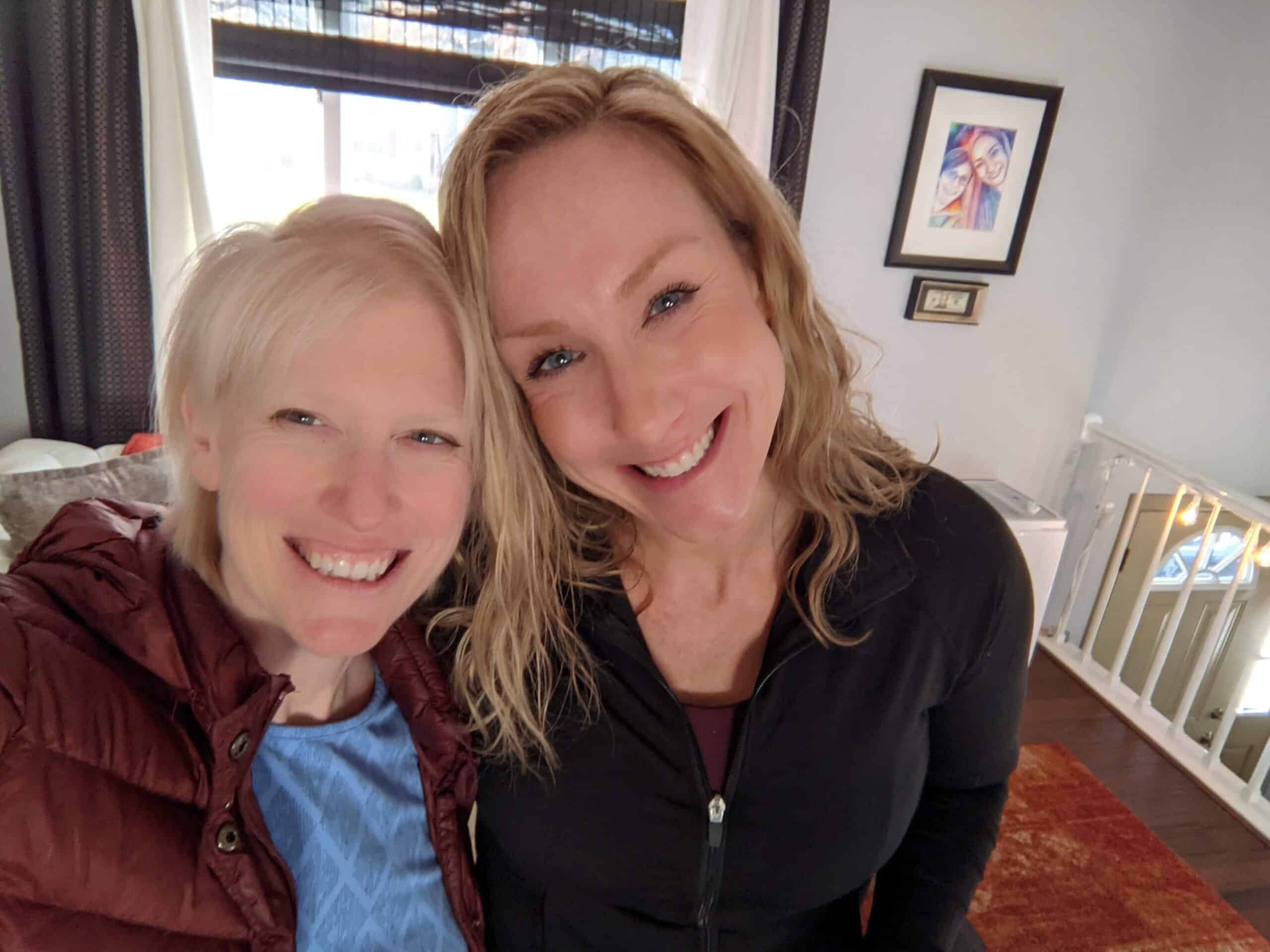
The Early Frontier: Sharon’s Leap of Faith
In the early 2000s, treatment options for metastatic melanoma were abysmal. When Belvin stepped into a clinical trial for an early iteration of immunotherapy, she was not just opting for a procedure; she was taking a leap of faith into an unproven, frontier science. At the time, immunotherapy was a "wild card"—a desperate measure for a desperate situation. Against the odds, the treatment worked. Her cancer retreated, and she entered a period of remission that has now spanned two decades.
The Refinement of Science: Jenney’s Path
By the time Bitner was diagnosed in 2020, the science had matured. She benefited from years of research, trial, and refinement—a legacy paved by patients like Belvin. Bitner’s path, however, was no less grueling. It involved multiple brain surgeries, the premature birth of her son, and the immense psychological toll of managing aggressive treatment while navigating motherhood. By October 2020, following four rigorous rounds of immunotherapy, Bitner was confirmed to have no evidence of disease.
Supporting Data: The Impact of Immunotherapy
The success of Belvin and Bitner is not an anomaly, but a reflection of the profound impact immunotherapy has had on oncology outcomes.
- Long-term Remission: Historically, the five-year survival rate for stage 4 melanoma was in the single digits. Today, thanks to the development of immune checkpoint inhibitors, many patients are seeing durable, long-term responses.
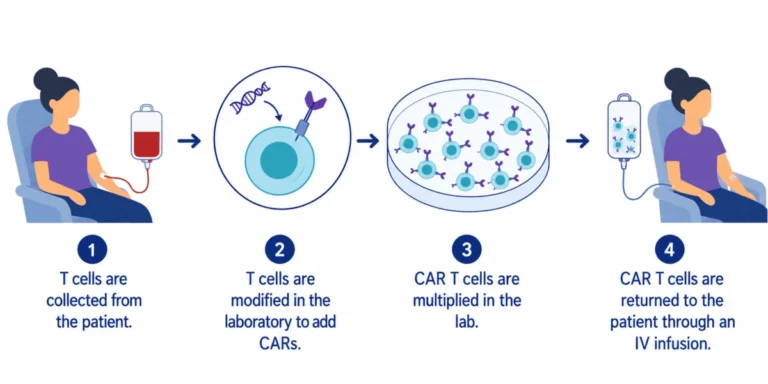
- The "Living Drug" Concept: Unlike chemotherapy, which targets rapidly dividing cells, immunotherapy works by "taking the brakes off" the body’s immune system, allowing T-cells to recognize and attack malignant tumors.
- Scientific Continuity: The progression of these treatments is a collaborative effort. Clinical trials serve as the bridge between theoretical research and bedside application. Patients who participate in these trials—like Belvin—provide the critical data needed to refine dosages, identify side effects, and optimize efficacy for future generations like Bitner.
Official Perspectives and the "Worst Club"
The connection between these two women was forged through the serendipitous discovery of their shared history. When Bitner’s husband saw Belvin featured in the documentary Breakthrough, which highlights the work of Nobel Laureate Jim Allison, he recognized that both women hailed from the same small town.
What followed was a connection that both women describe as "finding their family."
"I call it finding your family," says Belvin. "It’s the family you get to choose. It’s the worst club with the best members."
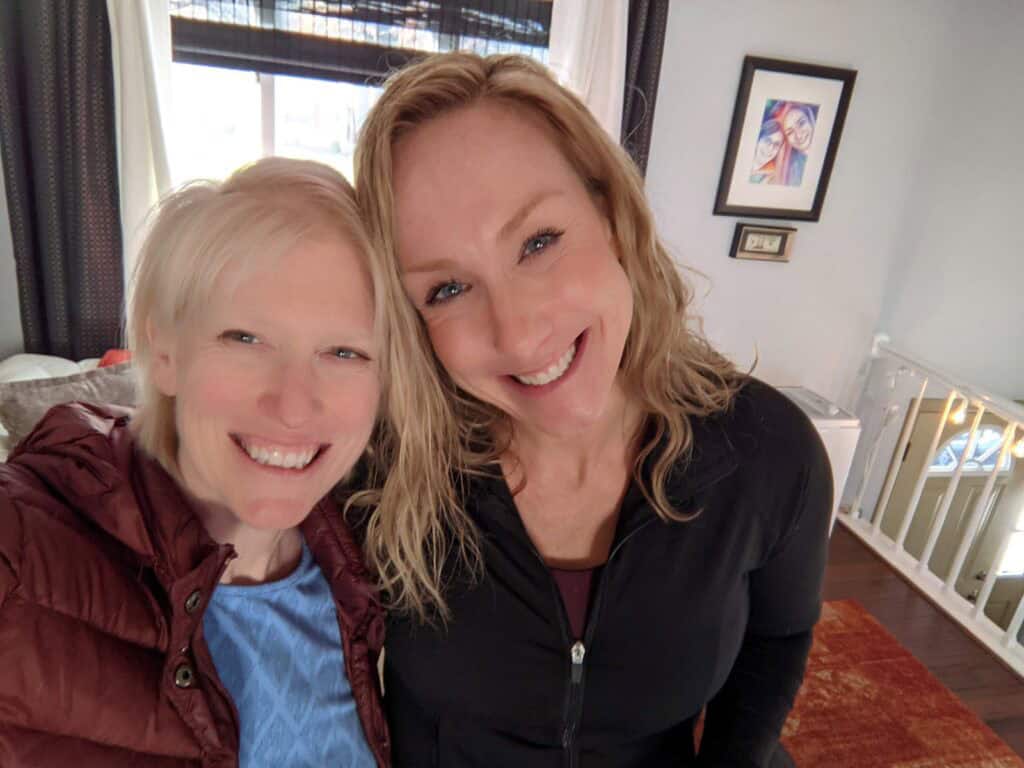
Their interaction represents a critical, often overlooked aspect of cancer care: the peer support network. Experts in psycho-oncology emphasize that the "loneliness" of a diagnosis can be as debilitating as the physical symptoms. By sharing their experiences, Belvin and Bitner provide a form of validation that no physician, regardless of their credentials, can offer. They understand the "scan-xiety"—the lingering dread that accompanies routine check-ups—and the unique, complex relationship a survivor develops with their own body.
Implications for the Future of Cancer Care
The story of Sharon and Jenney carries significant implications for the future of patient advocacy and medical research.
1. The Necessity of Clinical Trials
Belvin’s early participation in a clinical trial was the catalyst for her survival and, by extension, a building block for the treatment that saved Bitner. The implication is clear: the pace of medical progress is entirely dependent on the willingness of patients to participate in research. Without that "leap of faith," the breakthroughs of tomorrow remain trapped in the laboratory.
2. Survivorship as a Continuum
The medical community is increasingly recognizing that "survivorship" is not a destination but a continuous process. It is not enough to simply clear the disease; health systems must support the long-term psychological and physical integration of the survivor back into society. This includes addressing the "weight of what was almost lost"—the persistent trauma that colors every day, even when the patient is in remission.
3. The Power of Advocacy
Both women have moved beyond being patients; they are now vocal advocates. By sharing their stories, they demystify the treatment process and provide a beacon of hope for those currently navigating the early, darkest chapters of their own diagnoses. Their advocacy serves to humanize the data, turning abstract statistics into tangible, relatable human narratives.
Conclusion: The Gift of the Mundane
As they look toward the future, Belvin and Bitner remain tethered to the reality of what they survived. They are acutely aware that their lives are, in many ways, an unearned gift.
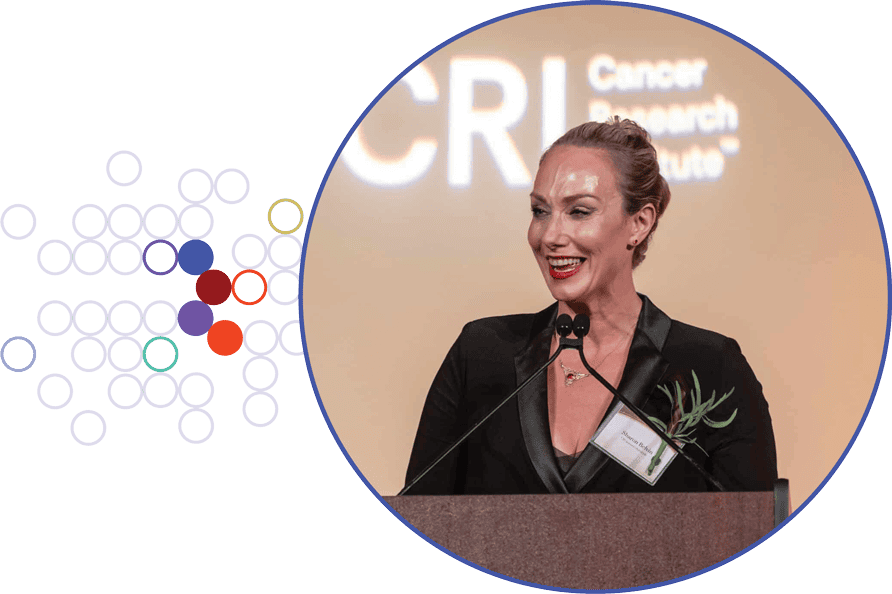
"I feel like I did not appreciate life until it was almost gone, and now every day is a gift, no matter how mundane," Belvin reflects.
Their story is a testament to the resilience of the human spirit and the transformative power of modern medicine. It reminds us that behind every scientific breakthrough are individuals who, through sheer courage and persistence, manage to reclaim the "ordinary" moments that make life worth living.
In the intersection of their lives, we see the true goal of medicine: not just the eradication of a disease, but the restoration of a future. They are, in every sense, the architects of hope—building a legacy of survival, one school drop-off, one dinner party, and one day at a time.