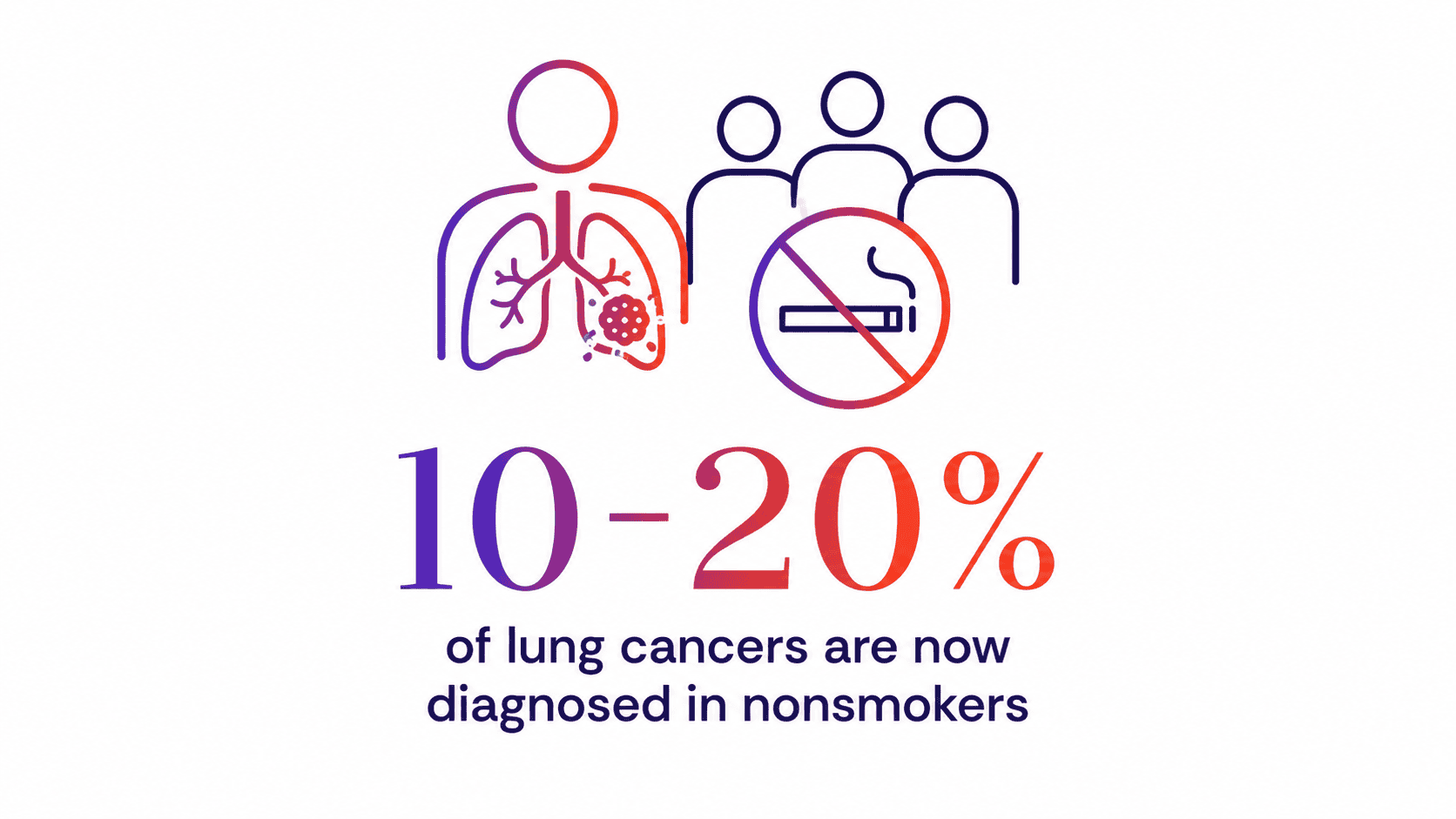
For decades, the medical community and the public at large have viewed lung cancer through a singular lens: a direct consequence of cigarette smoking. This association is rooted in historical fact, as tobacco use remains the primary driver of the disease globally. However, a shifting clinical landscape is forcing oncologists and researchers to broaden their perspective. An estimated 10% to 20% of all lung cancer diagnoses now occur in individuals who have never smoked—a demographic that would be the sixth leading cause of cancer-related death if categorized independently.
As the incidence of lung cancer in never-smokers (LCINS) continues to rise, it is being redefined not as a smoking-related illness in disguise, but as a distinct biological entity. This evolution in understanding is fundamentally changing how the disease is diagnosed, treated, and researched.
A New Biological Paradigm: LCINS as a Distinct Disease
Historically, lung cancer was categorized by its relationship to tobacco. Today, scientists recognize LCINS as a separate disease entity. While smoking-related lung cancers are characterized by "heavy mutational burdens"—thousands of DNA alterations caused by the toxic chemicals in cigarette smoke—LCINS often presents with a different genetic profile.
LCINS is typically driven by a smaller, more specific set of "driver mutations." These are precise genetic glitches that act as the primary fuel for tumor growth. Interestingly, there is a clear demographic skew in these cases: two-thirds of LCINS patients are women, and the prevalence is notably higher among individuals of Asian descent. This suggests that inherited genetic susceptibility, combined with unique environmental triggers, plays a far more significant role than previously understood.
Chronology of Recognition: From Niche to Public Health Concern
The recognition of LCINS as a critical medical issue has unfolded over several distinct phases:
- The Late 20th Century: Lung cancer was almost exclusively studied in the context of smoking cessation. Data regarding non-smokers was often relegated to footnotes or considered statistical anomalies.
- The Early 2000s: Researchers began observing a steady "creep" in the percentage of non-smoking patients in oncology clinics. Large-scale genomic sequencing projects began to reveal that these tumors lacked the massive DNA damage seen in smokers.
- The 2010s: The identification of specific targetable mutations, such as EGFR (Epidermal Growth Factor Receptor) and ALK (Anaplastic Lymphoma Kinase) translocations, proved that these cancers were biologically unique.
- The 2020s: With the intensification of global climate issues and changing urbanization patterns, the link between environmental air quality and lung cancer has moved to the forefront of clinical research, cementing LCINS as a major public health priority.
Supporting Data: The Triad of Environmental Risk
While the exact etiology of every LCINS case remains elusive, research has converged on three primary environmental culprits that interact with genetic predispositions.

1. The Radon Threat
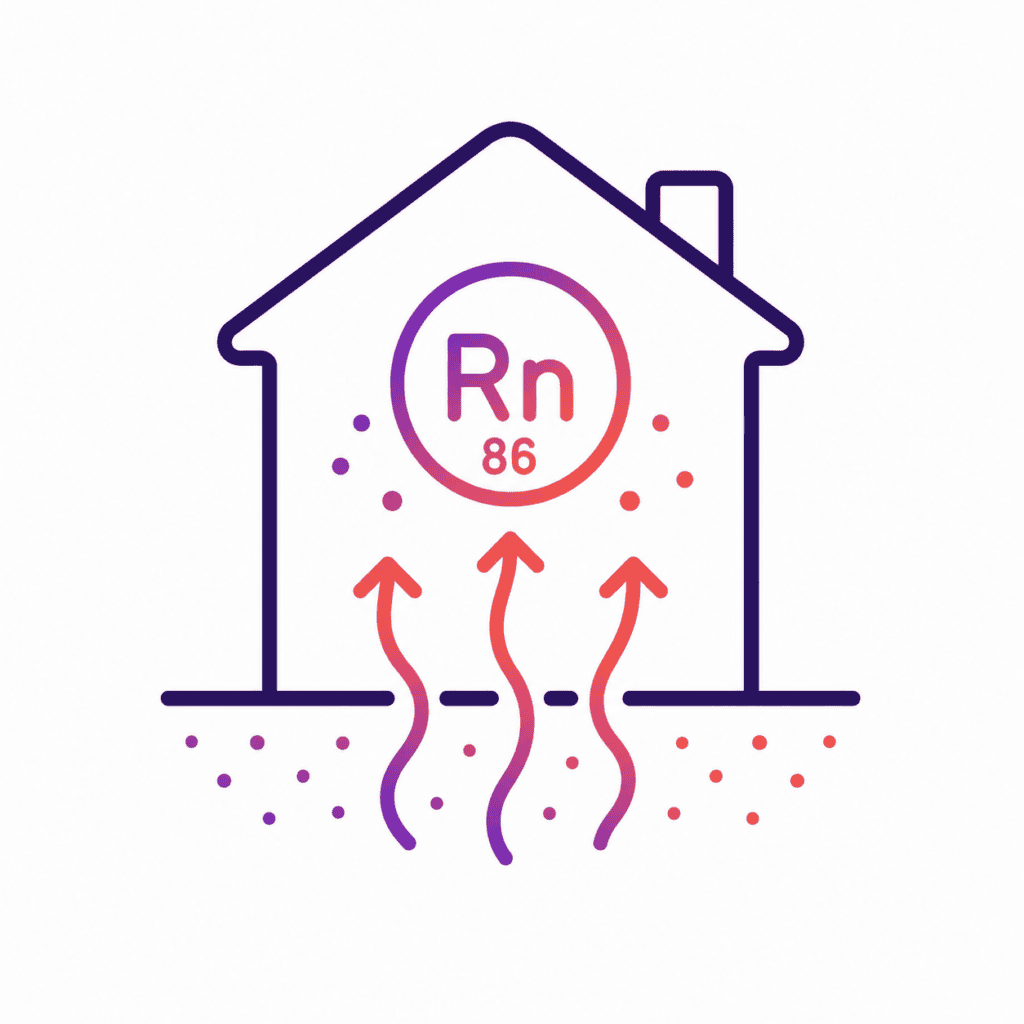
Radon, a naturally occurring radioactive gas produced by the decay of uranium in the earth, is the leading cause of lung cancer among non-smokers. Because it is odorless, colorless, and tasteless, it is often referred to as a "silent killer." Radon particles enter buildings through cracks in foundations or water sources. Once inhaled, these particles deposit radioactive material in the lung lining, directly damaging DNA. Unlike outdoor air, where radon is diluted, indoor environments with poor ventilation can harbor dangerous concentrations. Home mitigation systems and simple test kits are the only effective defenses.
2. The Persistence of Secondhand Smoke
Secondhand smoke remains a potent carcinogen. It contains over 7,000 chemicals, of which at least 70 are known to cause cancer. Even brief exposure to this cocktail of toxins can induce inflammatory responses and cellular damage in the lungs, creating a fertile environment for malignancy to develop over time.
3. Air Pollution and the PM2.5 Crisis
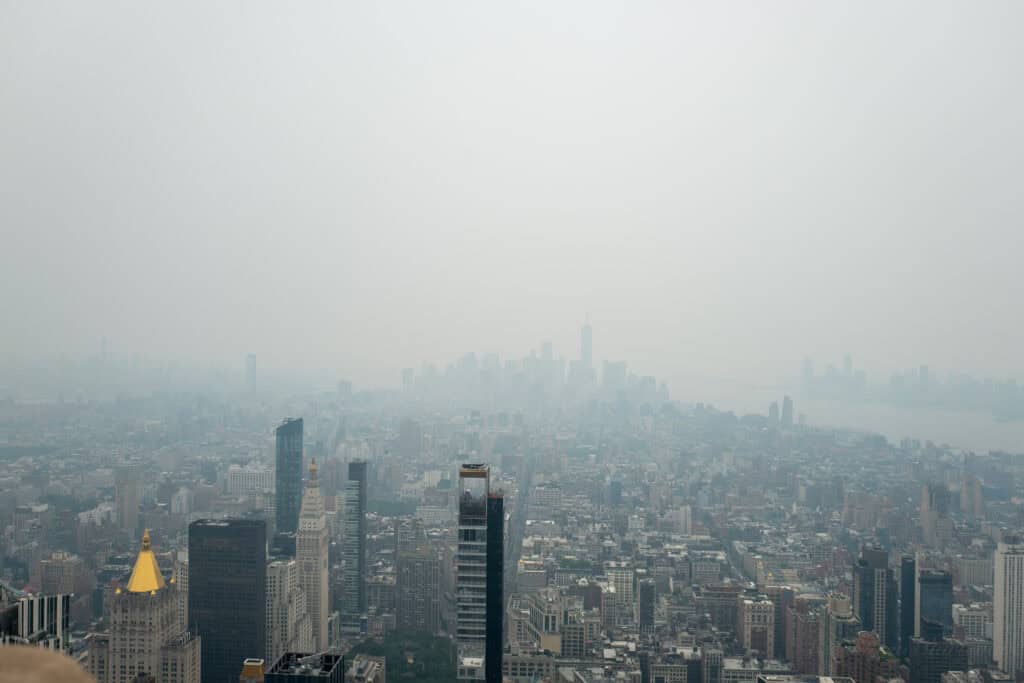
Fine particulate matter, specifically PM2.5 (particles less than 2.5 micrometers in diameter), is a critical factor in the rise of LCINS. These microscopic particles can travel deep into the respiratory tract, triggering chronic inflammation. This inflammation serves as a catalyst, allowing genetic mutations to accumulate and progress into tumors.
The global disparity in air quality is staggering. While the World Health Organization (WHO) sets a safety benchmark of 5 µg/m³, many regions face concentrations exceeding 50 µg/m³. The recent surge in global wildfire activity—such as the 2026 Canadian wildfire events that blanketed North American cities in smoke—has introduced a new, intense source of particulate exposure that is currently being scrutinized for its long-term carcinogenic impact.

Clinical Challenges: Why Diagnosis is Often Delayed
One of the most dangerous aspects of LCINS is the "diagnostic gap." Because the current medical framework often reserves lung cancer screening for long-term smokers over the age of 50, many younger or non-smoking patients are not monitored for the disease.
Furthermore, symptoms of lung cancer—such as a persistent cough, chest pain, or shortness of breath—are frequently misattributed to common conditions like asthma, seasonal allergies, or post-viral infections. By the time these symptoms prompt a diagnostic scan, over 70% of lung cancer cases have already reached an advanced stage. Raising awareness among both patients and primary care physicians is essential to ensure that a non-smoking history does not lead to the dismissal of respiratory concerns.
Personalized Treatment: The Shift to Precision Medicine
Because LCINS is biologically distinct, it requires a tailored therapeutic approach. Conventional chemotherapy remains an option, but the true frontier is precision medicine.
- Targeted Therapies: For patients whose tumors are driven by specific mutations (such as EGFR or ALK), oral medications known as tyrosine kinase inhibitors (TKIs) can be highly effective at blocking the signals that tell the cancer cells to grow.
- Immunotherapy Nuance: Checkpoint inhibitors, which "release the brakes" on the immune system, have revolutionized cancer treatment. However, they rely on the immune system recognizing the cancer as "foreign." Because LCINS tumors have fewer mutations than smoking-related tumors, they are sometimes less "visible" to the immune system. Current research is focused on combination therapies that make these tumors more detectable, thereby increasing the success rate of immunotherapy in non-smokers.
Implications for the Future
The rise of lung cancer in never-smokers serves as a sobering reminder that cancer is a multifactorial disease. The shift from a "smoking-only" perspective to a broader understanding of environmental, genetic, and biological factors is a testament to the progress of modern oncology.
However, the implications are clear: we must rethink our screening criteria and public health strategies. If the incidence of LCINS continues to climb, standard guidelines must evolve to include risk assessments based on environmental exposure (like radon) and family history, rather than relying solely on tobacco history.
As scientists continue to decode the biological intricacies of LCINS, the goal remains the same: earlier detection and the development of therapies that treat the disease at its genetic source. While we cannot eliminate every risk factor in our environment, proactive medical evaluation, awareness of indoor air quality, and the continued funding of precision medicine research are the most effective tools we have to combat this silent, growing epidemic. Every discovery brings us closer to a future where a diagnosis of lung cancer, regardless of a patient’s smoking history, is met with an effective, personalized, and life-saving plan.