








In the landscape of public health, few shifts have been as seismic as the transition of mental health from a whispered liability to a platform for advocacy. Bipolar disorder, a complex brain-based condition characterized by significant shifts in mood, energy, and activity levels, was once a "career-killer" in the high-stakes worlds of Hollywood, professional sports, and global politics. Today, however, a growing collective of public figures is dismantling that archaic framework. By moving beyond mere disclosure toward radical transparency, these individuals are leveraging their "parasocial" influence to foster a new era of mental health literacy.
The following analysis explores how these public figures have transitioned from "suffering in silence" to "living out loud," the chronological evolution of this movement, and the profound implications their stories have for the millions of individuals navigating similar diagnoses.
Main Facts: The Burden of Stigma and the Power of the Platform
Bipolar disorder affects approximately 2.8% of the U.S. adult population, according to the National Institute of Mental Health (NIMH). Despite its prevalence, the condition is frequently shrouded in misconceptions, often conflated with simple "moodiness" or, conversely, dangerous instability. The primary challenge for the clinical community has always been "self-stigma"—the process by which individuals internalize societal prejudices, leading to a refusal to seek treatment.
Celebrity disclosures act as a potent "de-stigmatizer." When a person of high social capital—such as an Oscar winner, a chart-topping singer, or a world-class chef—identifies as having a brain-based disorder, it provides a "social proof" that the condition does not preclude success, creativity, or value. The current trend in celebrity advocacy is characterized by three main facts:
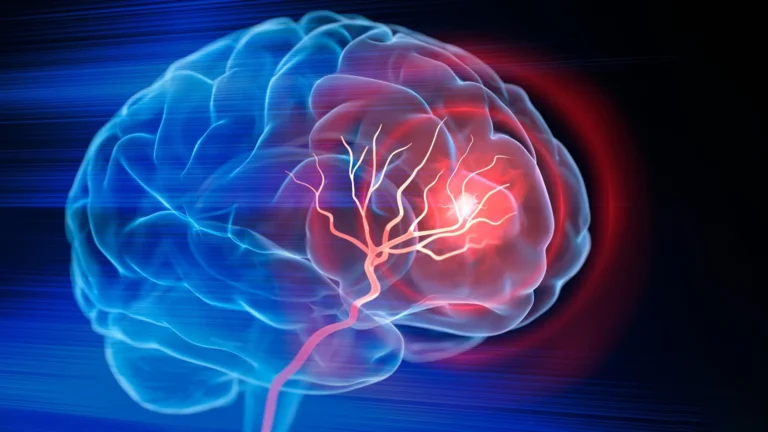
- Biological Framing: Modern advocates emphasize that bipolar is a physiological condition of the brain, not a character flaw.
- Treatment Normalization: Public figures are increasingly open about the necessity of medication, therapy, and sobriety.
- Creative Integration: Many are using their art (film, music, literature) to provide a visceral, rather than clinical, look at the condition.
Chronology: From Private Crisis to Public Advocacy
The timeline of public bipolar disclosure has evolved from the "scandal" era of the mid-20th century to the "activism" era of the 2020s.
The Era of Retrospective Revelation (1980s–2000s)
For decades, public figures only discussed mental health in the past tense, usually after their careers had peaked. Richard Dreyfuss, diagnosed at age 11, and Jane Pauley, diagnosed at 50, were among the pioneers who began to speak candidly about "manic depression" (the former clinical term). Pauley’s 2004 memoir, Skywriting, was a watershed moment, showing that even the most "composed" news anchors could face a psychological reckoning.
The Creative Connection (2010s)
In the 2010s, the narrative shifted toward the intersection of bipolar disorder and the creative process. Stephen Fry released the groundbreaking documentary The Secret Life of a Manic Depressive (2006/2010), which humanized the condition for a global audience. Comedian Maria Bamford began incorporating her experiences with psychiatric hospitalization into her stand-up and her Netflix series Lady Dynamite, proving that the "absurdity" of the healthcare system could be a tool for healing.
The Era of Radical Transparency (2020–Present)
We are currently in an era where stars like Selena Gomez and Alan Ritchson disclose their conditions in real-time, often while at the height of their professional powers. Gomez’s 2022 documentary, My Mind & Me, provided an unfiltered look at the "rough, raw, and painful" realities of her diagnosis, moving away from the polished "recovery" narratives of the past.
Supporting Data: Profiles in Resilience
The impact of these public figures is best understood through the specific ways they have challenged the status quo.
The "Difficult" Label: Faye Dunaway
For decades, Faye Dunaway carried a reputation for being "dreaded" on set. In her 2024 HBO documentary, Faye, the 83-year-old icon reframed this history. She revealed that her "intensity" and mood swings were symptoms of undiagnosed bipolar disorder. By acknowledging how she has worked with doctors and medication to manage her condition, Dunaway transformed a narrative of "diva behavior" into one of medical management and survival.
The Physicality of Vulnerability: Alan Ritchson
Alan Ritchson, the star of the action series Reacher, represents a significant shift in the "tough guy" archetype. Diagnosed at 36, Ritchson has spoken openly about being a suicide survivor. His discussion of how bipolar and ADHD create daily "highs and lows" provides a vital counter-narrative to the idea that physical strength equals psychological invulnerability. His tattoos—specifically the Greek masks of comedy and tragedy—serve as permanent, visible reminders of his neurological journey.
The Culinary Pressure Cooker: David Chang
In his memoir Eat a Peach, world-renowned chef David Chang addressed the "macho" culture of professional kitchens. By discussing his bipolar depression, Chang highlighted how high-pressure environments can exacerbate mood disorders and how psychiatric care is essential for professional longevity.
The Character Study: Maurice Benard
Emmy-winner Maurice Benard has spent decades playing Sonny Corinthos on General Hospital. In a rare move for the industry, Benard worked with writers to give his fictional character the same bipolar diagnosis he carries in real life. This "stealth advocacy" reaches millions of viewers daily, normalizing the sight of a powerful, complex man managing his mental health.
Official Responses and Clinical Context
The medical community generally views high-profile disclosures as a "double-edged sword," though the benefits largely outweigh the risks.
The Positive Impact:
Psychologists note that celebrity stories create a "bridge of empathy." When Margaret Trudeau, former wife of a Canadian Prime Minister and mother of another, speaks about her "adventurous free spirit" being a symptom of undiagnosed bipolar, it helps families recognize those same patterns in their loved ones. Organizations like the National Alliance on Mental Illness (NAMI) often report spikes in inquiries following high-profile documentaries or memoirs.
The Cautionary Note:
Medical experts, however, caution against the "romanticization" of mania. Figures like Richard Dreyfuss and Maria Bello have spoken of the "gift" of empathy or creative energy that comes with the disorder, but they are also careful to emphasize that these "gifts" only become manageable through professional care. The "official response" from the clinical world is a reminder that while celebrities have access to the world’s best doctors, the average person needs a robust community-based support system, a point often echoed by Margaret Trudeau.
Implications: Moving Toward "Living With" Rather Than "Suffering From"
The collective efforts of these public figures are driving a fundamental shift in the lexicon of mental health. The implications of this movement are three-fold:
1. The Death of "Passing"
For a long time, the goal for many with bipolar disorder was to "pass" as neurotypical—to hide the diagnosis at all costs. The advocacy of stars like Mary Lambert, who literally sings her diagnosis in her hit song "Secrets," encourages individuals to stop hiding. This reduces the "cognitive load" of maintaining a secret, which is itself a major trigger for depressive episodes.
2. Redefining Professional Potential
The success of Jane Pauley in journalism, David Feherty in sports broadcasting, and Selena Gomez in entrepreneurship proves that a bipolar diagnosis is not a ceiling. It suggests that with proper management—medication, therapy, and lifestyle adjustments—individuals with bipolar disorder can not only work but excel in the most demanding fields.
3. The Integration of the "Whole Self"
As Alan Ritchson noted, the goal is not to ignore the disorder but to "celebrate it a little or, at least, accept it." This movement toward self-acceptance suggests that the future of mental health treatment is not just about the suppression of symptoms, but the integration of one’s neurological reality into a meaningful, productive life.
Conclusion
The transition of bipolar disorder from a source of shame to a subject of public discourse is one of the great social achievements of the 21st century. By choosing to be "missionaries for self-acceptance," these celebrities have done more than just share their stories; they have provided a roadmap for others. As the narrative continues to evolve, the focus remains clear: bipolar disorder is a condition one lives with, a brain-based reality that, while challenging, does not define the limits of a human life. Through books, songs, and screens, the "silencing effect" of stigma is finally being replaced by the resonant voice of experience.