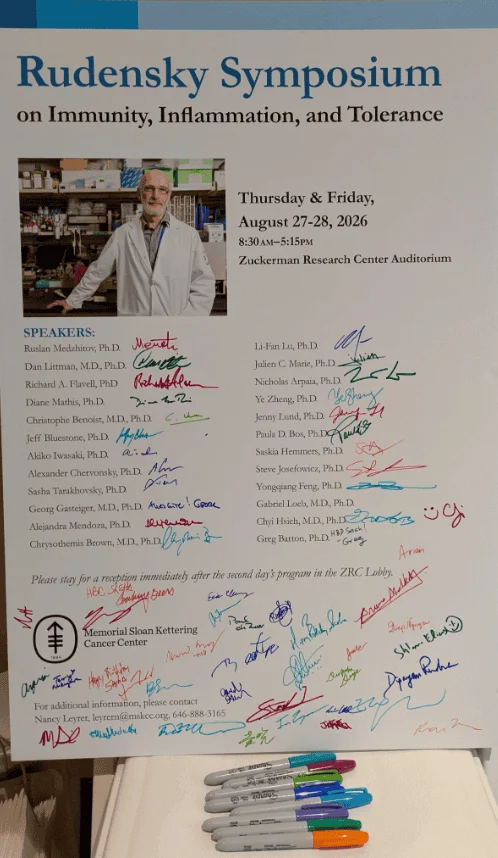




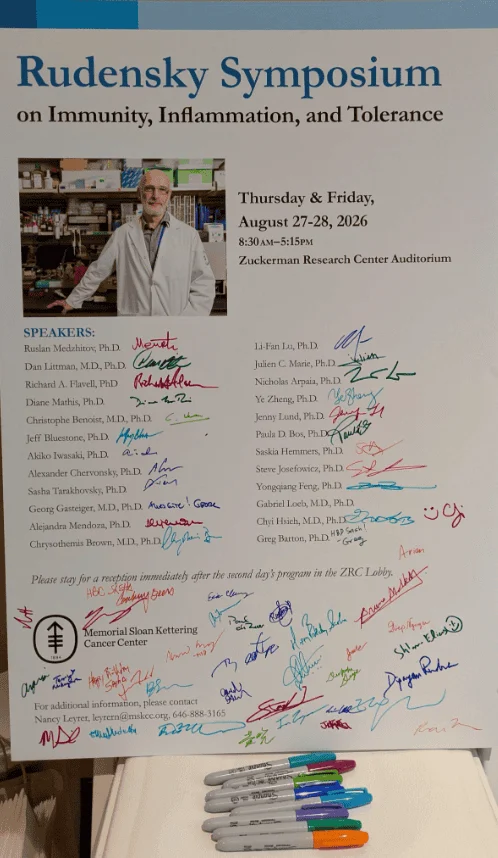
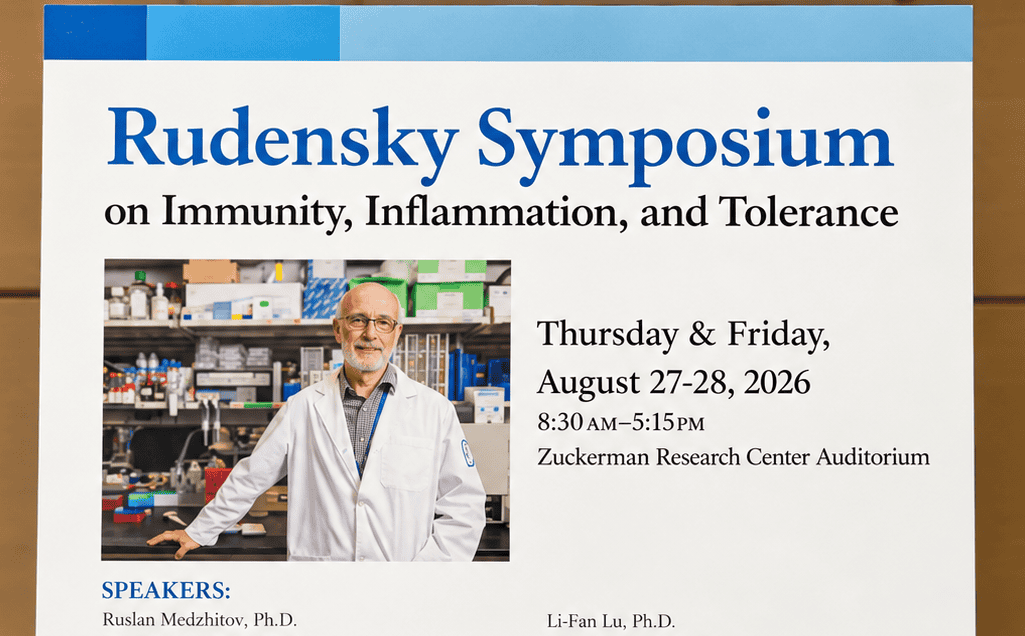
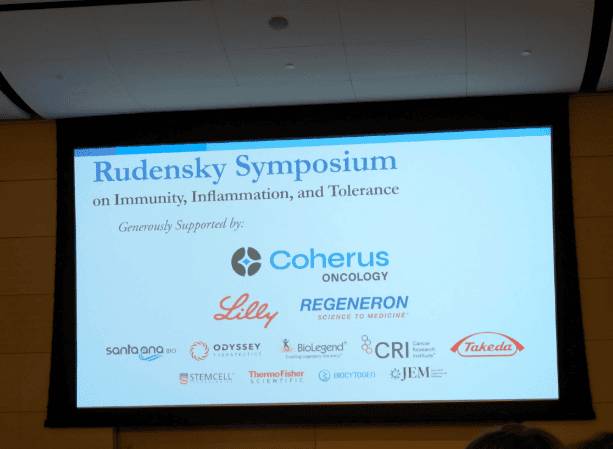
On August 27–28, 2026, the scientific community converged to celebrate more than just a milestone birthday. The Rudensky Symposium on Immunity, Inflammation and Tolerance served as a living archive of modern immunology, honoring the 70th birthday of Dr. Alexander “Sasha” Rudensky of the Memorial Sloan Kettering Cancer Center. However, the event transcended the typical academic tribute; it acted as a masterclass in how fundamental biological inquiry serves as the bedrock for the next generation of cancer therapeutics.
For the Cancer Research Institute (CRI), which has supported Dr. Rudensky’s research and mentorship for over two decades, the symposium was a poignant reminder that scientific breakthroughs are rarely solitary events. They are the cumulative result of decades of collaborative inquiry, rigorous mentorship, and the freedom to explore the "how" and "why" of the human immune system.
The Genesis of a Scientific Legacy
The symposium brought together a distinguished cohort of former trainees, collaborators, and colleagues whose professional relationships span the arc of Dr. Rudensky’s career. The program was a seamless blend of high-level scientific discourse and deeply personal retrospectives, highlighting the mentorship that has shaped the careers of some of today’s leading immunologists.
CRI’s involvement in the symposium is rooted in a long-standing commitment to basic science. Dr. Rudensky’s own work—notably his pioneering research on regulatory T cells (Tregs)—was recognized by the CRI in 2015 with the William B. Coley Award. Tregs are the “brakes” of the immune system, essential for preventing autoimmune diseases by restraining excessive immune responses and protecting healthy tissues. Understanding these cells has provided a foundational blueprint for manipulating the immune system to combat cancer.
Chronology of Discovery: From Basic Biology to Clinical Innovation
The symposium’s agenda was structured to reflect the progression of immunological thought—beginning with the maintenance of tissue homeostasis and moving toward the complex microenvironments of tumors.
Phase I: The Tissue Maintenance Crew (August 27, Morning)
The opening sessions focused on how immune cells function as more than just soldiers against pathogens. Dr. Ruslan Medzhitov, a 2003 CRI Coley Awardee, set the stage by describing the role of macrophages in “waste management.” His research reveals that stressed cells recruit macrophages to clear out damaged protein debris, repositioning immune cells as vital tissue-maintenance crews.
This theme of homeostatic control was echoed by 2024 CRI Coley Awardees, Drs. Diane Mathis and Christophe Benoist. Dr. Mathis detailed how specific Treg populations facilitate muscle repair and limit scarring following injury, while Dr. Benoist demonstrated that the identity and function of a Treg are intrinsically linked to the molecular target it recognizes. These insights are critical: the fine-tuning of immune restraint is a delicate balance. Too little leads to systemic inflammation; too much allows cancer to evade detection.
Phase II: Pre-emptive Immunosurveillance (August 27, Afternoon)
The conversation pivoted toward the earliest signs of malignancy. Dr. Richard A. Flavell, a 2012 CRI Coley Awardee, presented compelling data on how the immune system monitors intestinal stem cells even before a tumor manifests. By observing cells carrying the cancer-linked BRAF mutation, Dr. Flavell’s team demonstrated that the immune system acts as a filter, eliminating many mutant cells before they can establish a foothold.
Building on this, Dr. Julien C. Marie explored the link between chronic inflammation and malignancy. His research showed that the disruption of the TGF-β signal forces Th17 immune cells into a hyper-inflammatory state, which induces localized DNA damage and paves the way for cancer. The revelation that this state may be reversible provides a potential therapeutic window for preventing cancer before it fully develops.
Phase III: The Ecosystem of the Tumor (August 28, Morning)
The final day focused on the tumor microenvironment—a complex, ecosystem-like structure that cancer manipulates to survive. Dr. Dan Littman, a 2016 CRI Coley Awardee, bridged the gap between the gut microbiome and systemic immunotherapy. His research illustrates that the health and composition of gut bacteria influence how a patient responds to checkpoint inhibitors, proving that an immune response initiated in the gut can dictate the success of a treatment directed at a tumor elsewhere in the body.
Dr. Paula D. Bos presented findings on the physical architecture of breast cancer. She showed that Tregs influence the tumor’s physical scaffolding, specifically the collagen fibers that act as "highways" for metastatic escape. By modulating these cells, researchers may be able to restrict the migration of cancer cells, effectively trapping them at the primary site.
Dr. Nicholas Arpaia concluded the scientific sessions by examining the "suppressive neighborhoods" surrounding lung tumors. By identifying fibroblasts that recruit Tregs, his lab is developing methods to disrupt these niches, often using engineered bacteria—a collaborative effort with CRI Lloyd J. Old STAR Dr. Tal Danino—to deliver immune-modulating therapies directly into the heart of the tumor.
Supporting Data: The Impact of Long-Term Investment
The success of the Rudensky Symposium is underpinned by over 20 years of continuous funding. The data suggests that the "ripple effect" of this support is significant:
- Mentorship Pipeline: More than a dozen CRI-funded fellows have passed through the Rudensky lab, many of whom are now leading their own research programs.
- Cross-Pollination: The symposium highlighted that over 40% of the presented research began as a non-cancer-related question, proving the necessity of funding basic immunology as a prerequisite for cancer cures.
- Translational Velocity: Insights regarding Treg modulation and microbiome-driven immunotherapy are currently informing the design of at least six ongoing preclinical trials.
Official Perspectives: The Value of "Scientific Freedom"
In his remarks at the symposium, Dr. Rudensky emphasized that the greatest breakthroughs often occur when scientists are given the "intellectual latitude" to pursue questions without the immediate pressure of clinical outcomes.
"We are not just building a body of knowledge; we are building a lineage of thinkers," said a representative from the Cancer Research Institute. "The history of the CRI is the history of betting on people who ask the ‘why’—the people who understand that the mechanism of tissue repair today is the mechanism of cancer prevention tomorrow."
The consensus among the attendees was clear: while modern technology allows for faster data collection, the pace of true innovation is set by the quality of the questions asked. The symposium underscored that the most disruptive cancer research often comes from researchers who are not primarily focused on cancer, but rather on the fundamental rules of life itself.
Implications: The Future of Cancer Therapy
The findings presented at the symposium offer a shift in how we approach oncology. We are moving away from a "kill the tumor" mindset toward a more nuanced "restore the balance" strategy. By leveraging the body’s innate ability to repair tissue, manage inflammation, and monitor cellular health, researchers are developing strategies that are less toxic and more durable.
The implications for patients are profound. Future therapies may involve:
- Preventative Immunotherapy: Using the immune system to eliminate cells with cancer-linked mutations before they form tumors.
- Environmental Modulation: Altering the gut microbiome to "prime" the immune system for better responses to standard therapies.
- Targeted Microenvironment Disruption: Using synthetic biology (like engineered bacteria) to dismantle the physical and chemical barriers tumors build to protect themselves.
Conclusion: A Legacy in Motion
The Rudensky Symposium was more than a professional gathering; it was a testament to the power of continuity. As the attendees left the venue, the overarching sentiment was one of optimism. The trainees who once sat in Dr. Rudensky’s lab are now the mentors of the next generation, carrying forward the same curiosity and rigor.
For the Cancer Research Institute, the event served as a validation of its long-term strategy. By investing in the individuals—the people who challenge dogma, embrace rigorous disagreement, and pursue fundamental truths—the CRI continues to ensure that the progress of science remains an unstoppable, generational force. The "Rudensky School" of immunology is not merely a label for a group of scientists; it is a blueprint for how we will eventually overcome cancer.