








Not every muscle group is immortalized in pop culture and rap lyrics, but the glutes are far more than a vanity metric. While they undoubtedly provide the aesthetic foundation that many gym-goers prioritize, the gluteal complex is the primary engine of human movement. From stabilizing the pelvis during a simple walk to producing the explosive force required for sprinting or heavy lifting, the glutes are the body’s most versatile powerhouses.
Achieving a high-functioning, aesthetic backside requires moving beyond the "one-size-fits-all" approach. It demands an understanding of anatomy, mechanical loading, and the interplay between muscle length and tension.
The Anatomy of the Posterior Chain
To train the glutes effectively, one must first understand that they are not a monolithic structure. The gluteal group consists of three distinct muscles, each with unique roles that must be addressed to ensure both performance and aesthetics.
The Gluteus Maximus: The Prime Mover
As the largest and most superficial muscle in the group, the gluteus maximus is the primary driver of hip extension and external rotation. It is the muscle most responsible for the volume and shape of the buttocks. However, its utility extends deeper; its lower fibers assist in hip adduction, while the upper fibers contribute to hip abduction.
The Gluteus Medius and Minimus: The Stabilizers
Often overlooked in favor of the maximus, the medius and minimus are critical for joint integrity. The gluteus medius, located on the lateral aspect of the pelvis, is the primary hip abductor. Its anterior fibers assist with internal rotation, while its posterior fibers contribute to external rotation. The gluteus minimus, the deepest of the trio, works in tandem with the medius to stabilize the femur within the hip socket. When you lift one foot off the ground—as you do in walking or running—these muscles act as the primary stabilizers of the pelvis.
The Role of Hip Anatomy in Training
A common pitfall in fitness is the assumption that every athlete should perform the same exercises with the same mechanics. The hip is a ball-and-socket joint, and its specific architecture—the depth of the socket, the angle of the femoral neck, and individual femur length—varies significantly between individuals.
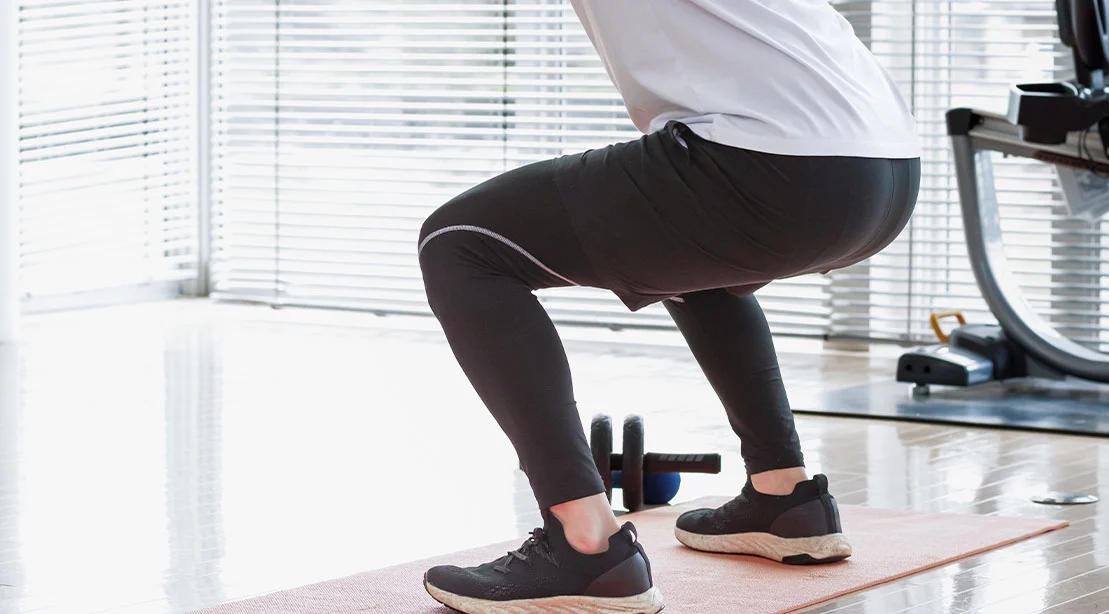
These structural differences dictate how one should approach exercises like the squat. Some lifters will naturally favor a narrow stance, while others, due to their unique pelvic orientation, will find more power and comfort in a wide stance with toes pointed outward. Ignoring these anatomical realities can lead to subpar muscle activation or, worse, chronic injury. Effective programming requires adjusting stance, foot position, and range of motion to suit the individual rather than forcing the body into a rigid, universal template.
Why Glute Strength Transcends Aesthetics
The implications of a strong posterior chain extend far beyond the gym floor. Weakness in the gluteal complex is a common precursor to lower-body dysfunction.
- Strength and Power: The glutes are the engine for explosive movements. Whether you are sprinting, jumping, or performing heavy compound lifts, the glutes provide the horsepower.
- Stability and Injury Prevention: Weak glutes often manifest as "knee valgus"—where the knees cave inward during squats or lunges. This places undue stress on the ligaments of the knee and can cause chronic pain in the hips and lower back.
- Enhanced Athletic Performance: In sports involving cutting, landing, or rotational movements (such as golf or combat sports), the glutes act as the bridge between the lower body and upper body, absorbing force and redirecting it to generate power.
The Mechanics of Growth: Lengthened vs. Shortened Loading
To build a comprehensive physique, you must challenge the glutes across their full range of function. This is categorized into two main mechanical strategies:
1. Lengthened Position Training
Exercises such as the Romanian Deadlift (RDL), deep squats, and front-foot-elevated split squats place the glutes under maximum tension while they are in a stretched (lengthened) position. Research indicates that loading muscles in a lengthened state is a potent stimulus for hypertrophy.
2. Shortened Position Training
Conversely, movements like the barbell hip thrust, glute bridge, and cable kickbacks emphasize the contraction of the muscle as it nears its shortest length. Because the glutes operate through a shorter range of motion in these exercises, they provide a different, but equally vital, stimulus for muscle development.
Effective programming avoids the "Team Squat vs. Team Hip Thrust" debate. Instead, it integrates both. By utilizing compound movements that stress the glutes at long lengths and isolation movements that emphasize the peak contraction, you ensure complete development.
Essential Rules for Programming
You do not need an endless library of exercises to achieve results. You need a structured approach that prioritizes efficiency and mechanical variety.
Start with Compound Movements
Compound lifts serve as the foundation of any glute program. Exercises like back squats and deadlifts allow you to move significant weight, involving the entire lower body. However, recognize that compound lifts do not always "isolate" the glutes. Factors like torso angle and squat depth change the degree of glute involvement.
Incorporate Unilateral Training
Single-leg work, such as Bulgarian split squats and single-leg RDLs, is non-negotiable. These movements correct muscle imbalances, improve balance, and force the glute medius and minimus to work overtime to stabilize the pelvis.
Prioritize Mobility
Your glutes can only be as strong as the range of motion allowed by your hips. Incorporating mobility drills—such as half-kneeling hip flexor stretches, adductor rockbacks, and 90/90 hip rotations—before training ensures that you can access the full range of motion necessary for growth.
Setting the Standards: Volume, Intensity, and Frequency
The "Goldilocks" approach to glute training involves balancing heavy strength work with metabolic stress and stability training.
- For Strength: Utilize 3–5 reps per set with heavy loads, resting 2–3 minutes between sets.
- For Hypertrophy (Size): Aim for 6–15 reps per set, focusing on controlled eccentric (lowering) phases and training close to technical failure.
- For Stability: Use 15–20 reps for abduction-based movements to target the smaller, fatigue-resistant muscle fibers of the glute medius and minimus.
For most individuals, training the glutes 2–3 times per week is optimal. Beginners may benefit from a split-session approach, while advanced lifters can distribute their volume over three sessions to maintain the quality of each movement.
Debunking Common Glute Myths
The fitness industry is rife with misinformation regarding the "best" way to train the backside. Here are the facts:
- "Squats are all you need": While squats are king for leg development, they do not fully cover the gluteal complex’s range of functions, particularly hip abduction.
- "Hip Thrusts are better than squats": Research has shown that both exercises are equally effective at building glute mass, despite different activation profiles. Choose based on your goals and anatomy, not social media trends.
- "You can isolate the upper vs. lower glute": While you can shift emphasis through different angles, you cannot "turn off" portions of the gluteus maximus. It is a single, large muscle; it grows as a whole.
- "Soreness is the best indicator of progress": Delayed Onset Muscle Soreness (DOMS) is merely a sign that you have introduced a new stimulus. It is not a reliable metric for long-term growth.
Final Implications for Your Routine
Building a powerful, aesthetic, and resilient set of glutes is a long-term project that requires patience and adherence to the principles of progressive overload. Avoid the temptation to turn every workout into a marathon. Instead, focus on high-quality movement, varied loading positions, and the integration of both compound and isolation exercises.
As you refine your training, remember that the glutes are the engine of your body. Treat them with the respect they deserve, and the performance benefits—combined with the aesthetic results—will be undeniable. Whether you are aiming for a new personal best in the deadlift or simply looking to improve your daily movement quality, the path remains the same: train the full function of the muscle, ensure proper recovery, and stay consistent. The results will follow.