









For the 98 million Americans—roughly one in three adults—currently living with prediabetes, the path to long-term cardiovascular health has often been framed as a daunting journey of restriction. Prediabetes, a condition characterized by elevated blood sugar levels that have not yet reached the clinical threshold for type 2 diabetes, serves as a critical "yellow light" warning. Traditionally, medical interventions have focused heavily on weight loss and caloric deficits. However, a groundbreaking study from the Illinois Institute of Technology (Illinois Tech) suggests that the solution may not be about eating less, but rather about eating better.
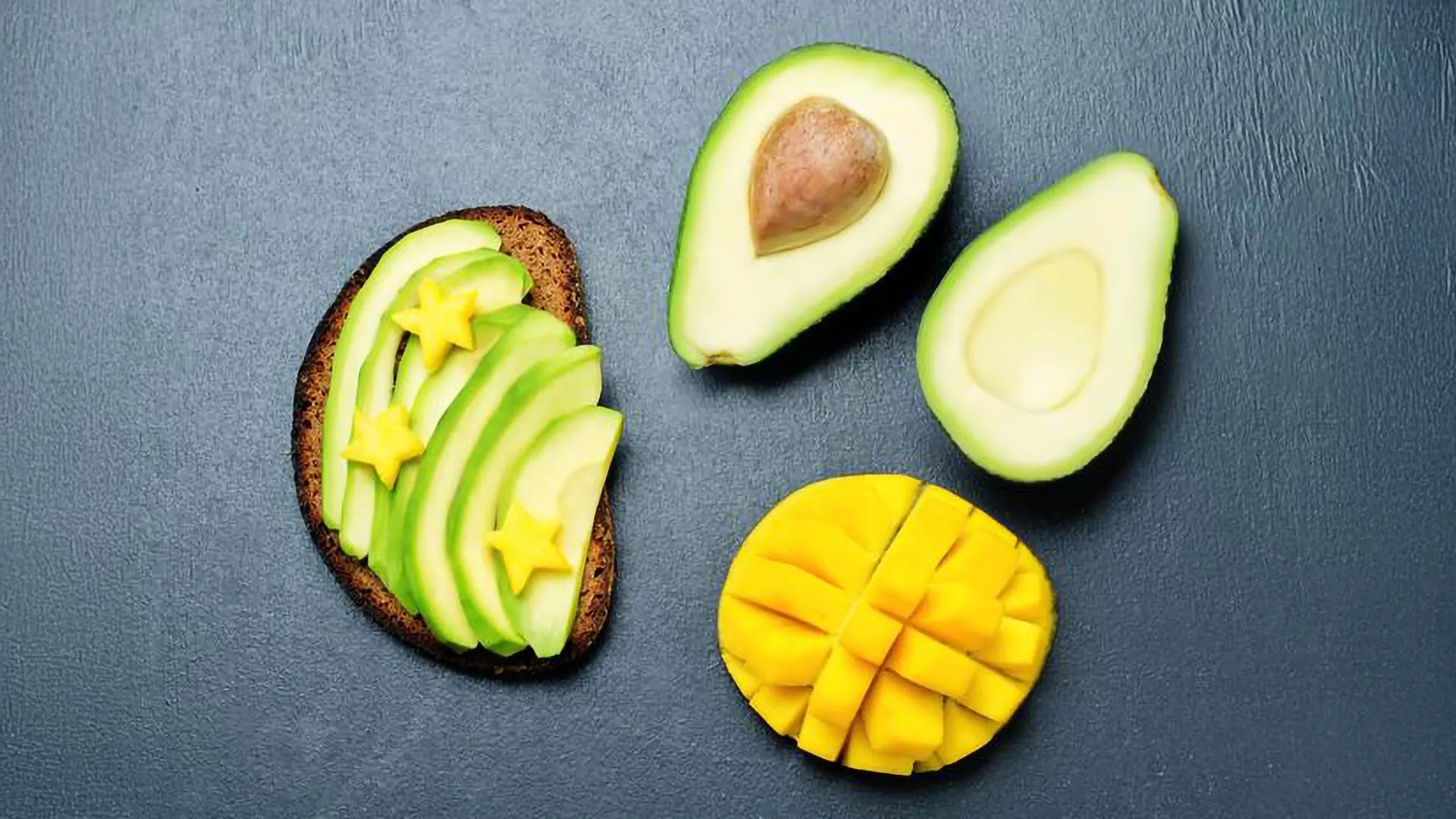
New research published in the Journal of the American Heart Association reveals that a simple, non-restrictive addition to the daily diet—one medium Hass avocado and one cup of fresh mango—can significantly bolster heart health. Over an eight-week period, participants with prediabetes saw tangible improvements in blood vessel function and blood pressure, all while maintaining stable body weight and caloric intake. This study shifts the narrative from "what to cut out" to "what to add in," highlighting the potential of nutrient-dense whole foods to serve as functional medicine.
The Chronology of the Eight-Week Clinical Trial
To investigate the cardiovascular impact of this fruit-centric diet, researchers at Illinois Tech recruited 82 adults between the ages of 25 and 60. All participants were categorized as having prediabetes and were identified as having overweight or obesity (with a Body Mass Index between 25 and 35 kg/m2). The study was designed to be rigorous, controlled, and reflective of real-world eating patterns.
Phase 1: The Controlled Baseline
At the study’s outset, participants were screened to ensure they did not smoke, were not adhering to specialized medical diets, and possessed no major chronic health conditions beyond their prediabetic status. Researchers established a baseline for cardiovascular markers, including blood pressure, lipid profiles, and, most importantly, flow-mediated dilation (FMD)—a gold-standard noninvasive test used to measure the elasticity and health of the endothelium, the thin layer of cells lining the blood vessels.
Phase 2: The Intervention
For the duration of the eight-week study, participants were divided into two groups. The intervention group consumed a daily diet that included one medium Hass avocado and one cup of fresh mango. To ensure accuracy, the researchers provided meals that accounted for 75% of each participant’s estimated daily caloric needs. This controlled approach allowed the scientists to monitor nutrient intake closely while allowing participants the flexibility to choose their remaining 25% of calories.
The control group followed a similar, calorie-matched diet, but instead of the fruit, they consumed carbohydrate-based foods that provided an equivalent caloric load. This allowed researchers to isolate the specific health benefits provided by the bioactive compounds in the mango and avocado, rather than simply measuring the impact of calorie substitution.
Phase 3: Data Collection and Analysis
Throughout the eight weeks, researchers tracked changes in metabolic indicators, inflammation markers, kidney function, and dietary nutrient intake. By the conclusion of the study, the differences between the fruit-consuming group and the control group were statistically significant, providing a clear window into how specific, whole-food nutrition influences the cardiovascular system.
Supporting Data: The Science of Vascular Health
The study’s most compelling findings center on the physiological changes within the cardiovascular system, specifically regarding how blood vessels behave under pressure.
Flow-Mediated Dilation (FMD)
The ability of blood vessels to dilate—or expand—in response to increased blood flow is a critical marker of endothelial health. A healthy endothelium regulates blood flow by signaling the muscles in the artery walls to relax. In the study, the participants who consumed the mango and avocado showed a significant improvement in FMD, with measurements rising to 6.7%. In stark contrast, the control group experienced a decline in FMD to 4.6%. This delta suggests that the nutrients found in these fruits—such as antioxidants and monounsaturated fats—may directly improve the functional capacity of the arteries.
Blood Pressure Dynamics
Blood pressure improvements were particularly pronounced among male participants. While men in the control group saw an average increase of 5 mmHg in central blood pressure, those in the fruit-consuming group experienced a reduction of approximately 1.9 mmHg.
Diastolic blood pressure—the pressure within the arteries when the heart is at rest between beats—also showed favorable trends. While these numbers may seem modest in isolation, researchers noted that if these reductions were maintained over a longer period, they could represent a clinically meaningful decrease in the strain placed on the cardiovascular system.
Secondary Health Benefits
Beyond the heart, researchers identified positive shifts in kidney health. Specifically, there were improvements in the estimated glomerular filtration rate (eGFR), which measures how efficiently the kidneys filter waste products from the bloodstream. Furthermore, participants in the fruit group naturally increased their intake of essential nutrients like fiber, vitamin C, and monounsaturated fats, which are widely recognized for their role in systemic wellness.
Official Responses: The "Food-First" Strategy
The academic community and the researchers involved have hailed these results as a victory for "food-first" preventative health strategies.
"This research reinforces the power of food-first strategies to help reduce cardiovascular disease risk, particularly in vulnerable populations like those with prediabetes," stated Britt Burton-Freeman, PhD, Principal Investigator and Professor at Illinois Tech.
Dr. Burton-Freeman emphasized that the study provides an "encouraging message" for the general public. In an era where nutrition advice is often characterized by complex rules, extreme calorie counting, or the total elimination of food groups, this study offers a refreshing alternative. "Small, nutrient-dense additions—like incorporating avocado and mango into meals and snacks—may support heart health without the need for strict rules or major dietary overhauls," she noted.
It is important to note that the study was supported by an unrestricted grant from the National Mango Board (NMB) and the Hass Avocado Board (HAB). However, the researchers confirmed that these organizations played no role in the design of the study, the data analysis, or the final interpretation of the results, ensuring the integrity and objectivity of the findings.
Implications for Public Health and Daily Life
The implications of this research are profound for those managing prediabetes. By focusing on adding nutrient-dense whole foods, individuals can improve their physiological markers without the psychological burden of restrictive dieting.
The Synergy of Mango and Avocado
While the study did not isolate the specific contribution of each fruit compared to the other, the combined profile of mango and avocado offers a potent nutritional synergy:
- Mango (The Antioxidant Powerhouse): With 50% of the daily value (DV) of Vitamin C, mangoes provide essential antioxidant support that protects cells from oxidative stress. The fiber content (7% DV) also aids in digestion and potential blood sugar regulation.
- Avocado (The Heart-Healthy Fat Source): Avocado is a significant source of monounsaturated fats, which are instrumental in managing cholesterol levels. The presence of potassium (6% DV) is vital for blood pressure regulation, while its fiber content (11% DV) supports metabolic health.
Practical Application: Making the Switch
Incorporating these fruits into a daily routine is straightforward. Their flavor profiles are highly complementary; the sweetness of a mango pairs perfectly with the creamy, savory nature of an avocado. Culinary suggestions from the researchers include:
- Smoothies: A blend of mango, avocado, and a base of greens provides a nutrient-dense breakfast.
- Grain Bowls: Adding diced mango and avocado to quinoa or brown rice bowls creates a satisfying meal.
- Ceviche or Salsas: Utilizing these fruits in fresh preparations like Mango Avocado Tuna Ceviche adds a gourmet touch to a heart-healthy dinner.
Limitations and Future Research
While the results are promising, the researchers are careful to maintain scientific humility. The study was limited by its eight-week duration; therefore, it is currently unknown if these cardiovascular improvements would persist or expand over several years. Additionally, because the study focused specifically on adults with prediabetes and overweight/obesity, the findings may not be directly applicable to the broader population with different health profiles.
Most importantly, while the study measured "markers" of heart health, it did not track long-term clinical outcomes such as the reduction of heart attacks or strokes. Future, larger-scale studies are necessary to determine if these positive physiological changes lead to a definitive decrease in the incidence of cardiovascular disease.
Conclusion: A Shift in Perspective
The Illinois Tech study marks a pivotal moment in nutritional science. It suggests that the path to cardiovascular health is not always paved with deprivation. By integrating simple, accessible, and delicious whole foods like mangoes and avocados into our daily diet, we may be able to influence our heart health for the better. For the millions of Americans navigating the challenges of prediabetes, this "food-first" approach offers not just hope, but a practical, sustainable, and enjoyable strategy for living a longer, healthier life.