









In a strategic move to modernize the continuum of care, the United States Food and Drug Administration (FDA) has officially unveiled the inaugural cohort of participants for its "Reducing Readmissions through Device Innovation for the Home" (READI-Home) Innovation Challenge. This pioneering initiative marks a significant shift in regulatory philosophy, moving from a reactive approval model to a proactive, collaborative framework designed to accelerate the deployment of medical technologies that empower patients and caregivers within their own homes.
The challenge addresses a persistent pain point in the American healthcare landscape: the high rate of hospital readmissions. By fostering innovation in home-based monitoring and therapy, the FDA aims to mitigate the logistical and financial burdens that currently plague the healthcare system, ensuring that the critical period following an acute hospital stay does not lead to a cyclical return to the emergency room.
The Genesis of READI-Home: A Regulatory Paradigm Shift
The READI-Home Innovation Challenge was conceived as a response to the growing necessity for remote care. As the healthcare industry grapples with aging populations, staffing shortages, and the rising costs of inpatient care, the ability to monitor patients safely outside of clinical walls has become paramount.
The FDA’s initiative focuses on identifying and refining medical devices that are not just technically sound, but practically viable for the home environment. The program provides participants with early, direct access to FDA expertise, allowing developers to receive rapid feedback on device design, human factors testing, and clinical trial protocols. This "interaction phase" is designed to shorten the development lifecycle, ensuring that life-saving technology reaches the patient bedside—or home mattress—sooner.
Chronology: From Concept to Clinical Collaboration
The launch of the READI-Home program represents the culmination of years of internal FDA assessment regarding the efficacy of home-based monitoring.
- Initial Formulation: Recognizing that many promising technologies failed to cross the "valley of death" between prototype and widespread clinical adoption due to regulatory uncertainties, the FDA sought a mechanism to engage developers earlier.
- Challenge Announcement: The FDA formally solicited applications from developers of hardware and software solutions specifically designed to reduce the risk of readmission for patients discharged from acute care.
- Selection Process: A panel of experts evaluated submissions based on their potential for clinical impact, ease of use by laypeople, and the ability to integrate into a remote patient monitoring workflow.
- The Interaction Phase (Current Status): The selected companies are now entering a structured collaboration period with the agency, involving iterative feedback loops that address the unique challenges of the home environment—such as patient compliance, connectivity, and data security.
Focus on Sleep: A Critical Frontier in Post-Acute Care
Perhaps most notable in the inaugural cohort is the FDA’s emphasis on sleep medicine. Sleep is a fundamental pillar of recovery; however, it is often the most disrupted element for patients recovering from acute medical events. The READI-Home challenge has highlighted two innovative devices that address neurological and physiological monitoring during sleep.
Epitel’s REMI: Democratizing EEG Monitoring
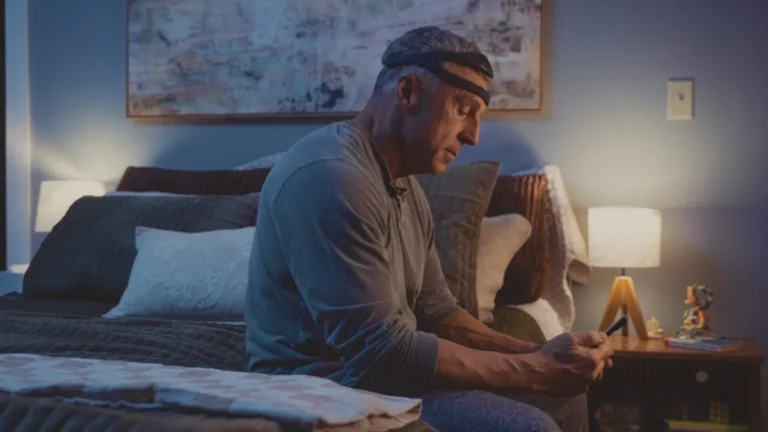
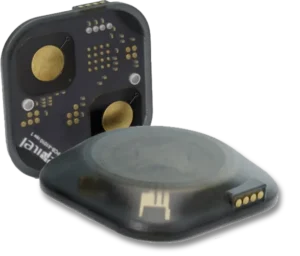
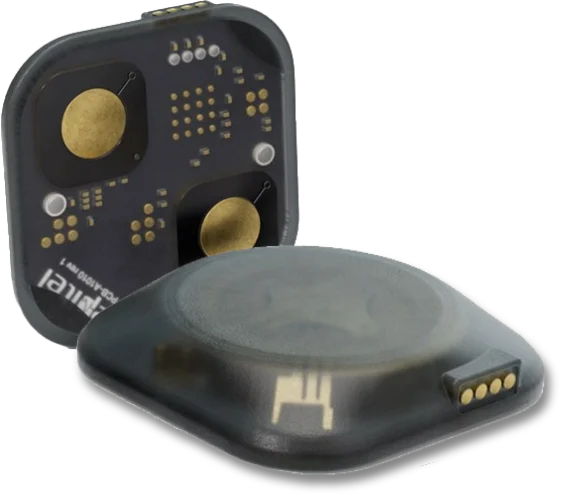
Epitel’s REMI Neuro Monitoring Home Health Hub represents a significant leap forward in neurological care. Traditional electroencephalography (EEG) requires bulky, expensive equipment and specialized technicians, typically limiting its use to hospital settings.
The REMI system, however, is a wireless, wearable EEG sensor designed for extended-duration monitoring. Because it is intended for use by patients six years and older, it provides a crucial bridge for individuals suffering from post-hospitalization complications such as delirium or seizure activity. By facilitating home-based EEG monitoring, the device allows clinicians to detect neurological anomalies in real-time, preventing the clinical deterioration that often leads to readmission.
Prapela: Vibrational Therapy for Neonatal Health
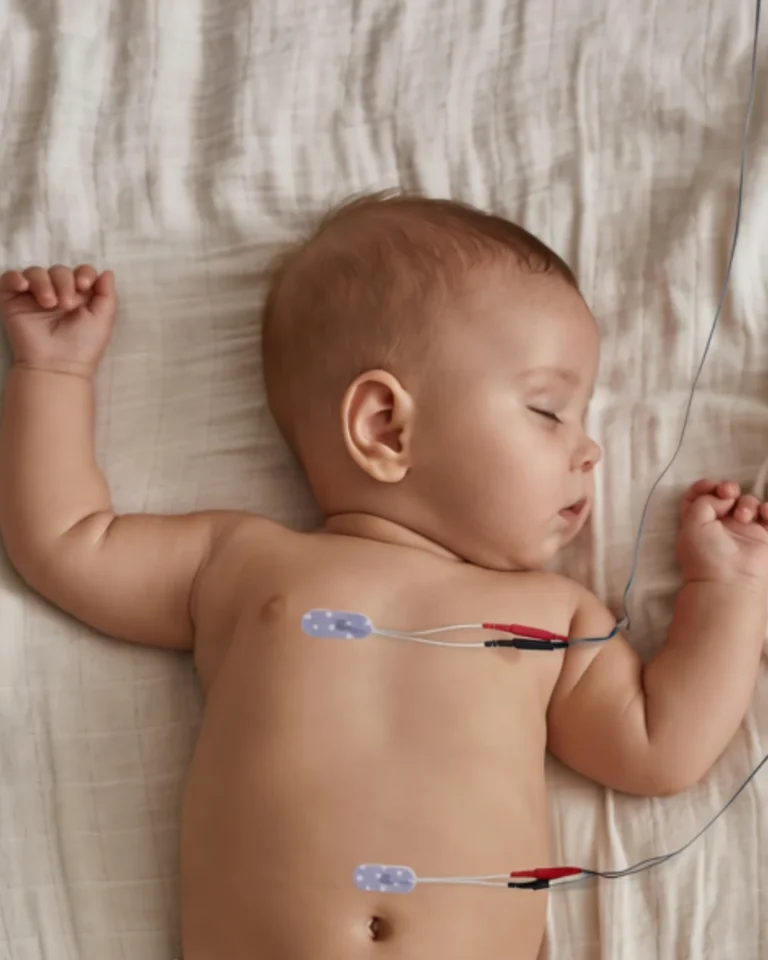
The inclusion of the Prapela Therapeutic Vibrational Crib Mattress underscores the FDA’s commitment to pediatric and neonatal care. Designed for infants with single-ventricle heart disease, the mattress utilizes low-amplitude mechanical vibration to stimulate the infant’s nervous system.
Clinical research has suggested that this gentle, non-invasive intervention can reduce the frequency and severity of hypoxemic (low blood oxygen) and bradycardic (slow heart rate) episodes. By bringing this technology into the home, the READI-Home initiative provides parents with a sense of agency and safety, allowing for the transition from the neonatal intensive care unit (NICU) to the nursery with a higher degree of clinical confidence.
Supporting Data: The Economic and Clinical Burden of Readmissions
The urgency behind the READI-Home challenge is rooted in sobering statistics. According to data from the Centers for Medicare & Medicaid Services (CMS), hospital readmissions cost the US healthcare system billions of dollars annually. Beyond the financial impact, each readmission represents a potential failure in continuity of care, often exacerbated by a lack of monitoring or poor patient education.
Home-based technologies are uniquely positioned to address several key "drivers" of readmission:
- Early Detection: Many readmissions occur because minor post-discharge symptoms (such as subtle changes in heart rate or brain activity) go unnoticed until they become acute crises. Remote monitoring provides the data necessary to intervene early.
- Patient Empowerment: When patients and their families are equipped with tools that offer objective health data, they are more likely to adhere to recovery protocols.
- Caregiver Relief: For families acting as primary caregivers, the presence of diagnostic tools like the REMI or the Prapela mattress reduces the "alarm fatigue" and anxiety associated with monitoring a recovering loved one.
Official Responses and Strategic Implications
The industry reaction to the READI-Home program has been overwhelmingly positive, with developers praising the FDA for its willingness to move beyond the traditional "arm’s length" regulatory relationship.
Mark Lehmkuhle, chief technology officer at Epitel, emphasized the collaborative nature of the program. "Our mission has always been to make brain health monitoring more accessible and comfortable," Lehmkuhle noted in a press release. "Working directly with the FDA allows us to rapidly adapt neuro-monitoring for home environments, helping support post-discharge patients and easing pressure on overloaded health systems."
From a regulatory standpoint, the implications are profound. By fostering these early-stage interactions, the FDA is essentially "de-risking" the path to market for innovative home-use devices. If successful, this program could establish a blueprint for future FDA initiatives, prioritizing patient-centered outcomes over the rigid, milestone-based regulatory hurdles of the past.
Beyond the Initial Cohort: The Road Ahead
While the current cohort includes these sleep-centric devices, the FDA has signaled that the scope of READI-Home will remain broad, welcoming technologies that address a wide range of post-acute conditions, including heart failure, chronic obstructive pulmonary disease (COPD), and post-operative recovery.
As the interaction phase progresses, the agency will likely compile "best practices" for the development of home-use devices. These findings will eventually inform new guidance documents, making it easier for future developers to navigate the unique requirements of the home healthcare market.
Conclusion: A New Era for Patient Recovery
The READI-Home Innovation Challenge is more than just a regulatory pilot program; it is a recognition that the hospital of the future is not a building, but a network. By empowering devices like the REMI and the Prapela mattress to function effectively in the home, the FDA is taking a vital step toward a healthcare ecosystem that values patient comfort, reduces the strain on hospital resources, and, most importantly, improves clinical outcomes for the most vulnerable patients.
As these technologies advance through the FDA’s feedback loop, the medical community will be watching closely. If the READI-Home model successfully accelerates the adoption of these tools, it could mark the beginning of a sustained decline in preventable hospital readmissions—a win for patients, providers, and the US healthcare system as a whole.