








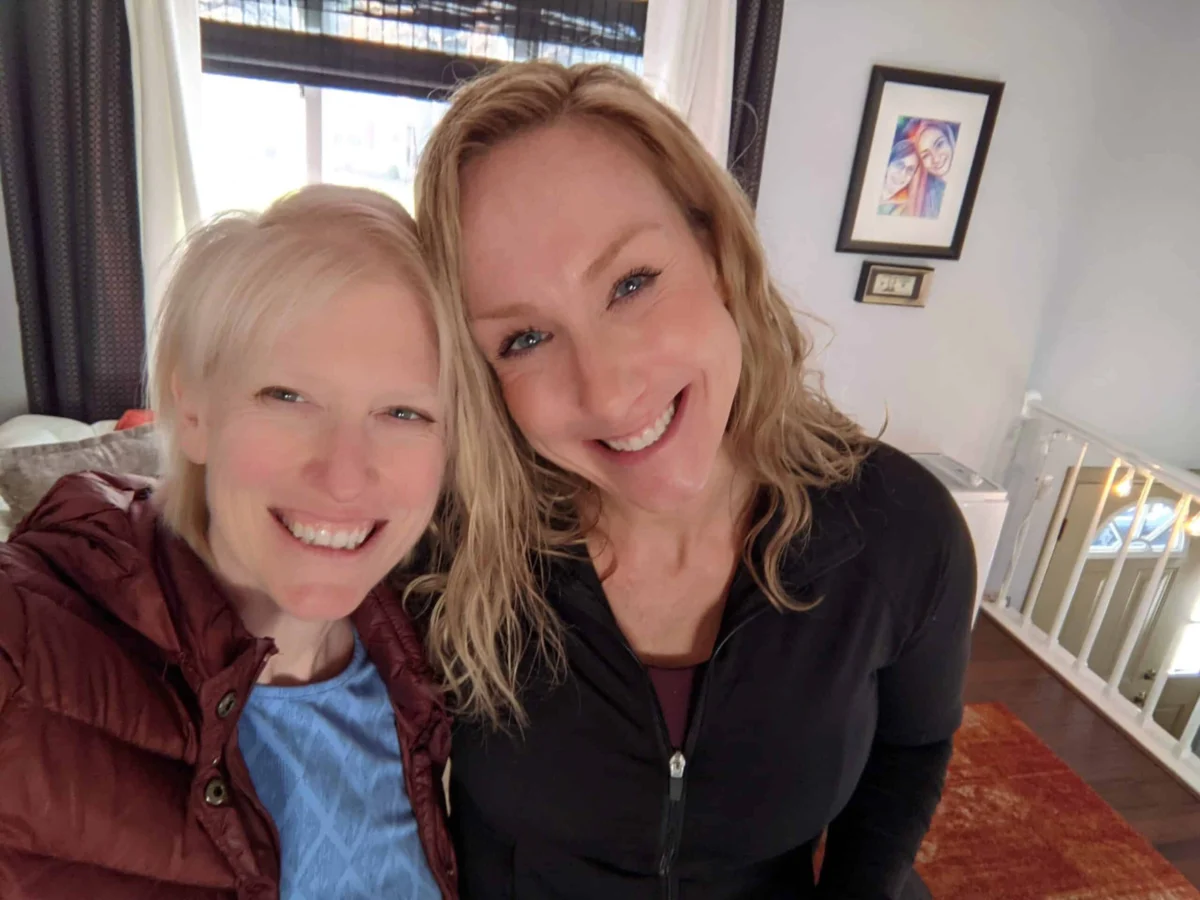
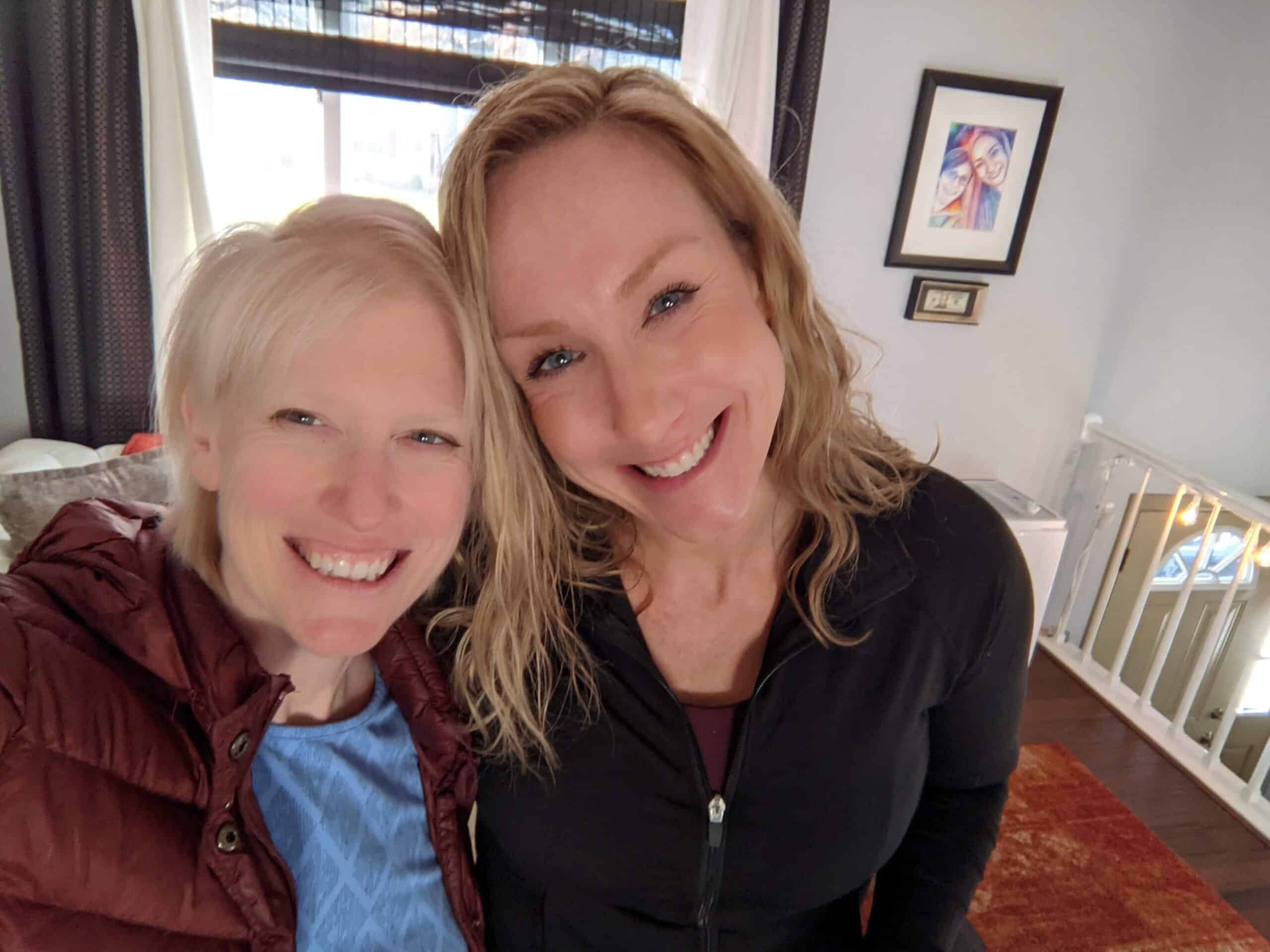
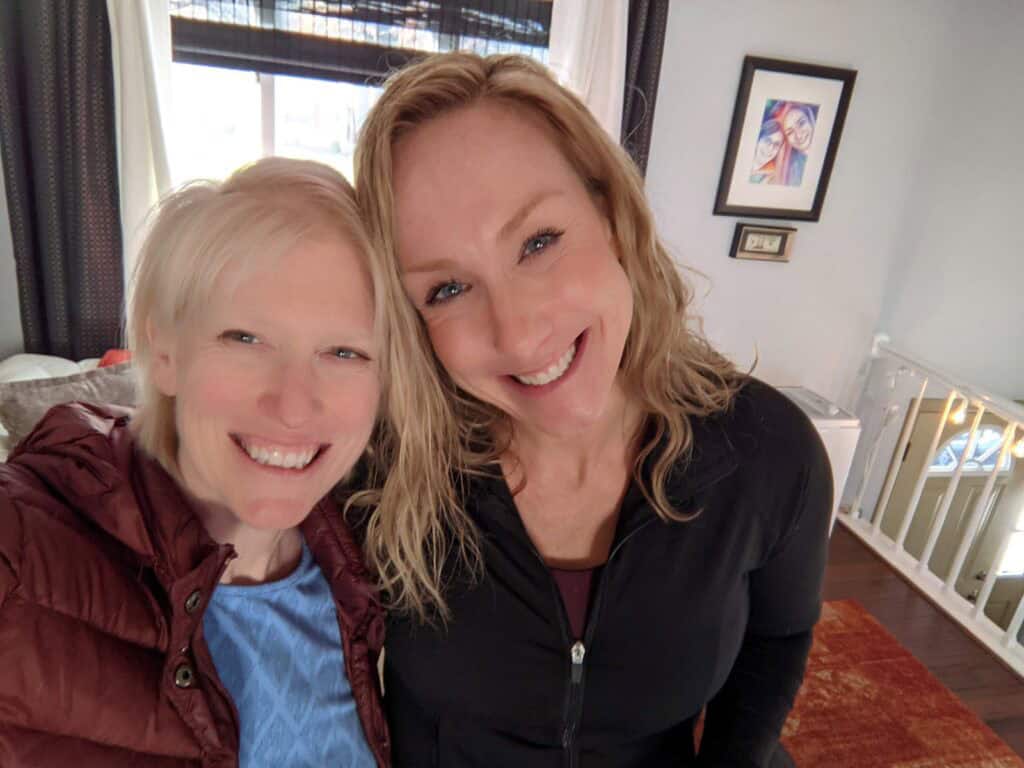
Picking up the kids. Grocery shopping. Navigating the morning commute. Throwing a birthday party. Preparing a Tuesday night dinner. For most, these tasks represent the monotonous rhythm of a life taken for granted. But for Sharon Belvin and Jenney Bitner, two survivors of stage 4 melanoma, these ordinary moments are profound victories—triumphs reclaimed from the precipice of what once seemed like an inevitable end.
Their stories are more than individual accounts of recovery; they are a testament to the transformative power of medical science. Spanning two decades of oncology research, the journeys of Belvin and Bitner illustrate the tangible, life-saving progress of immunotherapy—a field that has evolved from experimental, high-risk clinical trials to a standard of care that offers a future where, for many, a cancer diagnosis is no longer a terminal sentence.
The Genesis of a Medical Revolution: The Case of Sharon Belvin
In the early 2000s, a diagnosis of stage 4 melanoma was, in the words of many oncologists of the era, a "death sentence." When Sharon Belvin was diagnosed at the tender age of 22, she was thrust into a reality that threatened to erase her future before it had truly begun.
At that time, the medical toolkit for advanced melanoma was notoriously thin. Standard chemotherapy offered dismal success rates, and the prognosis was often measured in mere months. Belvin, however, became an early participant in a pioneering clinical trial for an emerging immunotherapy treatment.
For Belvin, the decision to enroll was a profound leap of faith. She was stepping into an unproven landscape, betting her life on the promise of a scientific breakthrough that had yet to reach the mainstream. It was a choice made in the shadow of absolute uncertainty. Yet, the outcome was nothing short of extraordinary: the tumors began to recede, and eventually, the cancer disappeared entirely. Twenty years later, Belvin remains in remission—a living milestone for the efficacy of immunotherapy.
A Parallel Path: Jenney Bitner’s Fight Against the Odds
Decades after Belvin’s recovery, the same scientific advancement—now matured and refined—would reach Jenney Bitner. Her story, however, unfolded under the uniquely harrowing circumstances of the global COVID-19 pandemic.
In February 2020, while navigating the demands of motherhood and the societal collapse caused by the pandemic, Bitner began suffering from debilitating headaches. A series of medical evaluations revealed the unthinkable: an aggressive, stage 4 melanoma that had metastasized to her brain.
The ensuing months were a crucible. Bitner underwent two major brain surgeries while pregnant with her fourth child. In a desperate race against time, her medical team delivered her son prematurely, allowing Bitner to begin the rigorous, taxing process of immunotherapy. By October 2020, after four intensive rounds of treatment, her scans returned a result that was once deemed statistically impossible: no evidence of disease.
The Intersection: Finding a "Family" in the Worst Club
The connection between these two women was not merely coincidental; it was born of a shared, quiet vow. Upon her initial diagnosis years ago, Belvin had made a promise while lying in an MRI machine: if she survived, she would pay it forward and offer guidance to others facing the same darkness.
The two were brought together when Bitner’s husband, recognizing a shared hometown connection, reached out to Belvin after seeing her featured in the documentary Breakthrough, which chronicles the life and work of Nobel laureate Dr. Jim Allison, the father of modern checkpoint inhibitor therapy.
"I call it finding your family," Belvin reflects. "It’s the family you get to choose. It’s the worst club with the best members."
For Bitner, Belvin served as an anchor. "Sharon was a beacon of hope for me," Bitner says. "She had the exact same cancer as me and has now been in remission for 20 years. Knowing that there are other people out there that you can connect with who are going through similar things—it’s vital for keeping you going."
The Evolution of Immunotherapy: From Bench to Bedside
To understand the magnitude of Belvin and Bitner’s survival, one must understand the shift in the oncology paradigm. Historically, cancer treatment relied on "brute force" methods: surgery, radiation, and chemotherapy. These treatments were designed to kill cancer cells, but they often caused significant collateral damage to healthy tissue.
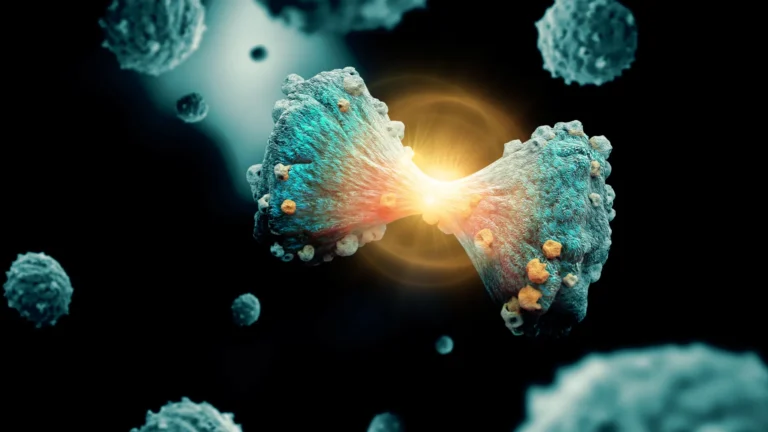
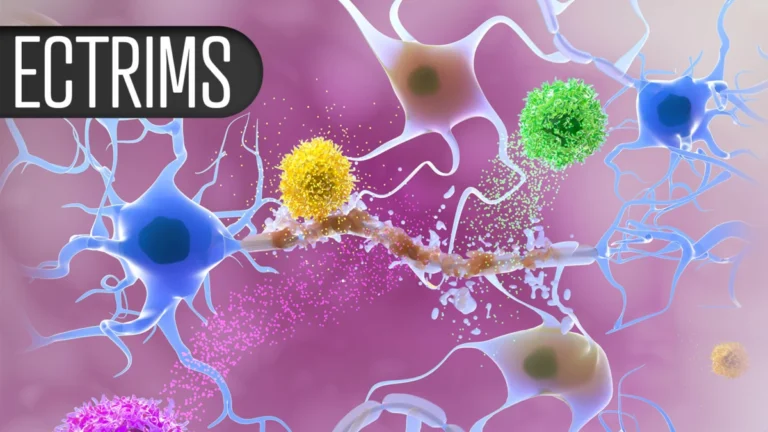
Immunotherapy changed the fundamental logic of cancer care. Rather than attacking the cancer directly, immunotherapy agents (such as checkpoint inhibitors) "unmask" the cancer cells, allowing the patient’s own immune system to recognize and eliminate them.
Chronology of Progress
- Early 2000s: Immunotherapy is largely confined to experimental, high-risk clinical trials. Outcomes are unpredictable, and access is limited.
- 2010s: The approval of breakthrough checkpoint inhibitors, based on the research of Jim Allison and Tasuku Honjo (who later shared the Nobel Prize), marks a turning point. Clinical data begins to show long-term survival rates in patients with metastatic melanoma.
- 2020s: Immunotherapy becomes a foundational treatment, with better management of side effects and a deeper understanding of patient-specific markers.
Supporting Data: The Survival Shift
The impact of these treatments is reflected in national health data. According to the American Cancer Society, the five-year survival rate for patients with metastatic melanoma has nearly tripled in the last decade alone. While once an anomaly, long-term survival for stage 4 patients is increasingly becoming a clinical reality, largely due to the widespread adoption of immunotherapy protocols.
Official Perspectives: The Professional Consensus
Leading oncologists and researchers have lauded the "survivor-as-advocate" model exemplified by Belvin and Bitner. Dr. Elizabeth Jaffee, a prominent expert in cancer immunology, notes that "the psychological component of survival is inextricably linked to the biological one. When patients connect with survivors, they are not just finding emotional comfort; they are witnessing evidence of their own potential outcome."
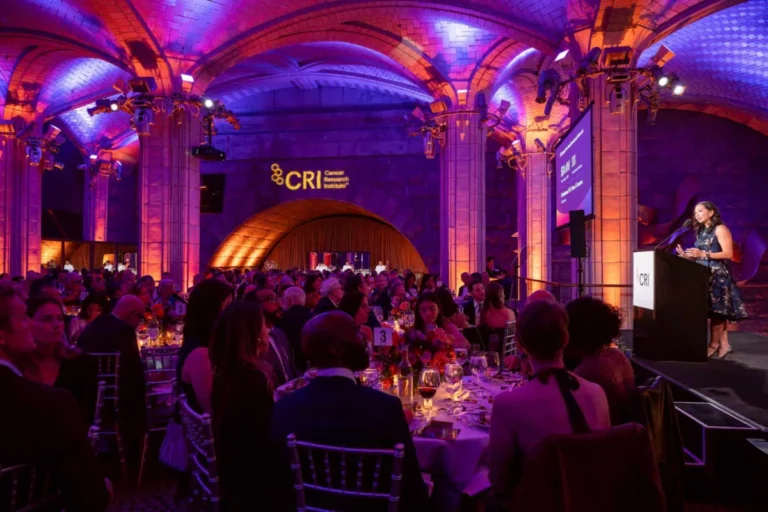
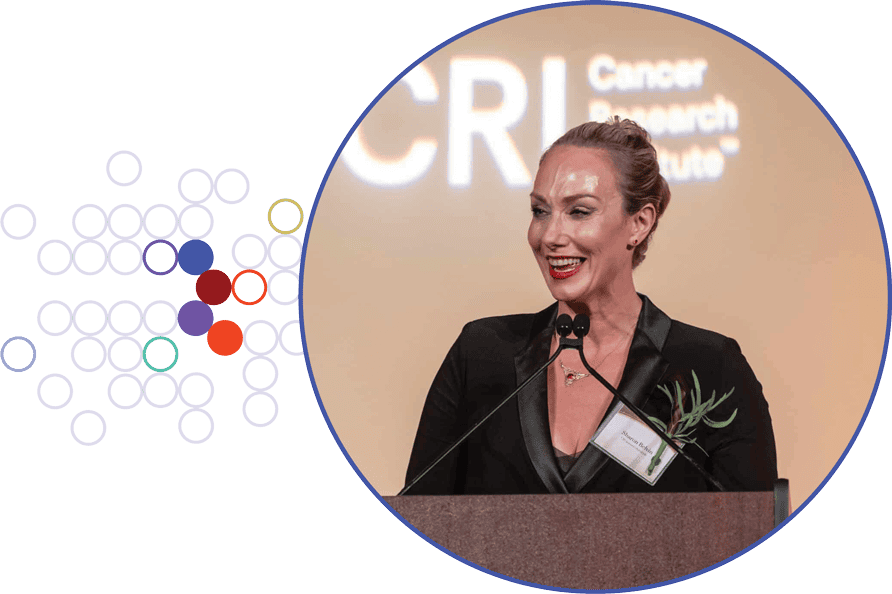
From an official policy standpoint, organizations like the Cancer Research Institute (CRI) emphasize that the success of immunotherapy is a dual victory: a victory of laboratory innovation and a victory of patient persistence. The "pay it forward" mentality of survivors like Belvin has created a grassroots support system that improves patient compliance, mental health, and the overall quality of life for those undergoing grueling treatments.
Implications: The Future of Survivorship
The stories of Belvin and Bitner raise an important question: What does it mean to survive in the age of chronic cancer management?
For both women, survivorship is not a "clean ending." It is a state of perpetual awareness—a life lived in the shadow of the scans, the anniversaries, and the memories of the fight. It is a fragile, beautiful, and sometimes anxious existence.
The Burden of Memory
Survivorship is "joy, sharpened by memory," as described in their shared experiences. It involves a fundamental recalibration of one’s relationship with the future. For Belvin, survival meant the luxury of planning a future as a mother. For Bitner, it meant the ability to remain present for the children she already had. Both women have had to reconcile the relief of their survival with the heavy responsibility of having "made it" when others did not.
The Role of Advocacy
The implications of their meeting extend to the broader patient population. By sharing their stories, Belvin and Bitner are actively dismantling the isolation inherent in a cancer diagnosis. They demonstrate that the path to survivorship is not a solitary trek but a collective movement.
As they continue to meet, interact, and support newly diagnosed patients, they serve as living, breathing data points for hope. They are proof that scientific progress, while measured in molecules and clinical trial phases, is ultimately validated by the human lives it secures.
Conclusion: A Life Reclaimed
"I feel like I did not appreciate life until it was almost gone," Belvin notes, reflecting on two decades of life post-diagnosis. "Now every day is a gift, no matter how mundane."
This sentiment is the ultimate goal of the immunotherapy revolution. It is not merely the extension of life, but the restoration of the "ordinary." The ability to grocery shop, the ability to go to work, the ability to throw a birthday party—these are not trivial activities. They are the markers of a life fully reclaimed.
As research continues to push the boundaries of what is possible, the partnership between Belvin and Bitner stands as a poignant reminder that while medicine provides the tools for survival, human connection provides the strength to endure. In the end, it is not just about adding years to life, but about the profound, everyday moments that make those years worth living.