For millions of adults, the middle-age shift is as predictable as the changing seasons. Despite maintaining consistent caloric intake and exercise habits, many find that their silhouettes inevitably alter: the waistline thickens, pants fit tighter, and the distribution of body fat shifts decisively toward the abdomen.
For decades, this phenomenon was largely attributed to a simple, albeit frustrating, metabolic slowdown. However, groundbreaking research from the City of Hope—a leading independent research and treatment center for cancer, diabetes, and other life-threatening diseases—has unveiled a far more complex biological reality. The culprit behind the expanding midsection is not merely a change in lifestyle, but a specialized, age-triggered stem cell that actively manufactures new fat tissue.
Published in the journal Science, this study offers a paradigm shift in our understanding of how the body ages, moving the conversation beyond the simple notion of "enlarged fat cells" and toward a discovery that could revolutionize treatments for metabolic syndrome, type 2 diabetes, and age-related obesity.
The Core Discovery: Beyond Enlarged Fat Cells
Historically, the scientific community operated under the assumption that the accumulation of fat in adulthood was primarily driven by the expansion of existing fat cells (adipocytes). As individuals age, it was believed that these cells simply stored more lipids, growing in size to accommodate excess energy.
However, researchers at City of Hope’s Arthur Riggs Diabetes & Metabolism Research Institute, in collaboration with UCLA, suspected that the process was more aggressive. They hypothesized that aging fat tissue does not just store more fat in existing cells; it actively recruits the body’s resources to build an entirely new infrastructure of fat cells.
The research focused on white adipose tissue (WAT), the primary energy-storage depot in the human body. By isolating adipocyte progenitor cells (APCs)—the stem cells that serve as the "seeds" for future fat cells—the team sought to determine if these cells behaved differently as an organism aged.
Chronology of the Investigation: From Mice to Molecules
The investigation followed a rigorous multi-stage timeline, beginning with animal models and culminating in the analysis of human tissue.
The Transplantation Experiments
In the first phase of the study, researchers transplanted APCs from young mice and older mice into a cohort of young recipient mice. The results were startling. The APCs harvested from older mice displayed an unexpected, hyper-active ability to generate massive quantities of new fat cells. Conversely, when APCs from young mice were introduced into older environments, they remained relatively quiescent. This proved that the "fat-making" drive was not a reaction to the environment, but an intrinsic, programmed behavior of the aged stem cells themselves.
Single-Cell RNA Sequencing
To understand the "why" behind this behavior, the team utilized single-cell RNA sequencing. This sophisticated technology allows scientists to observe the genetic activity of individual cells in real-time. The data revealed a clear trajectory: while APCs remain dormant in youth, they undergo a functional "awakening" in middle age, transitioning into a hyper-productive state.
The Emergence of CP-As
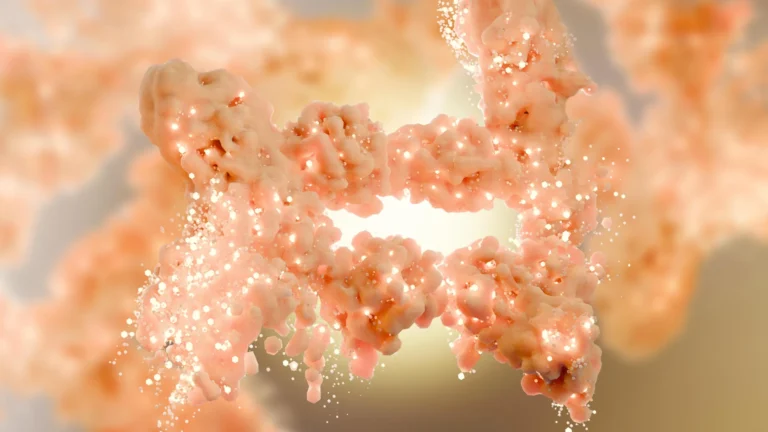
The most significant breakthrough occurred when the team identified a previously unknown population of stem cells: committed preadipocytes, age-specific (CP-As). These cells do not exist in youth; they appear only as the organism approaches middle age. CP-As serve as a specialized engine for fat production, proving exceptionally efficient at maturing into fully developed white fat cells.
Supporting Data: Why the "Age-Specific" Stem Cell Matters
The significance of the CP-A cell lies in its departure from typical stem cell behavior. In most biological systems, stem cell capacity diminishes with age. As we grow older, our tissues generally lose the ability to regenerate, leading to muscle loss and skin fragility.
Fat tissue, however, appears to be the exception to this rule. The discovery that APCs—and specifically the CP-A subpopulation—become more active with age explains the physiological paradox of the "skinny-fat" body composition, where an individual may maintain a stable weight while their metabolic profile deteriorates due to visceral fat accumulation.
The researchers identified the leukemia inhibitory factor receptor (LIFR) as the primary biological signaling pathway driving this phenomenon. While young cells do not require the LIFR signal to maintain homeostasis, aging cells become dependent on it to fuel the creation of new fat. This signaling pathway acts as the "on switch" for CP-As, instructing them to multiply and deposit fat specifically around the abdominal cavity.
Official Responses: Insights from the Researchers
The study was co-led by some of the most prominent names in endocrinology, who emphasize that this discovery provides a targetable biological mechanism for health intervention.
"People often lose muscle and gain body fat as they age—even when their body weight remains the same," said Qiong (Annabel) Wang, Ph.D., co-corresponding author and associate professor of molecular and cellular endocrinology at City of Hope. "We discovered aging triggers the arrival of a new type of adult stem cell and enhances the body’s massive production of new fat cells, especially around the belly."
Dr. Adolfo Garcia-Ocana, the Ruth B. & Robert K. Lanman Endowed Chair in Gene Regulation & Drug Discovery Research at City of Hope, noted the anomaly of this discovery: "While most adult stem cells’ capacity to grow wanes with age, the opposite holds true with APCs—aging unlocks these cells’ power to evolve and spread. This is the first evidence that our bellies expand with age due to the APCs’ high output of new fat cells."
Implications: A New Frontier for Metabolic Health
The implications of identifying CP-As are profound. By mapping the genetic signatures of these cells in human tissue, the team confirmed that the same biological process observed in mice is likely at work in humans. Tissue samples from middle-aged individuals showed a significantly higher density of CP-As compared to younger samples.
Clinical Potential
The discovery of the LIFR signaling pathway provides a potential "druggable" target. If scientists can develop therapeutics that inhibit the LIFR pathway or selectively target CP-A cells, it could be possible to curb the production of new visceral fat before it accumulates. This could serve as a prophylactic measure against the chronic health conditions linked to abdominal obesity, including:
- Type 2 Diabetes: By reducing visceral fat, the body’s sensitivity to insulin may be better preserved.
- Cardiovascular Disease: Excess abdominal fat is a known precursor to heart disease, hypertension, and arterial inflammation.
- Chronic Inflammation: Fat cells are metabolically active, secreting inflammatory markers that contribute to accelerated aging and metabolic dysfunction.
Moving Forward
The research team is now shifting its focus to long-term animal studies to track the efficacy of blocking CP-A activity. They are also working to better understand the environmental and internal triggers that "wake up" these cells, potentially looking at how diet, hormones, or systemic inflammation might influence the rate at which CP-As emerge.
While the medical community cautions that any human-ready therapy is still years away, this study represents a monumental leap in geriatric medicine. We are moving from a reactive model—where we treat the symptoms of obesity—to a proactive, molecular model, where we may soon be able to edit the biological instructions that cause our bodies to change as we age.
By identifying the "engine" of age-related belly fat, the researchers at City of Hope have provided the blueprint for a future where middle age no longer necessitates a decline in metabolic health. As the study’s first authors, Dr. Guan Wang and Dr. Gaoyan Li, have helped illustrate, the expanding waistline is not an inevitable failure of willpower, but a biological process that—for the first time—is finally coming into focus.