





For thousands of years, salt has been the bedrock of human culinary history—a precious commodity that once served as a primary method for preserving food and enhancing the flavor of meager diets. Today, while it remains an indispensable staple in kitchens across the globe, the modern relationship with sodium has become a public health crisis. Excess salt consumption is a well-documented catalyst for hypertension, cardiovascular disease, chronic kidney issues, and even accelerated cognitive decline.
In response, the World Health Organization (WHO) has established a clear benchmark for dietary health: adults should consume no more than five grams of salt per day—roughly one teaspoon. Yet, achieving this goal is a formidable challenge in a world dominated by ultra-processed foods. While the majority of dietary sodium is "hidden" within manufactured goods, a significant portion—between 6% and 20%—is attributed to the simple act of adding salt at the table. A groundbreaking study recently published in Frontiers in Public Health has peeled back the layers of this habit, offering a nuanced look at why older adults, particularly in Brazil, reach for the saltshaker.
The Study: Unveiling Behavioral Patterns
The research, led by Dr. Flávia Brito and Dr. Débora Santos of Rio de Janeiro State University, sought to move beyond general dietary statistics to understand the social and demographic drivers of discretionary salt use. By analyzing survey data from over 8,300 Brazilians aged 60 and older—collected between 2016 and 2017—the researchers created a detailed map of who is adding salt, how often, and why.
Participants provided exhaustive 24-hour recalls of their dietary intake, combined with self-reported data regarding their use of table salt. The study’s scope was comprehensive, weighing factors such as sex, age, educational attainment, socioeconomic status, household dynamics, geographic location, and the consumption of specific food groups like ultra-processed items, fruits, and vegetables.
The findings were striking. Among the demographic, 12.7% of men reported regularly adding extra salt to their meals, compared to 9.4% of women. However, the raw percentages tell only a fraction of the story. The factors influencing these decisions proved to be deeply divided along gender lines, suggesting that public health interventions cannot be a "one-size-fits-all" solution.
Chronology of Salt Habits and Health Awareness
The relationship between salt and health has shifted dramatically over the last century. In the early 20th century, salt was viewed as a life-sustaining mineral necessary for preventing iodine deficiencies. As food preservation technology evolved, salt became ubiquitous, losing its status as a luxury and becoming an invisible component of the average diet.
By the early 2000s, the scientific community began to sound the alarm on the "sodium bomb" hidden in the food supply. Public health campaigns emerged, urging consumers to read labels and lower their intake. Despite these efforts, the "table habit"—the act of seasoning food after it has been plated—persisted as a stubborn behavioral artifact.
The Brazilian study serves as a snapshot of this ongoing evolution. It highlights that even in a modern society where the risks of hypertension are widely discussed, the physiological preference for salty flavors remains deeply ingrained. The researchers noted that because the survey data was collected several years ago, these habits may have shifted further, yet the underlying psychological drivers of adding salt—habit, preference, and lifestyle—remain largely unchanged.
Supporting Data: Gendered Drivers of Consumption
The data revealed a fascinating, if complex, dichotomy. For men, the act of adding salt was relatively straightforward and less sensitive to broader lifestyle changes. Only two primary variables emerged as significant: medical history and living situation. Men managing high blood pressure were more than 50% less likely to reach for the saltshaker, suggesting that clinical diagnosis acts as a strong deterrent. Conversely, men living alone were 62% more likely to add salt. This suggests that solitary dining may erode the social or domestic constraints that typically discourage excessive seasoning.
For women, the motivations were far more intricate. Their behavior was a mirror of their overall nutritional consciousness. Women living in urban environments were twice as likely to add salt, perhaps reflecting the faster pace of city life or increased access to processed, pre-packaged goods. Furthermore, women who consumed higher amounts of ultra-processed foods were significantly more likely to supplement their meals with extra salt.
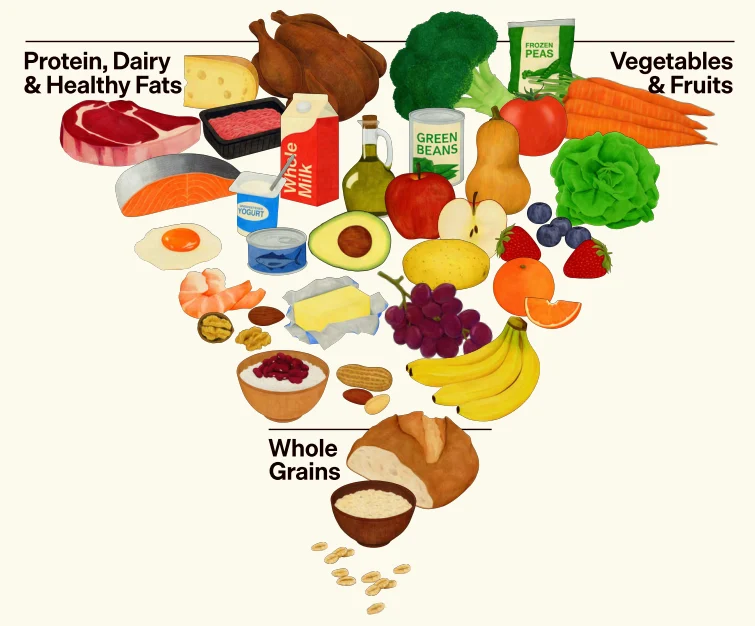
Crucially, the inverse was also true: women who prioritized whole foods showed a marked reduction in salt-adding behavior. Those who regularly consumed fruits were 81% less likely to add salt, while regular vegetable consumption was linked to a 40% reduction. Dr. Santos suggests these figures reflect a holistic approach to health; women who actively choose nutrient-dense foods are likely more aware of their salt intake and, by extension, have a palate more accustomed to natural, less-processed flavors.
Official Responses and Public Health Perspectives
The medical community has responded to these findings with a call for more personalized nutritional counseling. Dr. Flávia Brito emphasized that because men and women respond to different social cues, health messaging must be tailored accordingly.
"Among men, few variables were associated with the habit, suggesting that their behavior may be less directly related to specific dietary patterns," Brito stated. This lack of correlation implies that for men, salt-adding may be a reflex or a rigid habit, rather than a conscious choice influenced by diet quality.
The study’s authors stress that these results do not imply a direct cause-and-effect relationship, acknowledging that self-reported data carries a margin of error. However, the implications for policy are clear. Public health officials are being urged to move beyond generic warnings and toward targeted behavioral interventions.
The WHO and various national health departments continue to lobby for mandatory sodium reduction in the food industry. The researchers agree that while individual behavior is important, the "upstream" problem remains the industrialized food system. If the baseline salt content of manufactured food were lowered, the cumulative impact on public health would far outweigh individual efforts to reduce table-salt usage.
Implications for the Future: Breaking the Habit
How do we pivot away from a high-sodium culture? The researchers suggest that the solution lies in a combination of environmental design and culinary education.
1. Culinary Alternatives
Dr. Santos advocates for a "flavor-first" approach. By utilizing herbs, spices, and the natural acidity of citrus fruits, individuals can achieve flavor depth without the health risks associated with sodium. Acids, in particular, can trick the palate into perceiving a "brightness" that mimics the sensory impact of salt.
2. Environmental Engineering
A simple but effective intervention is the removal of the saltshaker from the table entirely. By creating "friction" in the habit-loop—making it physically necessary to go to the kitchen to retrieve salt—individuals are given a moment to pause and reflect on whether the food actually requires additional seasoning.
3. Palate Re-training
The study highlights that high-sodium consumption can reduce sensitivity to salty flavors over time. This creates a feedback loop: the more salt one eats, the more salt one needs to perceive the same level of satisfaction. By gradually reducing salt intake, the palate can "reset" itself, allowing individuals to enjoy the natural, subtle flavors of whole foods.
4. Policy and Industry Reform
Finally, the researchers emphasize that the burden of health cannot rest solely on the shoulders of the elderly or the individual. There is a pressing need for stricter regulations on the sodium content of ultra-processed foods. As long as these products remain high in salt, they will continue to set a standard for the human palate that makes healthy eating feel like a compromise rather than a benefit.
Conclusion
The study on Brazilian older adults is more than just a statistical analysis of seasoning habits; it is a lens through which we can view the broader struggle for health in the 21st century. It reveals that our relationship with salt is a complex tapestry woven from our living arrangements, our gender, our access to fresh produce, and our daily routines.
As we look toward the future, the goal of reducing salt intake must be pursued on two fronts: through the individual’s journey of rediscovering the natural palate and through systemic change in the food industry. By understanding the social and behavioral cues that drive us to reach for the saltshaker, we can begin to dismantle the habits that jeopardize our long-term health, one meal at a time. The path to a healthier heart begins not just with a label, but with a conscious decision to favor the vibrant flavors of the natural world over the convenient, yet costly, habit of the salt shaker.