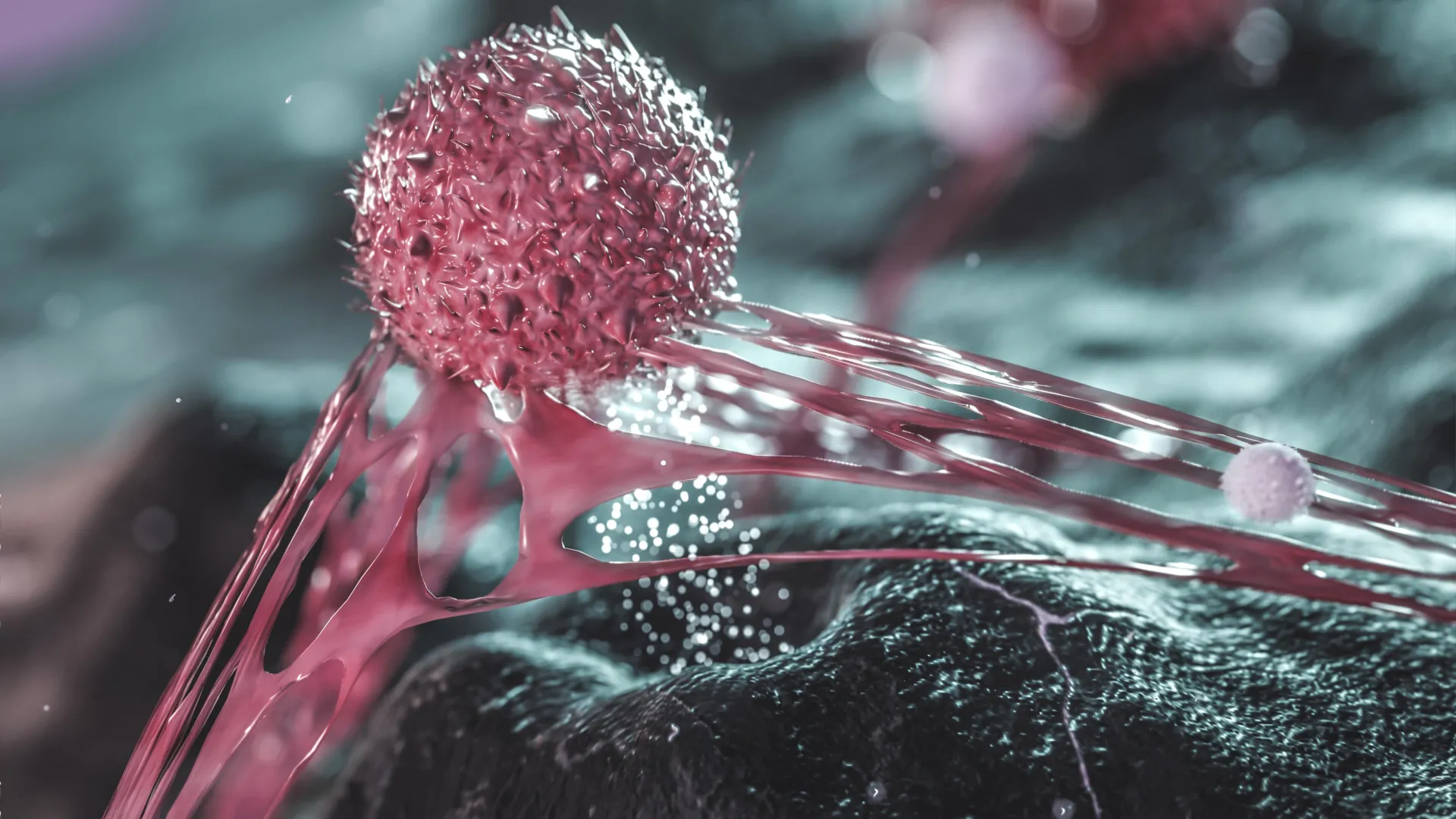
In the complex landscape of oncology, few challenges are as daunting as the recurrence of ovarian cancer. While platinum-based chemotherapy often yields a robust initial response, the disease frequently returns, metastasizing throughout the abdominal cavity and claiming lives with devastating efficiency. A groundbreaking study from The Wistar Institute, published in Nature Aging, has unveiled a startling culprit behind this phenomenon: the common dietary sugar, fructose.
The research suggests that cancer cells surviving chemotherapy are not merely dormant bystanders; they are biologically active architects of metastasis. By secreting fructose as a molecular signal, these resilient cells manipulate their neighbors, effectively loosening the "biological glue" that keeps tumors contained. This discovery shifts the paradigm of cancer progression, moving beyond a focus on tumor mass alone to the invisible chemical signaling that dictates how cancer escapes and spreads.
The Chronology of Discovery: Unmasking the Signal
For years, the medical community has struggled to explain why ovarian cancer, despite successful initial treatment, possesses such a high rate of recurrence. Nearly 90% of deaths from this disease are attributed to metastasis, yet the exact mechanisms by which residual cells trigger this spread remained elusive.
The Experimental Breakthrough
The research team, led by Dr. Katherine Aird and postdoctoral fellow Dr. Aidan Cole at The Wistar Institute, began with a fundamental observation: chemotherapy leaves behind a subset of cancer cells that, while non-dividing, remain metabolically vibrant. To isolate their influence, the team conducted a series of sophisticated experiments.
They separated these chemotherapy-surviving cells from the surrounding environment and collected the "secretome"—the complex mixture of signaling molecules these cells release. When healthy, non-exposed cancer cells were treated with this collection of molecules, they exhibited a dramatic increase in their migratory and invasive behavior. This proved that it was not the surviving cells themselves, but the chemical signals they broadcast, that were driving the metastatic process.
Identifying the Fructose Link
The next phase of the study involved narrowing down which specific molecule in that cocktail was responsible for the behavior shift. Through rigorous analysis, the team identified fructose as the primary signal. Perhaps most significantly, the researchers demonstrated that high levels of dietary fructose—mimicking the concentrations found in standard sugary beverages—could induce this invasive state even in the absence of chemotherapy. This suggests a potential, previously overlooked connection between daily nutrition and the clinical trajectory of ovarian cancer.
Supporting Data: The Biological Mechanism of Escape
To understand how a simple sugar could trigger such a profound physical change in cancer cells, the researchers utilized large-scale analytical methods, including CRISPR-based gene editing. Their findings point to a specific metabolic disruption.
Weakening the Cellular Glue
The study revealed that fructose signaling suppresses cholesterol production within neighboring cancer cells. In a healthy biological context, cholesterol is essential for the structural integrity of cell membranes and the formation of tight junctions—the "biological glue" that keeps cells tethered to one another.
When fructose effectively lowers these cholesterol levels, the structural bonds between cancer cells weaken. As the cohesion of the tumor tissue is compromised, individual cells gain the mobility required to detach, migrate, and establish secondary tumor sites within the abdominal cavity. This mechanism provides a clear, actionable link between metabolic signaling and the physical capacity for metastasis.
The Statin Paradox: Questions for Clinical Practice
The findings have sent ripples through the medical community, particularly regarding the use of statins. These cholesterol-lowering medications are among the most prescribed drugs in the United States, used by approximately 39 million people to manage heart health.
A Double-Edged Sword?
Because statins function by inhibiting cholesterol production, the research team investigated whether these drugs might inadvertently mirror the effects of fructose in a tumor environment. Their preliminary data indicated that statins, by lowering cholesterol, could indeed weaken the connections between cancer cells in a laboratory setting, potentially facilitating easier escape.
Dr. Katherine Aird is quick to add a note of extreme caution: "We haven’t tested this effect in patients yet, but it raises questions about combining cholesterol-lowering drugs with chemotherapy, especially since ovarian cancer is most common in postmenopausal women who are often already on statins."
The researchers emphasize that this is not a directive for patients to cease their prescribed medication. Stopping statins without medical supervision poses immediate risks to cardiovascular health. Instead, this discovery acts as a catalyst for future clinical trials to determine if specific therapeutic windows or adjustments are needed when treating patients who are simultaneously managing cholesterol and cancer.
Official Perspectives and Scientific Implications
The Wistar Institute study is being hailed as a major milestone in cancer biology, as it is among the first to demonstrate that a specific nutrient can function as an inter-cellular signal for metastasis.
Insights from the Lead Researchers
"Some cancer cells that survive chemotherapy aren’t dividing anymore, but they’re still biologically active," explains Dr. Aidan Cole. "They continue to release molecules that send signals to nearby cells. Our study is among the first to show that a nutrient—in this case, fructose—can act as one of those signals."
Dr. Aird further highlights the broader implications of the work. "As far as we know, this is the first time anyone has shown, in a preclinical model rather than just a dish, that it’s the molecules these cells release—not the cells themselves—that drive the cancer’s spread."
A Potential Paradigm Shift
The scope of this research may extend well beyond ovarian cancer. The researchers hypothesize that this fructose-driven pathway could be a common feature in other cancers that spread within the torso, such as pancreatic, colon, and liver cancers. If these findings are validated across other cancer types, it could fundamentally alter how nutritional counseling is integrated into oncology care.
Future Horizons: Nutrition and Beyond
While the link between fructose and metastasis is compelling, the researchers are careful to manage expectations. They have not yet conducted human clinical trials to test whether reducing fructose intake in patients directly improves survival rates or prevents recurrence.
However, the implications are profound for a modern society where fructose, often hidden in the form of high fructose corn syrup, accounts for a significant portion of daily caloric intake. Unlike genetic predispositions or certain environmental hazards, dietary choices represent a modifiable risk factor.
The Road Ahead
The Wistar team, in collaboration with a wide network of academic and medical institutions—including the University of Pittsburgh and the University of Colorado—is already moving toward follow-up studies. The goal is to reproduce these findings across different cancer lines and explore the potential for therapeutic interventions that might block the fructose signaling pathway.
As the scientific community digests these findings, the message is clear: the cancer ecosystem is far more interconnected than previously understood. By treating the tumor as a communicative network rather than an isolated mass, researchers are uncovering the hidden chemical languages that allow cancer to survive and thrive. While there is still much to learn, this study illuminates a new, promising path toward silencing the signals that drive the most aggressive forms of the disease.
The study, "Fructose-induced cholesterol reduction promotes ovarian cancer metastasis," was supported by a coalition of funding bodies, including the National Institutes of Health, the American Cancer Society, the Ovarian Cancer Research Alliance, and the Chan Zuckerberg Initiative. For patients currently undergoing treatment, researchers advise continuing all prescribed medications and consulting with oncology teams regarding any changes to diet or lifestyle.