










Published November 6, 2026 | Originally appeared in Yoga Journal, January-February 2003
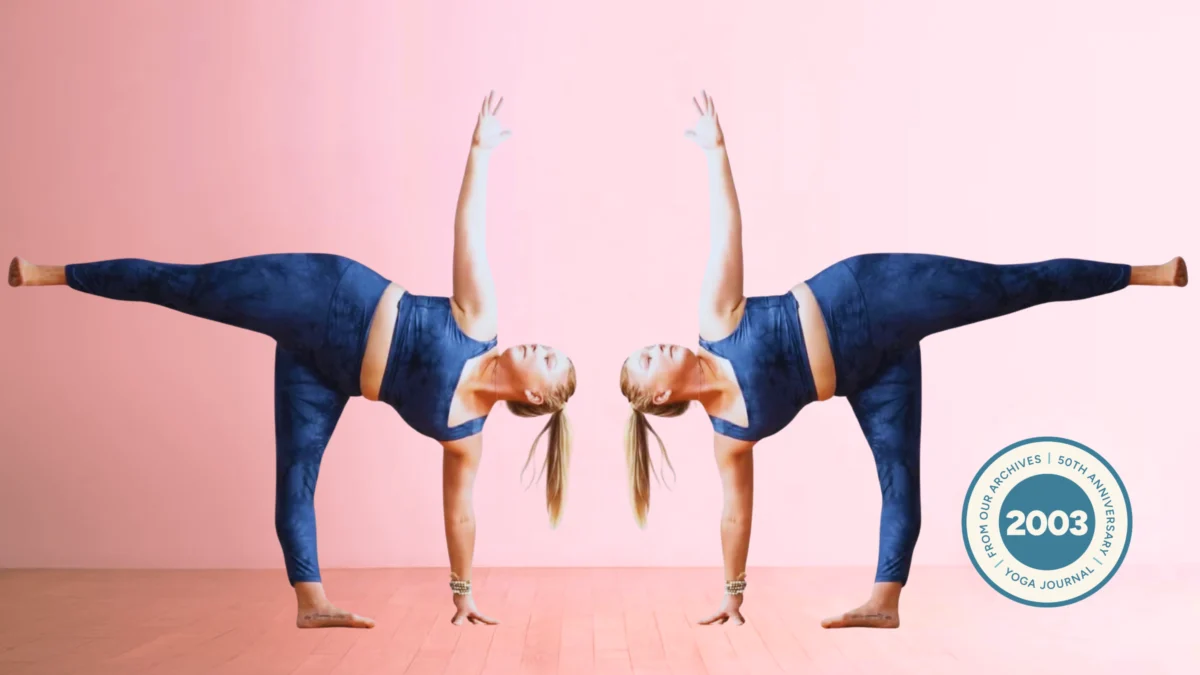
In the expansive library of yoga asana, every posture functions as a vessel for a unique internal experience. Ardha Chandrasana, or Half Moon Pose, is widely regarded as the ultimate expression of vertical freedom. By balancing on a single point of contact—one hand and one foot—the practitioner is granted a rare license to "fly." When performed with precision, the body stretches from head to heel, creating a sensation of wide-dancing euphoria and an opening of the heart center that few other standing poses can replicate.
However, this unbridled sense of freedom is not a byproduct of carelessness; it is the result of rigorous structural integrity. To achieve the "flight" of the Half Moon, one must first master the grounding details that hold the architecture of the pose together.
The Philosophy of Detail: Why Alignment Matters
A common point of contention among practitioners is the emphasis on granular detail. Students frequently ask: “Why must I obsess over the rotation of my hip or the lift of my arch? Why can’t I just switch off my brain and feel?”
The answer lies in the distinction between "feeling" and "observing." Attending to the mechanics of a pose does not hinder the experience; it deepens it. By refining our physical alignment, we create the necessary conduits for energy to circulate. Without this precision, the pose collapses, energy drains away, and the practitioner is left with physical tension rather than spiritual expansion.
Detail serves three primary functions:
- Safety: Protecting vulnerable joints, particularly the knees and the lumbar spine, from hyperextension and compression.
- Efficacy: Ensuring that the intended energetic flow of the pose is actually achieved.
- Cognitive Refinement: Moving the mind from a state of dullness to a state of heightened awareness—the true essence of yoga.
Chronology of Practice: Building the Foundation
To perform Ardha Chandrasana with grace, one must respect the chronological progression of the body’s preparation. Beginners should not jump into the balance without first establishing the necessary pelvic openness.
Phase 1: Preparing the Hips with Supta Padangusthasana II
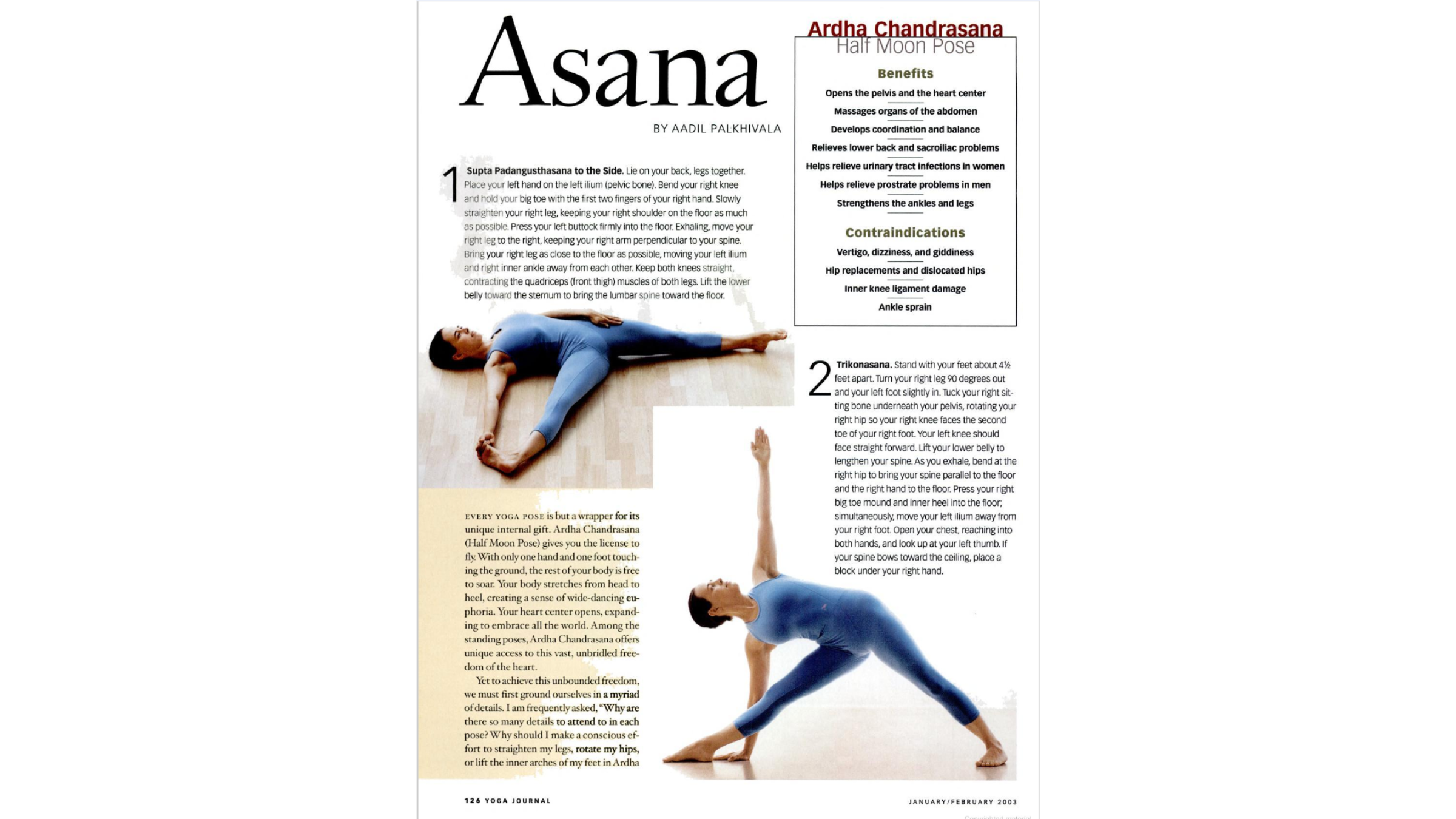
Supta Padangusthasana II (Reclining Hand-to-Big-Toe Pose, side variation) is the essential precursor to the Half Moon. It mirrors the structural requirements of the final pose—external rotation and leg extension—without the added complexity of weight-bearing or gravity.
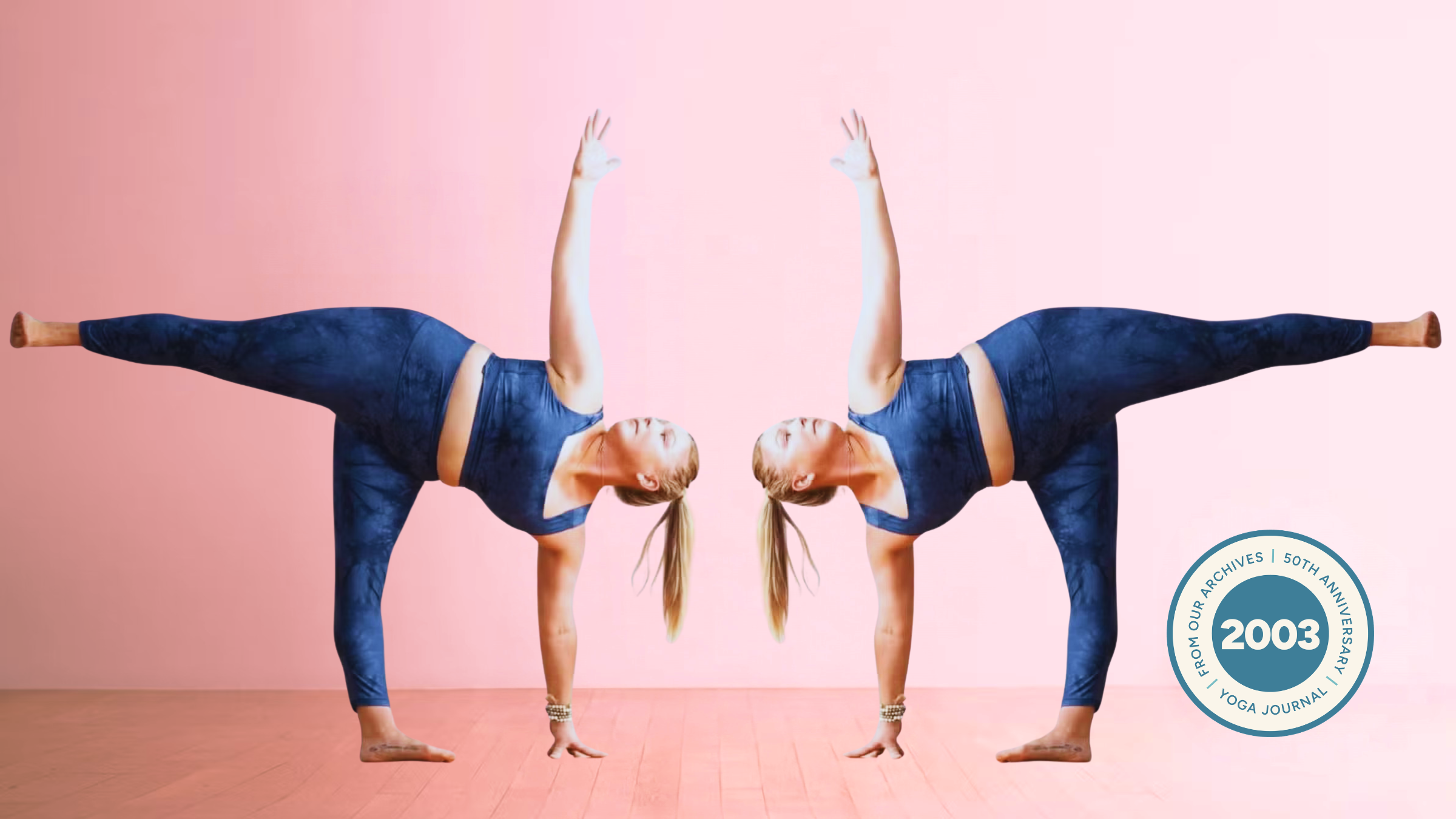
By lying on the back and working the right leg out to the side while keeping the left hip grounded, you release the adductors and the pelvic floor. This preparation ensures that when you eventually stand, your pelvis is prepared to rest evenly on the head of the standing femur, preventing the common pitfalls of hip cramping and lower back strain.
Phase 2: The Transition from Trikonasana
The most fluid entry into Ardha Chandrasana is from Trikonasana (Extended Triangle Pose). Because the pelvic orientation is identical, maintaining the alignment established in Triangle makes the transition into the balance significantly more intuitive.
As you shift weight onto the standing leg, visualize the body moving as a single, cohesive unit. Spreading the toes of the standing foot acts as a neurological anchor, signaling the brain to stabilize the entire kinetic chain.
Supporting Data: The Mechanics of the Standing Leg
The standing leg is the "pillar" of the pose, and its alignment is non-negotiable. If the knee rotates internally, the inner knee ligaments are subjected to dangerous, searing stress.
Key Alignment Cues:
- The External Rotation: The right kneecap must remain aligned with the right toes throughout the transition and hold. This rotation places the head of the femur into the joint socket, providing a stable platform for the pelvis.
- The Big Toe Mound: Weight distribution is a common failure point. Most practitioners collapse into the outer edge of the foot. By pressing the big toe mound and inner heel into the floor, you create a lengthwise and widthwise arch, which directly influences the stability of the knee and hip.
- Perpendicularity: The outer ankle, outer knee, and the greater trochanter (the hip bone) should form a line perfectly perpendicular to the floor. If the leg leans toward the head or the back, compression in the hip joint is inevitable.
Professional Insights: Managing Energy Flow
The practice of Ardha Chandrasana is a masterclass in energy management. The practitioner must learn to "pump" energy from the earth through the standing leg and into the pelvis, where the second chakra resides.
The Role of the Quadriceps
When the quadriceps are soft, the energy in the legs remains stagnant. By engaging the quadriceps (pulling the muscle toward the hip), the practitioner turns the leg into a conduit. This energy is then transmuted into "corporeal energy" as it moves into the pelvis, providing the lift required to hold the top leg effortlessly.
The "Balloon" Effect for the Top Leg
A common mistake is treating the raised leg as a dead weight. To mitigate fatigue, imagine the top leg resting on a large, buoyant balloon. By contracting the inner thigh toward the outer thigh, you engage the adductors, effectively lightening the load on the hip muscles and preventing the "dragging" sensation that many beginners encounter.
Implications for Internal Practice
Once the physical alignment is locked in, the "brain’s work" is complete. The true purpose of the posture is to move the center of consciousness from the intellectual, analytical mind into the heart.
The Shift to Internal Reflection
As you hold the pose, the focus should shift to the breath. Using Ujjayi Pranayama (Victorious Breath), the practitioner draws vitality into the lungs and channels it through the body. The inhalation acts as the catalyst for energy intake, while the exhalation serves as the tool for micro-adjustments in alignment.
Correcting the "Backbend" Distortion
A significant danger in Ardha Chandrasana is the tendency to collapse into a backbend. This dissipates the energy intended for the kidneys and the heart. To maintain a single, clean plane:
- Stretch the left sacrum and right sitting bone toward the left heel.
- Lengthen the pit of the abdomen toward the diaphragm.
- Extend the kidneys toward the front chest.
These actions align the internal flow of spinal energy from the perineum to the crown of the head. When the physical body is aligned in a single plane, the spine is no longer fighting gravity; it is floating within it.
Conclusion: The Quiet Voice of Fulfillment
The journey toward a perfect Ardha Chandrasana is rarely linear. It is a slow, iterative process of refining the relationship between the earth and the sky. By attending to the minute details of foot placement, pelvic rotation, and shoulder-blade engagement, the practitioner eventually arrives at a place where the instructions fade away.
What remains is the "soft, inner voice." This voice is the ultimate guide to the spirit. Through the constant, careful attention to our existence on the mat, we cultivate a level of awareness that extends far beyond the physical shape of the pose. Ardha Chandrasana is not just about standing on one leg; it is about finding the alignment—physical and spiritual—that allows the heart to open, the mind to quiet, and the practitioner to finally take flight.
Recommended Practice for Beginners:
If you are struggling with stability, do not hesitate to use a block under the bottom hand. This simple adjustment prevents the spine from distorting and allows the chest to open fully, ensuring that the integrity of the pose is maintained even while you are still building the necessary strength.