In a modern healthcare landscape often dominated by "one-size-fits-all" pharmaceuticals and standardized diagnostic protocols, Ayurveda offers a starkly different philosophy. Rooted in ancient wisdom yet increasingly relevant to contemporary wellness, this system of medicine operates on a singular, profound premise: no two human beings are identical. Because no two bodies share the exact same constitution, environmental history, or metabolic profile, Ayurveda posits that true healing cannot be found in a universal remedy. Instead, it must be sought through a deeply personalized, diagnostic journey.
From the classification of chronic conditions to the nuanced treatment of acute pain, Ayurveda’s success lies in its granularity. Where allopathic medicine might categorize diabetes into two primary types, Ayurveda identifies twenty distinct classifications, each requiring a unique therapeutic intervention. This level of detail transforms the role of the practitioner from a mere dispenser of medicine into an architect of health, tasked with uncovering the samprapti—the specific path a disease takes as it manifests within an individual.
The Philosophical Foundation: Why Personalization Matters
The core of Ayurvedic practice is the rejection of the "band-aid" approach to symptoms. Instead, the practitioner acts as a detective, investigating the root cause of an imbalance. This requires a sophisticated understanding of Prakruti (the individual’s inherent state of balance) and Vikruti (the current state of imbalance).
When a patient presents with pain, for instance, an Ayurvedic practitioner does not simply look for an anti-inflammatory. They analyze whether the pain is Vata-type (often sharp, erratic, and related to nervous system dryness), Pitta-type (burning, inflammatory, and heat-driven), or Kapha-type (dull, heavy, and congestive). By identifying the underlying elemental imbalance, the practitioner crafts a treatment protocol that supports the individual’s specific needs rather than merely masking the discomfort.
The Mechanics of Restoration: Panchakarma
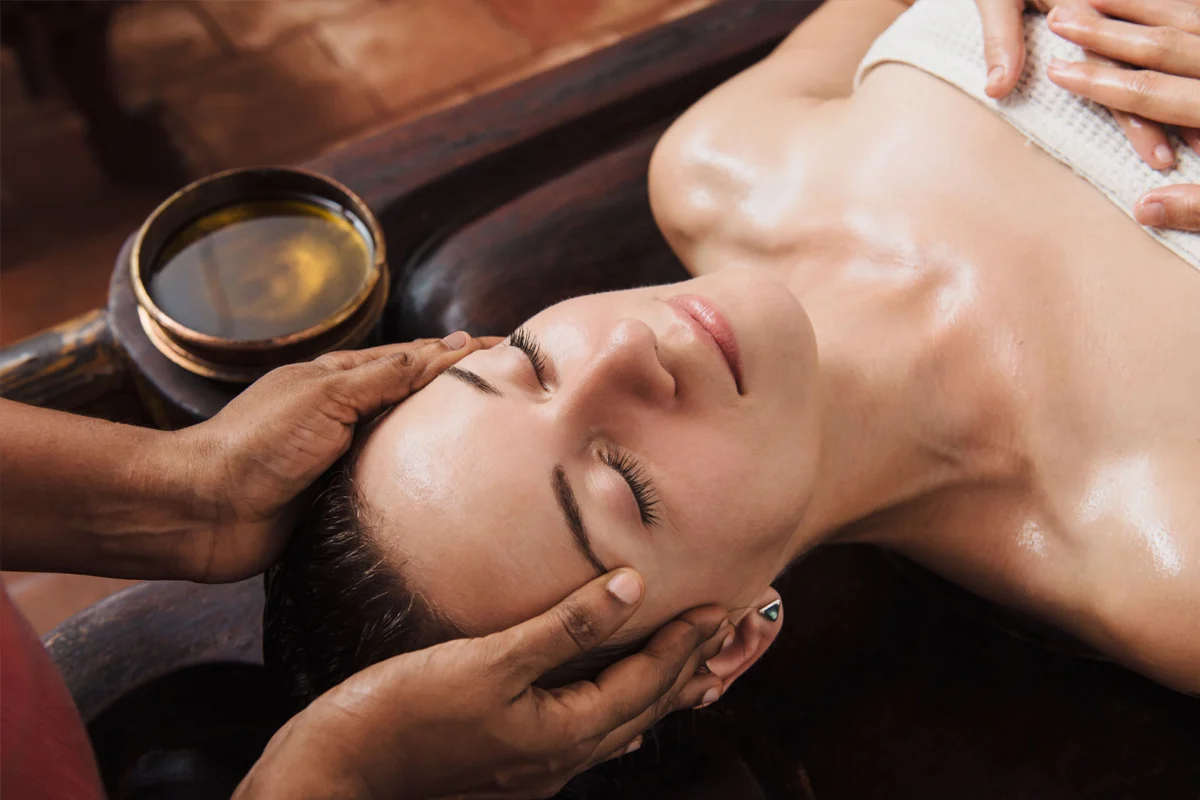
Central to this restorative process is Panchakarma, a multi-stage detoxification and rejuvenation therapy. While often marketed in commercial wellness spaces as a generic "detox," true Panchakarma is a highly specialized clinical protocol. It is not merely a diet or a spa treatment; it is a systematic, internal cleansing process designed to pull toxins (ama) from deep tissues and flush them through the digestive tract.
Designing a Panchakarma protocol requires a practitioner to account for a client’s Agni (digestive strength), the degree of toxin accumulation, and the patient’s constitutional resilience. Without this expert oversight, the process—which involves intense physical and metabolic shifts—can be ineffective or even counterproductive.
Chronology of the Panchakarma Journey
The efficacy of Panchakarma is derived from its three-stage structure, which ensures the body is prepared, cleansed, and then nourished in a sequential, physiological rhythm.
Stage 1: Purvakarma (The Preparatory Phase)
Before any major "actions" can occur, the body must be softened and primed. Purvakarma focuses on two primary objectives: kindling the Agni (digestive fire) and internal oleation.
The kindling of Agni is highly individualized; a practitioner might prescribe ginger pickle for one patient to stimulate metabolic heat, while recommending simple hot water for another. Simultaneously, internal oleation—the ingestion of medicated ghees or oils—begins the process of loosening deep-seated toxins. By saturating the tissues with these fats, the toxins are mobilized, dislodged from their deep-seated pockets, and directed toward the digestive tract for elimination.
Stage 2: Pradhana Karma (The Five Actions)
This is the heart of the therapy. "Panchakarma" literally translates to "Five Actions." Once the toxins have been mobilized through Purvakarma, they are purged using one or more of the following clinical interventions:
- Virechana: Targeting the small intestine, liver, and gallbladder, this purgative therapy uses laxatives to expel excess Pitta, making it highly effective for inflammatory conditions.
- Basti: Often considered the most essential therapy for Vata imbalances, this involves the administration of herbalized teas or oils via the colon. Because the colon is the primary site of Vata, this method allows for systemic absorption and deep nourishment.
- Vamana: A highly specific, medically supervised emesis therapy designed to pull excess Kapha and phlegm from the stomach. Due to its intensity, it is reserved for patients with very specific clinical indications.
- Nasya: The administration of oils into the nasal passages. This therapy is highly effective for "head-space" imbalances, including sinus congestion, mental fog, and cognitive support.
- Raktamoksha: The clearing of the blood. Traditionally involving leech therapy, this is rarely practiced in the United States. In modern clinical settings, alternative methods are used to purify the blood, which is considered the life-giving (jivanam) force of the body.
Stage 3: Paschyatkarma (The Rejuvenation Phase)
The conclusion of the "actions" marks the beginning of the most delicate phase. After a deep detoxification, the body is essentially a clean slate, but it is also fragile. Paschyatkarma is the vital transition back to normalcy. During this phase, the practitioner creates a customized diet and lifestyle plan designed to rebuild tissue, stabilize digestion, and foster long-term vitality. Skipping this stage, or failing to personalize it, often leads to the rapid recurrence of previous imbalances.
Supporting Data and Clinical Implications
The shift toward personalized medicine is not limited to Ayurveda; it is a growing trend across the global medical community. However, Ayurveda’s historical data is vast. For centuries, practitioners have documented the correlation between specific herbal preparations and doshic responses.
The implication for the modern patient is clear: the "standard" protocol is rarely the optimal one. When selecting a practitioner or a Panchakarma center, patients must look beyond marketing and evaluate the center’s commitment to individualization. A facility that offers a "standard 7-day cleanse" for everyone is fundamentally misaligned with the principles of authentic Ayurveda.
True clinical Ayurveda requires an ongoing, responsive relationship between the practitioner and the client. The practitioner must be capable of pivoting the protocol in real-time based on the patient’s daily reaction to the therapies.
The Practitioner’s Critical Role
The role of the practitioner cannot be overstated. As Ayurveda gains mainstream popularity, the market is becoming flooded with "wellness centers" that lack the rigorous, multi-year training required to safely navigate the complexities of Purvakarma and Pradhana Karma.
A qualified practitioner understands that doshic imbalances are fluid; a treatment that works on day one might need to be altered by day three as the patient’s Agni changes or as toxins are released. Without this expert guidance, a patient risks worsening their condition or experiencing the "healing crisis" in a way that is physically damaging rather than restorative.
Conclusion: Aligning Values with Wellness
As you navigate your path to health, consider your wellness values. Are you looking for a quick fix, or are you seeking to understand the root cause of your physical state? If you choose the latter, Ayurveda offers a path of profound depth.
However, the responsibility falls upon the seeker to verify the expertise of those they trust with their health. Ensure that the center or practitioner you choose adheres to the foundational principles of personalization, providing a custom-tailored experience that respects your unique constitution. Whether you are seeking a deep detoxification or a long-term strategy for balance, the success of your journey will be defined by the quality of the practitioner’s oversight and the precision of the personalized plan.
For those interested in the rigorous study of this craft, professional education programs are available to train the next generation of practitioners in the art and science of traditional Panchakarma. By prioritizing qualified guidance, we ensure that this ancient, individualized approach to healing continues to thrive as a beacon of health in our modern world.
For more information on professional training programs, visit Ayurveda.com. To explore clinical Panchakarma services, visit SoHum Mountain Healing Resort.