









The average human being performs an involuntary act approximately 20,000 times a day. By the time the calendar turns, you have cycled through roughly 7.5 million breaths. Yet, despite this constant repetition, the modern individual is increasingly finding that the simple act of breathing has become a lost art. In an era defined by high-speed digital engagement and chronic stress, our natural, rhythmic breathing patterns have been replaced by shallow, chest-dominant gasps.
According to the American Lung Association, these unconscious habits are more than just a minor inconvenience; they are a fundamental barrier to optimal health. As we navigate a world that prioritizes productivity over physiological regulation, the need to return to the breath—the primary bridge between the body and the mind—has never been more urgent.
The Physiology of the Breath: Why We Struggle
The breath is unique in the human autonomic nervous system; it is the only vital function that is both involuntary and under voluntary control. When we are stressed, our sympathetic nervous system—the "fight or flight" mechanism—triggers shallow, rapid breathing. Over time, this becomes a habit, effectively training the body to remain in a state of low-level anxiety.
Research published in the journal MDPI highlights how restrictive breathing patterns directly contribute to increased cortisol levels, muscle tension, and cognitive fatigue. Conversely, the deliberate slowing and deepening of the breath, a practice known in yogic traditions as pranayama, has been clinically proven to stimulate the vagus nerve. This activation shifts the body into a parasympathetic state, often referred to as "rest and digest," which lowers heart rate and reduces systemic inflammation.
Chronology of the Breath: From Instinct to Intention
The human respiratory cycle evolves from the moment of birth. Infants are naturally diaphragmatic breathers, their bellies rising and falling with each inhale. However, as we enter adulthood, societal pressures, posture-related sedentary habits, and chronic stress lead to "apical" or chest breathing.
- Early Childhood: The natural, deep diaphragmatic breath is maintained.
- Adolescence/Early Adulthood: The onset of academic and professional stressors begins to tighten the thoracic cavity and shorten the breath.
- The Modern Era: With the rise of "tech neck" and prolonged screen time, the physical constriction of the rib cage becomes structural, making deep breathing physically difficult.
- The Re-education Phase: This is where the practice of yoga becomes essential. By utilizing specific postures, we can mechanically "unlearn" these restrictive patterns, effectively hitting a physiological reset button.
Supporting Data: The Science of Expansion
The correlation between yoga and respiratory health is well-documented. A study published in Nature confirmed that consistent breath-focused movement significantly reduces symptoms of generalized anxiety disorder. The mechanism is twofold: physical and neurological.
Physically, many of us suffer from tightness in the intercostal muscles—the small muscles between our ribs. When these muscles are chronically tight, the lungs cannot expand to their full capacity. By moving into postures that prioritize the elongation of the torso, we create the necessary physical "room" for the lungs to fill. Neurologically, the focus required to maintain these poses forces the practitioner to abandon the "monkey mind" and anchor their awareness in the present moment, effectively breaking the cycle of anxious, shallow breathing.
5 Yoga Poses That Teach You How to Breathe
If sitting in meditation feels like an insurmountable challenge, these five yoga postures offer a more accessible, embodied path to respiratory freedom.
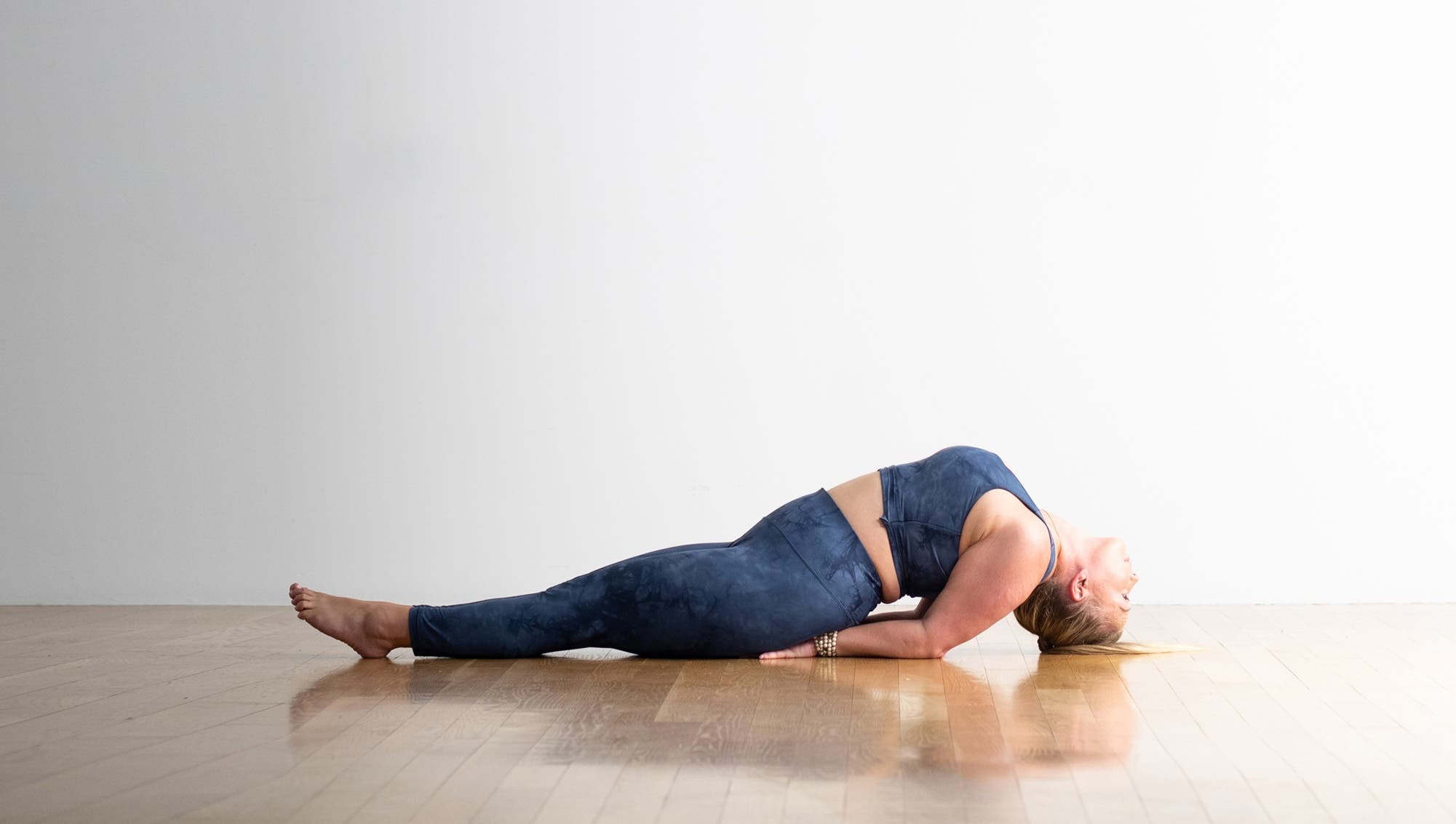
1. Fish Pose (Matsyasana)
Fish Pose is the antithesis of the "hunched over a keyboard" posture. By elevating the heart and gently dropping the head back, this pose creates a dramatic expansion across the front body.
- The Mechanism: It opens the intercostal muscles and the pectorals, allowing the lungs to fill with greater ease.
- The Energetic Benefit: It is widely considered a throat chakra opener, facilitating a more open, unobstructed flow of air through the primary airway.
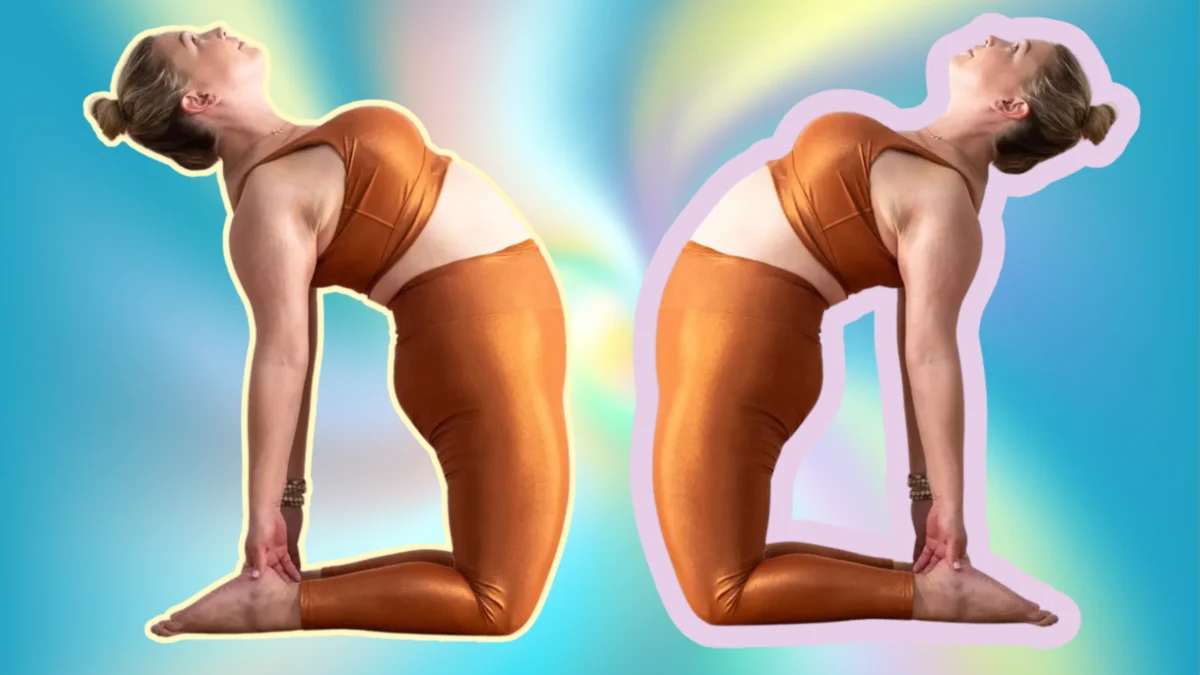
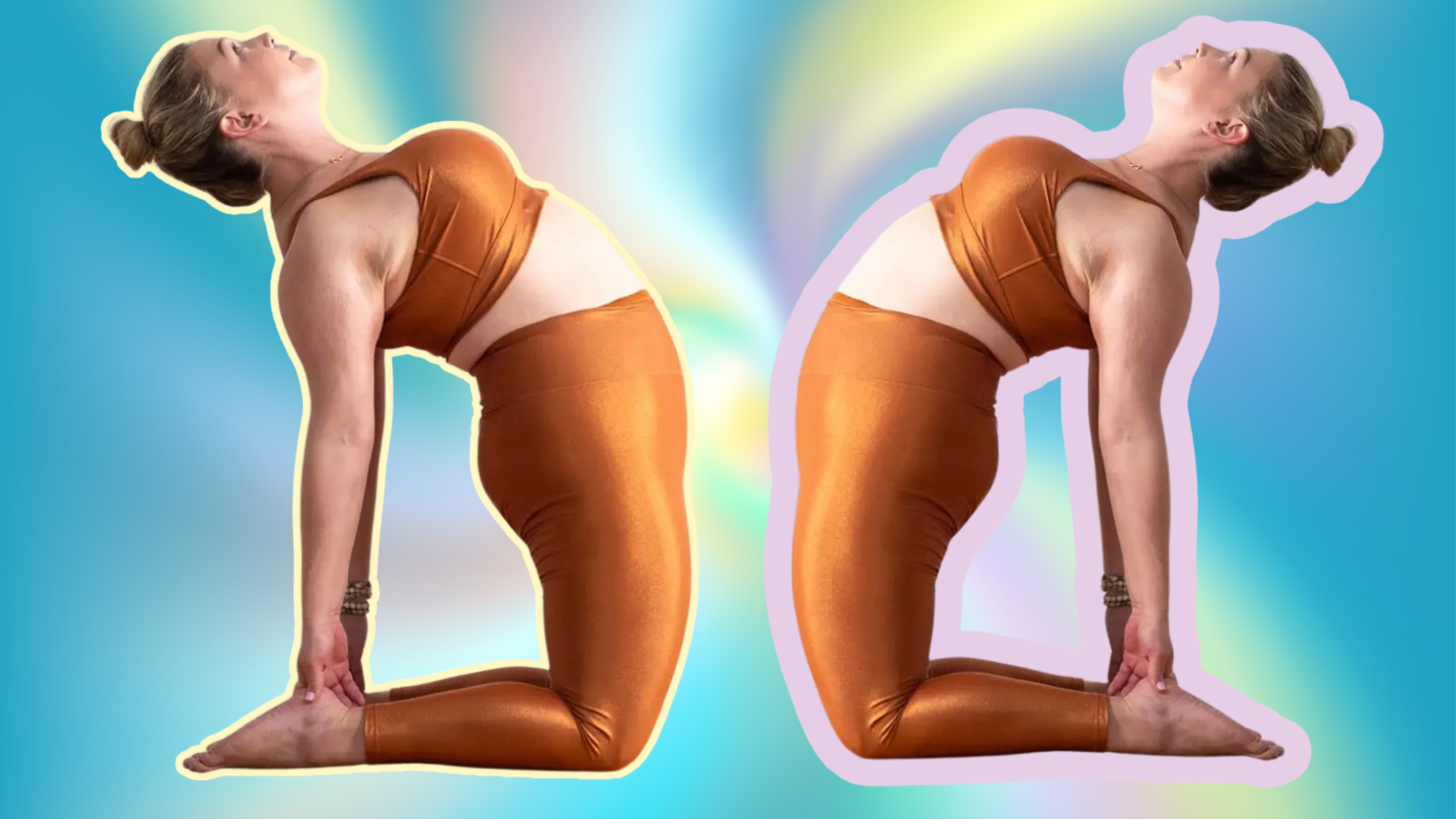
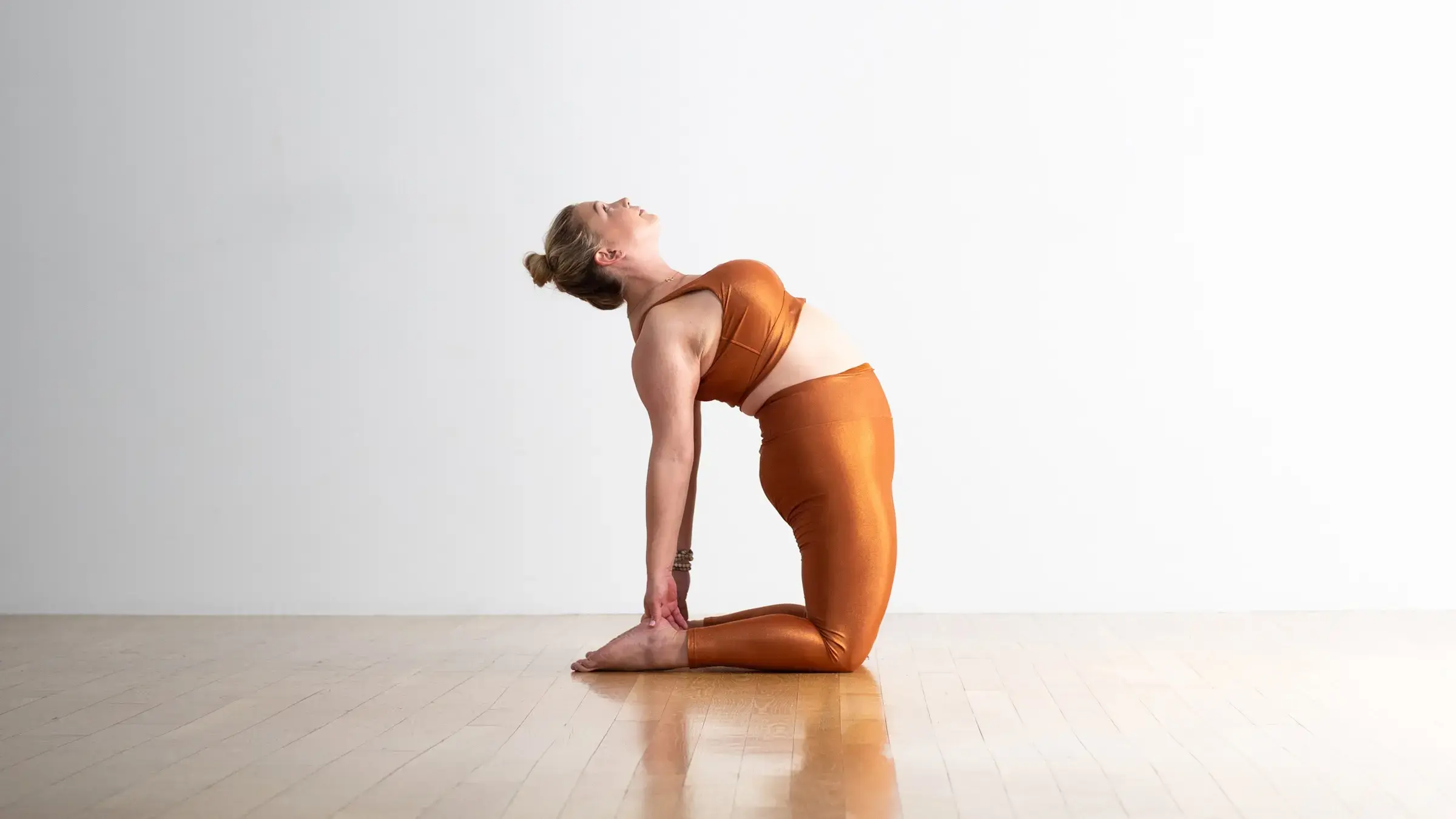
2. Camel Pose (Ustrasana)
Camel Pose is a deep backbend that demands a high level of mental fortitude. For many, the instinct in a backbend is to hold the breath, fearing the vulnerability of the position.
- The Lesson: Learning to breathe through the discomfort of Camel Pose acts as a metaphor for life. If you can maintain a deep, steady rhythm while your body is challenged on the mat, you are better equipped to maintain that same calm when facing external stressors in your daily life.
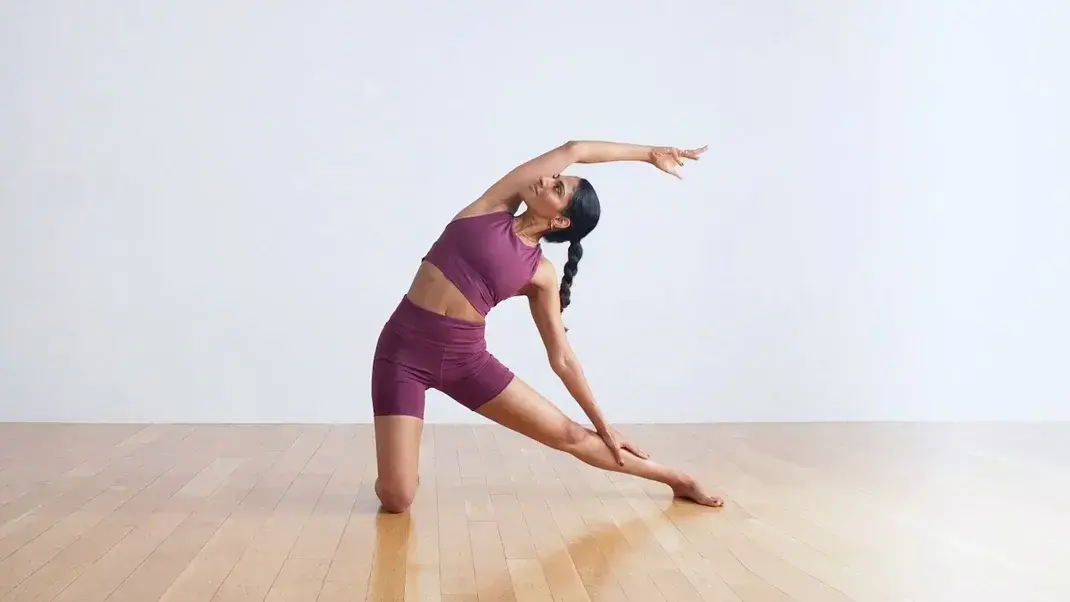
3. Gate Pose (Parighasana)
We often forget that the lungs have a lateral dimension. Gate Pose specifically targets the side body, stretching the space between the ribs from the hip to the armpit.
- The Benefit: By creating space in the lateral plane, you improve your overall lung volume. It is an excellent posture for those who feel "stuck" or restricted in their upper back and shoulder blades.
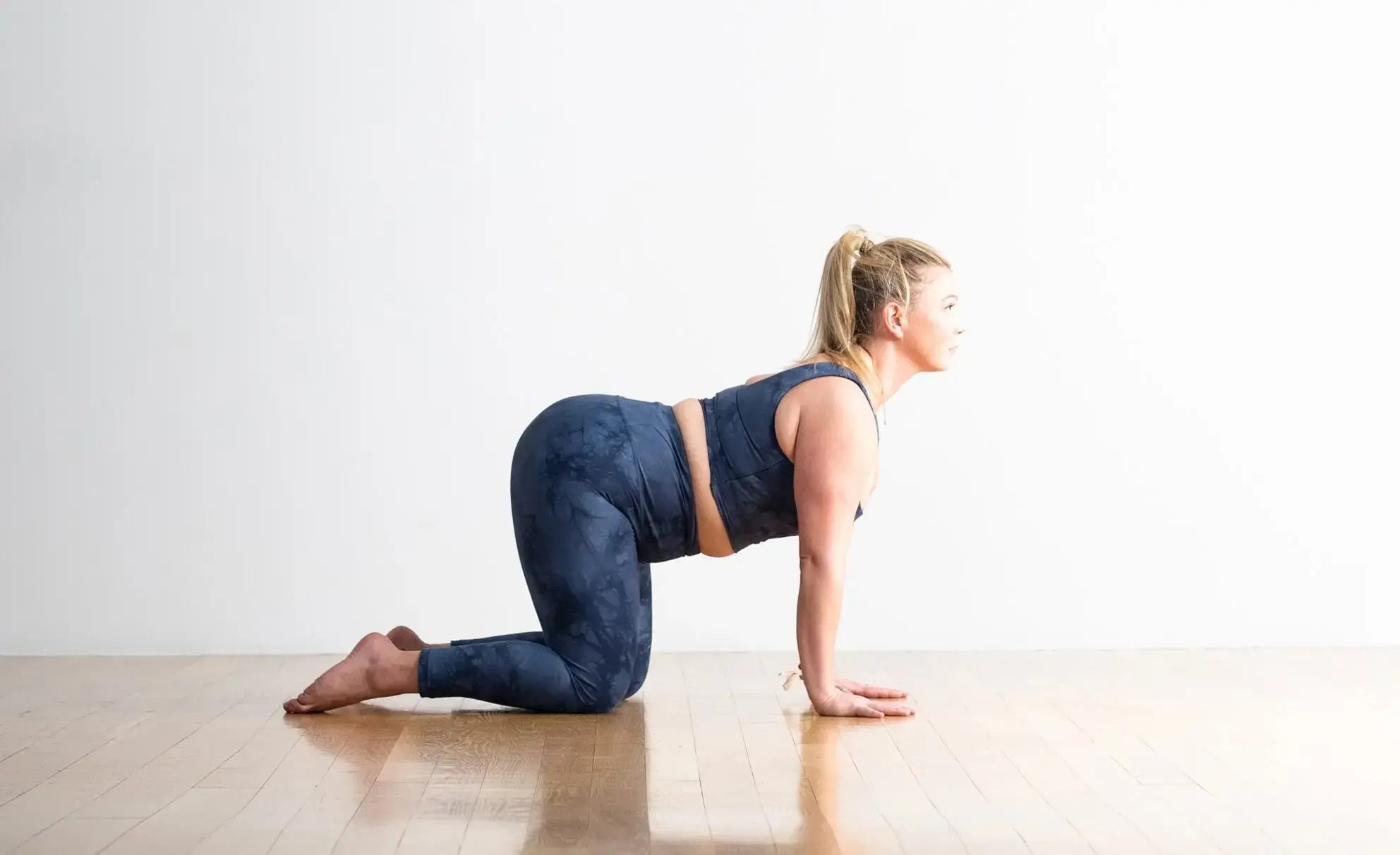
4. Cow Pose (Bitilasana)
The Cat-Cow flow is the gold standard for breath-movement synchronization. On its own, Cow Pose—where the belly drops and the chest lifts—provides a gentle release for the diaphragm.
- The Physiology: As the belly drops, the diaphragm is given the physical space to descend. This is the key to deep, diaphragmatic breathing. By practicing this repeatedly, you are teaching your nervous system to prefer a deep, full breath over a shallow, apical one.
5. Sphinx Pose (Salamba Bhujangasana)
For those seeking a low-impact, restorative approach, the Sphinx is unparalleled. It is a passive chest opener that requires very little muscular exertion.
- Why it works: Because you are not "working" to hold the pose, your nervous system remains relaxed. This creates a safe environment to observe your breath, notice where it hitches or stops, and consciously invite it to flow deeper into the lower lobes of the lungs.
Implications for Future Well-being
The implications of mastering the breath are profound. When we normalize deeper breathing, we are effectively changing our baseline physiological state. We move from a state of constant reaction to one of conscious response.
Health professionals are increasingly integrating these yoga-based breathing techniques into treatment plans for everything from hypertension to insomnia. The message is clear: while we may take 20,000 breaths a day by default, it is the quality of those breaths—not just the quantity—that dictates our long-term vitality.
By incorporating these five postures into your routine, you are not just "doing yoga." You are engaging in a preventive health practice that optimizes your oxygen intake, calms your nervous system, and provides the fundamental energy required to navigate the complexities of modern life. Your breath is your most portable, powerful tool. It is time to start using it with intention.