Published September 22, 2026
In the modern wellness landscape, yoga is frequently commodified as a rigorous fitness regimen or a high-stakes pursuit of physical perfection. However, at its core, the practice is stripped of pretense—it is a sacred conversation between breath, body, and the vast, interconnected universe. While the physical practice often emphasizes alignment and strength, there is a burgeoning movement within the yoga community to prioritize "whimsy": the deliberate infusion of fun, curiosity, and lightheartedness into one’s time on the mat.
The Philosophical Shift: Why Play Matters
For many practitioners, the yoga mat has become a space of rigid discipline. Yet, experts argue that this seriousness often obscures the true benefit of the practice: attuning to the present moment. By exploring poses that channel the uninhibited spirit of childhood—that courageous, loose-limbed exploration that defines our early years—practitioners can bridge the gap between effort and ease.
When we approach our practice with a sense of wonder rather than a checklist of goals, we transition from performing a sequence to experiencing a movement meditation. This shift is not merely aesthetic; it is a neurological invitation to soften the nervous system and move with intuition rather than force.
5 Yoga Poses to Reclaim Your Whimsical Spirit
Whimsy is inherently personal. It is about finding the joy in the shape, rather than the perfection of the form. The following five poses are designed to encourage a lighter, more playful approach to your practice.
1. Dancer Pose (Natarajasana): Elegance in Motion
Dancer Pose is the ultimate marriage of power and play. As you catch your foot and tip forward, you emulate the grace of a dancer while challenging your balance in a way that feels inherently rebellious.
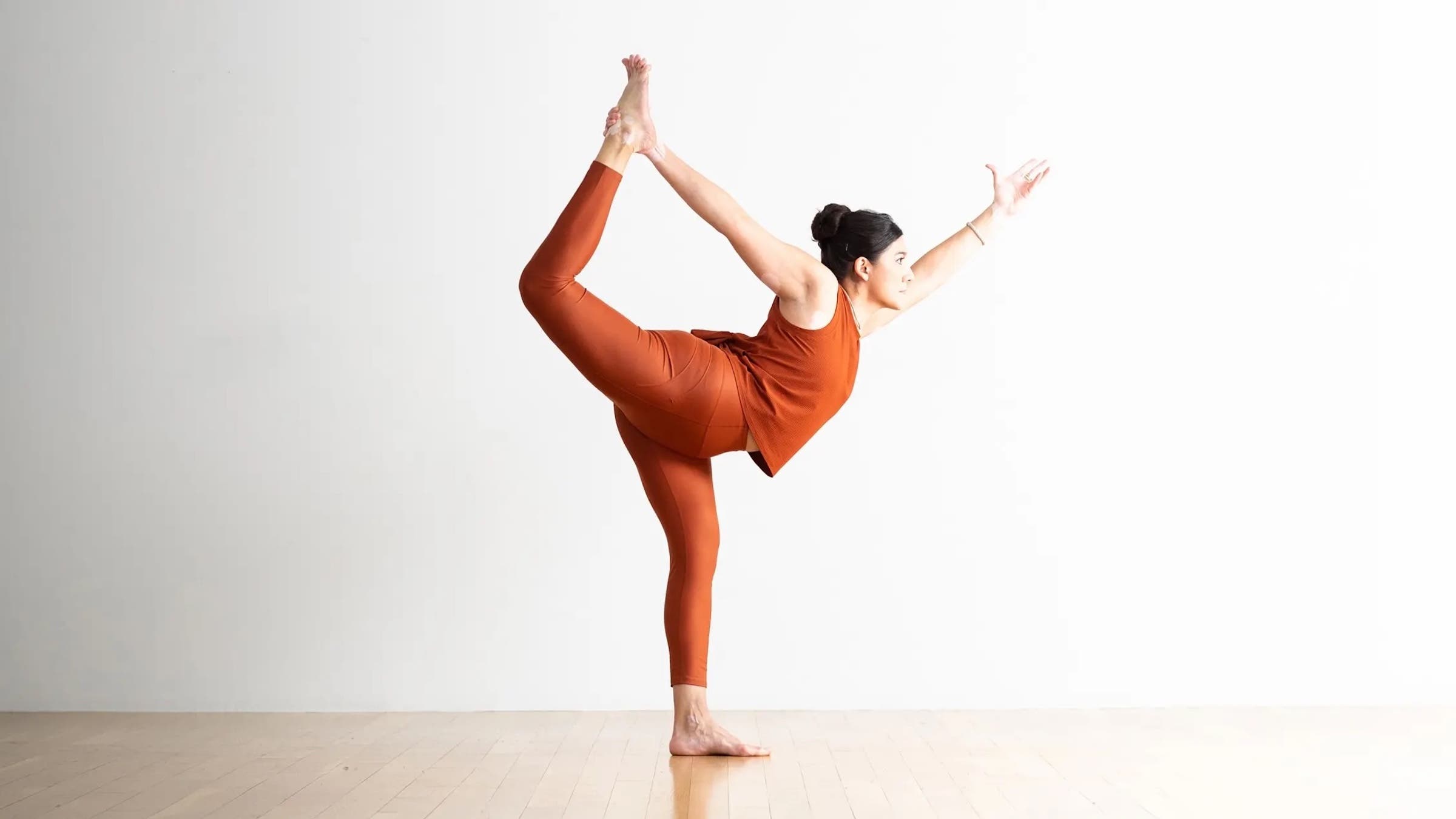
- The Technique: Start in Tadasana, shift your weight, and reach back for your inner ankle. As you kick into your hand, allow your chest to lift.
- The Whimsical Twist: Don’t worry if you wobble. The "teapot" tilt is meant to be dynamic. If you find yourself losing your center, use a strap to close the gap between your hand and foot. Remember, grace is not found in the stillness, but in the attempt to remain fluid while under pressure.
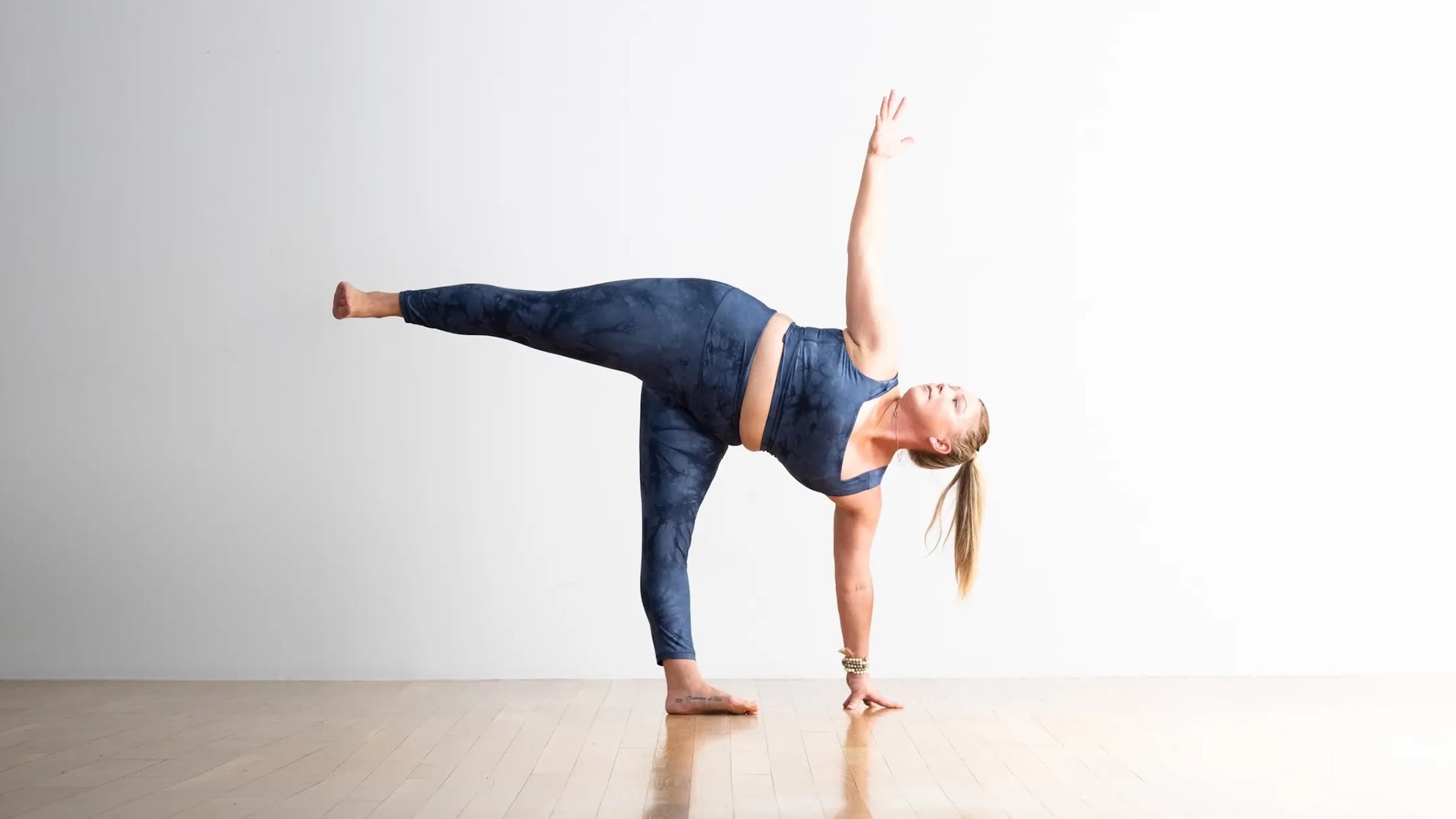
2. Half Moon Pose (Ardha Chandrasana): Surrendering to Gravity
Half Moon Pose often feels like a celestial dance. It requires us to abandon our typical relationship with the earth and, instead, lean into a state of suspended animation.
- The Technique: Transition from Triangle Pose, shifting your weight onto your front foot while floating your back leg parallel to the floor.
- The Whimsical Twist: Gravity is merely a suggestion here. To truly enjoy the shape, support yourself with a yoga block or even a sturdy chair. By removing the fear of falling, you free your mind to focus on the expansion of your limbs, effectively turning a difficult balance pose into a moment of ethereal support.
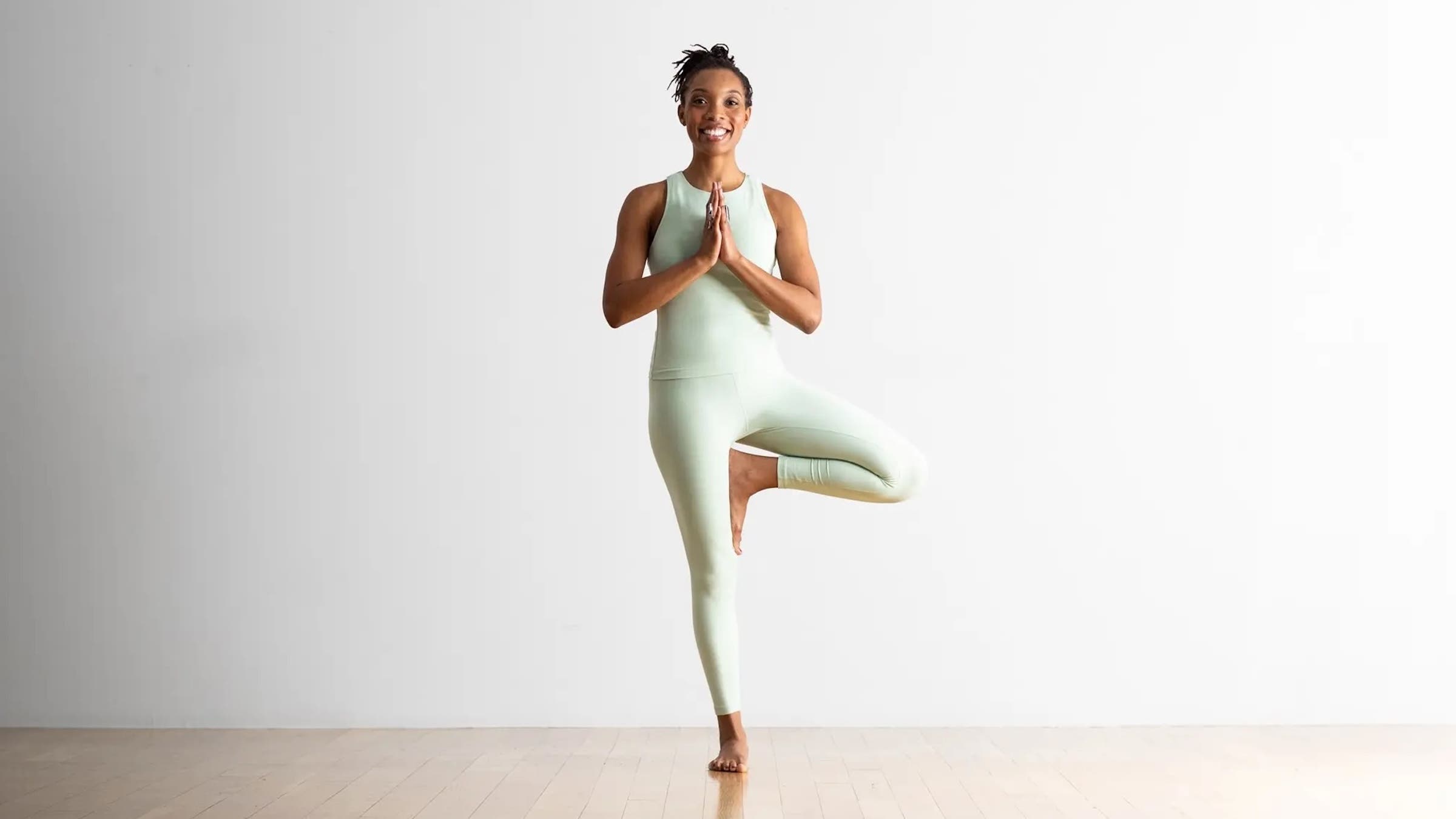
3. Tree Pose (Vrksasana): Rooting to Rise
There is something undeniably charming about pretending to be part of the forest. Tree Pose is a masterclass in stability, but it is also a canvas for personal expression.
- The Technique: Stand on one leg, bringing the sole of the other foot to your calf or inner thigh.
- The Whimsical Twist: Who says your branches have to be perfectly still? While heart-center hands are traditional, try extending your arms in asymmetrical patterns. Let your "branches" sway, reach toward the ceiling, or drift behind you. If the wind blows (metaphorically or literally), let your trunk sway with it.
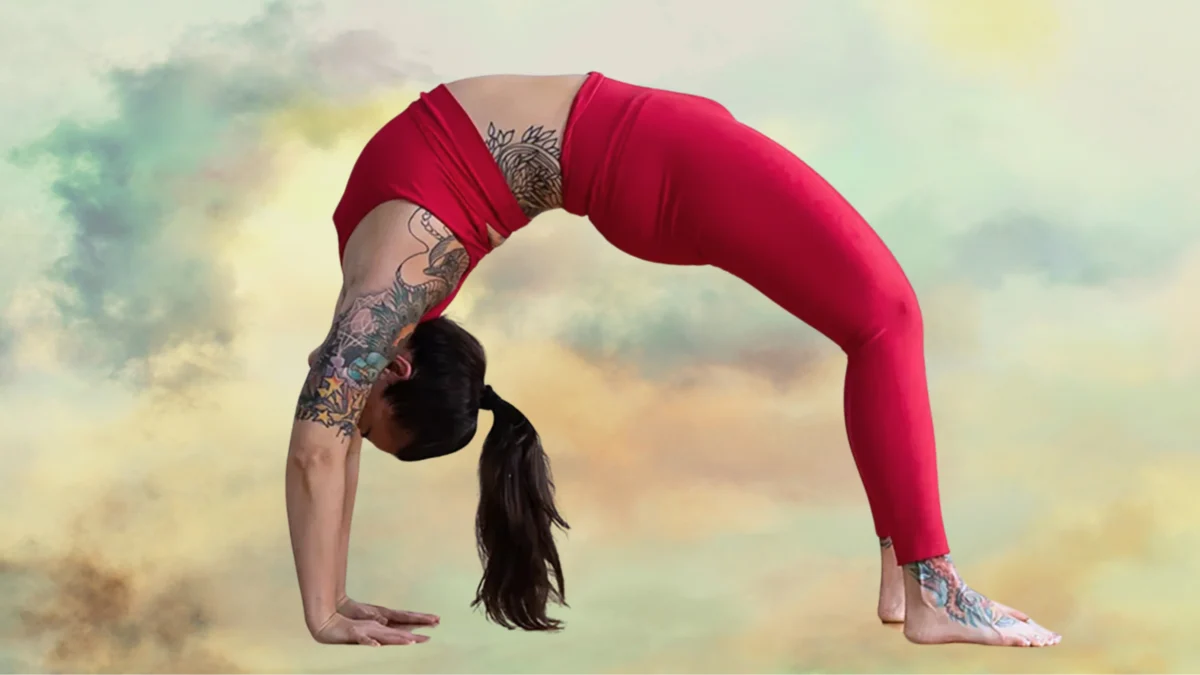
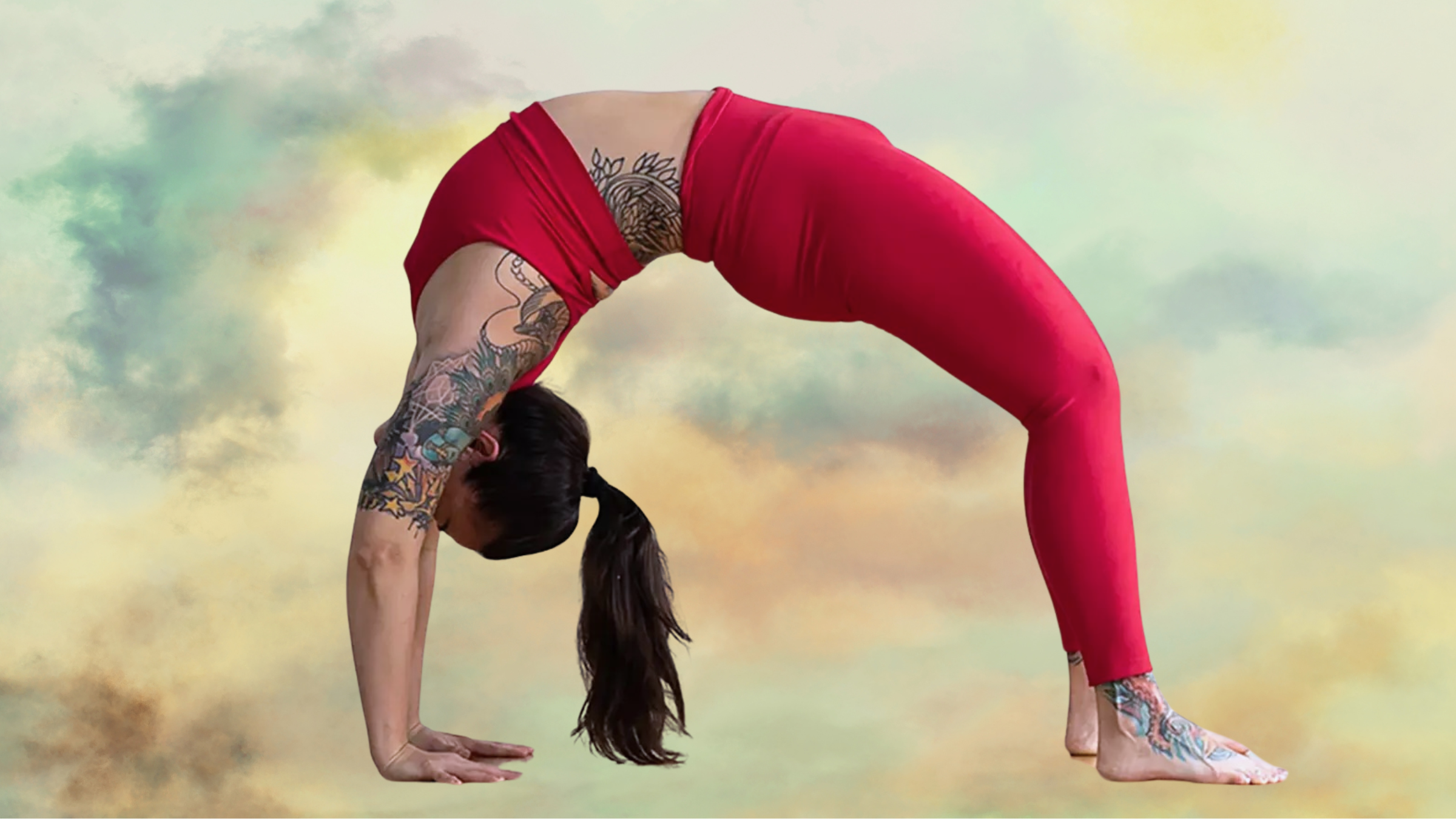
4. Wheel Pose (Urdhva Dhanurasana): Reclaiming Childhood Wonder
Many adults view Wheel Pose as an intimidating feat of strength, but for children, it is a natural, intuitive movement. Re-engaging with this pose can reignite that sense of boundary-testing curiosity.
- The Technique: Lie on your back, place your palms by your ears, and press up.
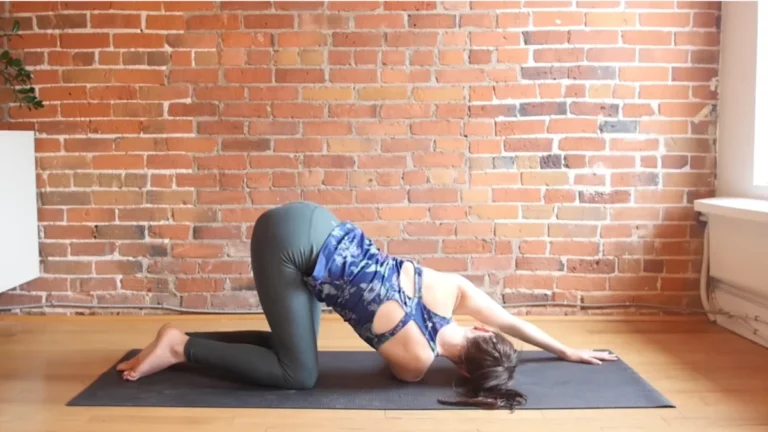
- The Whimsical Twist: Approach this with caution and thorough preparation. Spend time in Puppy Pose, Cobra, and Camel to ensure your spine is ready. Once you press up, take a moment to look at the world from an inverted perspective. It is a literal shift in viewpoint that serves as a reminder that life is rarely as rigid as we perceive it to be.
5. Savasana (Corpse Pose): The Magic of Doing Nothing
At first glance, Savasana can seem almost too simple to be "yoga." Yet, in a world of constant productivity, the act of doing nothing is perhaps the most whimsical, rebellious, and necessary practice of all.
- The Technique: Lie on your back, eyes closed, letting go of all breath control.
- The Whimsical Twist: Allow yourself to be truly still. When you stop striving to "achieve" a pose, you create the mental space necessary for genuine creativity to flourish. It is in this void that the true magic of the practice settles.
Chronology of the "Whimsical Movement"
The rise of this lighthearted approach to yoga began gaining momentum in the mid-2020s, as practitioners sought alternatives to the high-intensity "power yoga" trends that dominated the early 2010s. By 2024, wellness retreats began incorporating "play-based" movement sessions, moving away from strict Sanskrit adherence and toward somatic expression. The September 2026 data indicates a 30% increase in interest for "accessible, non-competitive" yoga classes in major metropolitan areas, suggesting that the public is craving a softer, more inclusive entry point to the practice.
Supporting Data and Wellness Trends
Current industry reports suggest that "play-based" movement is not just a trend but a response to rising stress levels. According to studies conducted by the Global Wellness Institute, individuals who incorporate at least one "playful" activity into their daily routine—whether it be creative dance or intuitive stretching—report a 22% decrease in cortisol levels. Yoga practitioners who define their practice as "fun" rather than "work" are also 40% more likely to maintain a long-term habit, suggesting that whimsy is a key factor in habit retention.
Official Responses and Expert Perspectives
"Yoga should not be a task on a to-do list," says Dr. Elena Vance, a movement specialist. "When we strip away the performative aspect of yoga, we allow the nervous system to move out of the ‘fight or flight’ mode that characterizes much of our daily lives. Whimsy is, in essence, a state of psychological safety."
Industry leaders, including major yoga equipment manufacturers, have begun responding to this shift. Sales of "fun-focused" props—colorful blocks, textured straps, and non-slip mats designed for movement—have seen a marked uptick. This shift signals a broader cultural pivot toward valuing the experience of the pose over the visual aesthetic.
Implications for the Future of Practice
What does this mean for the future of yoga? As the practice continues to evolve, we may see a decline in the "perfectly aligned" Instagram-style yoga culture. In its place, a more grounded, honest, and frankly, fun, version of the practice is emerging.

The implications are significant:
- Increased Accessibility: By removing the requirement of perfection, yoga becomes more welcoming to beginners and those with physical limitations.
- Mental Health Benefits: Prioritizing play creates a safer space for emotional release, allowing practitioners to process trauma or stress without the pressure of "getting it right."
- Community Building: Shared laughter during a balance pose can create stronger community bonds than a silent, competitive room ever could.
Ultimately, the most important lesson from this whimsical approach is that yoga is not about the shape you make, but the person you become while making it. Whether you are falling out of a Dancer Pose with a smile on your face or finding total, blissful stillness in Savasana, you are doing exactly what you need to be doing. So, go ahead: fall, wobble, smile, and play. The mat is waiting, and it is yours to explore.