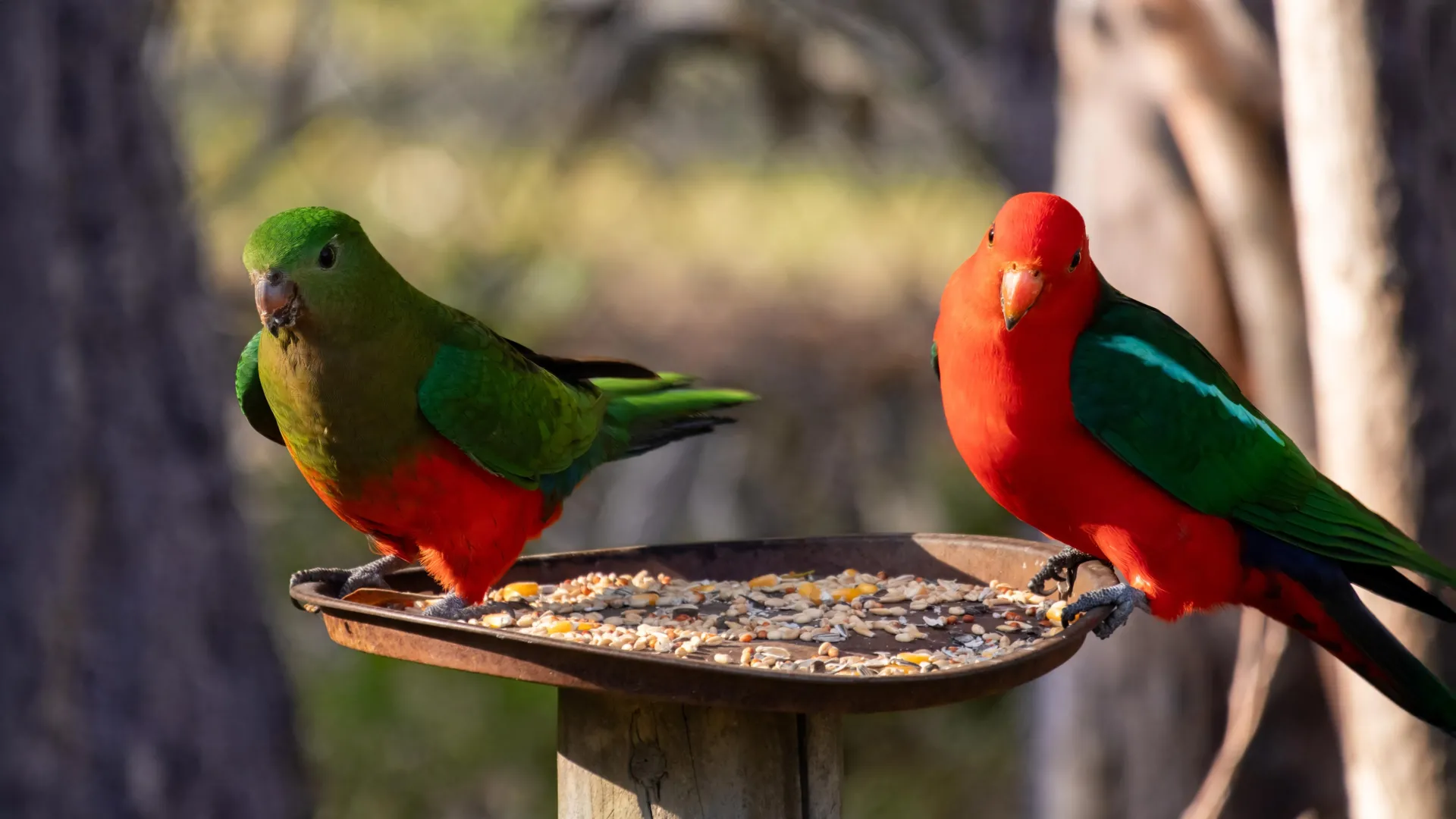
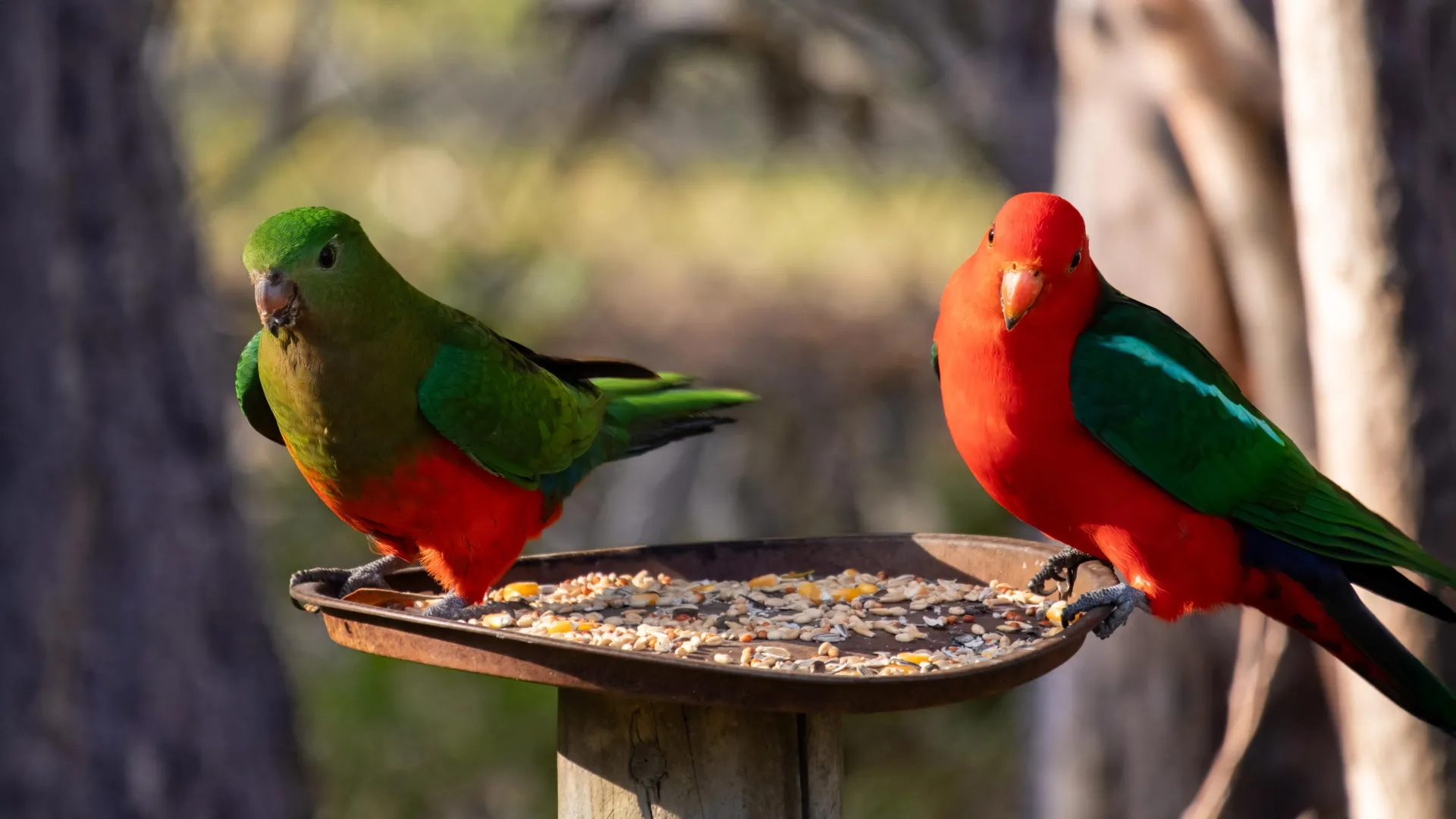
For millions of Australians, the early morning ritual of placing seeds or meat scraps on a backyard tray is a cherished connection to the natural world. It is a hobby rooted in compassion—a simple act intended to provide sustenance and companionship. However, as the highly pathogenic H5N1 strain of avian influenza continues its grim march across the Australian landscape, experts are issuing a stark warning: your backyard bird feeder may be inadvertently serving as a "superspreader" event.
While bird feeding has long been a subject of debate among ecologists regarding nutritional dependency, the arrival of H5N1 has fundamentally shifted the conversation from one of animal welfare to one of public health and national biosecurity.
The Current State of Play: A Deadly Milestone
The H5N1 virus, a strain of bird flu that has decimated wildlife populations across the globe, has firmly established itself in Australia. The trajectory of this outbreak is no longer a theoretical concern; it is a current crisis. Recent months have seen mass mortality events that have shocked the scientific community, most notably the deaths of more than 1,000 crested terns.
Perhaps even more alarming is the confirmation of H5N1 in a long-nosed fur seal. This represents the first detection of the virus in a mainland Australian mammal—a grim milestone that underscores the virus’s ability to cross species barriers. As the virus jumps from avian populations to scavengers and marine mammals, the risk of it entering the broader ecosystem, or even human populations, has escalated significantly.
Chronology of the Outbreak
To understand the gravity of the situation, one must look at the rapid progression of the H5N1 strain.
- Initial Incursion: Following the global spread of H5N1 across Europe, the Americas, and Asia, Australian authorities heightened surveillance measures, recognizing the inevitability of the virus reaching the island continent.
- The First Waves: Initially, the virus was contained to specific regions, but as migratory patterns shifted, reports of sick and deceased seabirds began to emerge along the coastline.
- The Crested Tern Event: The mid-2026 reports of over 1,000 crested tern deaths marked a turning point. These mass mortality events indicated that the virus was not merely circulating but thriving in high-density populations.
- Mammalian Transition: The subsequent infection of a long-nosed fur seal confirmed that the virus was evolving to exploit mammalian hosts, significantly increasing the biosecurity threat level.
- Current Status: As of late 2026, the virus is considered an active, evolving threat. Wildlife carers, veterinarians, and conservationists are now operating under high-alert protocols, as the focus shifts from monitoring to active containment and mitigation.
Supporting Data: Why Feeders Act as Hotspots
Research reveals that approximately 50% of Australian households engage in some form of wild bird feeding. While this reflects a deep cultural affection for local fauna, the biological implications are severe.
The Superspreader Effect
In nature, birds rarely congregate in high-density, mixed-species groups. A backyard feeder, however, creates an artificial environment where birds of different species—and different viral loads—interact in close proximity. This creates a "transmission hotspot." When a single infected bird visits a feeder, it contaminates the surfaces with saliva, feces, and respiratory droplets. Subsequent birds then consume food from that same surface, facilitating the rapid transmission of the virus.
The Role of Scavengers
The danger extends beyond the birds themselves. Scavengers such as red foxes, feral cats, and native possums are opportunistic feeders. When they encounter the carcasses of birds that have succumbed to H5N1, they are exposed to massive viral doses. This creates a secondary bridge for the disease to move from the air to the ground, potentially bringing the virus into closer contact with domestic animals and, by extension, human environments.
Nutritional Myths
A common justification for bird feeding is the belief that birds require this food to survive. However, long-term ecological research suggests otherwise. Most birds visiting feeders obtain the vast majority of their nutrition from natural sources like insects, seeds, and nectar. The food provided by humans is, at best, a supplement, and at worst, a source of poor nutrition that causes birds to congregate in unhealthy numbers.
Official Responses and Biosecurity Measures
The Australian government and major conservation bodies have been swift to coordinate a response. The primary directive from the Department of Agriculture, Fisheries, and Forestry is clear: minimize contact and prevent the concentration of wildlife.
The "Stop Feeding" Directive
The most effective strategy proposed by leading ecologists is the total cessation of backyard bird feeding. By removing the incentive for birds to congregate, homeowners can naturally lower the density of local bird populations, effectively "social distancing" them. This reduces the probability of a transmission chain starting in a suburban backyard.
Strict Sanitation Protocols
For those who are unable or unwilling to cease the practice entirely, the government has outlined stringent requirements:
- Strict Hygiene: Feeders must be sanitized daily using diluted household bleach. If a feeder cannot be cleaned to hospital-grade standards, it must be removed.
- Reduced Volume: By providing significantly less food, homeowners can ensure that birds do not spend extended periods at the feeder, thereby limiting the time for viral exchange.
- Prohibition of Hand-Feeding: The practice of hand-feeding—once considered a "magical" experience—is now officially discouraged. The risk of direct viral transmission to humans, while currently considered rare and generally presenting as mild symptoms, is a variable the scientific community is not willing to gamble with.
Implications for Biodiversity
The broader implications of H5N1 are catastrophic for Australia’s unique biodiversity. Threatened species, such as the orange-bellied parrot, have little to no immunity against this strain. If H5N1 were to breach the habitats of these already vulnerable populations, the result could be a catastrophic extinction event.
Furthermore, the impact on the veterinary and wildlife care sector cannot be overstated. These professionals are on the front lines, dealing with the emotional and physical toll of euthanizing infected wildlife. The surge in infected animals places an immense strain on resources, diverting focus from other vital conservation efforts.
Moving Forward: A Culture of Caution
As Australia navigates this unprecedented health crisis, the responsibility lies with the individual. The charm of a backyard bird feeder is undeniable, but it is a luxury that our native wildlife can no longer afford.
The transition away from bird feeding is not an act of indifference; it is an act of stewardship. By respecting the natural boundaries of our wildlife, we are granting them the best possible chance to survive this pandemic.
What You Must Do Now
If you encounter a sick or dead bird, or a marine mammal exhibiting signs of illness, do not attempt to interact with it.
- Do not touch: Direct contact is the primary route of transmission.
- Keep distance: Use your phone to photograph the animal from a distance for identification purposes.
- Protect pets: Ensure your dogs and cats are kept away from the area.
- Report it: Contact the Emergency Animal Disease Hotline at 1800 675 888.
The survival of our native species depends on our collective discipline. In the fight against H5N1, the most profound contribution you can make is to step back, observe from a distance, and allow nature to maintain its own healthy, safe, and balanced distance. The birds may miss their snacks, but they—and we—will be far safer for it.