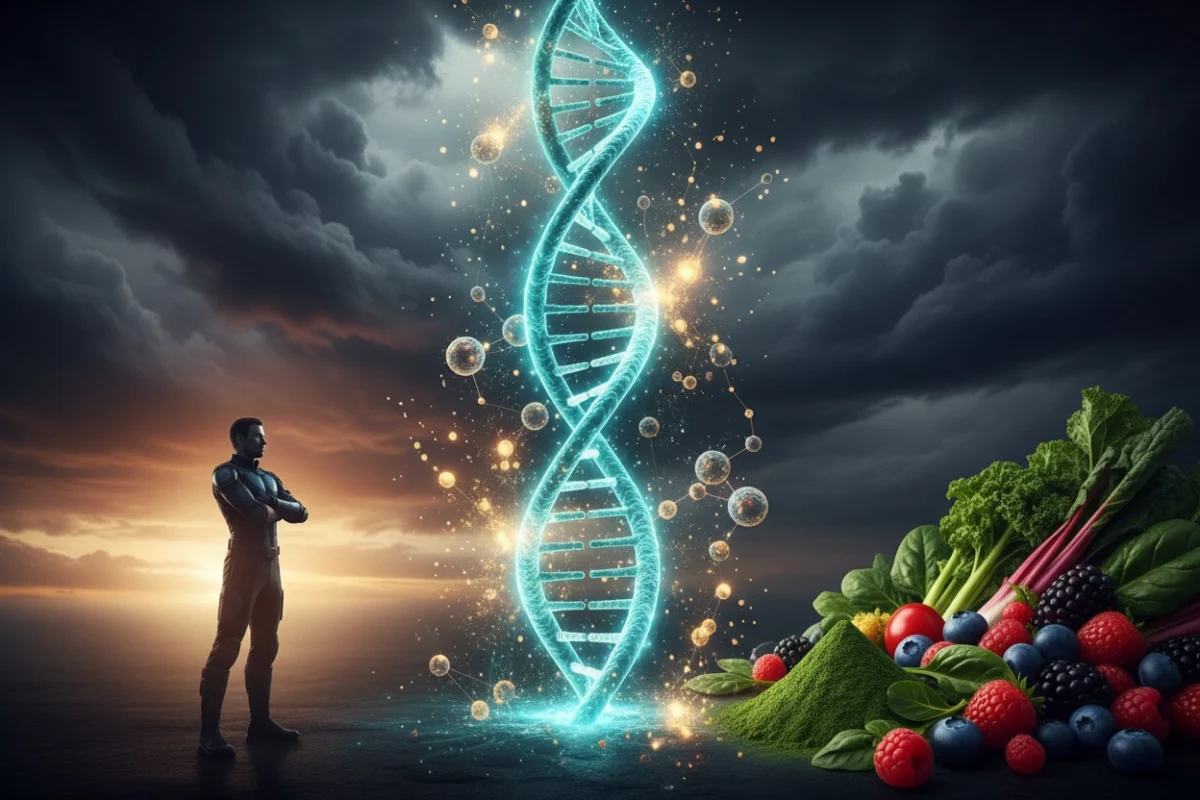
For decades, the concept of "preparedness" was defined by external infrastructure. Survivalists focused on the "three pillars": water filtration, caloric stockpiling, and defensive perimeter security. However, as we navigate the complex geopolitical and biological landscape of 2026, a paradigm shift is occurring among those who prioritize long-term survival. The most critical theater of operations is no longer the bunker or the supply cache; it is the molecular level.
Humanity is currently facing an unprecedented convergence of environmental stressors. From the lingering systemic impacts of bio-synthetic proteins to the constant barrage of ionizing and non-ionizing radiation, the human genome is under a state of perpetual siege. The realization that our DNA is not a static blueprint, but a dynamic, self-repairing system, has birthed a new movement: Genetic Resilience.
The Battlefield: Modern Life and the Assault on DNA
To understand the urgency of the current situation, one must view the human body as a biological battlefield. Under normal physiological conditions, a single cell sustains tens of thousands of DNA lesions daily. This is a natural consequence of metabolic activity and environmental interaction. Under optimal conditions, the body’s internal "repair crews"—specialized enzymatic pathways like Non-Homologous End Joining (NHEJ) and Homologous Recombination (HR)—correct these errors with remarkable precision.
However, we are no longer living in optimal conditions. We are living through what experts characterize as a "binary weapon system" of toxicity. This includes:
- Metabolic Disruption: The prevalence of ultra-processed foods has depleted the body’s baseline nutritional reserves, leaving cells without the "raw materials" needed for the repair of double-strand breaks.
- Persistent Bio-Toxicity: Recent studies have highlighted how spike proteins, particularly those associated with mRNA-based interventions, may actively suppress essential repair pathways. Documentation suggests that these proteins can inhibit NHEJ activity by up to 90% in certain cellular models.
- Environmental Radiation: The increasing density of 5G infrastructure, coupled with an unstable global geopolitical climate that threatens nuclear volatility, has exponentially increased the background stress placed on cellular integrity.
This is a mathematical problem: if DNA damage increases while the body’s repair capacity is simultaneously throttled, the result is an inevitable cascade of mutations, systemic inflammation, and accelerated physiological breakdown.
Chronology of a Crisis: From 2020 to 2026
The trajectory of our current health crisis did not begin in a vacuum. It is the result of a six-year period of compounding insults.
- 2020-2021 (The Onset): The global rollout of novel mRNA biotechnology introduced widespread exposure to synthetic spike proteins. Early reports of systemic inflammation were dismissed as acute side effects, but the long-term impact on genomic stability remained largely unstudied by mainstream health agencies.
- 2022-2023 (The Silent Accumulation): As the public returned to "normal," a rise in unexplained health phenomena began to emerge. The medical community observed an uptick in "turbo aging"—a phenomenon where biological markers of health plummeted, and tissue repair slowed significantly.
- 2024-2025 (The Infrastructure Stress): The expansion of high-frequency telecommunications (5G) and the degradation of the food supply chain due to global economic instability created a "perfect storm" for cellular exhaustion.
- 2026 (The Threshold): We have reached a point where the cumulative damage to the population’s genetic integrity is manifesting as immune collapse and an epidemic of cellular dysfunction.
Supporting Data: The Science of Cellular Repair
The premise of the "UNBREAKABLE" initiative—a comprehensive program dedicated to genetic survival—is rooted in the principle that biological resilience is a solvable problem. It requires a shift from reactive medicine to proactive molecular support.
Research indicates that the body’s repair enzymes are highly dependent on specific cofactors. Zinc, magnesium, iodine, and certain polyphenols serve as the catalytic engines for DNA repair proteins. When these nutrients are absent, the "repair crew" is effectively grounded.
Furthermore, the introduction of specific protective compounds has shown promise in neutralizing secondary damage. For instance, astaxanthin has been identified as a potent antioxidant capable of crossing the blood-brain barrier to protect cellular structures from oxidative stress. Similarly, phycocyanin, found in blue-green algae like spirulina, helps mitigate the formation of peroxynitrite—a highly reactive species that destroys cellular membranes and inhibits DNA repair.
Official Responses and the Institutional Vacuum
Despite the mounting evidence of systemic health degradation, official responses from global health authorities remain tethered to traditional, and often ineffective, protocols. The current medical paradigm focuses on symptom management through pharmacological intervention—treating the secondary effects of damage rather than fortifying the underlying biological machinery.
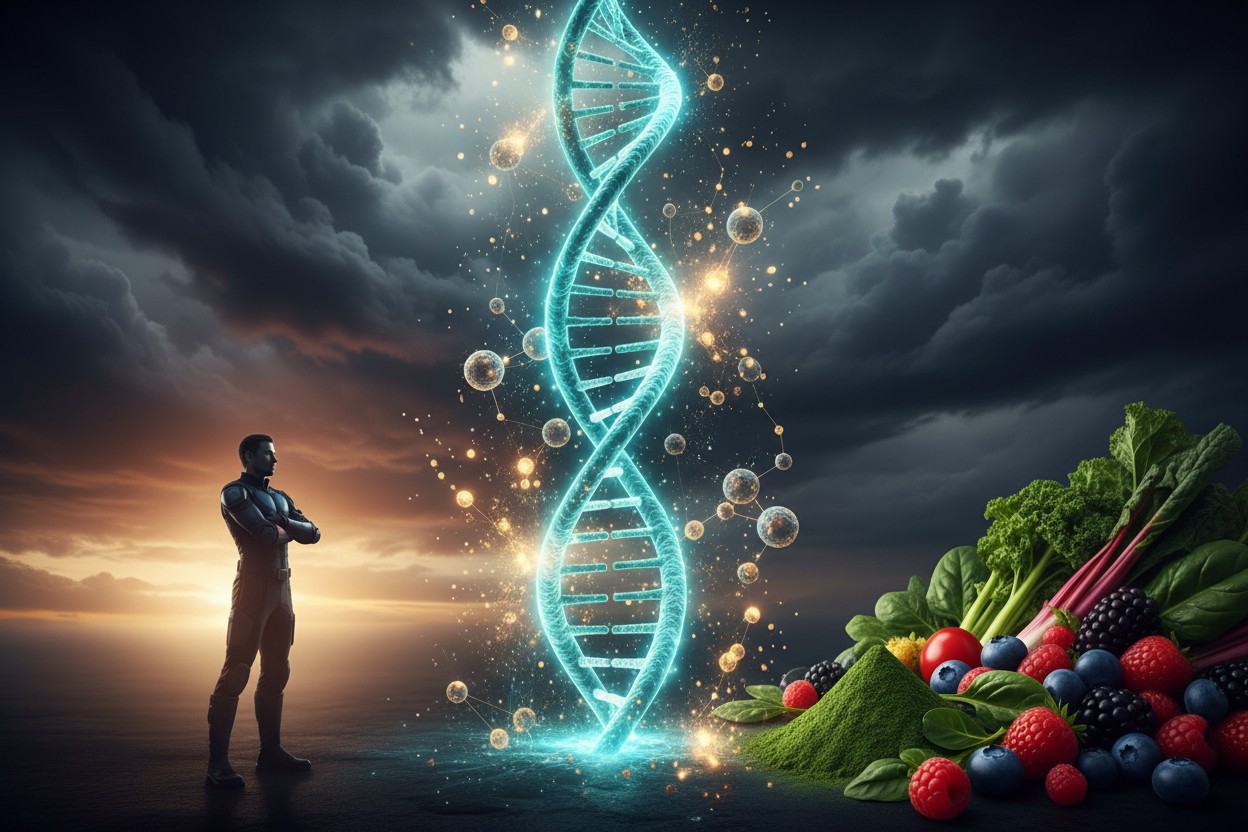
Critics argue that this approach is intentionally misaligned with the reality of the threat. By focusing on "control and compliance" rather than nutritional fortification and cellular health, government agencies have left the individual vulnerable. In the event of a catastrophic radiation event or a surge in chemical toxicity, the standard of care offered by the state is largely insufficient, as it does not address the foundational need for DNA integrity.
This institutional silence has forced a shift toward radical self-reliance. If the state cannot provide the tools for cellular survival, the responsibility falls upon the individual to cultivate their own resilience.
Implications: Building an Unbreakable System
The implication of this data is clear: survival in the coming decade will be determined by the quality of your cellular environment.
1. Strategic Nutrition as Defense
The most effective way to combat genetic degradation is to move away from supply-chain-dependent processed foods. Strategic nutrition involves the consumption of nutrient-dense, whole foods—organ meats, cold-water fish, and mineral-rich greens—that provide the necessary cofactors for the body’s natural repair enzymes.
2. The Decentralized Food Garden
A critical component of this resilience is the movement toward self-production. Growing one’s own food ensures the absence of agricultural chemicals that further tax the body’s detoxification pathways. It also ensures that the produce is harvested at the peak of its micronutrient profile, providing a "defensive shield" against daily environmental stressors.
3. Competence as the Ultimate Prep
Panic is the byproduct of helplessness. By educating oneself on the mechanics of DNA repair, an individual replaces fear with a concrete strategy. Understanding how to support the body’s "repair crew" allows for a shift in perspective; instead of viewing oneself as a passive victim of global events, the individual becomes an active manager of their biological system.
Conclusion: The Path Forward
The warning signs are unmistakable. We are living through an era of unprecedented environmental and biological challenge. However, the narrative of "powerlessness" is a choice.
As we look toward the uncertainties of the coming years, the objective is not merely to survive, but to remain "unbreakable." This requires a commitment to the most important system you own: your DNA. By arming your cells with the right nutrients, minimizing exposure to known toxins, and fostering an environment of self-reliance, you are building a foundation that no external crisis can easily dismantle.
The war for your health is being fought inside your own cells. It is time to equip your "cellular army" for the fight. For those seeking to deepen their understanding of these protective mechanisms, resources like GeneticSurvival.com serve as a vital repository of the knowledge required to navigate these tumultuous times with competence and calm.
The future belongs to those who are prepared—not just in their bunkers, but in their blood, their cells, and their genetic code.