For 55-year-old Edward (Ed) Waldner, the onset of illness was not a sudden catastrophe, but a slow, insidious erosion of his vitality. For months, he wrestled with a persistent, bone-deep exhaustion that remained indifferent to his daily activity levels. While he initially speculated that sleep apnea might be the culprit, the physical symptoms soon became more alarming: a subtle, inexplicable dragging of his heels and a noticeable change in his gait.
What began as a nagging suspicion of fatigue culminated in a trip to the Emergency Department, where a scan revealed a mass on his brain. The diagnosis was swift and devastating: glioblastoma—an aggressive, often terminal form of brain cancer that has remained notoriously difficult to treat for decades. Today, however, Waldner is at the center of a pioneering medical study at the University of Calgary that is offering a flicker of renewed hope to patients facing the same grim prognosis.
A Legacy of Stagnation: The Challenge of Glioblastoma
Glioblastoma is widely regarded as the most formidable primary brain tumor in adults. The current standard of care—a grueling regimen involving surgical resection, radiation therapy, and chemotherapy—has remained the gold standard for over twenty years, yet it rarely offers a cure. The tumor’s ability to recur is its most lethal hallmark, creating a cycle of treatment and relapse that has left clinicians and patients searching for new paradigms.
"Survival of patients with this condition hasn’t changed significantly for 20 years," says Dr. Gloria Roldan Urgoiti, a clinical associate professor at the Cumming School of Medicine (CSM) and a brain cancer specialist. The frustration shared by oncology teams is palpable; despite advancements in imaging and surgical precision, the biology of the tumor remains one step ahead. It is against this backdrop of clinical stagnation that a research team at the Hotchkiss Brain Institute and the Arnie Charbonneau Cancer Institute has turned to an unlikely ally: Vitamin B3, or niacin.
The Science of Rejuvenation: How Niacin Works
The study, led by Dr. Roldan Urgoiti and neuroscientist Dr. Wee Yong, rests on a fundamental premise: that the brain’s own immune system is being suppressed by the cancer, and that this suppression can be reversed.
"Normally, the immune system will try to counter and prevent tumor growth; however, this brain cancer suppresses the immune system," explains Dr. Yong, a professor at the CSM whose research career has been defined by understanding the complex interplay between the brain and immune cells.
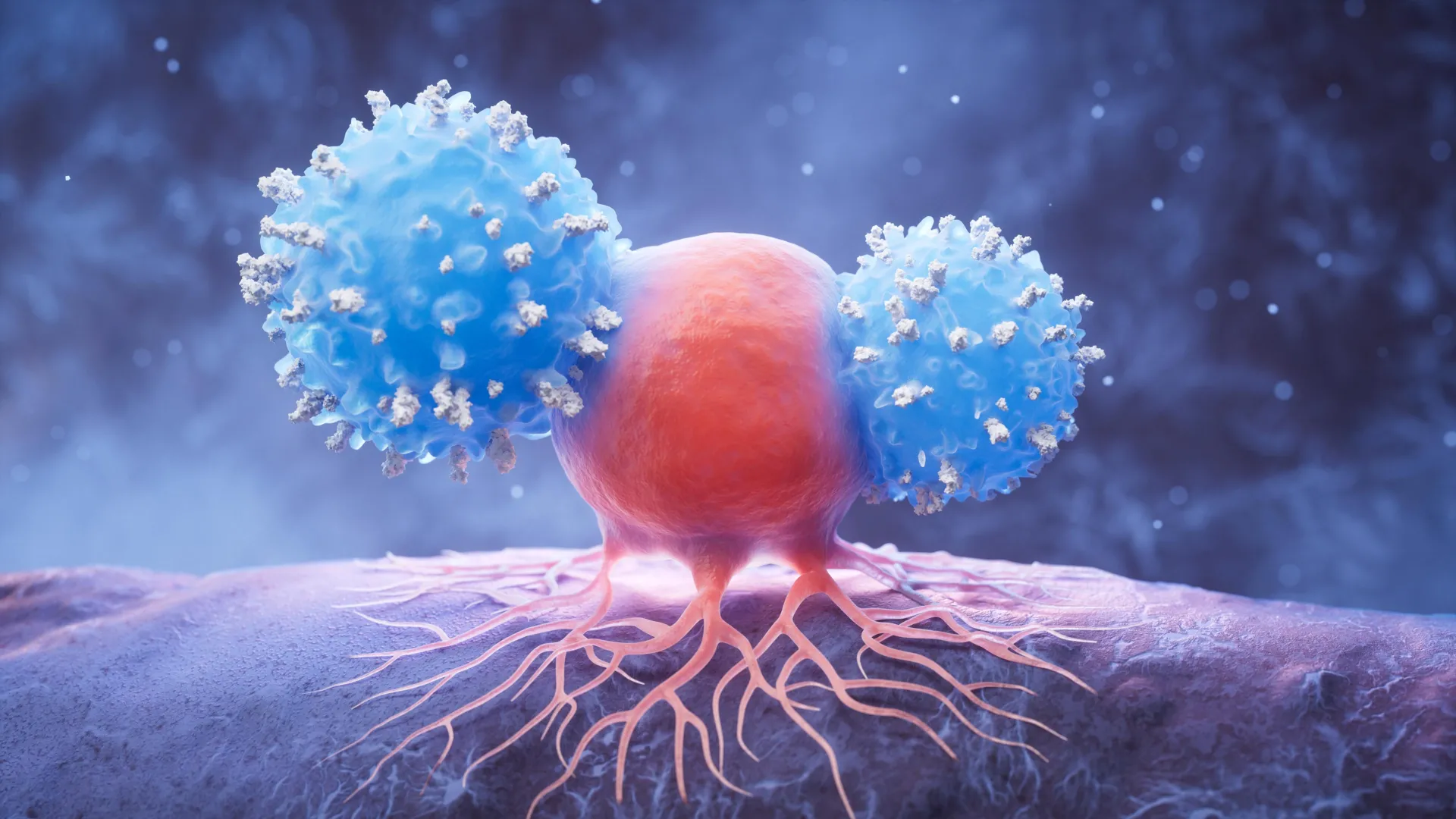
Dr. Yong and his colleagues hypothesized that high doses of niacin could act as a metabolic "reboot" for the immune system. By restoring the function of weakened immune cells, the treatment aims to reawaken their inherent ability to identify and destroy tumor cells. Dr. Yong describes the process as an ongoing "battle for the brain," where the intervention serves to bolster the body’s internal defenses to ensure they are capable of finishing the fight.
From Laboratory to Clinic: A Chronology of Discovery
The path to human trials was paved with rigorous laboratory scrutiny. The project began in Dr. Yong’s laboratory, where researchers observed the effects of niacin on mouse models. The early results were promising; the vitamin appeared to extend survival rates significantly, providing the necessary data to transition to a Phase I and II clinical trial.
For patients like Ed Waldner, the invitation to join the trial came at a moment of profound vulnerability. "When I left the hospital after surgery, I was told, ‘That’s it, that’s all we can do,’" Waldner recalls. Being accepted into the study provided him with a sense of agency that the initial prognosis had stripped away. "I have no problem trying to help anybody. I agreed. I want to help myself too. Being part of this research helps me mentally because we’re trying."
The study design is as rigorous as the science behind it. To ensure scientific integrity, the researchers established a strict benchmark: if progression-free survival at the six-month mark did not improve by at least 20 percent over historical data, the trial would be terminated.
Supporting Data: Exceeding Expectations
The interim results from the first 24 participants have been nothing short of encouraging. By the six-month interval, 82 percent of the study participants showed no signs of disease progression. When measured against historical benchmarks, this represents a 28 percent improvement—a figure that significantly exceeds the trial’s initial success threshold.
While the researchers remain cautious, the data provides a strong signal that niacin, when used as an adjuvant therapy alongside standard chemotherapy and radiotherapy, may play a vital role in slowing the aggressive nature of glioblastoma. The findings, recently published in the Journal of Neuro-Oncology, have sparked interest within the global neuro-oncology community, suggesting that metabolic interventions might hold untapped potential in cancer care.
A Note of Caution: The Toxicity of High-Dose Vitamins
Despite the excitement surrounding these results, the medical team is emphatic about one point: this is not a do-it-yourself treatment.
"High doses of vitamins, including niacin, can be toxic and may cause harm if they are not carefully monitored by medical professionals," the researchers warned. The controlled-release formula used in the study is specifically designed to manage the safety profile of the high doses required to achieve a therapeutic effect. Patients are cautioned against attempting to replicate this treatment at home, as the therapeutic window is narrow and the potential for liver or systemic side effects is high without the constant supervision of a clinical team.
Implications for the Future
The trial is ongoing, with the team aiming to enroll a total of 48 participants by late 2026 or early 2027. Once that final cohort is reached, the team will conduct a comprehensive final analysis to determine whether the results seen in the initial 24 patients can be replicated and sustained.
If the success holds, the implications for neuro-oncology could be profound. It would validate the use of metabolic modifiers—inexpensive, widely available compounds—to enhance the efficacy of traditional treatments. For a field that has seen so little change in two decades, the prospect of adding a simple, targeted intervention to the standard of care is a milestone.
"Anything that may help should be explored," Dr. Roldan Urgoiti notes, emphasizing that such exploration must always be guided by "strict protocols and safety monitoring."
A Sense of Stability
For Ed Waldner, the clinical trial has become more than just a medical intervention; it has become a source of stability in an unpredictable world. During his routine follow-up appointments, as the medical team reviews the latest scans of his brain, he waits for the single word that has become the benchmark for his quality of life: stable.
While he knows the road ahead remains complex, the combination of his medical care and his participation in the research has provided him with a sense of purpose. As the team at the University of Calgary continues their work, supported by the Canadian Institutes of Health Research and the Alberta Cancer Foundation, patients like Waldner represent the human face of science—a testament to the resilience of the human spirit and the relentless pursuit of medical breakthroughs in the face of the most daunting diagnoses.
The battle for the brain continues, but for now, the data suggests that for the first time in many years, the tide may finally be shifting.