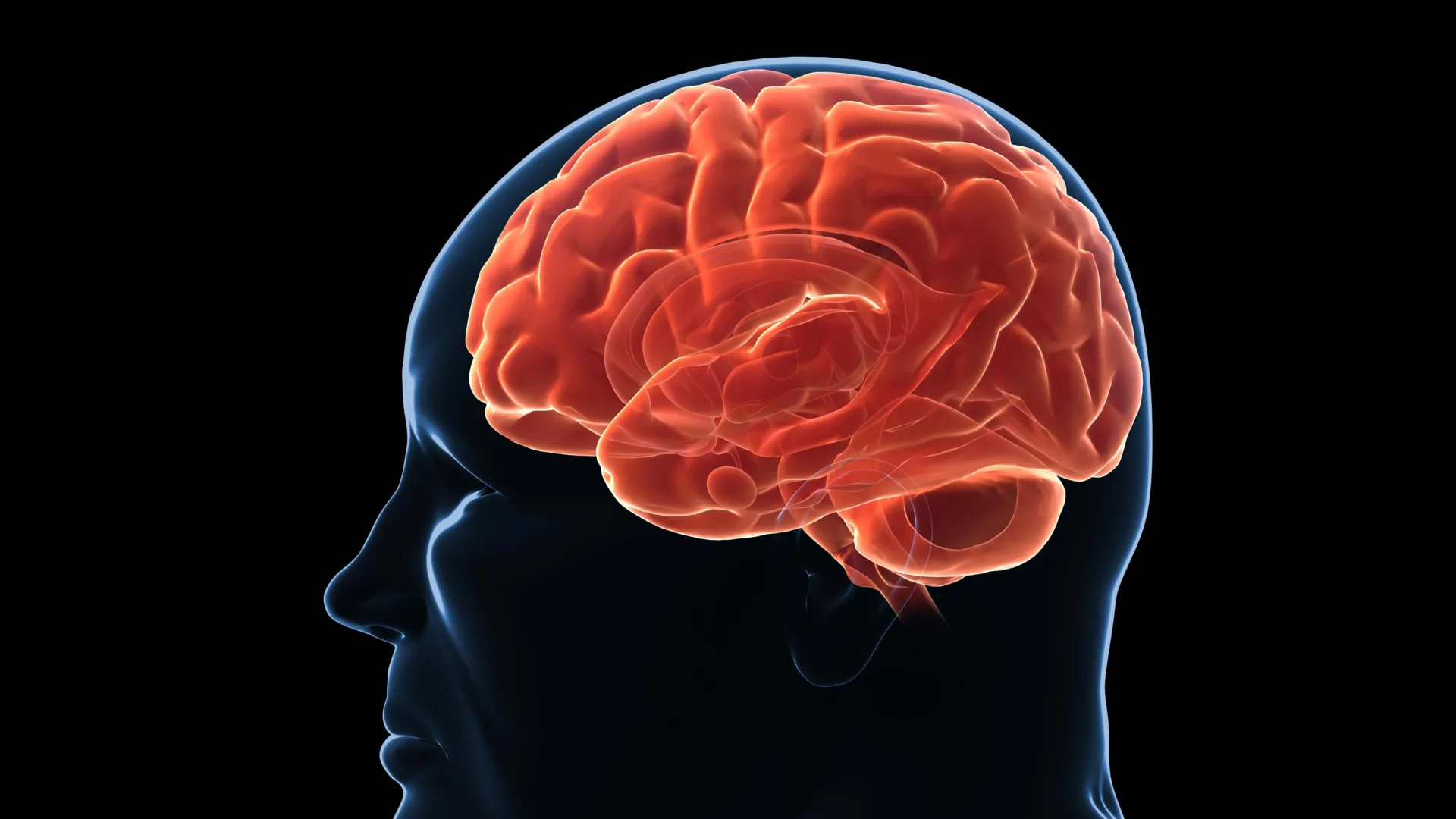
For decades, the public health narrative surrounding obesity has been deceptively simple: weight loss is a matter of willpower, defined by the binary equation of "calories in, calories out." We have been told that if we simply eat less and move more, the weight will inevitably follow. However, modern neuroscience and endocrinology have dismantled this simplistic view, revealing that the struggle to lose weight is not a reflection of moral failing or a lack of discipline, but rather a complex biological defense mechanism wired deep into the human brain.
The Evolutionary Blueprint: Survival at All Costs
To understand the modern obesity epidemic, we must look back hundreds of thousands of years to our early human ancestors. In the prehistoric landscape, survival was precarious. Food was not a constant; it was a fluctuating resource. Consequently, the human body evolved to become an expert at energy conservation.
For early humans, body fat was not a cosmetic concern—it was a literal lifeline. Too little fat meant death during famine; too much could slow a hunter down, making them vulnerable to predators. Over eons, the brain developed a sophisticated, internal "thermostat" for body weight. This system was designed to guard energy reserves with ruthless efficiency.
In a world where food is now abundant and sedentary lifestyles are the norm, these ancient survival mechanisms—once essential for navigating feast-and-famine cycles—have become maladaptive. We are living in a mismatch between our Stone Age biology and our modern environment.
The Chronology of Biological Defiance
The biological resistance to weight loss follows a predictable, defensive pattern once an individual begins to diet. When the body detects a significant reduction in caloric intake, it does not interpret this as a health-conscious decision. Instead, it perceives an existential threat.
- The Trigger: As caloric intake drops, the body initiates a survival cascade.
- The Hormonal Surge: Ghrelin, often dubbed the "hunger hormone," increases significantly, creating persistent, physiological cravings that are nearly impossible to ignore.
- The Metabolic Slowdown: Simultaneously, the body reduces its basal metabolic rate. It becomes more efficient, burning fewer calories to perform the same daily functions.
- The "Weight Memory" Phenomenon: Recent research from Cell suggests that our brains possess a "weight memory." The brain marks the highest weight an individual has reached as the "new normal." When weight is lost, the brain works to restore that weight, treating the loss as a dangerous departure from homeostasis.
This is why, for many, the "yo-yo" effect of dieting is not a failure of character, but a physiological victory for a brain that believes it is successfully preventing starvation.
Supporting Data: The Mechanics of Resistance
The science of weight regulation is rooted in the hypothalamus, the area of the brain responsible for maintaining homeostasis. Studies published in Nature and The Lancet have repeatedly demonstrated that once a person reaches a higher body weight, the brain’s "set point" shifts.
When researchers analyzed individuals who had undergone significant weight loss, they found that even months after the weight was lost, the participants’ hormonal profiles remained in a "starvation state." Their leptin levels (the hormone that signals satiety) remained low, while their hunger signals remained elevated. This data serves as a compelling rebuttal to the idea that weight maintenance is purely a psychological battle. The body is quite literally fighting against the scale.
Hacking Biology: The New Pharmacological Frontier
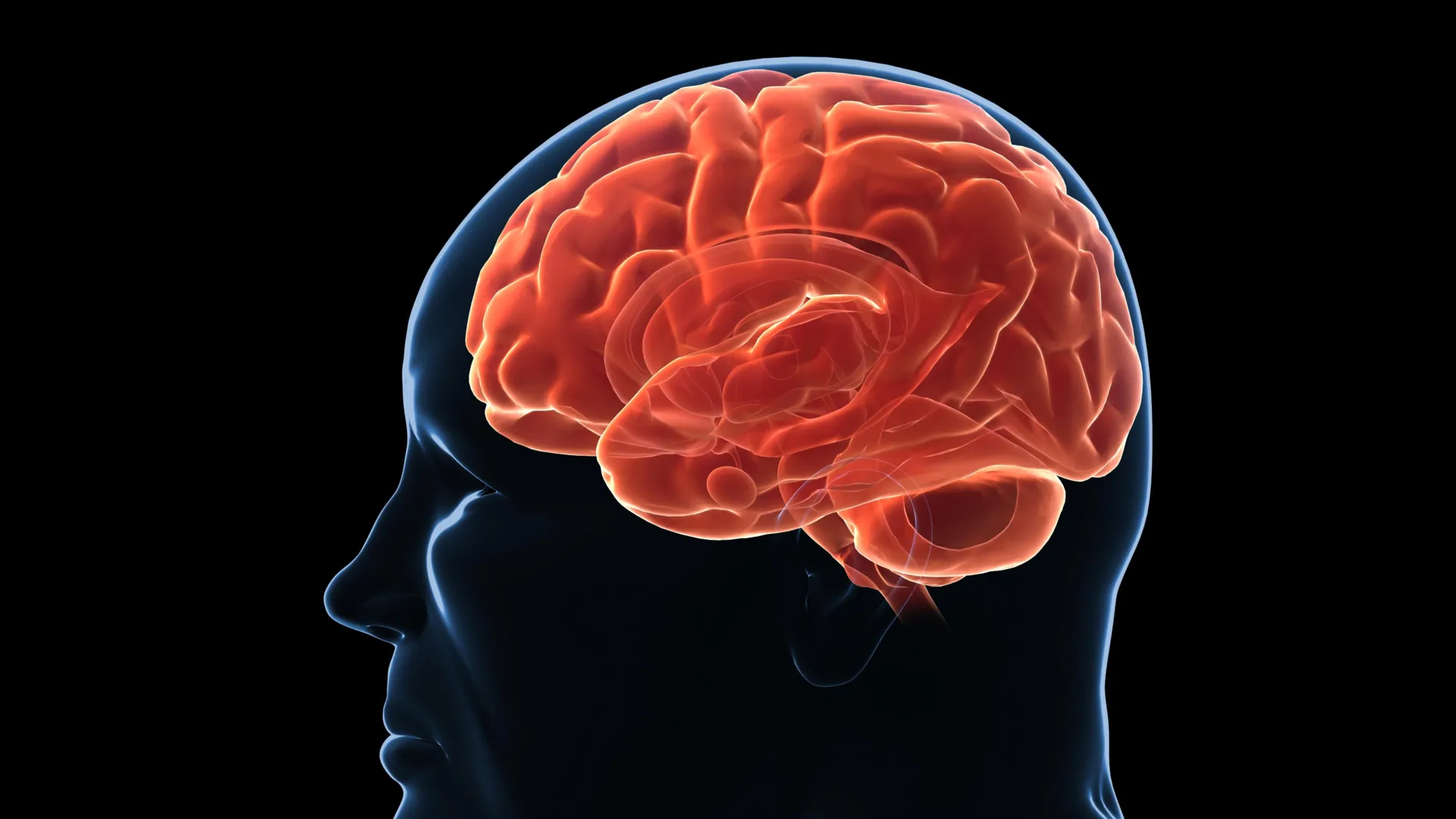
The emergence of GLP-1 receptor agonists, such as Wegovy and Mounjaro, represents a sea change in how medicine approaches obesity. These medications function by mimicking gut hormones that signal fullness to the brain, effectively "hacking" the appetite-regulation system.
However, these drugs are not a panacea. Clinical outcomes vary significantly:
- The Responder Gap: Not every patient experiences weight loss. For some, the biological barriers are rooted in pathways that these specific drugs do not address.
- The Side Effect Profile: Common adverse reactions, including gastrointestinal distress and issues with oral health, have led to high discontinuation rates among some demographics.
- The Rebound Effect: Perhaps most crucially, the current clinical consensus indicates that once the medication is stopped, the body’s "weight memory" often reasserts itself. Without a sustained intervention, the biological drive to return to a higher set point frequently leads to weight regain.
Future research is now pivoting toward "resetting" the set point itself, aiming to develop therapies that can permanently adjust the brain’s target weight rather than merely providing temporary suppression of appetite.
Beyond the Scale: Redefining Health
A critical implication of this new understanding is the need to decouple "health" from "weight." Contemporary research published in the BMJ suggests that metabolic health—characterized by blood sugar stability, cardiovascular function, and inflammation levels—can be drastically improved through lifestyle interventions, even if the scale does not move.
Exercise, adequate sleep, and nutrient-dense nutrition are not merely tools for weight loss; they are independent pillars of metabolic health. Sleep, in particular, has been shown to be a critical regulator of ghrelin and leptin. By prioritizing these habits, individuals can improve their biological markers and quality of life, moving the focus away from a single, often elusive, number on a scale.
A Whole-Society Approach: The Structural Reality
Obesity is not merely an individual condition; it is a societal one. The ubiquity of ultra-processed, hyper-palatable foods and the design of modern urban environments create a "toxic food environment" that makes maintaining a healthy weight an uphill battle for the general population.
Policy Implications:
- Legislative Action: Experts are calling for standardized food labeling, stricter regulations on the marketing of high-calorie/low-nutrient foods to children, and improved access to affordable, whole foods.
- Urban Planning: Designing "walkable" cities that prioritize active transit over vehicle-centric infrastructure has been shown to reduce sedentary behavior on a population level.
- Early Life Intervention: Perhaps the most significant finding is the importance of the "first 1,000 days"—from conception through early childhood. Research indicates that maternal nutrition and early feeding habits establish the foundational architecture of a child’s appetite-regulation system, highlighting the need for systemic support for families.
Conclusion: Shifting the Narrative
The era of blaming individuals for their weight is drawing to a close. We now recognize that the human brain is a formidable opponent, evolved to protect us from a world of scarcity that no longer exists.
Recognizing that obesity is a biological condition—driven by a complex interplay of genetics, neurobiology, and environmental triggers—is the first step toward more effective treatment and public health policy. For those who have struggled to keep weight off, the scientific consensus is clear: it is not your fault. Your body is doing exactly what it was programmed to do by millions of years of evolution.
As we move forward, the focus must shift from individual shame to collective solutions. By combining the precision of modern medicine with systemic environmental changes, we are beginning to rewrite the rules of the game. We are moving toward a future where health is defined not by the rigid enforcement of willpower, but by a supportive environment that allows our biology to thrive in the modern world.