For decades, the medical community operated under a fundamental premise: cancer is a disease of aging. As cells divide over the course of a long life, they accumulate genetic errors, making the development of tumors an almost inevitable outcome of the biological wear and tear associated with senescence. However, a troubling statistical trend is shattering that traditional narrative. Across the globe, cancer diagnoses are surging among younger adults—a demographic once considered low-risk.
This shift has ignited a high-stakes scientific investigation into a provocative, if unsettling, hypothesis: Are younger generations accumulating biological damage more rapidly than their predecessors? A landmark study, recently published in the journal Nature Medicine, suggests that the answer may be yes. Led by researchers at the Washington University School of Medicine in St. Louis, the study provides compelling evidence that modern life may be accelerating the internal "biological age" of younger cohorts, potentially outpacing their chronological age and leaving them more vulnerable to early-onset cancers.
The Discrepancy: Chronological vs. Biological Age
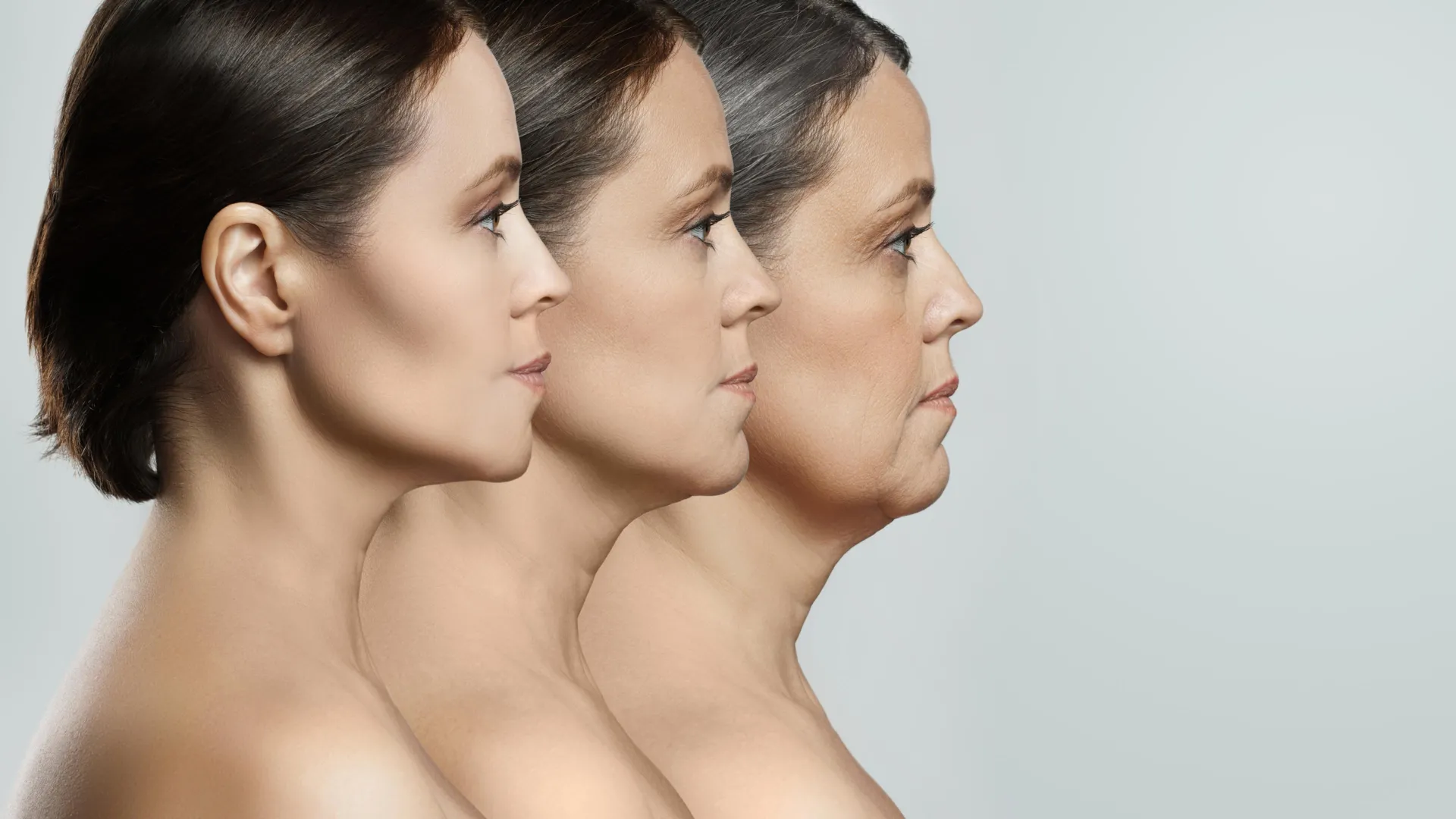
To understand this phenomenon, one must distinguish between the calendar and the cellular clock. Chronological age is a static measure—the simple count of years since birth. Biological age, conversely, is a dynamic reflection of a person’s internal state. It is a composite score derived from the health and efficiency of organs, metabolic processes, and systemic physiology.
The research team, led by Dr. Yin Cao, a molecular epidemiologist and associate professor at WashU Medicine, posits that the widening gap between these two ages is a primary driver behind the rising incidence of cancers diagnosed at age 55 or younger. Their analysis reveals that recent generations exhibit larger discrepancies between their chronological years and their biological health markers. Essentially, younger people are walking around with "older" bodies than those born in previous decades, a trend that appears to be compounding over time.
A Chronology of Investigation: From Risk Factors to Systemic Aging
For years, the medical community attempted to explain the surge in early-onset cancer by looking at isolated lifestyle factors. Researchers identified clear, albeit individual, contributors: the global rise in obesity, metabolic dysregulation, excessive alcohol consumption, increasingly sedentary lifestyles, poor diet quality, and even the rise in cesarean deliveries.
While each of these factors holds a piece of the puzzle, none could independently account for the massive, widespread uptick in diagnoses. Dr. Cao and her colleagues realized that the scope of their investigation needed to shift. Instead of treating these as individual risk factors, they sought a way to measure how these diverse environmental and lifestyle influences converge over time to degrade the body’s systemic integrity.
Supported by the international initiative Cancer Grand Challenges—a partnership co-founded by the National Cancer Institute and Cancer Research U.K.—the team launched an ambitious project to map the biological footprints of aging across massive datasets.
Supporting Data: Analyzing the Modern Body
The study’s findings are rooted in the analysis of two massive health cohorts. The first involved over 154,000 young adults from the UK Biobank, providing a wealth of longitudinal health, biological, and lifestyle data. The second included over 10,000 participants in the United States, drawn from the National Institutes of Health’s (NIH) "All of Us" Research Program.
To quantify biological aging, the team utilized two distinct frameworks:
- Systemic Aging: Using established clinical biomarkers—such as the PhenoAge and Klemera-Doubal Method—the researchers calculated a systemic score based on blood biochemistry, including markers like albumin (liver function) and creatinine (kidney function). They also incorporated a metabolomic age score to track age-related metabolic patterns.
- Organ-Specific Aging: The team analyzed blood proteomic data to measure proteins associated with specific organ systems, allowing them to estimate the "age" of individual systems, such as the lungs or the gastrointestinal tract.
The results were striking. Among UK participants, those born between 1965 and 1974 exhibited systemic aging that was 23% higher than those born between 1950 and 1954, even when controlling for chronological age. The trend was even more pronounced in the U.S. cohort: those born between 1990 and 1999 showed systemic aging that was 92% higher than the cohort born between 1965 and 1969.
These were not merely academic differences; they were statistically linked to disease. The study found that individuals with the most advanced systemic aging faced a 15% increased risk of early-onset solid cancers. Even after accounting for genetic predisposition and inherited cancer risks, the association between accelerated biological aging and the development of tumors—particularly in the lungs, gastrointestinal tract, and uterus—remained robust.
Targeted Vulnerabilities: Organ-Specific Aging
Perhaps most intriguing was the discovery that biological aging is not a uniform process. Certain cancers showed strong correlations with the accelerated aging of specific organ systems. For example, individuals whose immune systems appeared biologically "older" showed a heightened risk of early-onset lung cancer. Similarly, older-appearing adipose (fat) tissue was directly associated with an increased risk of early-onset colorectal cancer. This suggests that the environment is not just "aging" the body as a whole, but is exerting differential pressures on specific biological systems, creating focal points for disease development.
Official Responses and The "PROSPECT" Vision
The implications of this research have not gone unnoticed by the global oncology community. David Scott, PhD, director of Cancer Grand Challenges, emphasized the necessity of this collaborative, large-scale approach. "Right now, we don’t have a definitive answer to what’s driving the rise of early-onset cancers around the world," Scott noted. "But studies like this are helping us piece together the bigger picture, showing that cancer may be influenced not just by changes inside individual cells, but by wider changes happening across the body as a whole."
For Dr. Yin Cao, the findings represent a shift in the philosophy of cancer prevention. "Our ultimate goal is to decode how modern environments become biologically embedded to drive cancer risk," Cao stated. "This brings us closer to identifying risk earlier and developing prevention strategies that are tailored to an individual’s biology."
Future Implications: Toward Personalized Prevention
The potential clinical impact of this research is profound. By identifying biological markers of accelerated aging, healthcare providers could eventually move beyond broad, population-wide screening recommendations. Instead, physicians might be able to identify "high-risk" young adults while they are still healthy, offering them personalized, early-intervention strategies—such as earlier colonoscopies, targeted dietary counseling, or metabolic support—long before a malignancy manifests.
However, the researchers remain cautious. They are now working to isolate which specific environmental and lifestyle triggers are the most potent drivers of this accelerated aging. Is it the ubiquity of processed foods? The chronic stress of modern digital life? The disruption of circadian rhythms? By tracing how these risks accumulate throughout a person’s life, the team hopes to identify the "biological origins" of the early-onset cancer crisis.
As the scientific community continues to digest these findings, one conclusion is clear: the rise in cancer among the young is not merely a statistical anomaly. It is a signal from our biology. The "modern environment" is leaving a permanent, measurable mark on our cellular machinery. Understanding how to interpret these marks may be the key to reversing the trend, transforming cancer care from a reactionary battle against tumors into a proactive management of biological vitality.
The era of personalized, biological-age-based prevention is still in its infancy, but for the millions of young adults currently navigating an increasingly complex health landscape, the work of Team PROSPECT offers a vital roadmap toward a healthier future.