





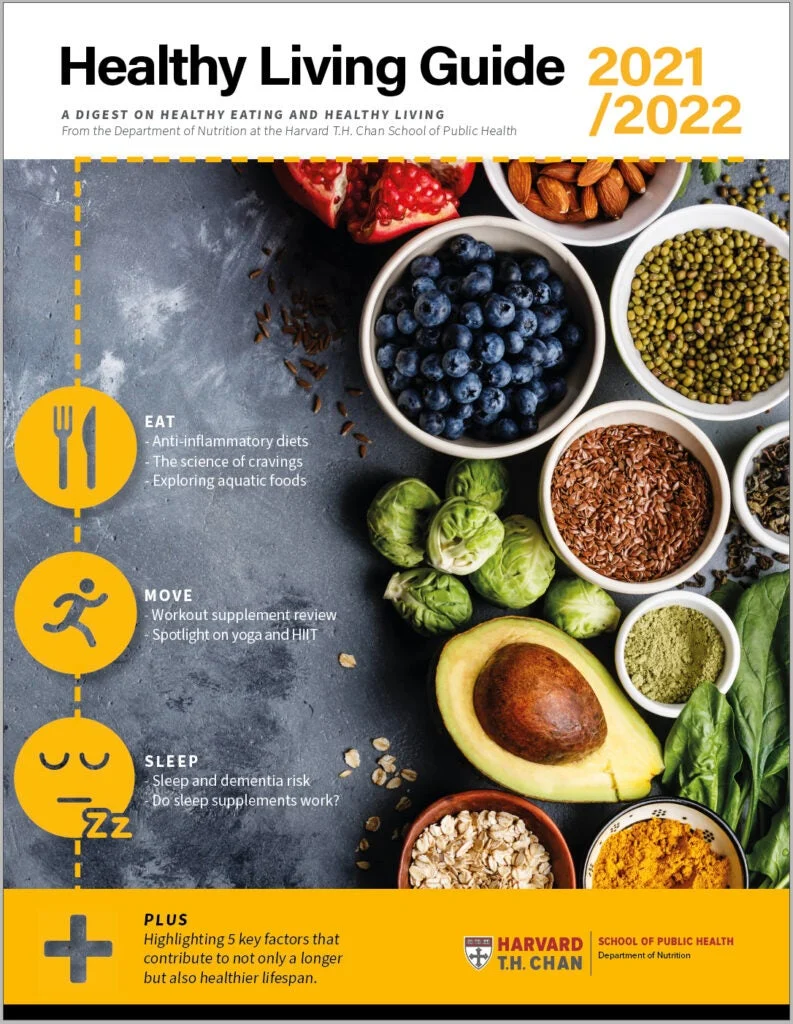
As the global community moves further away from the acute phase of the COVID-19 pandemic, the "new normal" has become a fluid concept. It is a landscape defined by the remnants of 2020’s abrupt shifts, tempered by the gradual return of pre-pandemic routines. For many, this period of transition has prompted a critical re-evaluation of personal health, dietary habits, and the foundational pillars of well-being. To assist in this navigation, the Harvard T.H. Chan School of Public Health has released its latest Healthy Living Guide, providing a research-backed roadmap for those seeking to optimize their health amidst ongoing uncertainty.
Main Facts: The Evolving Landscape of Public Health
The core mission of the Healthy Living Guide is to distill complex nutritional and lifestyle research into actionable daily practices. In an era where health information is often fragmented or contradictory, the guide serves as a beacon, emphasizing the "holy trinity" of wellness: balanced nutrition, consistent physical activity, and restorative sleep.
The guide arrives at a pivotal moment. The pandemic did more than disrupt supply chains and social norms; it fundamentally altered how we interact with food. For many, the kitchen became a sanctuary of sourdough starters and home-cooked meals during the 2020 lockdowns. However, as the world reopened, the data suggests a retreat from these habits. The Healthy Living Guide seeks to bridge the gap between the frantic, stress-induced dietary habits of the early pandemic and a sustainable, long-term approach to metabolic and mental health.
Chronology: A Timeline of Behavioral Shifts (2020–2022)
Understanding where we are requires a look at where we have been. The trajectory of American eating habits over the past two years offers a fascinating study in behavioral adaptation:
- 2020 (The Lockdown Era): Faced with stay-at-home orders, consumer behavior shifted dramatically toward home-centric activities. According to surveys conducted by the International Food Information Council (IFIC), 60% of Americans reported cooking at home more frequently. Concurrently, anxiety and lifestyle changes led to 32% of people snacking more and 20% reporting an increase in total caloric intake, driven by emotional eating and sedentary living.
- 2021 (The Transition Year): As restrictions eased, a "rebound" effect occurred. The percentage of Americans reporting increased snacking dropped to 18%, and the trend of overeating leveled off to 11%. However, this was accompanied by a decline in home cooking—down to 47%—as the convenience of dining out and prepared meals returned to the forefront of daily life.
- 2022 (The Integration Phase): The focus shifts toward institutionalizing the positive habits learned during the pandemic while discarding the harmful coping mechanisms. The current Healthy Living Guide is positioned as a resource for this phase, urging individuals to reclaim the culinary autonomy of 2020 without the associated stress, and to integrate exercise back into a hybrid-work reality.
Supporting Data: Understanding Consumer Trends and Disparities
Data from the 2021 Food & Health Survey provides a nuanced view of the current landscape. While the shift away from lockdown snacking is objectively positive, the decline in home cooking is a point of concern for nutritionists. Home-cooked meals are statistically associated with higher intake of fruits, vegetables, and whole grains, and lower intake of ultra-processed foods, added sugars, and sodium.
Furthermore, the data underscores a sobering reality: food security remains a significant point of divergence in the United States and globally. The pandemic exacerbated existing inequalities, with lower-income households facing significant barriers to accessing fresh, nutrient-dense food. The Healthy Living Guide acknowledges these systemic hurdles, emphasizing that while individual choice is important, health is deeply tied to social and economic stability.
Globally, the picture remains complicated by the pandemic’s uneven progression. The emergence of new variants serves as a perpetual reminder that health is not merely an individual pursuit but a collective one. The guide emphasizes that global public health—specifically the urgent need for equitable vaccine distribution in low- and lower-middle-income countries—is inextricably linked to the stability of our own "new normal."
Official Perspectives: The Pillars of Well-Being
The Harvard Healthy Living Guide focuses on three primary pillars that are frequently neglected in the rush of modern life:
1. Nutrition as Fuel, Not Just Calories
The guide moves beyond the outdated "calories-in, calories-out" model, focusing instead on the quality of nutrients. It advocates for the "Healthy Eating Plate" philosophy: prioritizing healthy fats, whole grains, and diverse plant proteins. The emphasis is on dietary patterns that lower the risk of chronic diseases such as Type 2 diabetes and cardiovascular disease, which were shown to be significant risk factors for severe COVID-19 outcomes.
2. Physical Activity: Movement as Medicine
In a work-from-home era, physical activity has often been relegated to "extra time" rather than an essential component of the day. The guide provides updated research on the efficacy of "exercise snacks"—short, high-intensity bursts of movement—which have been shown to be effective for individuals who cannot carve out hour-long blocks for the gym.
3. The Science of Sleep
Perhaps the most overlooked factor in the pandemic era has been the decline in sleep hygiene. Stress, increased screen time, and blurred work-life boundaries have led to a "sleep crisis." The guide offers evidence-based strategies for improving sleep architecture, noting that adequate rest is essential for immune function, cognitive clarity, and emotional regulation.
Implications: Moving Toward a Healthier Future
The release of this guide is not merely an academic exercise; it is an invitation to take agency over our health in a world that often feels outside of our control.
Bridging the Gap
The implications for public health are clear: we must translate individual knowledge into systemic change. If home cooking rates are dropping, how can public health messaging make healthy cooking more accessible and less time-consuming? If vaccination rates remain stagnant, how can we better address the root causes of vaccine hesitancy?
The Role of Technology and Education
The Healthy Living Guide includes interactive elements, such as quizzes and printable tip sheets, designed to engage users directly. By leveraging digital platforms, the initiative aims to make nutritional literacy a household standard rather than a niche interest. The inclusion of links to ongoing research allows the user to explore topics in-depth, fostering a "lifelong learner" approach to health.
Addressing the Mental Health Component
It is impossible to discuss healthy living without addressing the mental toll of the past two years. The Healthy Living Guide implicitly recognizes that diet and exercise are not just physical interventions—they are therapeutic ones. By improving the quality of our diet and the consistency of our sleep, we build the physiological resilience necessary to cope with the "twists and turns" of the ongoing pandemic.
Conclusion: An Invitation to Action
As we settle into the realities of 2022 and beyond, the message from the Harvard T.H. Chan School of Public Health is one of empowerment. While we cannot control the emergence of variants or the fluctuations of the global economy, we can control the contents of our plates, the frequency of our movement, and the quality of our rest.
The Healthy Living Guide acts as more than a static document; it is a living resource. By revisiting the core themes of the previous year’s guide and updating them with the latest research, the school provides a continuum of care that respects the complexity of our modern lives.
Readers are encouraged to download the full PDF, utilize the printable tip sheets for their families, and participate in the knowledge assessments provided. By doing so, we not only improve our own health metrics but contribute to a more resilient, well-informed, and healthier society. In a world that is constantly changing, the pursuit of health remains our most stable and worthwhile endeavor.
To access the full resources mentioned, including the printable Healthy Living Guide (PDF) and the interactive knowledge assessments, please visit the Harvard T.H. Chan School of Public Health’s The Nutrition Source website.