







The adage "you are only as old as you feel" has long been a comforting sentiment, but in the realm of modern sports science and longevity research, it is increasingly viewed as a physiological reality. As we navigate our sixties and beyond, the objective measure of "youth" is no longer found in the reflection of a mirror, but in the mechanical efficiency of our bodies. Maintaining functional independence—the ability to perform daily tasks like climbing stairs, carrying groceries, or rising from a chair without assistance—is the ultimate benchmark for a high quality of life.
To gain expert insight into how one can gauge their "biological age," we consulted with Jacob Siwicki, founder of Siwicki Fitness. A former Dartmouth football player and an elite-tier fitness expert recognized for his tenure at Equinox and his contributions to FOX 5 DC, Siwicki specializes in movement patterns that dictate long-term physical autonomy. According to Siwicki, the secret to aging well lies not in cardiovascular endurance—which can be rebuilt relatively quickly—but in the foundational pillars of strength, balance, and mobility, which erode slowly and require years to restore.
The Core Philosophy: Why Functional Strength Matters
The decline of physical capacity is not an inevitability of aging, but rather a consequence of disuse. Siwicki emphasizes that the four tests outlined below measure the exact qualities that drop most precipitously with age: full-body strength, proprioception (the body’s ability to sense its position in space), hip and shoulder mobility, and grip strength.
"Endurance is intentionally not on this list," Siwicki explains. "You can build endurance at any age in a matter of weeks. However, the qualities I’ve selected take years to lose and years to rebuild. They are the most accurate markers of biological youth."
When these systems fail, the result is a loss of agency. By testing these movements, individuals can identify gaps in their physical foundation and implement corrective training before those gaps become liabilities.
1. The Brazilian Sit-Rise Test: The Gold Standard for Mobility
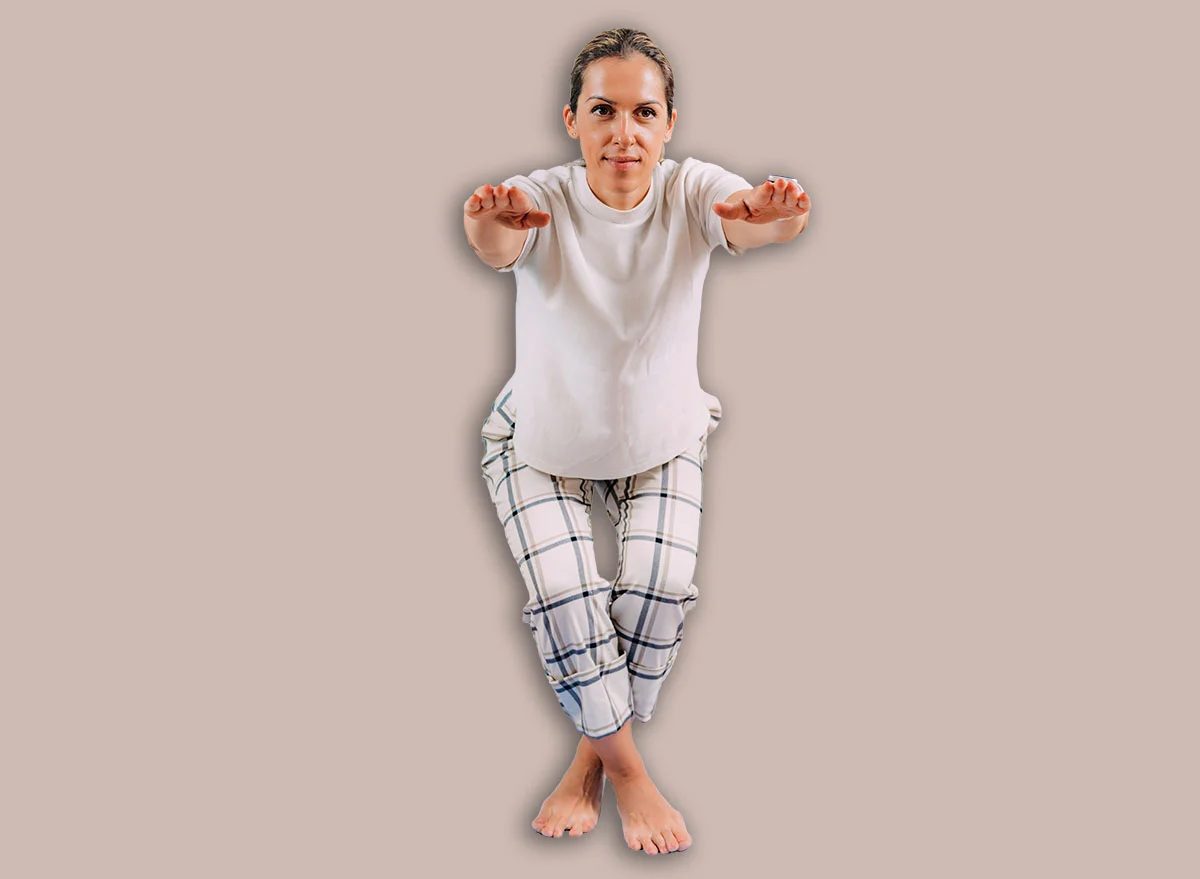
Perhaps the most famous indicator of longevity, the Brazilian Sit-Rise Test is a comprehensive assessment of musculoskeletal fitness. It evaluates the ability to transition from a standing position to sitting on the floor and standing back up without the use of hands, knees, or elbows for support.
The Mechanics of the Test
The test is scored on a point system. You begin with 10 points. For every body part you use for support (a hand, a knee, a forearm), you lose one point. If you lose your balance, half a point is deducted.
Why It Matters
Siwicki notes that anyone over 60 who scores an 8 or higher possesses a level of full-body mobility, coordination, and strength that many 30-year-olds have already lost. The test requires a seamless integration of core stability, hip flexibility, and lower-body power. If you find yourself struggling to rise from the floor, it is a clear signal that your hip and core engagement requires immediate attention.
2. Single-Leg Balance with Eyes Closed: Testing the Nervous System
Balance is often taken for granted until it begins to falter, which is the leading cause of falls and injuries in the aging population. While many can balance on one leg with eyes open, removing visual input shifts the entire burden of stability to the inner ear and the proprioceptive system.
The Challenge
To perform this test, stand on one leg and close your eyes. The goal is to hold the position for 30 seconds. Most individuals in their sixties typically struggle to maintain this for more than 5 to 10 seconds.
The Expert Perspective
"Closing the eyes removes the visual stabilizer and forces the inner ear and proprioception system to do all the work," says Siwicki. "Holding 30 seconds means the nervous system is still calibrated to a much younger baseline." This test is essentially a diagnostic tool for your brain-to-body connection. If you cannot hit the 30-second mark, your nervous system is essentially operating on a "lag," increasing your risk of stumbles during everyday activities.
3. Full Pushups: The Upper-Body Strength Diagnostic
The pushup is the quintessential measure of upper-body strength. However, the form is critical. Siwicki insists on "full" pushups—performed with the toes on the ground and the body in a rigid plank—rather than knee-based variations.
Why Knee Variations Fall Short
While knee pushups are often recommended for beginners, they remove the necessary core demand that makes the pushup a functional exercise. "Full pushups are a true upper-body strength test," Siwicki explains. "The variation matters because knee pushups remove too much of the core demand to be diagnostic."
Implications for Aging
As we age, we naturally lose muscle mass (sarcopenia). The ability to push one’s own body weight is essential for maneuvers such as pushing off a chair, catching oneself during a trip, or reaching for high shelves. If you cannot complete a set of full pushups, it indicates a lack of functional upper-body load-bearing capacity that needs to be addressed through progressive resistance training.
4. The Dead Hang: Grip Strength and Shoulder Integrity
Grip strength is frequently cited in clinical research as one of the most reliable predictors of all-cause mortality. It is not just about the strength of your hands; it is a proxy for overall systemic health and muscular density.
The Test
The dead hang involves gripping a pull-up bar and suspending the body, keeping the shoulders engaged and the core braced. The goal for a 65+ individual is to maintain this hold for 30 seconds.
Why It Is a Longevity Marker
"The hang tests shoulder integrity, scapular stability, and core engagement under load," says Siwicki. "If someone can hang for 30 seconds at 65+, their upper body is functionally intact." A failure to hold this position often points to a lack of grip strength, which is directly linked to frailty, or impingements in the shoulder girdle that could limit range of motion later in life.
Implications: Building Your Roadmap to Youth
The objective of these tests is not to induce stress or anxiety about the aging process, but to provide a "check-engine light" for your physical health. If you find these movements challenging, you are not failing; you are simply identifying the specific areas that require your focus.
Integrating These Movements into Your Routine
- Consistency over Intensity: You do not need to train like an athlete to see results. Incorporating these movements into your daily routine—practicing your balance while brushing your teeth, or performing controlled sit-to-stand repetitions—will yield cumulative benefits.
- Progressive Overload: If you cannot perform a full pushup, start with an incline pushup against a sturdy wall or countertop. As you gain strength, move to a lower surface until you are eventually on the floor.
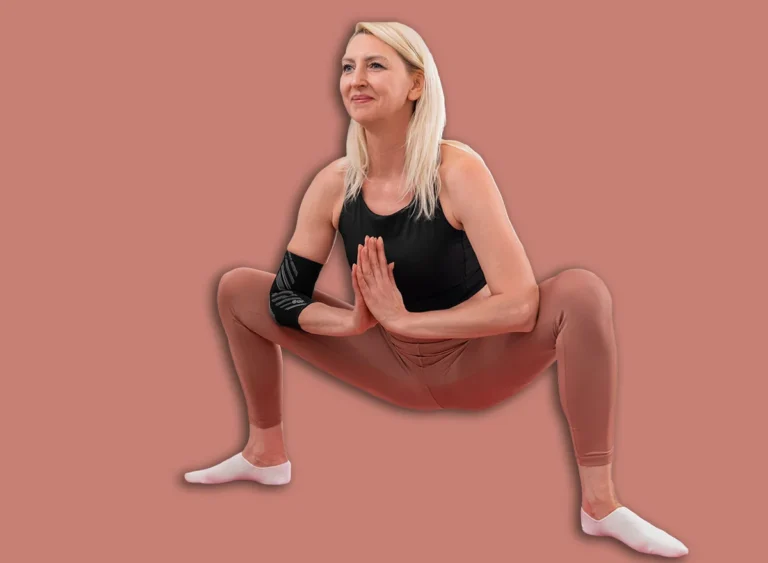
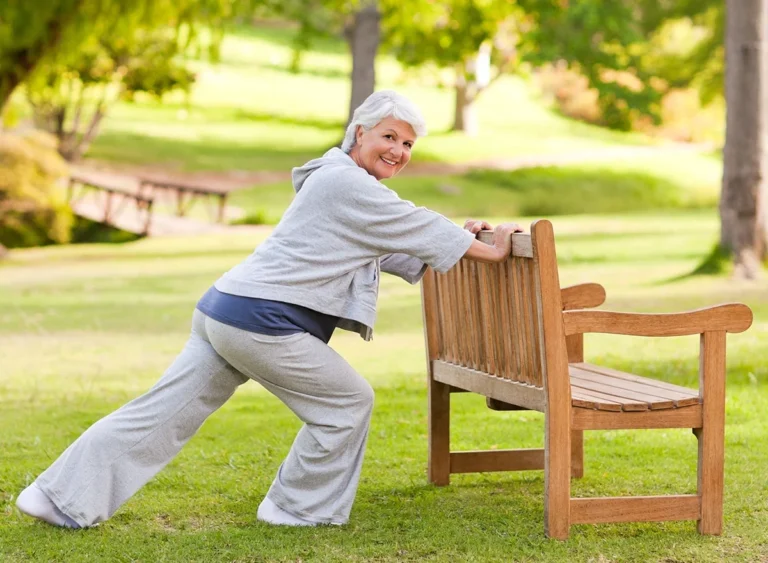
- Prioritize Mobility: Use the Brazilian Sit-Rise Test as a motivator to improve your hip flexibility. Incorporating daily stretching for the hips and shoulders will not only improve your test scores but will also alleviate the chronic aches and pains that often accompany a sedentary lifestyle.
Final Thoughts
Aging is a journey that none of us can escape, but the rate at which we age is largely within our control. By treating the body as a machine that requires regular maintenance and calibration, we can ensure that our sixties, seventies, and beyond are defined by vitality rather than limitation.
If you can pass these four tests, keep doing exactly what you are doing—you are maintaining a biological profile far younger than your chronological age. If you struggle, consider this your invitation to start a new chapter of physical refinement. The work you put in today will pay dividends in your independence and quality of life for years to come.