








By Rachael Robertson, Enterprise & Investigative Writer
November 23, 2026
In the digital age, the pursuit of aesthetic perfection has transcended the gym and the mirror, migrating into the realm of radical dietary experimentation. A growing cohort of young men is turning to the internet-fueled phenomenon known as "looksmaxxing"—a catch-all term for efforts to optimize one’s physical attractiveness through intensive exercise regimens, specialized supplementation, and extreme dietary protocols.
However, as these young men trade balanced nutrition for meat-heavy, "carnivore-style" diets in a bid to pack on muscle and define their jawlines, a shadow has fallen over the trend. Clinicians are sounding the alarm: this quest for aesthetic superiority is driving a surge in cases of gout, a painful, inflammatory arthritis once historically dismissed as the "disease of kings."
Welcome to Culture Clinic, MedPage Today’s collaboration with Northwell Health to offer a healthcare professional’s perspective on the latest viral medical topics.
The Intersection of Aesthetics and Inflammation: Main Facts
At the core of the concern is the "carnivore diet," a nutritional regimen that prioritizes red meat, organ meats, and game while largely eschewing fruits, vegetables, and fiber. Proponents of looksmaxxing often gravitate toward these high-protein, high-fat diets, believing they are the "cleanest" way to achieve a lean, muscular physique.
The physiological trade-off, however, is significant. Red meats are dense in purines—naturally occurring chemical compounds that the body breaks down into uric acid. Under normal circumstances, the kidneys filter uric acid from the bloodstream. However, when the intake of purine-rich foods exceeds the body’s excretory capacity, uric acid levels spike, leading to hyperuricemia. This excess acid crystallizes in the joints, creating sharp, needle-like structures that trigger the agonizing inflammation characteristic of gout.
"From a high-red meat diet, you get an increase in purines, which can ultimately lead to the uric acid buildup, which can then become crystals in the joints," explains Adam Bitterman, DO, chairman of the department of orthopedic surgery at Northwell’s Huntington Hospital in New York. "This leads to the pain, swelling, inflammation, and ultimately the inflammatory arthropathy we recognize as gout."
A Historical Shift: The Chronology of an Emerging Crisis
Historically, gout was associated with wealthy, older men who indulged in rich, purine-heavy diets—hence the moniker "disease of kings." For centuries, it was a condition rarely seen in the youth. However, the last three decades have witnessed a demographic shift that has puzzled and concerned rheumatologists and orthopedic surgeons alike.
A 2025 study published in PLoS One provided hard data to back these anecdotal observations. The research, which tracked health trends from 1990 to 2021, revealed that the prevalence of gout among individuals aged 15 to 44 rose from 194.23 to 245.07 per 100,000.
While the study period concludes just as the term "looksmaxxing" began to dominate social media algorithms, the correlation is impossible to ignore. The timeline mirrors the rise of "bro-science" health influencers and the glorification of restrictive, high-protein diets on platforms like TikTok and Instagram. As these platforms have encouraged young men to bypass professional dietary advice in favor of influencer-led regimes, the incidence of metabolic and inflammatory disorders has climbed in lockstep.
Supporting Data: Understanding the Purine Load
The science of gout is rooted in chemistry. Purines are found in almost all living cells, but they are concentrated in specific "looksmaxxing" staples: red meat, organ meats (liver, kidneys), game meat, certain types of shellfish, and even certain alcoholic beverages.
When a young man replaces his traditional diet with a "carnivore-only" protocol, he is essentially overloading his metabolic pathways. Dr. Bitterman emphasizes that while there isn’t a singular "cut-and-dry" threshold for purine intake that triggers a gout flare, the accumulation effect is cumulative.
"We aren’t just talking about a single steak," says Bitterman. "We are talking about a cumulative, daily, high-intensity intake that doesn’t allow the kidneys to catch up."
Furthermore, the "looksmaxxing" community often ignores the role of hydration and fiber, both of which are critical for renal health and the excretion of waste products. By focusing exclusively on protein intake for muscle hypertrophy, they inadvertently disable the body’s natural defenses against uric acid buildup.
Clinical Perspectives: Diagnosing the "Modern" Patient
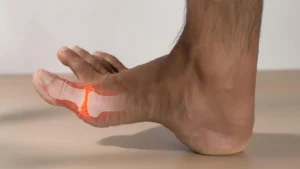
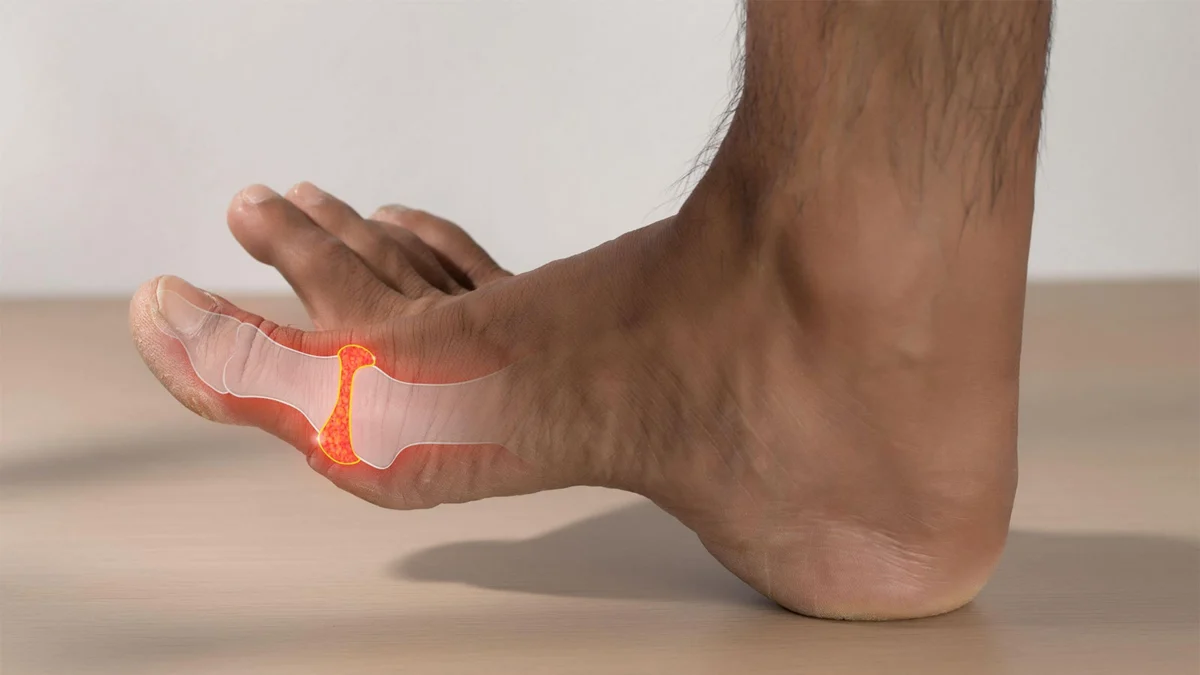
Gout typically presents as acute, intense pain—a "red, hot, swollen" sensation, most frequently in the metatarsophalangeal joint of the big toe. However, the clinical manifestation is evolving. Surgeons are now seeing younger patients presenting with inflammation in the ankles and knees—areas that are under high stress during the intensive resistance training favored by looksmaxxing enthusiasts.
The Diagnostic Challenge
Because gout can mimic a bacterial infection, the diagnostic process is rigorous. Dr. Bitterman notes that patients often arrive in the office assuming they have suffered a sports injury or an infection.
"Gout can absolutely mimic an infection," Bitterman says. "We need to rule out fractures via X-rays. For more definitive answers, we utilize dual-energy CT scans and MRIs, which can actually visualize the uric acid crystal deposits within the joint space. We also perform a full physical and blood work to ensure there isn’t a systemic infection."
Treatment Modalities
For the early-stage patient, the intervention is often lifestyle-based. If a patient is willing to modify their diet—cutting out the excessive red meat and incorporating plant-based alternatives—the symptoms often resolve. However, if the inflammation is acute, medical intervention is necessary.
- Pharmacological Management: Initial treatment often involves anti-inflammatories like colchicine, ibuprofen, or naproxen sodium. For more severe flares, doctors may employ steroid strategies, such as methylprednisolone or prednisone tapers.
- Long-term Maintenance: For patients with chronic hyperuricemia, urate-lowering medications like allopurinol are the standard of care to keep blood levels in check and prevent future crystal formation.
Surgical Implications: When Maintenance Fails
While many cases of gout can be managed through lifestyle and medication, the "looksmaxxing" crowd often pushes their bodies to the breaking point before seeking help. In severe, neglected cases, the damage to the joints can be permanent.
"If the buildup of crystals becomes so severe, it can lead to a ‘toothpaste’ accumulation inside the joint that needs to be drained or washed out," Dr. Bitterman explains.
In these scenarios, surgeons must perform an evacuation of the tophi (the crystalline deposits). This involves making small incisions in the skin overlying the joint and using either an arthroscopic or open surgical approach to clear the debris. While this provides significant, immediate relief, it is a sign that the patient has failed their maintenance protocol.
"If gout reaches a level where surgery is required, you have to go back to the drawing board with your rheumatologist or primary care physician," Bitterman warns. "Surgery is a symptom of a much larger, systemic failure of management."
The Social Media Reckoning
Despite the clinical risks, the allure of the "looksmaxxing" subculture remains strong, driven by the pressure to meet impossible beauty standards. However, a sub-movement is beginning to emerge on social media: young men who have been diagnosed with gout are now using their platforms to warn others.
These peer-to-peer warnings act as a necessary counterbalance to the influencers who promote "meat-only" diets as the pinnacle of health. They share photos of their swollen joints and stories of their agonizing recovery periods, urging their peers to prioritize long-term health over short-term aesthetic gains.
Conclusion: A Call for Balance
The "looksmaxxing" phenomenon highlights a broader societal issue: the dangerous disconnect between online aesthetic trends and fundamental human biology. While the desire to improve one’s health and appearance is not inherently negative, the methods being adopted by young men—specifically the extreme, purine-heavy diets—are setting a generation up for chronic, painful, and potentially debilitating inflammatory disease.
As Dr. Bitterman notes, the key to avoiding the "disease of kings" is not necessarily total restriction, but rather moderation and an understanding of one’s own metabolic limits. For those currently engaged in intensive dietary protocols, the message from the clinical community is clear: if you are experiencing sudden, sharp joint pain, do not wait for it to pass. The cost of "looksmaxxing" may be higher than any of them expected, and it is a price that may be paid in the currency of long-term joint health.