




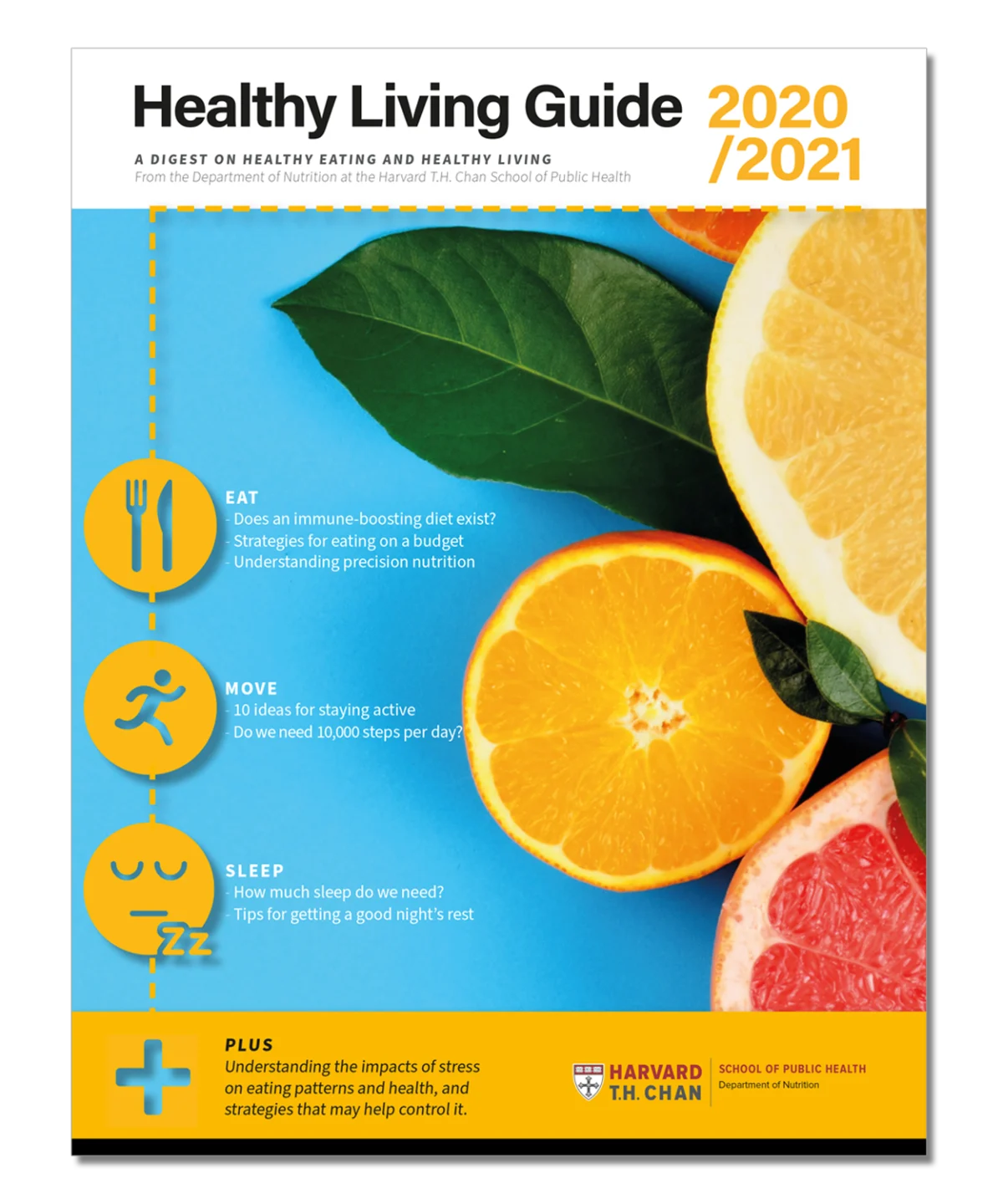
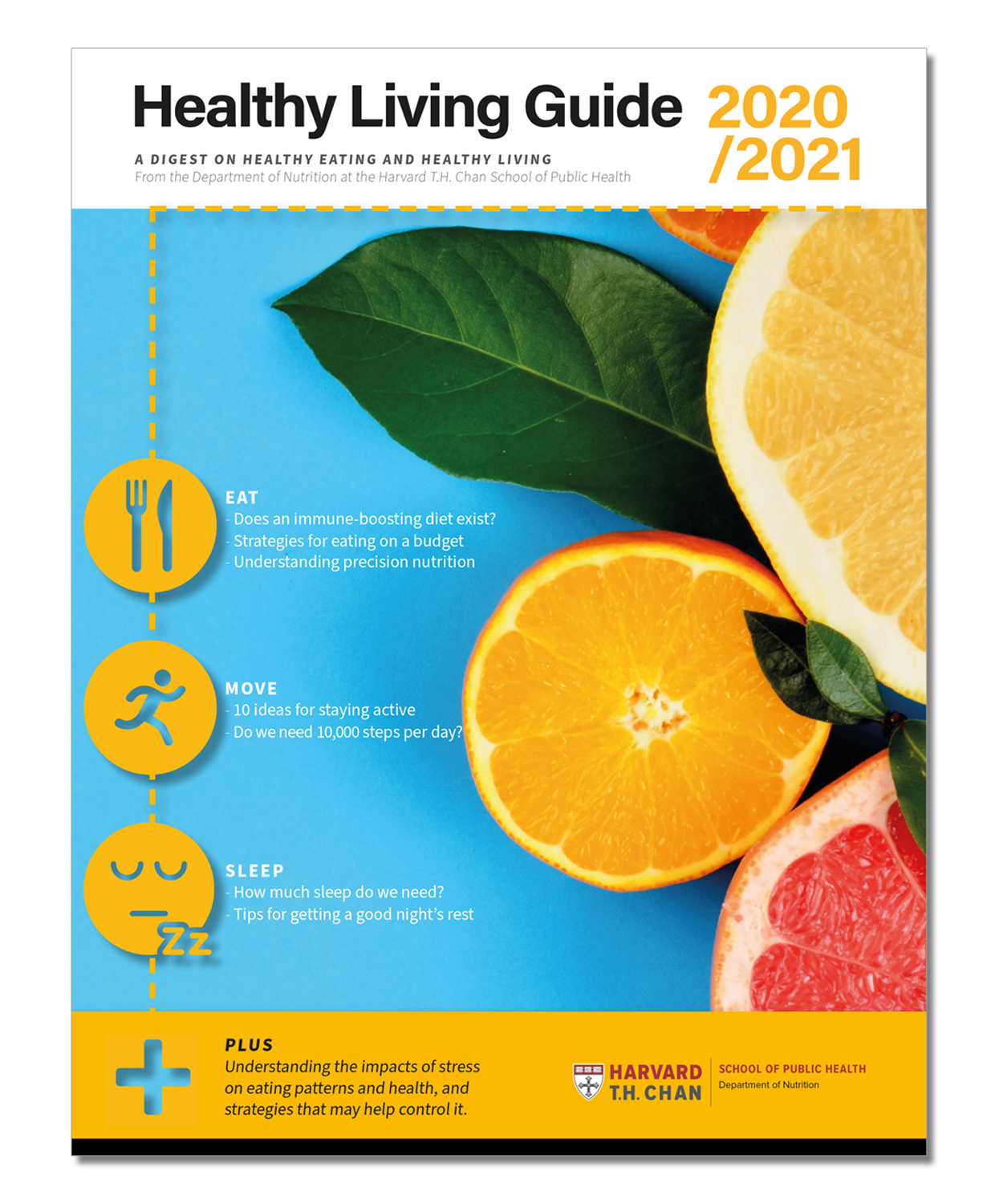
In an era defined by global health challenges and shifting social landscapes, the fundamental principles of human wellness have never been more critical. As we navigate the lingering effects of the global pandemic—a period that disrupted food access, economic stability, and emotional equilibrium for millions—the medical community is doubling down on a core tenet: the power of individual agency through lifestyle modification. A comprehensive new initiative, the "Healthy Living Guide," serves as both a practical manual and a scientific reminder that the choices we make today dictate the trajectory of our health decades into the future.
Main Facts: The Pillars of a Longer, Healthier Life
While the COVID-19 pandemic introduced unprecedented variables into our daily routines, the scientific consensus on human health remains remarkably consistent. There is currently no "magic bullet" in the form of a specific diet to prevent viral infections; however, the robustness of our immune system is directly tethered to our baseline health.
Research conducted by leading health institutions, including the Harvard T.H. Chan School of Public Health, has identified five non-negotiable pillars that define a healthy lifestyle. These are not merely suggestions for fitness enthusiasts, but rather evidence-based strategies that drastically alter life expectancy and the quality of those years:
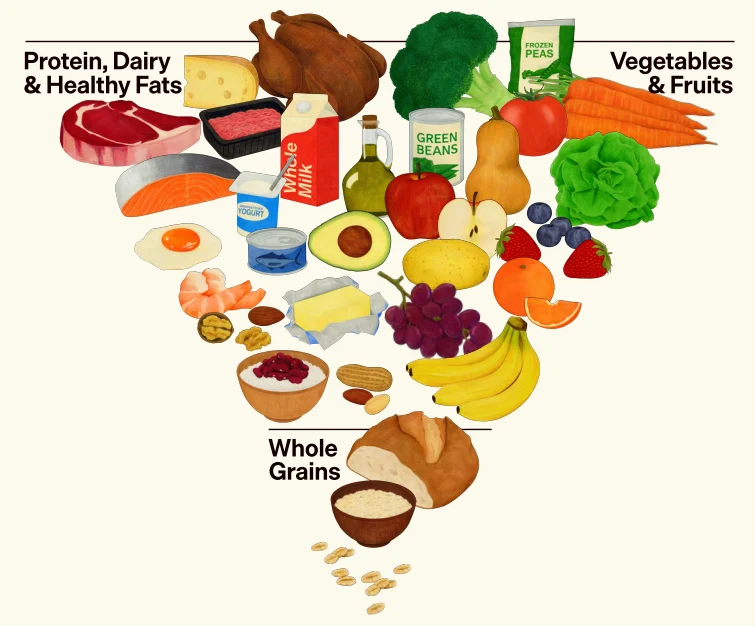
- A Nutrient-Dense Diet: Prioritizing whole foods—vegetables, fruits, whole grains, and healthy fats—while minimizing processed sugars and trans fats.
- Regular Physical Activity: Engaging in consistent movement that challenges the cardiovascular system and maintains muscle mass.
- Weight Management: Maintaining a body mass index (BMI) within a healthy range to mitigate systemic inflammation.
- Moderation in Alcohol Consumption: Limiting intake to reduce the burden on liver function and systemic health.
- Tobacco Abstinence: Avoiding smoking, which remains the leading preventable cause of death globally.
Adhering to these five habits is not just about avoiding early mortality; it is about extending the "healthspan"—the number of years lived in good health, free from the burden of chronic disease.
Chronology: From Crisis to Proactive Wellness
The journey toward this holistic approach to health has been accelerated by the events of 2020 and 2021. When the pandemic first emerged, the world was forced into a state of reactive health management—focusing on sanitation, masks, and social distancing.
As the months turned into years, the focus of public health shifted from immediate crisis mitigation to long-term resilience. The realization set in that those with underlying conditions—many of which are lifestyle-related—were disproportionately affected by the virus. This realization prompted health experts to pivot toward a more proactive strategy.
The creation of the Healthy Living Guide was a direct response to this need. By late 2020, as the world braced for a prolonged recovery, experts recognized that the public needed more than just clinical advice; they needed accessible, actionable, and scalable strategies to manage stress, nutrition, and fitness from the confines of their homes. This period marked a transition in public health messaging: moving away from fear-based warnings and toward empowerment-based health education.
Supporting Data: The Science of Living Longer
The correlation between these five habits and longevity is not anecdotal; it is deeply rooted in longitudinal data. Studies analyzing tens of thousands of individuals over several decades have yielded staggering results.
The Longevity Dividend
Individuals who consistently practice all five of the identified healthy habits have been shown to live more than a decade longer than those who adhere to none. This "longevity dividend" is a testament to the cumulative effect of small, daily decisions.
The "Healthspan" Advantage
Perhaps more important than the length of life is the quality of that life. Data indicates that individuals who adopt these habits by middle age significantly delay the onset of, or entirely avoid, the "big three" chronic killers: type 2 diabetes, cardiovascular disease, and cancer.
For instance, the data suggests that for women who follow these habits, the risk of developing cardiovascular disease drops significantly, and for men, the prevention of type 2 diabetes becomes much more attainable. By focusing on these five pillars, the body’s metabolic, inflammatory, and immune responses are optimized, effectively keeping chronic diseases at bay for years, or even decades, longer than the general population.
Official Responses and Expert Perspective
The medical establishment has been vocal about the necessity of this transition. Public health officials emphasize that while systemic policy and medical infrastructure are vital, the "last mile" of health outcomes happens in the kitchen, the gym, and the home.
"During these particularly uncertain times," the authors of the Healthy Living Guide note, "we invite you to do what you can to maintain a healthy lifestyle." The tone from the scientific community is one of compassion rather than judgment. They acknowledge that systemic barriers—such as food deserts, economic instability, and high stress—make healthy living difficult for many.
The official response is to advocate for "micro-habits." Instead of demanding radical, overnight transformations, the current medical advice focuses on sustainable changes: trying one new healthy recipe a week, incorporating a 20-minute walk into the daily schedule, or finding a fulfilling hobby that reduces cortisol levels. The goal is to build psychological resilience alongside physical health.
Implications: The Path Forward
The implications of this research are profound for both the individual and the public health system.
For the Individual
The takeaway is one of immense hope. The power to influence one’s health future is not solely in the hands of pharmaceutical companies or genetic destiny. It is, in large part, an individual choice. By gamifying healthy habits—such as the "Healthy Living Bingo Challenge" included in the new guide—individuals can turn the daunting prospect of "lifestyle change" into a series of manageable, rewarding actions.
For Society
If a larger percentage of the population adopted these five habits, the burden on global healthcare systems would decrease significantly. Chronic diseases, which account for the vast majority of healthcare spending, could be curtailed, freeing up resources to focus on acute care and medical innovation.
The Psychological Component
The Healthy Living Guide also addresses the "hidden" aspect of health: mental well-being. By emphasizing hobbies, enjoyment, and stress management, the guide acknowledges that physical health cannot be separated from emotional health. In a post-pandemic world, where anxiety and isolation have become common, these lifestyle pillars serve as a buffer, providing a sense of control in an uncontrollable world.
Conclusion: Starting Today
As we look toward the future, the message is clear: the best time to invest in your health was yesterday; the second-best time is today. The Healthy Living Guide provides the tools—printable tip sheets, summaries, and evidence-based advice—to bridge the gap between knowing what is healthy and actually doing it.
Whether it is by improving your nutritional intake, increasing your daily movement, or simply finding a way to reduce stress, every action counts. By focusing on these foundational habits, we are not just surviving the challenges of the present—we are building a foundation for a longer, more vibrant, and more resilient future. The science is settled, the path is clear, and the benefits are undeniable. It is time to treat our health as the most valuable asset we possess.